
Owning a pool has its own benefits, but its maintenance comes with its own set of responsibilities. A well-maintained pool not only provides a refreshing retreat during hot summer months, it also adds to the aesthetic value of the home. Over time, exposure to chemicals, sunlight, different weather conditions, and regular use can cause some wear and tear to the pool’s interior surface.
Pool resurfacing is one of the most impactful upgrades a homeowner can make to restore the beauty, safety, and performance of a pool. Many homeowners delay the resurfacing process because they don’t know what resurfacing actually means, what the process entails, and how to choose the correct materials for it. Pool Resurfacing 101 explains what resurfacing is, when it’s needed, the materials available, how the process works, how to plan your project, and how to maintain your new surface long-term.
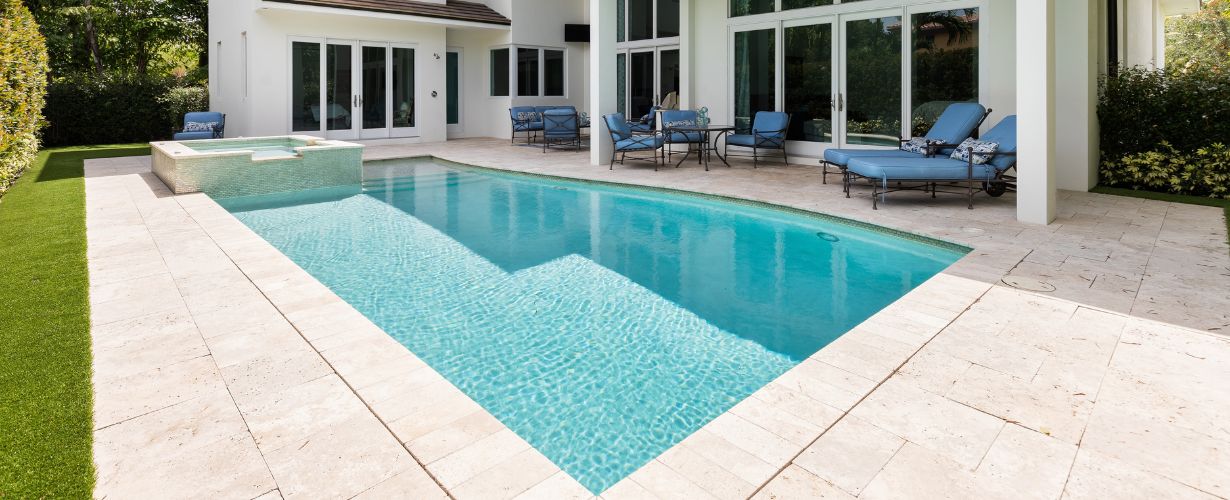
Pool resurfacing is the process of removing the existing interior surface of a swimming pool and applying a brand-new finish. This includes the pool floor, walls, steps, benches, and waterline areas.
Resurfacing is not just cosmetic. It plays a vital role in protecting the pool’s structure and improving its performance. A properly resurfaced pool:
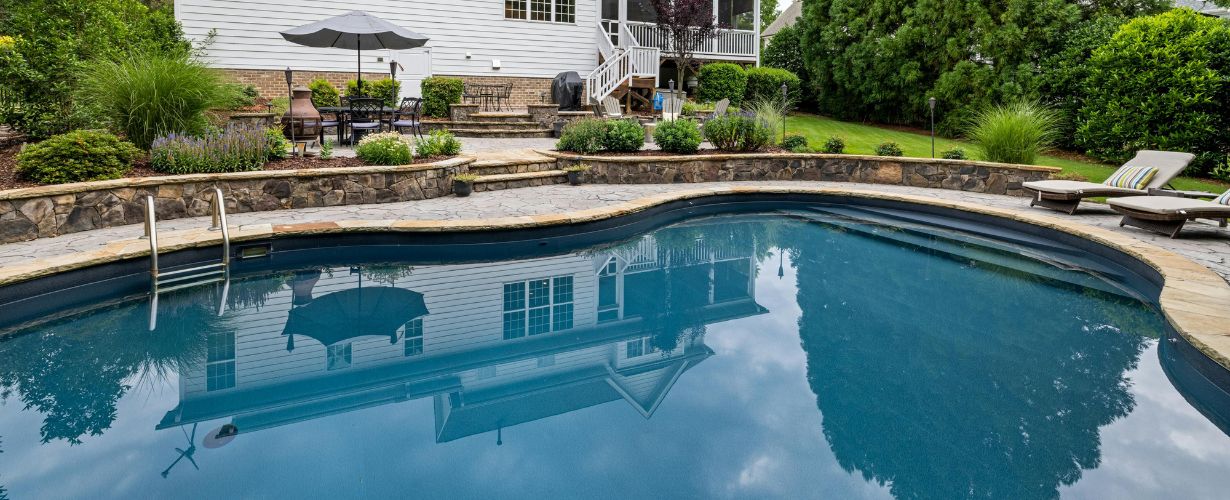
Many homeowners miss early warning signs. Knowing what to look for helps prevent bigger problems later.
Common indicators include:
If your pool no longer feels smooth or looks clean even after maintenance, resurfacing may be necessary.
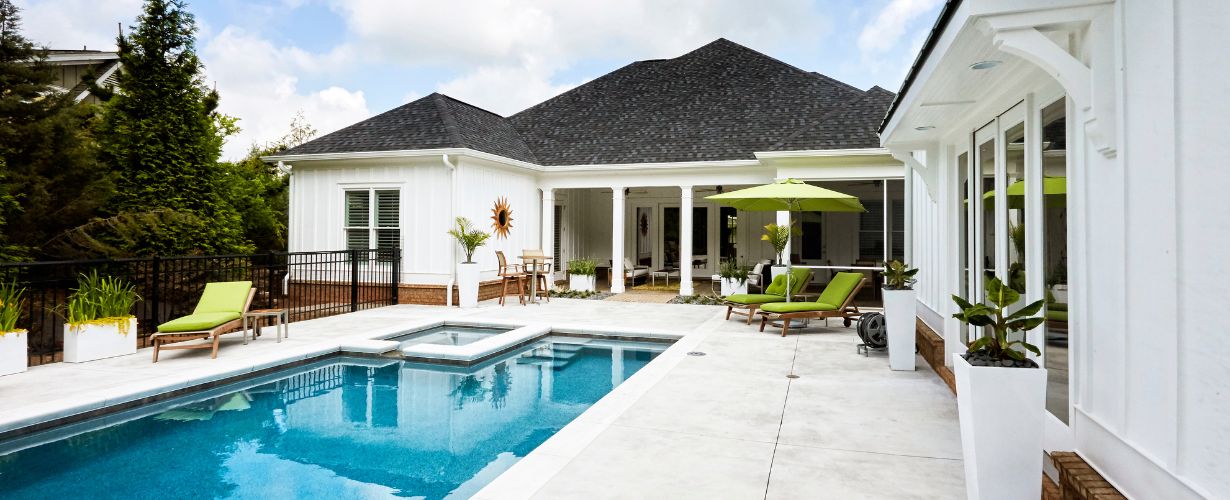
Choosing the right resurfacing material is a very important aspect of the entire resurfacing process. The surface selection affects the pool’s durability, appearance, comfort, and long-term performance. Understanding the differences between different materials helps you avoid costly mistakes and ensures your investment lasts for a long time.
Plaster is a classic and widely used pool surface that offers a smooth, clean appearance and an affordable resurfacing option. It creates a simple, timeless look and is often chosen by homeowners looking for a cost-effective upgrade. While plaster provides a beautiful finish, it requires more maintenance over time and has a shorter lifespan compared to premium surfaces.
Quartz finishes combine durability with visual appeal. This surface is made by blending quartz aggregates into the plaster, creating a smoother, stronger, and more stain-resistant finish. Quartz offers a modern look with multiple color options, better longevity than standard plaster, and improved resistance to chemicals and weather exposure.
Pebble Tec® finishes are a premium resurfacing option known for their natural appearance, superior durability, and long lifespan. The textured surface is slip-resistant, highly stain-resistant, and extremely strong, making it ideal for long-term use. Pebble finishes also give pools a resort-style, luxury feel with a natural stone look.
| Resurfacing Option | Durability | Maintenance | Look & Feel | Best For |
|---|---|---|---|---|
| Plaster Finish | Medium | High | Smooth, classic | Budget-friendly upgrades |
| Quartz Finish | High | Medium | Smooth, modern | Balanced performance & design |
| Pebble Tec® Finish | Very High | Low–Medium | Natural, textured | Long-term durability & luxury |
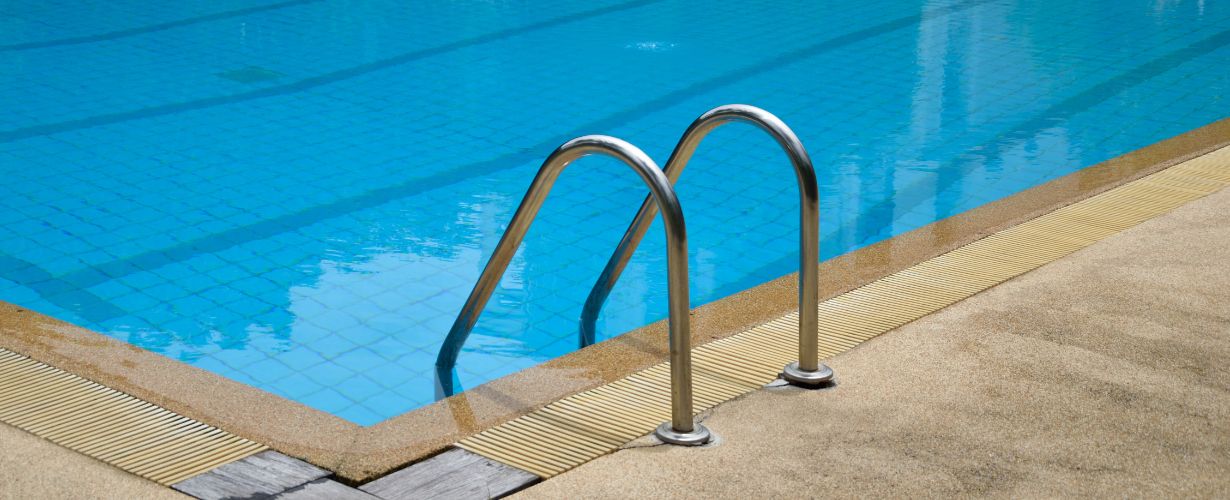
Understanding the resurfacing process makes owners aware of why each step is crucial in the whole process and also helps them guide as to what to expect from the contractor.
Pool resurfacing and pool remodelling are often used interchangeably. While both processes improve the pool, they both serve different purposes. Understanding the difference may help to choose the right solution according to need, budget, and goals.
| Resurfacing | Remodelling |
|---|---|
| Replaces interior surface only | Transforms the entire pool design |
| Focuses on surface protection | Focuses on structure, layout, and features |
| Improves comfort and safety | Improves aesthetics, functionality, and layout |
| Lower cost investment | Higher cost investment |
| Faster completion time | Longer project timeline |
| Extends pool lifespan | Completely modernises the pool |
Resurfacing is ideal when the pool structure is sound but the surface is worn, stained, or uncomfortable.
Remodelling is better when homeowners want layout changes, new features, upgraded systems, or a full visual transformation.
Many people combine the two processes to achieve both structural protection and design transformation to maximize long-term value and usability of the pool.
Taking proper care of newly resurfaced pools ensures the longevity of the surface and ensures that there are no problems due to surface staining, discoloration, and premature deterioration.
Proper post-resurfacing care ensures strong bonding, even curing, surface durability, and long-term performance, protecting both the appearance and structural integrity of the new finish.
Pool resurfacing is more than a visual upgrade; it’s a smart investment in your pool’s safety, comfort, and long-term durability. The right materials, professional installation, and proper maintenance can extend your pool’s lifespan while restoring its beauty and performance.
If your pool surface is worn, stained, or uncomfortable, now is the perfect time to take action. Contact Us, today to schedule a professional pool resurfacing consultation and transform your pool into a refreshed, safe, and stunning backyard retreat built to last.
Get Your Custom Pool & Spa Quote
Free 3D design and Financing options.