Pool owners pay roughly 30 to 40 percent more in electricity costs per year than households without pools. Most of that extra cost comes from a handful of things: the pump, the heater, and how both are being used. Understanding where the costs come from makes it easier to figure out where to cut them.
This guide goes through each part of a pool that affects your electricity bill and what you can do about it. Some changes cost nothing. Others involve replacing equipment. Both are worth knowing about. The goal here is not to give generic advice but to explain the actual mechanics behind each cost so you can make informed decisions about your setup.
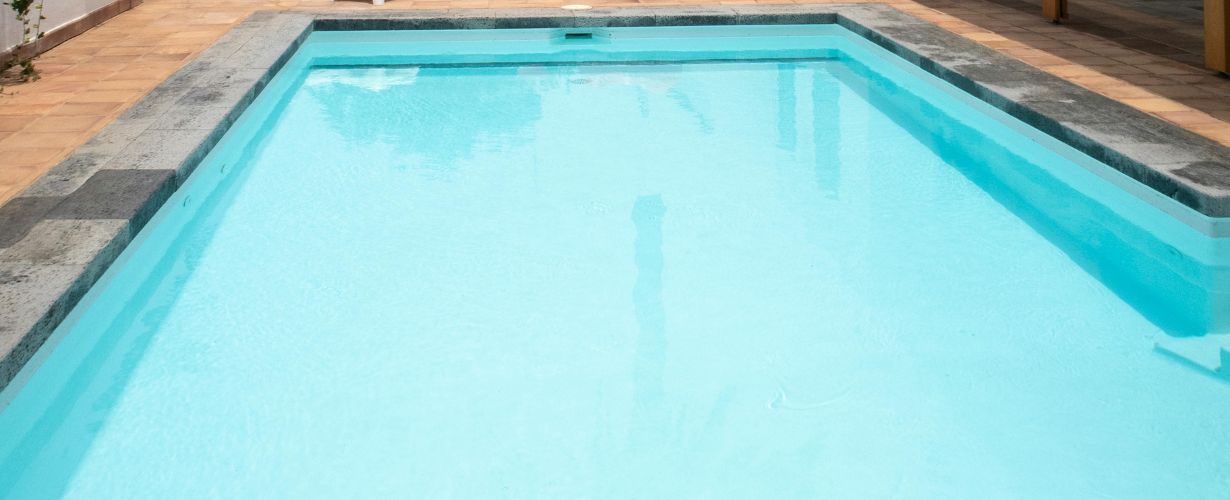
The pump is the biggest driver of pool electricity costs. It runs for hours every day, pushing water through the filter and back into the pool. On older setups, the pump runs at full speed the whole time, even when the pool doesn’t need that level of circulation. That constant full-power operation adds up fast.
Heating comes second. Every degree of pool heating adds roughly 10 to 20 percent to energy use. If you’re heating the pool overnight without a cover, heat escapes through the surface and your heater works harder to maintain the temperature. That’s a straightforward waste you can stop with a basic cover.
Not all pumps are built the same. Pump efficiency is rated and varies quite a bit between models. When you’re looking at replacing a pump, the upfront price is only part of the calculation. The running cost over several years matters more.
Here’s what to look at when choosing a pump:
Getting the pump sizing right for your pool volume means it doesn’t need to work harder than necessary. This is something worth thinking through before any purchase.
A single-speed pump runs at full power all day. A variable speed pump lets you set lower speeds for regular filtration and only ramps up when needed. The electricity difference between the two is significant.
Here is what the numbers look like:
The upfront cost is higher. But the savings cover that difference within two to three years for most pool owners. If you’re deciding on equipment for a custom inground pool, pump type is worth getting right from the start rather than replacing it a few years later.
A pool cover reduces heat loss overnight, cuts down on evaporation, and keeps debris out of the water. All three of those things directly affect how hard your equipment has to work.
A pool left uncovered loses heat through the surface as water evaporates and as the air cools overnight. When the heater runs the next morning to bring the temperature back up, it’s using energy that a cover could have prevented. A solar blanket or bubble cover can reduce overnight heat loss by up to 70 percent.
Even if you don’t heat the pool, a cover still helps. Less debris means less strain on the filter. Less strain on the filter means the pump doesn’t have to work as hard or as long. How much benefit you get from a solar cover during the day also depends on sun exposure, which is one of those factors that comes up during pool placement and design but often gets ignored until the bills arrive.
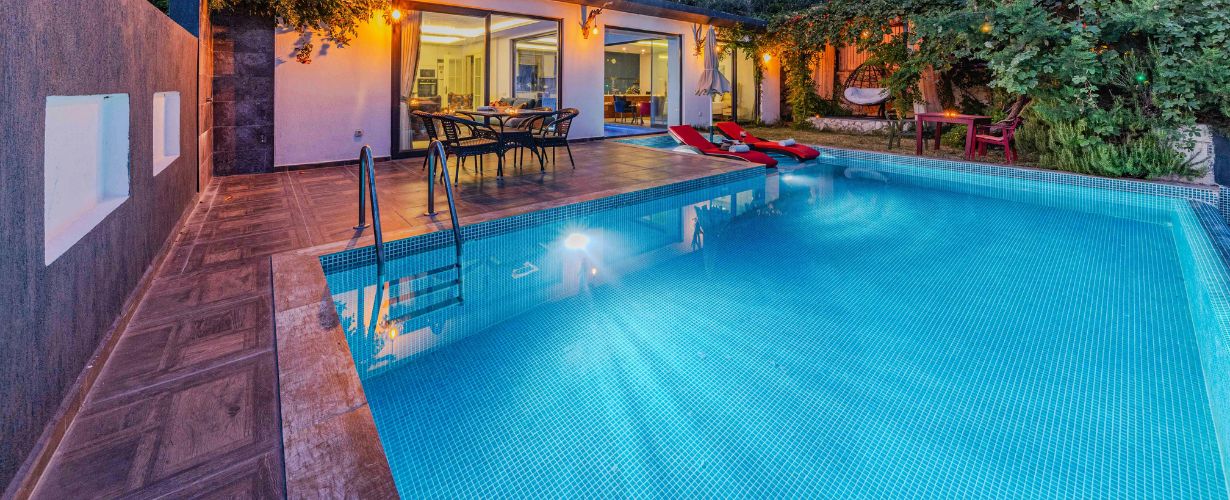
Most home pools need 6 to 8 hours of filtration per day to stay clean. Many pumps are set to run for 10 to 12 hours because that’s the default or because no one has adjusted it. Cutting back to the right amount is free and takes about five minutes.
A few practical steps:
This costs nothing to change. It just requires setting a timer and checking the water for a couple of weeks.
A pool leak makes the pump work more often. Water that leaks out has to be replaced with fresh water. Fresh water is colder than pool water. If you heat the pool, the heater then has to bring that cold water up to temperature. The pump also has to run more to circulate and treat the new water. A leak that goes unnoticed for weeks can add a noticeable amount to your bill.
Here are signs that your pool might have a leak:
If you suspect a leak, a simple bucket test helps confirm it. Fix it before looking at other ways to cut costs.
Small issues compound over time. Regular maintenance keeps everything working the way it should and helps spot problems early before they affect your bill.
A basic maintenance routine includes:
Balanced water chemistry also matters for equipment. Water that’s too acidic or too alkaline corrodes fittings, shortens equipment life, and can affect how well the filter works.
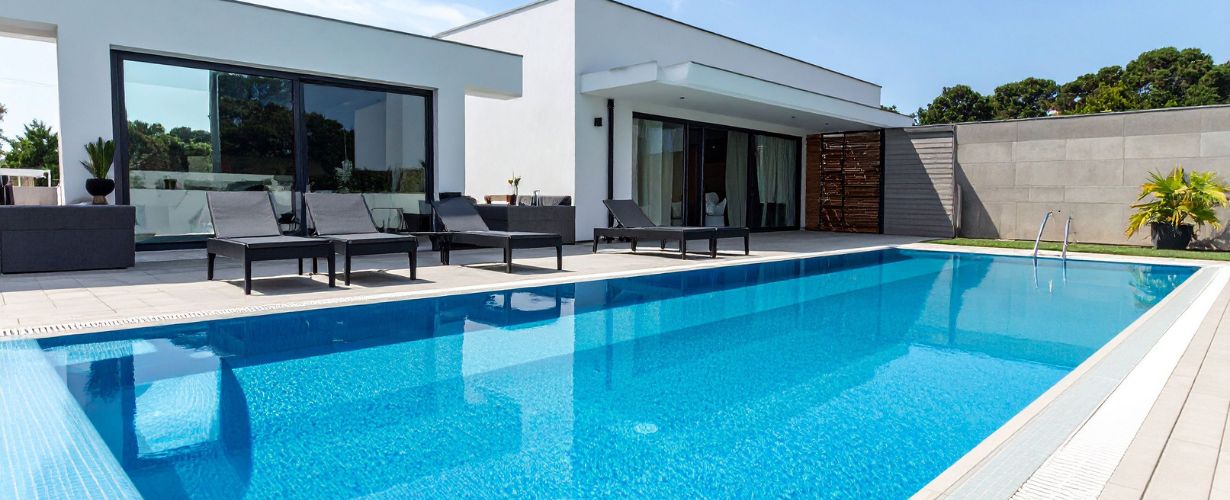
Pool lights are not the main electricity cost, but they’re worth updating if you still have halogen or incandescent bulbs. A halogen pool light typically draws around 300 watts. An LED replacement does the same job at around 25 to 30 watts.
What’s worth knowing about LED pool lights:
If a new pool is being built, including LED lighting in the is more straightforward than retrofitting later.
If you use an electric resistance heater, it’s one of the least efficient ways to heat pool water. The heater converts electricity directly into heat at roughly a 1:1 ratio. Heat pumps work differently. A heat pump pulls warmth from the surrounding air and transfers it into the pool water. For every unit of electricity it uses, it produces 5 to 6 units of heat. Solar heating is another option for pools with good sun exposure. Once the panels are installed, there’s almost no running cost. The system pays for itself within a few years in most cases.
If you’re not changing the heater, lowering the target temperature by 1 or 2 degrees still makes a difference. A pool set at 30 degrees costs more to maintain than one set at 28. Most people don’t notice a 2-degree difference once they’re in the water.
The free changes have the most immediate impact because they cost nothing. Setting the right pump run time, cleaning the filter regularly, and using a pool cover at night are all worth doing straight away. These don’t require any spending, just a bit of attention at the start to get the settings right.
Equipment upgrades take longer to pay back but reduce ongoing costs for as long as the equipment runs. A variable speed pump, LED lighting, and an efficient heater all add up over several seasons. Each piece of equipment runs more efficiently than what it replaced, and that difference shows up on every bill until the equipment is replaced again. It’s also worth knowing that energy costs tend to rise over time, so the savings from efficient equipment generally grow year on year rather than stay flat.
 Optimized by Seraphinite Accelerator