
Your pool gets a lot of use. Sun, chemicals, kids, and time all take a toll on the surface. At some point, no amount of cleaning or chemical balancing will fix what is happening underneath. The plaster or pebble finish starts to break down. And when that happens, you need to think about resurfacing.
How do you know when you’ve crossed that line? A lot of pool owners wait too long. They keep patching small problems and then one day the whole surface needs to go anyway. Knowing the signs early can save you time and money. Here are 8 signs your pool is ready to be resurfaced.
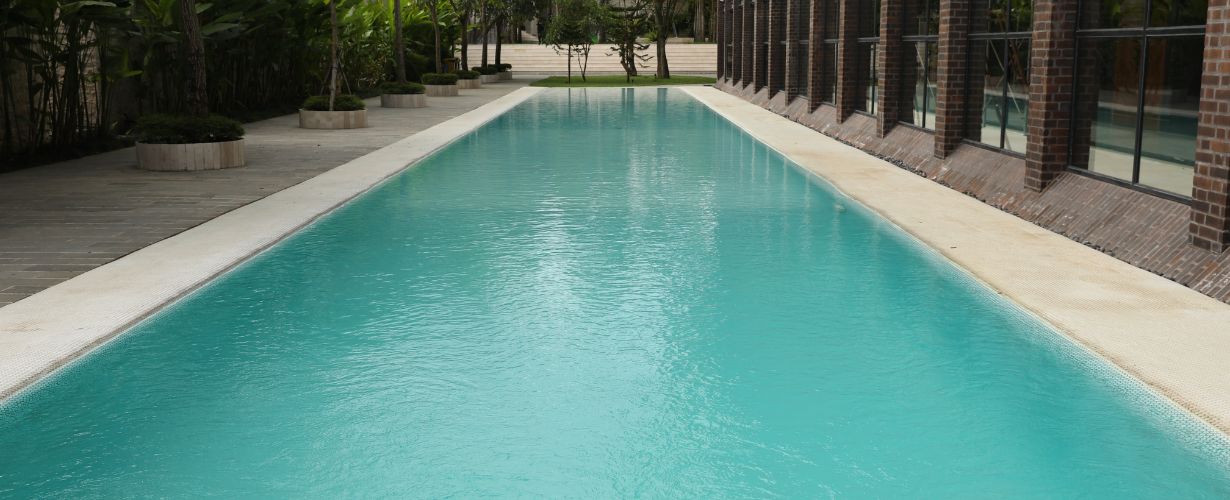
Run your hand along the pool wall or floor. Does it feel smooth? Or does it feel like sandpaper?
A rough surface means the plaster has worn down. The top layer breaks apart over time and exposes the rough material underneath. This causes a few problems:
If your pool feels rough in multiple spots, it is time to look at resurfacing.
Small cracks happen. But there is a difference between a hairline surface crack and something more serious.
Cracks can let water seep into the shell of the pool. Over time, this causes bigger structural problems. Watch out for:
If you are filling the same cracks every season, you are spending money on a temporary fix.
Pool surfaces do stain. Minerals, leaves, metals, and algae can all leave marks. Most stains can be treated with the right chemicals or a good scrub. But when plaster gets old and porous, stains go deep into the surface. They are no longer sitting on top. Cleaning products will not fix that. Permanent staining across a large area of the pool means resurfacing is the next step.
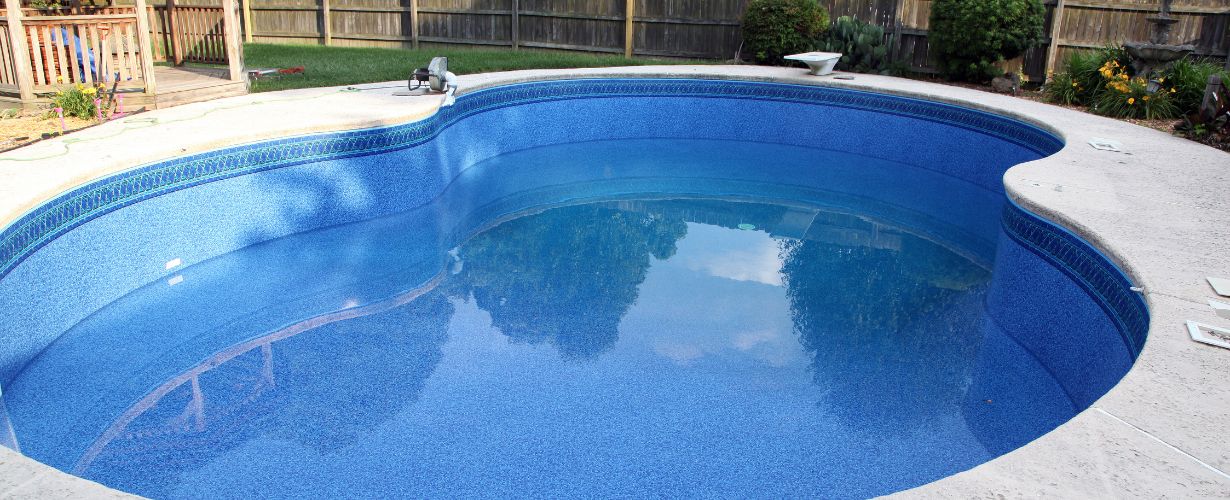
This is called spalling. It happens when plaster starts to peel away from the surface. Signs to look for:
Spalling also clogs filters over time. Once it starts in multiple areas, patching will not fix it. The surface needs to be fully redone.
Every pool loses a small amount of water to evaporation. That is normal. But if you are topping up the water a lot more than usual, there could be a leak.
A simple bucket test can help:
Leaks can come from equipment or fittings, but they can also come from cracks in the pool surface. If you have ruled out equipment issues and water loss is still happening, get the surface checked.
You treat it. It goes away. Two weeks later it is back. Old, worn plaster becomes porous and rough. This gives algae tiny hiding spots that chlorine cannot always reach. If you have been managing your water chemistry well and algae is still a recurring problem, the surface is likely working against you. A smooth, fresh surface is much easier to keep clean and algae-free.
Etching looks like small holes, pits, or an uneven texture across the pool surface. It is usually caused by water chemistry that has been out of balance over a long period. Low pH or low calcium levels can slowly eat away at plaster.
A small amount of etching here and there is manageable. But widespread etching across a large portion of the pool means:
At that point the surface is past the point of repair.
Most pool surfaces last between 10 and 20 years depending on:
If your pool surface is getting up there in age and you are noticing any of the signs above, it is worth getting a professional opinion before things get worse.
If you recognised a few of these signs, here is a simple way to move forward:
If you want an honest opinion on your pool surface, the team at Epic Water Shapes is happy to take a look. No pressure, just a straightforward assessment of what your pool actually needs.
Pool surfaces do not last forever. The signs above do not always appear all at once. Sometimes it starts with one rough patch or a stain that will not shift. Other times you notice the algae coming back more than it used to. These small things add up.
The good news is that resurfacing is a straightforward process when it is done at the right time. Waiting too long usually means more damage and more cost. Catching it early gives you more options and a smoother result. A resurfaced pool is easier to maintain, safer to swim in, and looks a lot better too.
Get Your Custom Pool & Spa Quote
Free 3D design and Financing options.