How Often Does a Pool Filter Need Cleaning?
A swimming pool is the ultimate backyard luxury, offering a private oasis for summer pool parties, relaxing weekend floats, and a quick way to beat the heat. However, a flawless backyard retreat requires consistent behind-the-scenes care, and no component works harder to preserve your paradise than your pool filtration system. Think of your filter as the unsung hero of your pool; when it gets clogged with dirt and debris, it can no longer trap contaminants effectively. This neglect creates a dull, cloudy swimming environment, invites sudden algae blooms, and forces your pool pump to work much harder, ultimately driving up energy costs and threatening your expensive equipment with premature wear and tear.
Pool owners frequently ask exactly how often they should clear out their filtration units because there isn’t a single, one-size-fits-all answer. The ideal maintenance schedule depends heavily on the specific type of filtration system you own, whether it’s a sand, cartridge, or D.E. design, as well as your regional climate, backyard landscaping, and how heavily your pool is used. A solid understanding of these unique variables, alongside the ability to recognize early warning signs of a clogged tank, is the best way to protect your investment and ensure your water remains completely safe, sanitized, and ready for a swim.
Why Regular Pool Filter Maintenance Matters
The pool filter acts like the kidneys of your swimming pool. It traps dirt, leaves, hair, oils, and tiny particles that you do not want to swim in. Over time, all that trapped debris builds up inside the system.
When a filter becomes clogged with dirt, it restricts the flow of water. Your pool pump has to work much harder to push water through the dirty filter material. This increases your electricity bill and can cause your pool equipment to wear out much faster. Regular maintenance keeps your water safe, protects your equipment, and ensures your pool is always ready for a swim.
The Three Main Types of Pool Filters
Before you can figure out a cleaning schedule, you need to know which type of filter your pool uses. There are three common ones, and each has its own rhythm.
- Sand Filters: These systems use a tank filled with special pool sand. The water passes through the sand, which traps dirt and debris.
- Cartridge Filters: These units use fabric pleated filters that look similar to large automotive air filters. They trap dirt on the surface of the fabric plates.
- D.E. (Diatomaceous Earth) Filters: These systems use a powder made from fossilized algae coated onto internal grids. They can trap the smallest particles among all three types.
Each system handles dirt differently, which means each one has its own unique cleaning routine and schedule.
1. Cartridge Pool Filters
Cartridge systems are highly popular because they offer great filtration without wasting lots of water.
- Routine Cleaning: You should deep clean your cartridge filter every 3 to 6 months.
- The Process: This involves turning off the system, opening the tank, removing the fabric cartridges, and spraying them down thoroughly with a standard garden hose.
- Chemical Soaks: At least once a year, or if the cartridges are coated in oils and suntan lotions, you should soak them in a specialized pool filter cleaner solution overnight before rinsing.
2. Sand Pool Filters
Sand systems are very reliable and easy to maintain, but they require a different type of cleaning called backwashing. Backwashing means reversing the water flow to flush trapped dirt out through a waste line.
- Routine Backwashing: You should backwash a sand filter every 1 to 4 weeks, depending on pool usage.
- Deep Cleaning: Once a year, you should use a chemical sand cleaner to strip away oils and grease that backwashing cannot remove.
- Sand Replacement: The actual sand inside the tank does not need to be changed very often. It usually lasts between 3 to 5 years before the sharp edges of the sand grains wear down and lose their filtering power.
3. D.E. (Diatomaceous Earth) Filters
D.E. systems give you the clearest water possible, but they require the most hands-on maintenance. Like sand systems, they are cleaned by backwashing.
- Routine Backwashing: Backwash your D.E. system every 1 to 3 months.
- Recharging the System: Every time you backwash a D.E. filter, some of the powder flushes out with the dirt. You must add fresh D.E. powder into your pool skimmer immediately after backwashing to coat the internal grids again.
- Annual Breakdown: Once a year, you need to completely take the filter apart, remove the internal grids, wash them down by hand, and inspect them for any tears or damage.
Outside Factors That Change Your Cleaning Schedule
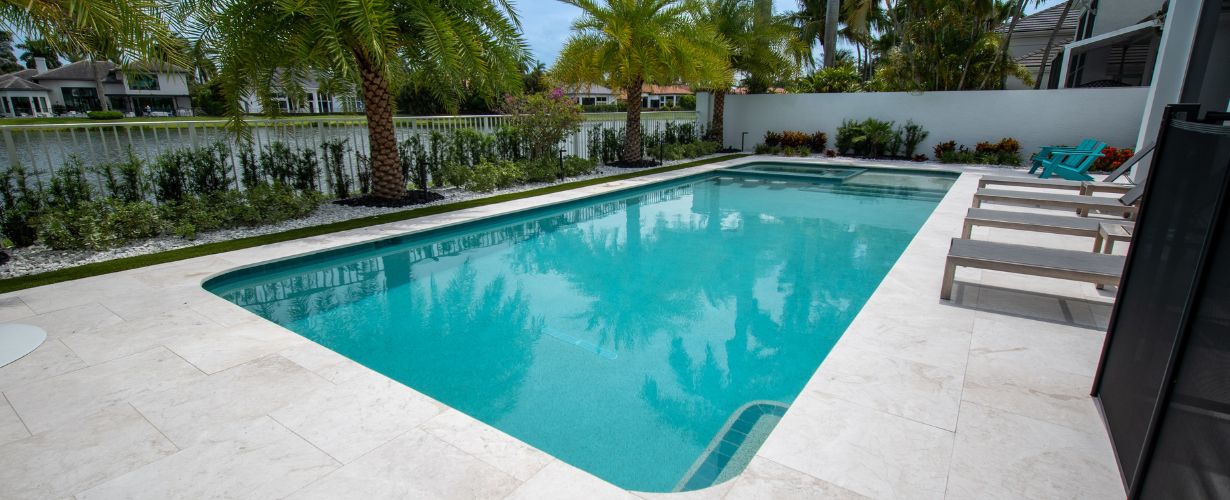
Your pool does not sit in a vacuum. External environmental factors can cause your pool filter to clog much faster than the standard calendar suggests.
- Heavy Storms and Severe Weather: High winds and heavy rain storms knock leaves, twigs, dirt, and pollen directly into your water. After a major storm event, your filter works overtime to clear the debris. Always check your pressure gauge the morning after a storm, as you will likely need to clean the filter right away.
- High Swimmer Loads: Human bodies bring oils, sweat, sunscreen, cosmetics, and hair products into the pool. If you host a pool party with lots of guests, or if your kids swim every single day during summer vacation, your filter will collect oils much faster. You will need to increase your cleaning frequency during peak swimming seasons.
- Landscaping and Wildlife: If your pool is surrounded by large trees, flowering bushes, or open windy spaces, more organic material will enter the water. Additionally, local wildlife like birds, ducks, frogs, and bugs add to the organic waste. More debris in the water means more work for your filtration system.
- Algae Outbreaks: If your pool water turns green or cloudy due to an algae bloom, you will need to shock the pool with chemicals to kill algae. As the algae dies, it turns gray or white and floats in the water. Your filter traps these dead cells rapidly. During an active algae cleanup, you may need to clean or backwash your filter multiple times a day until the water clears.
Warning Signs Your Filter Needs Immediate Cleaning
If you forget to check your calendar or your pressure gauge, your pool water will start showing clear signs that the filtration system is struggling. Watch out for these four common warning signs:
- Cloudy or Hazy Water: If your pool looks dull or milky instead of sparkling blue, the filter is likely full and letting fine particles bypass the system.
- Poor Water Circulation: Check your pool return jets (the nozzles where water shoots back into the pool). If the flow feels weak or gentle instead of strong, a clogged filter is restricting the water flow.
- Debris Returning to the Pool: When a filter is completely full, the pressure can force trapped dirt straight through the filter material and back out into your swimming area.
- Noisy Pump Equipment: If your pool pump sounds louder than usual or makes a straining sound, it is fighting against a dirty, high-pressure filter.
Step-by-Step Cleaning Guides
To ensure you can maintain your system safely, follow these straightforward steps for your specific equipment type.
How to Clean a Cartridge Filter
- Turn off your pool pump and turn off the breaker for safety.
- Open the air relief valve on top of the filter tank to release built-up pressure.
- Remove the locking clamp or knobs from the filter tank and lift off the lid.
- Carefully lift out the pleated cartridges.
- Use a garden hose with a spray nozzle to spray down the pleats. Work from top to bottom, holding the nozzle at a 45-degree angle to flush out trapped dirt.
- Check the fabric for any rips, tears, or broken plastic bands. If damaged, replace the cartridge.
- Apply silicone lubricant to the rubber O-ring on the tank lid to ensure a good seal.
- Place the cartridges back inside, secure the tank lid and clamp, turn the pump back on, and close the air relief valve once water shoots out smoothly.
When to Replace Your Filter Media
No pool filter lasts forever. Even with perfect cleaning habits, filter materials break down over time and lose their structural integrity.
| Filter Type | Average Lifespan | When to Replace |
|---|---|---|
| Cartridge Filter | 2 to 3 Years | Replace if the fabric becomes frayed, plastic end caps crack, or if the baseline pressure stays high even after a thorough cleaning. |
| Sand Filter | 3 to 5 Years | Replace the sand inside the tank when the grains become smooth and round, or if the sand starts bunching together into hard clumps. |
| D.E. Filter Grids | 3 to 5 Years | Replace the internal fabric grids if you notice any small rips or holes or if D.E. powder keeps blowing back into your pool water. |
Conclusion
A clean pool filter is the ultimate secret to keeping your swimming pool crystal clear and your equipment running efficiently. While general timelines give you a baseline, your pressure gauge is the most reliable tool to tell you exactly when it’s time for maintenance; once it climbs 8 to 10 PSI over your clean baseline, action is required. Staying on top of this schedule, especially after heavy summer pool parties or severe weather, prevents cloudy water, stops algae blooms in their tracks, and protects your pool pump from costly wear and tear.
However, managing different filter types, handling chemical washes, and executing seasonal breakdowns can quickly eat up your free time. If you prefer to focus on enjoying your backyard oasis rather than troubleshooting your pool system, the team at Epic Water Shapes is here to handle the heavy lifting. From routine cartridge cleanings to complete sand and D.E. grid replacements, we provide hassle-free maintenance tailored to your pool’s specific needs. Contact us today at Epic Water Shapes to schedule your next professional pool service and keep your water perfectly pristine.