
Most people think of winter as a time to stay indoors. But in Florida, winter is actually one of the busiest times for pool work. Specifically for resurfacing. If you own a pool in Florida and you have been putting off resurfacing it, winter might be the best time to finally get it done. Here is why that is the case.
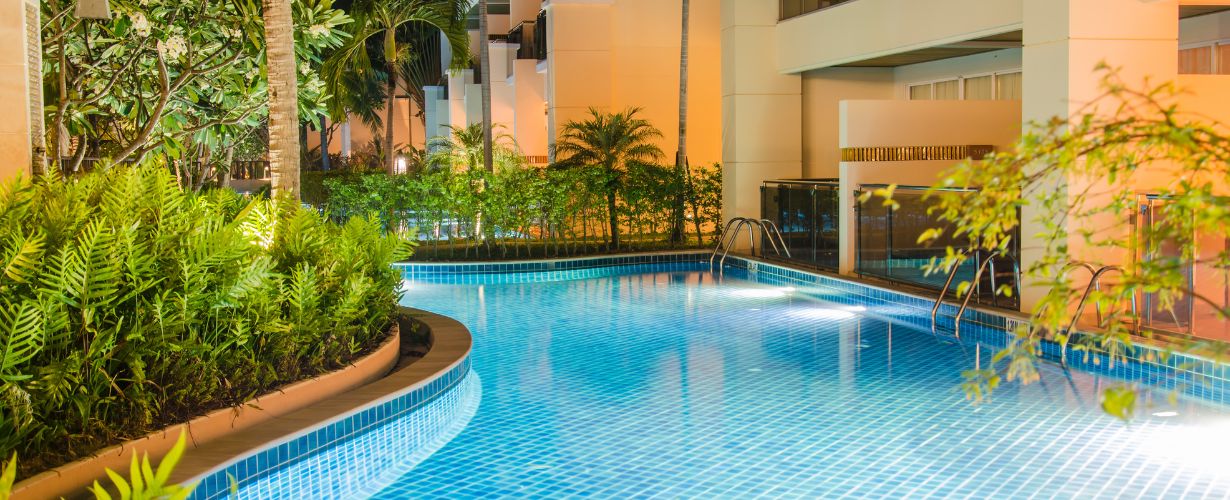
Let us be clear about something first. Florida winters are nothing like winters in the rest of the country. It is still comfortable outside most days. Here is what that actually looks like:
So the pool just sits there. And that makes winter the perfect window to take care of maintenance and repairs without disrupting your swim season.
Pool resurfacing is when the inner surface of your pool gets removed and replaced. That surface is what you see and touch when you are in the water. Over time it can show a lot of wear:
The most common resurfacing materials are plaster, pebble finishes, and quartz. Each one has different looks and different price points. But all of them require the pool to be drained and kept empty for a certain period while the new surface cures properly. That curing process is where the season really starts to matter.
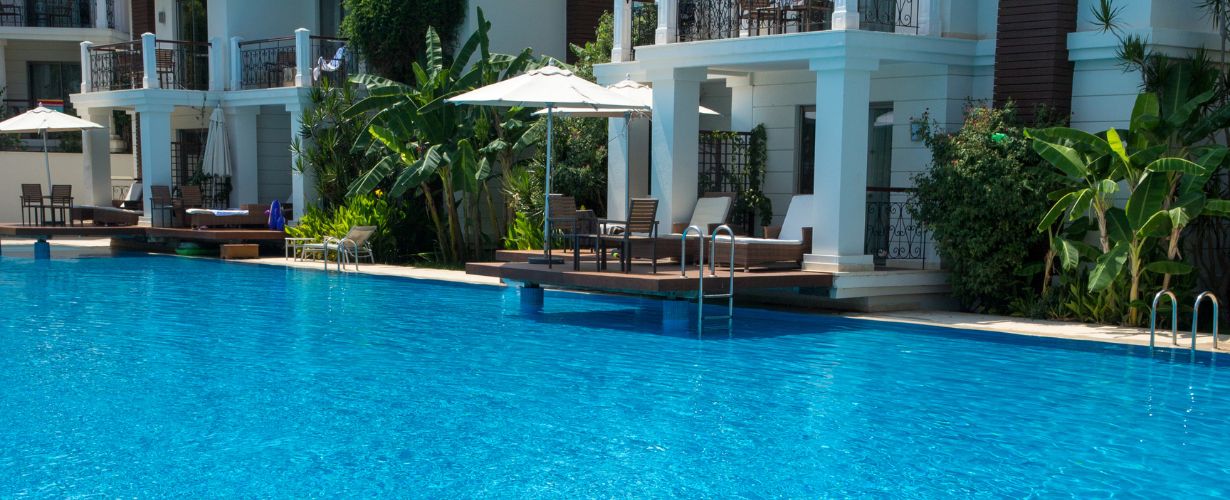
This is one of the most important things most pool owners do not know about. When you apply a new pool surface, it needs time to cure before water goes back in. The temperature during curing has a direct impact on how well the surface bonds and how long it will last. Here is what happens when it is too hot during curing:
Florida summers are brutal. Temperatures in the 90s with high humidity are not ideal for fresh pool plaster or a new pebble finish. The heat speeds everything up in ways that are hard to control. Winter temperatures in Florida sit in that sweet spot. Not too cold. Not too hot. Here is why that matters:
Summer in Florida means afternoon thunderstorms almost every day. That is just how it works. If you have ever lived here you already know this. Rain during pool resurfacing causes real problems:
Winter in Florida is the dry season. Rainfall drops significantly from November through April. There are still some rainy days of course, but nothing like the daily storms you get in July and August. Doing the job in winter means:
Here is something practical that a lot of people overlook. Pool contractors are extremely busy during spring and summer. That is when everyone wants their pool ready for the warm months. Starting in March, things get hectic:
Winter is the slower season for most pool service companies. Booking during this time means:
This is probably the most practical reason of all. If you resurface in winter, here is what you get:
Compare that to resurfacing in the middle of summer:
Planning ahead in winter just makes more sense.
If you are not sure whether your pool is ready for resurfacing, here are some things to look for:
Most pool surfaces last between 10 and 15 years depending on the material and how well the pool has been maintained. If yours is getting up there in age, a closer look is worth it.
New pool surfaces need a startup process after the pool is refilled. The chemistry of the water has to be carefully managed during the first week or two. This helps protect the new finish and makes sure it cures properly underwater as well.
Your pool professional should walk you through this process. It is not complicated but it is important to follow. Skipping it or doing it wrong can shorten the life of your new surface.
Winter is not downtime for your pool. It is actually the best opportunity you have all year to take care of it properly.The cooler temperatures help the new surface cure the right way. The dry season means fewer weather delays. Contractors have more time and availability. And when spring rolls around, your pool is clean, fresh, and ready to go from day one.
If your pool surface is rough, stained, cracked, or just getting old, do not wait until summer to deal with it. By the time the heat arrives, you will be glad you took care of it during the quieter months. At Epic Water Shapes, we know Florida pools. We understand how the climate works here and how to get resurfacing done the right way. If you are thinking about resurfacing this winter, reach out and we can walk you through what the process looks like for your specific pool.