
The average cost of resurfacing a pool starts from $5000 in South Florida. Many pool contractors charge per square foot, and the exact price of pool plaster depends upon many factors, including pool size, design complexity, location, and more.
Thinking about enjoying your summer with a refreshing swim but noticing cracks, stains, or rough spots in your pool? If so, resurfacing is the most affordable and effective way to bring your pool back to life. Instead of spending tens of thousands of dollars on a brand-new pool, resurfacing repairs damage, improves appearance, and gives your pool a smooth, clean surface again.
In 2026, the average pool resurfacing cost in South Florida starts at $5,000. This price can increase or decrease depending on factors like pool size, the material you choose, design complexity, and your location in Florida. Many homeowners search for terms like “pool resurfacing cost Florida,” “how much does it cost to replaster a pool,” or “cost to replaster pool” because prices vary so widely.
Over time, the plaster inside a pool gets damaged by minerals, chemicals, weather changes, and long hours of sunlight. Resurfacing gives the pool a new protective layer, helps prevent cracks, stops leaks, and restores the look of older pools, especially in Florida’s climate.
If you’re wondering how much it costs to resurface a pool in Florida in 2026, this guide breaks down every cost in detail, with tables for easy understanding.
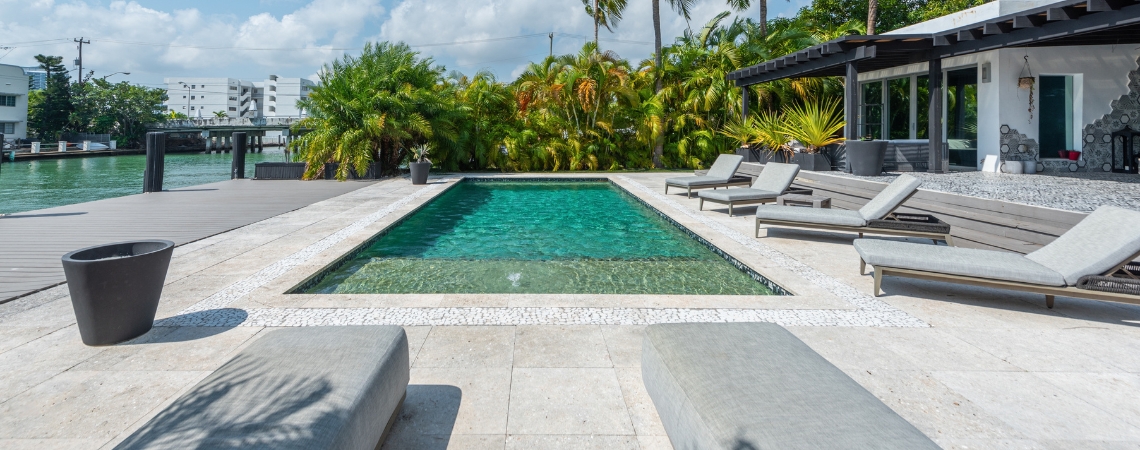
Several things influence the swimming pool resurfacing cost for homeowners in Florida. Below is a detailed look at each factor so you can understand exactly what affects your quote.
Where you live plays a major role in the cost of resurfacing a pool. Florida has different labour costs, permit prices, and material availability depending on the region.
Urban Areas
Cities like:
usually have higher prices. Contractors in these cities deal with higher operating costs, which raises the final resurfacing price.
Rural Areas
In smaller towns, costs are usually lower because:
Coastal Areas
Coastal zones tend to have slightly higher pool resurfacing costs than Florida rates because salt, humidity, and water conditions add complexity to the resurfacing job.
Pool size is one of the biggest factors affecting the final resurfacing cost. Larger pools need more workers, more time, and more material, which increases the total cost.
Here’s a simple look at how pool size impacts the cost to replaster pool surfaces.
Pool Size vs. Resurfacing Cost (2026)
| Pool Size (Feet) | Surface Area (Sq. Ft.) | Starting Cost |
|---|---|---|
| 10 ft x 20 ft | 200 | $3,500 |
| 12 ft x 24 ft | 288 | $4,200 |
| 14 ft x 28 ft | 392 | $5,000 |
| 18 ft x 36 ft | 648 | $6,500 |
| 20 ft x 40 ft | 800 | $8,500 |
If your pool is on the larger side, you may be specifically wondering how much it costs to replaster a 20×40 pool. A typical 20×40 pool in Florida starts around $8,500, though prices can go higher depending on material and pool condition.
Not all pools are the same. A basic rectangular pool is easier to resurface than a pool with curves, tanning ledges, or custom shapes. The more complex your pool design is, the more time and labour it requires.
Simple Pool Designs
These designs cost less because they are easier to resurface.
Complex Pool Designs
These require skilled labour, more materials, and extra prep work, which increases the replaster pool cost.
The material you choose plays one of the most important roles in the plaster swimming pool resurfacing cost. Some materials are budget-friendly but require more frequent resurfacing, while others cost more upfront but last longer.
| Material | Cost Level | Lifespan | Best For |
|---|---|---|---|
| Standard Plaster | Affordable | 7–10 years | Budget projects, simple pools |
| Aggregate Plaster | Mid-range | 10–15 years | Color, texture, and improved durability |
| Concrete | Mid-range | 10–15 years | Custom pool shapes, durability |
| Pebble Finish | High-end | 15–25 years | Natural look, low maintenance |
| Tile Finish | Most expensive | 20+ years | Luxury pools, long-term value |
The material you choose significantly affects the pool plaster repair cost and the long-term maintenance expenses.
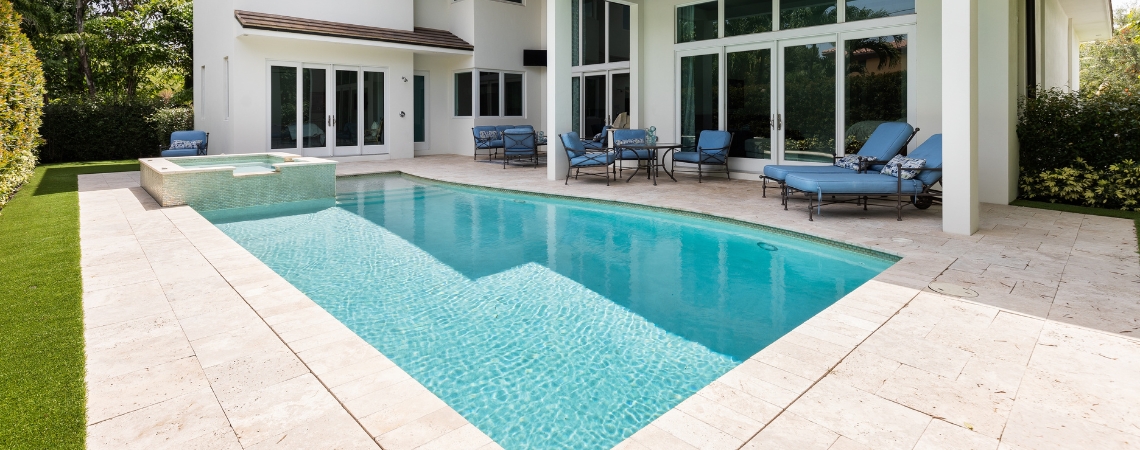
Most pools need resurfacing every 10 to 12 years, but several factors can shorten or extend that lifespan:
Signs Your Pool Needs Resurfacing
Look for:
If you notice these issues, it’s time to start comparing your local swimming pool resurfacing cost options before the damage becomes more expensive to fix.
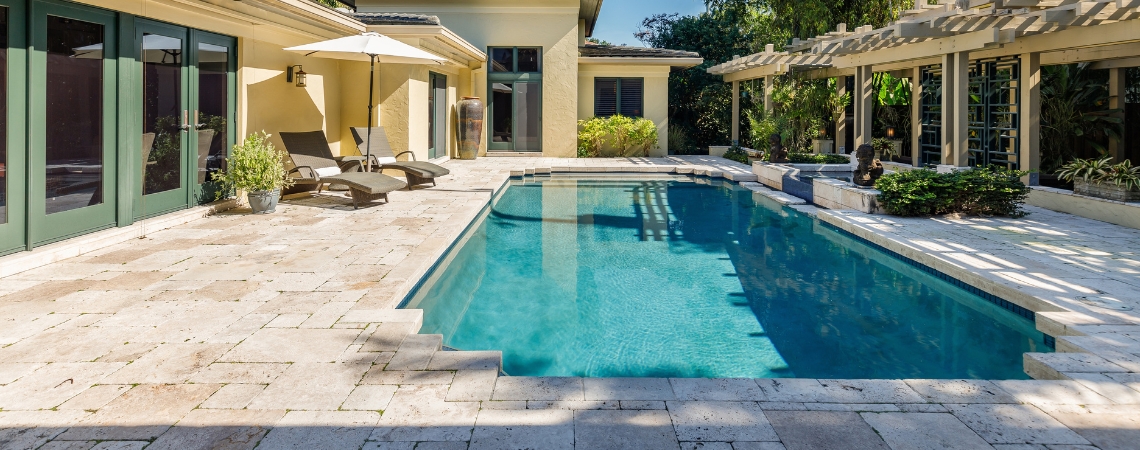
Pool resurfacing is a smart investment, but you can still save money by making a few smart choices.
Your contractor can significantly impact the final pool resurfacing cost. A trustworthy contractor will:
Always check reviews, ask for references, and make sure they’re licensed and insured. A skilled contractor ensures your resurfacing lasts longer, saving money in the long run.
Some people only want basic repairs, while others want a complete upgrade with new materials. Knowing your goals helps you avoid overspending.
Contractors may suggest extras such as:
These can increase the cost of resurfacing a pool, but they may not be necessary if you’re trying to stay within a budget. Focus on what your pool actually needs.
Resurfacing keeps your pool safe, smooth, and visually appealing while protecting it from long-term damage. It’s one of the smartest ways to extend your pool’s life—and it’s not something you want to DIY.
Epic Watershapes delivers professional resurfacing services with high-quality materials and workmanship you can trust. From helping you choose the right finish to giving you a clear resurfacing cost estimate, we make the process easy from start to finish.
Thinking about resurfacing your pool in 2026? Reach out to Epic Watershapes today and let the experts handle your pool with care.
Replastering is one part of resurfacing. It means replacing the plaster layer of the pool. Resurfacing is a broader term that includes replacing any type of pool finish, such as plaster, quartz, or pebble. In simple terms, all replastering is resurfacing, but not all resurfacing is just plaster.
Get Your Custom Pool & Spa Quote
Free 3D design and Financing options.