
When looking at high-end pool designs, two styles often stand out for their visual impact. These are the vanishing edge and the perimeter overflow. While both create a seamless look where the water seems to disappear, they function very differently. Understanding these differences helps in deciding which style fits a specific backyard and budget.
Choosing between these two options involves looking at the landscape, the desired visual effect, and the technical requirements of the build. Both styles represent a significant upgrade over a standard pool, but they serve different architectural purposes.
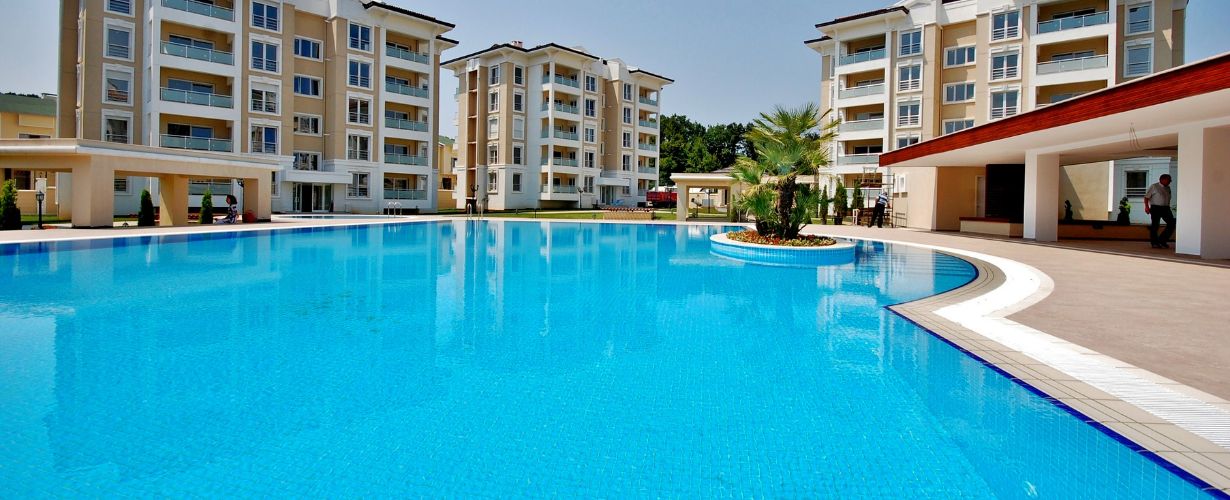
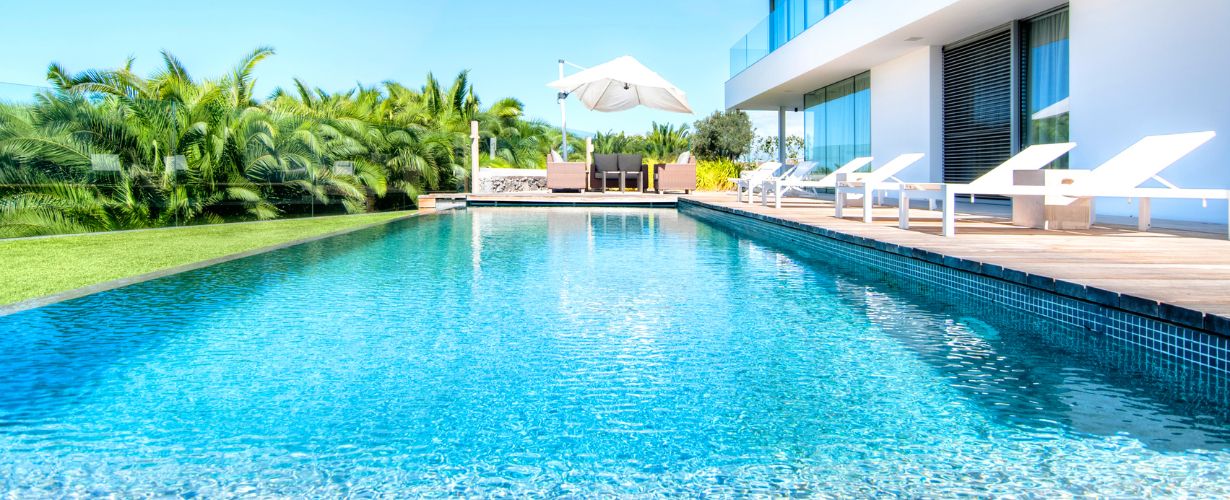
A vanishing edge pool, often called an infinity pool, is designed to look like the water is falling off one side. This is achieved by building one wall of the pool lower than the water level. The water flows over this “weir” wall and into a catch basin or trough hidden below. From there, it is pumped back into the main pool.
This style is most effective when there is a significant change in elevation. If a property sits on a hill or overlooks a body of water, the vanishing edge creates a bridge between the pool and the view. The edge of the pool disappears, making the water seem to blend into the horizon or the landscape beyond.
A perimeter overflow pool functions differently because the water overflows on all sides, or a large portion of the perimeter. The water level is exactly the same height as the surrounding deck. As the water overflows, it falls into a hidden slot or gutter tucked underneath the coping or the deck material.
This creates a mirror-like surface because the water is perfectly still. Since there are no traditional pool walls rising above the water line, the pool looks like a flat sheet of glass resting on the ground. This style is often chosen for flat lots where a vanishing edge would not have a height drop to take advantage of.
The visual goals of these two styles are distinct. While both offer a luxury feel, they draw the eye in different directions:
When building a standard pool, the walls only need to be strong enough to hold the weight of the water. With these specialty styles, the walls become part of a complex machine. The engineering must be perfect because the water acts like a level.
In a standard pool, if a wall is off by half an inch, it is rarely noticeable. In an overflow or vanishing edge pool, half an inch is a significant technical failure. If the edge is not perfectly level, the water will “channel” and only fall over the lowest point. This leaves the rest of the weir or gutter dry, which ruins the entire visual effect of the moving water.
Achieving this level of precision takes a massive amount of time and high-end equipment. Builders use laser levels throughout the entire inground pool construction process to ensure the lip of the pool is perfectly flat. If a single tile on the edge is even a hair too high, the water flow will be uneven. This labor-intensive process is a major reason why these pools carry a higher price tag than a traditional build.
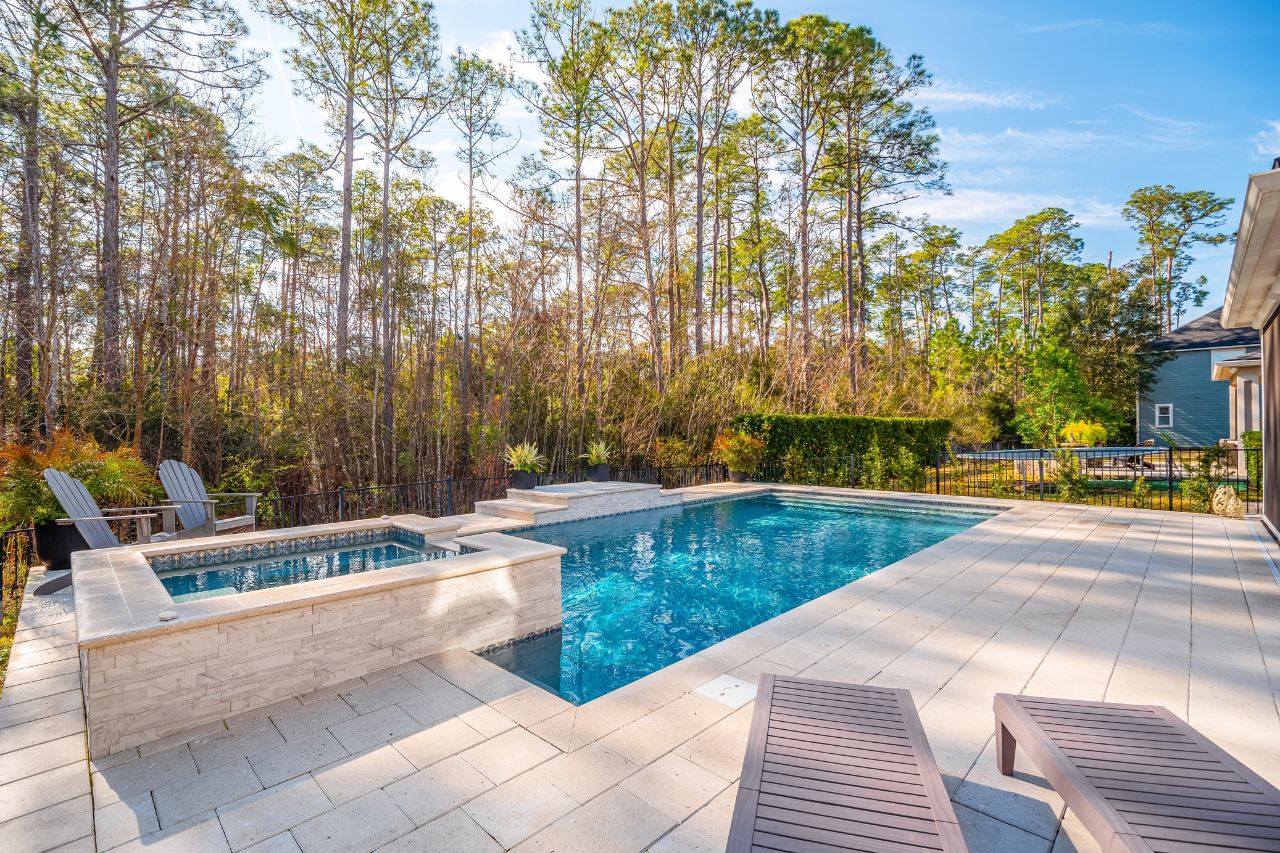
Because these pool styles involve water constantly touching the edges, the choice of stone is very important. In a perimeter overflow, the deck is always wet where it meets the water line. The materials must be durable and safe:
The coping takes the most abuse from sun and chemicals. If a salt system is used, a high-quality, dense stone is required to prevent “spalling,” where the face of the stone flakes off.
These designs require precise construction and ongoing care. A small shift in the ground or a mistake in the masonry can ruin the effect over time.
The atmosphere created by these two styles is very different because of how the water moves. A vanishing edge pool acts like a waterfall. Depending on how far the water drops into the catch basin, it creates a consistent, soothing splashing sound. This is great for drowning out neighborhood noise or traffic, making the backyard feel more private and secluded.
A perimeter overflow is designed to be almost silent. Because the water only drops a fraction of an inch into a hidden slot, there is no splashing or bubbling. This creates a very calm, still, and meditative environment. If the goal is to have a pool that looks like a solid piece of dark glass or a mirror, the perimeter overflow is the better choice for that quiet, high-end feel.
The architecture of the house often dictates which pool style will look best. A perimeter overflow has a sharp, geometric look that complements modern or contemporary homes with clean lines. It looks best when the pool is placed close to the house so the “mirror” can reflect the building’s design.
A vanishing edge is more organic and works well with many different home styles, from Mediterranean to modern. It is the best choice if the home is built on a slope or has a raised foundation. By placing the vanishing edge on the side of the pool that faces away from the house, you create an unobstructed view that makes the yard feel much larger than it actually is.
The final decision usually comes down to the layout of your yard and your personal taste. If the property has a natural slope and a beautiful view, a vanishing edge is a natural choice to highlight the scenery. For a flat lot where the goal is a minimalist and sophisticated look, the perimeter overflow offers a clean and modern solution that turns the water into a piece of art.
Both styles transform a backyard into a high-end retreat, but they create very different moods. Reviewing completed projects can help you visualize how these designs sit in a real setting. Working with a professional pool builder ensures that the engineering is sound and the final result matches the vision for your outdoor space.