When you are planning a pool or thinking about replacing an old deck, one of the first decisions you need to make is what material to use. It is not just about how it looks. The material you choose affects how safe the surface is, how much maintenance it needs, and how long it will last.
There is no single best option for everyone. Each material has its strengths and its drawbacks. Understanding what they are helps you make a decision that suits your pool, your budget, and how you actually use your outdoor space. Here is a straight look at the four most common pool decking materials.
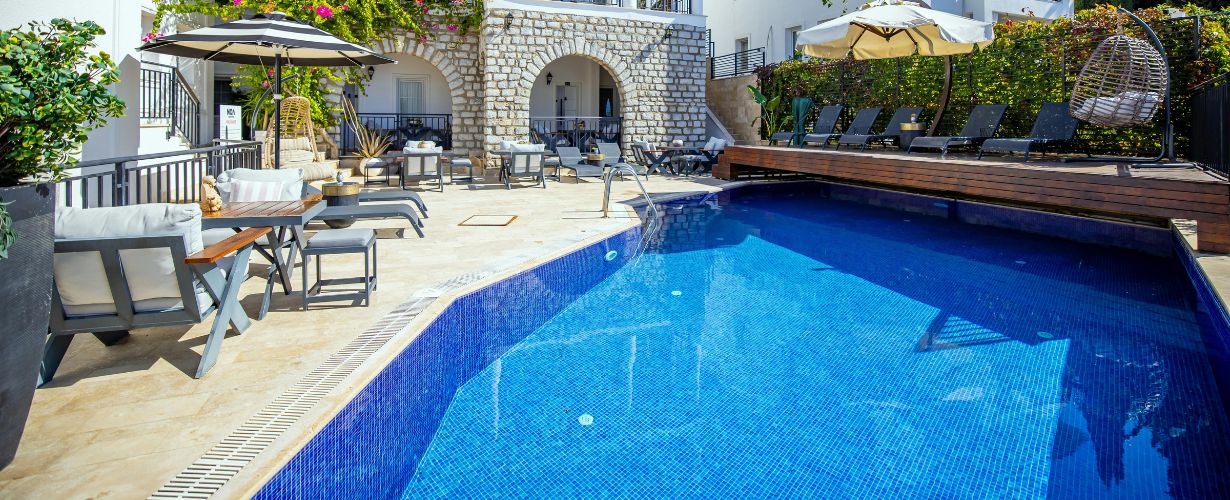
Concrete is one of the most widely used pool decking materials. It has been around for a long time and for good reason. It is solid, versatile, and works well in most situations.
Overview
Concrete can be poured in almost any shape, which makes it a good fit for pools with unusual layouts. It can also be finished in different ways. Plain concrete is the most basic and affordable option. But it can also be stamped, textured, or coated to improve how it looks and feels underfoot.
A standard concrete deck typically lasts 20 to 30 years when properly installed and maintained. In Florida, the heat and humidity can speed up wear if the surface is not sealed and cared for regularly.
Things to watch out for
Best for
Concrete is a good choice if you want a cost-effective, durable surface that can be customised with different finishes. It suits most pool shapes and sizes.
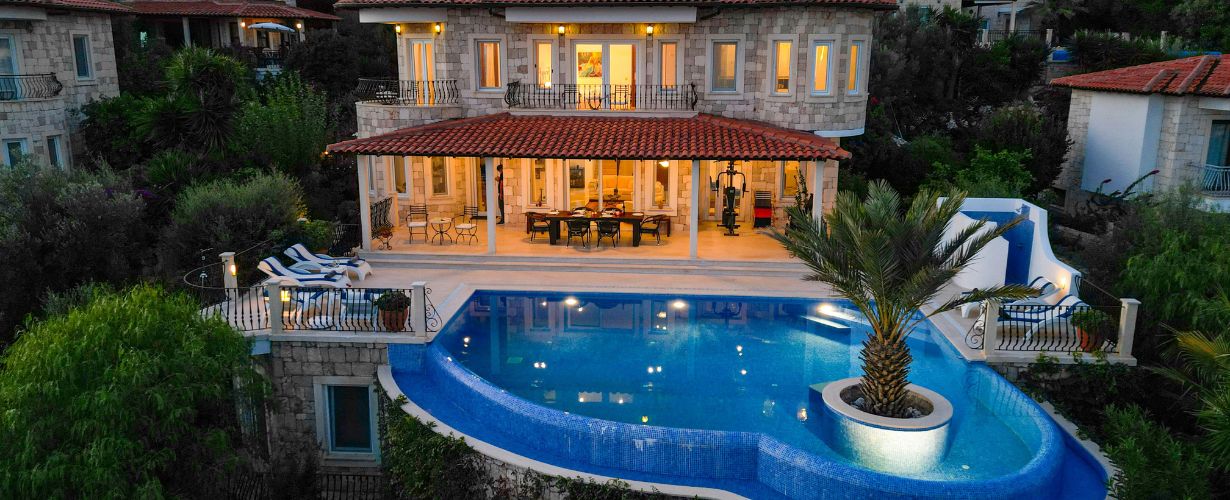
Pavers are individual units, usually made from concrete, natural stone, brick, or travertine, that are laid on a prepared base. They are one of the most popular decking options in Florida, and there are a few good reasons for that.
Overview
Unlike poured concrete, pavers can move slightly without cracking. This is a big advantage in Florida where soil shifts from rain, heat, and humidity. If one paver gets damaged or stained, you can remove and replace just that piece without disturbing the rest of the deck. Paver decks tend to last longer than most other options. A well-installed paver deck can last 25 to 50 years or more.
Travertine and shellstone are especially popular in Florida. Both materials stay cooler underfoot compared to concrete or darker pavers. They also handle salt exposure well, which matters if you have a saltwater pool or live near the coast.
Things to watch out for
Best for
Pavers work well for homeowners who want a long-lasting, attractive deck that is relatively easy to repair and maintain. They are a strong option for Florida homes because of how well they handle the climate.
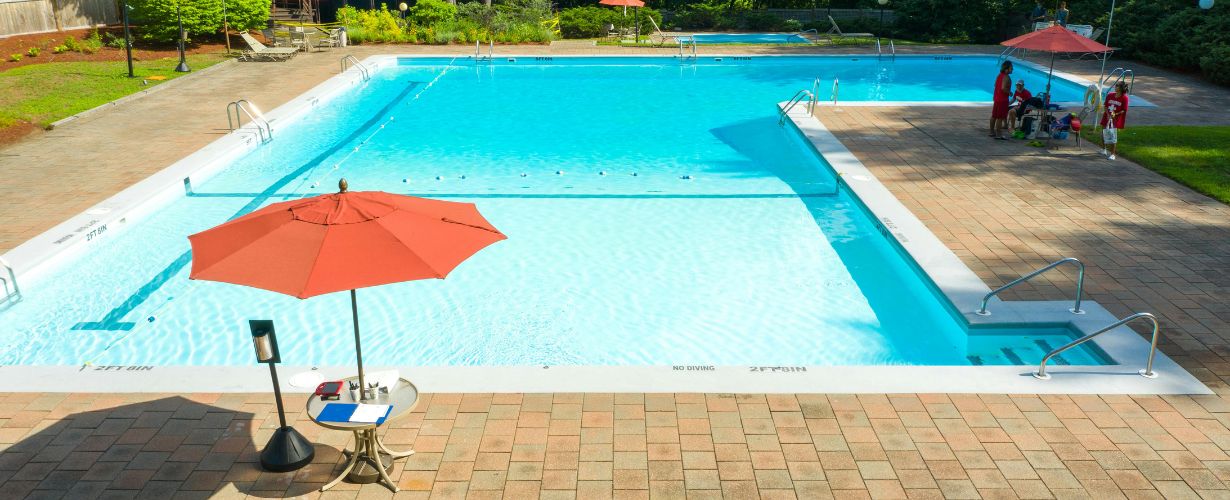
Wood decking gives a pool area a natural, warm look that other materials can be hard to match. It works well for certain styles of homes and outdoor spaces. But in Florida, wood is one of the more demanding materials to maintain.
Overview
Pressure-treated pine is the most common type used for pool decking. Hardwoods like ipe and teak are also used but come at a higher price. Both options can look great when new and well-maintained.
The problem is that Florida is tough on wood. The combination of heat, UV exposure, heavy rain, and humidity creates conditions that break down natural materials faster than most other climates. A wood deck in Florida typically lasts 10 to 15 years with consistent upkeep. Without it, you might be looking at repairs or replacement in 7 to 8 years.
Things to watch out for
Best for
Wood suits homeowners who want a specific natural aesthetic and are prepared to put in the maintenance work. It is better suited to drier climates but can work in Florida if you are committed to upkeep and willing to replace it sooner than other materials.
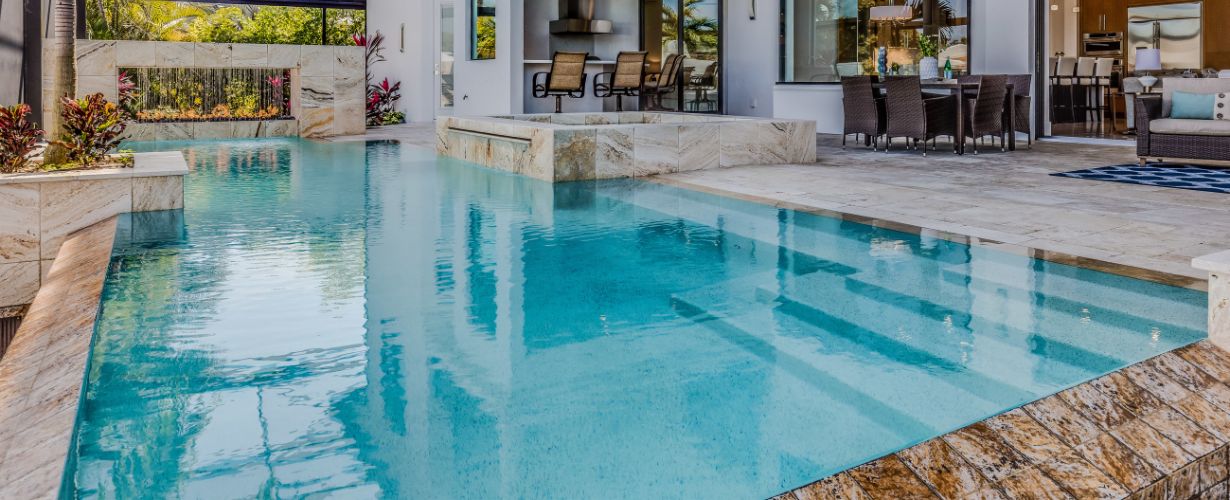
Composite decking is made from a mix of wood fibres and plastic. It was originally developed as a low-maintenance alternative to wood, and it does a good job at that. It has become increasingly popular for pool decks over the past decade.
Overview
Modern composite decking is designed to resist moisture, fading, staining, and splintering. The better products are capped composites, which have a protective outer shell that makes them even more resistant to wear. Most quality composite decking comes with manufacturer warranties of 25 years or more. In Florida, composite holds up well against humidity and rain. It does not rot, and it is not attractive to termites. It also requires far less maintenance than wood.
One thing worth knowing is that composite can get warm in direct sunlight. Some newer products include technology to reduce heat absorption, so it is worth asking about this if the deck gets a lot of sun during the day.
Things to watch out for
Best for
Composite is a good option for homeowners who want something that looks like wood without the ongoing maintenance. It suits modern homes and works well in Florida’s climate.
| Features | Concrete | Pavers | Wood | Composite |
|---|---|---|---|---|
| Lifespan | 20-30 years | 25-50+ years | 10-15 years | 25-30+ years |
| Upfront Cost | Low | Medium-High | Low-Medium | Medium-High |
| Maintenance | Moderate | Low-Moderate | High | Low |
| Heat Underfoot | High | Low (travertine) | Moderate | Moderate-High |
| Slip Resistance | Needs coating | Naturally good | Can be slippery | Good |
| Crack Resistance | Moderate | Excellent | Low | High |
| Salt Resistance | Moderate | High | Low | High |
| Rot/Termite Risk | None | None | High | None |
| Repair Ease | Moderate | Very easy | Moderate | Easy |
| Best For | Budget, versatility | Long-term value | Natural aesthetic | Low maintenance |
There is no single correct answer. The right material depends on a few things:
Most pool decks last at least a decade, and the better ones last much longer. The material you pick affects everything from how much time you spend on upkeep to how the space feels on a hot Florida afternoon. There is no one right answer for every home, but there is usually a right answer for your home. The comparison table above is a good starting point, and the how to choose section will help you narrow it down based on what actually matters to you.
If you are still not sure, the team at Epic Water Shapes works with concrete, pavers, wood, and composite pool decking across West Palm Beach and Boca Raton. We can look at your pool, your budget, and your situation and give you a straight answer on what makes the most sense.
 Optimized by Seraphinite Accelerator