
Imagine you are standing in your backyard. You see the green grass, the patio furniture, and perhaps a fence. In your mind, you are already picturing a stunning, custom built pool from Epic Watershapes right in the center of it all. You can almost feel the cool water on a hot afternoon and hear the sound of kids splashing. It is an exciting vision, but there is an entire world beneath your feet that determines exactly how that dream becomes a reality.
When most homeowners think about pool construction, they think about the above ground choices: the deep blue tile, the smooth pebble finish, or the colorful LED lights. While those are the parts you will see and enjoy, the most critical part of your pool is actually the dirt it sits in.
To help you prepare for your project, let’s take an in depth look at the science of soil and why it is the most important factor in your pool installation.
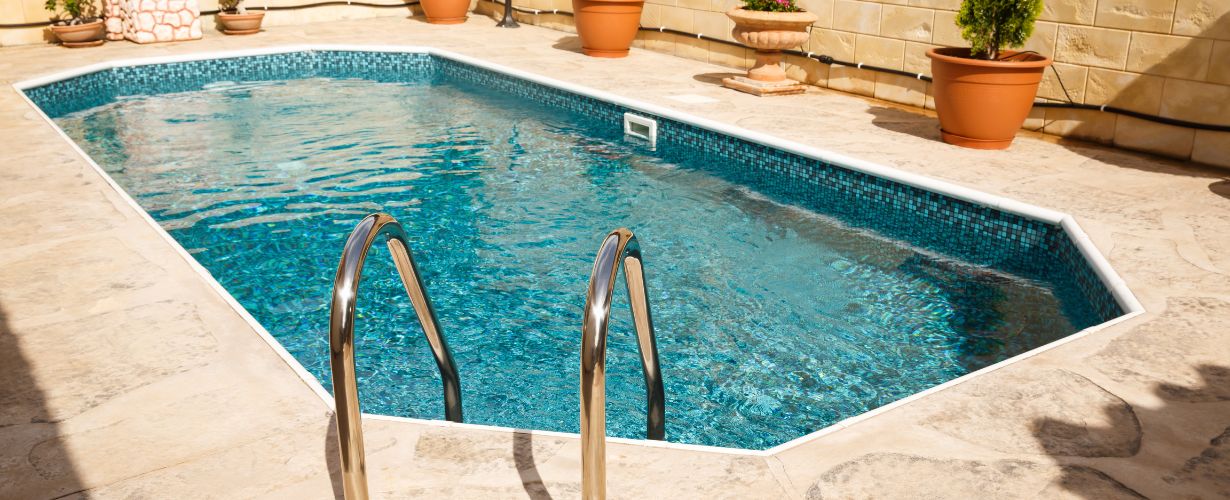
Before a single piece of heavy machinery arrives at your home, a professional builder needs to understand what is happening underground. This is called soil analysis or a site evaluation.
Think of your pool like a massive concrete ship. If you place that ship in a stable, solid harbor, it stays perfectly still. But if you place it in a swamp or on top of shifting sand dunes, it is going to move. A pool shell is incredibly heavy weighing tens of thousands of pounds and it needs a floor that can support that weight without shifting.
In our region, the ground can vary wildly. One neighbor might have a yard full of sturdy, compact dirt, while the person next door might have a yard sitting on a high water table or loose sugar sand. By testing the soil first, we can create a custom engineering plan. This ensures that your pool is built to handle the specific pressures of your backyard, making sure it stays level and crack-free for decades.
If you live in a coastal or southern region, there is a very high chance your backyard is mostly sand. On the surface, sand seems like a builder’s best friend because it is very easy to dig through. You don’t have to worry about giant roots or heavy rocks as often. However, sand presents its own set of hidden challenges.
The biggest issue with sand is that it doesn’t like to stay in one place. When we dig a deep hole for a pool, sandy walls have a tendency to crumble or cave in during the excavation process. To fix this, professional crews use specialized techniques. We might use shoring to hold the walls up or spray a thin layer of concrete (called a starter coat) to keep the shape of the pool while we install the steel rebar.
On the bright side, sand has excellent drainage. When a heavy rainstorm hits, sandy soil allows the water to soak through and move away quickly. This is great for your pool because it prevents water from pooling up around the structure and causing soggy spots in your yard.
Clay acts like a giant sponge, expanding when wet and shrinking when dry. This expansive nature creates thousands of pounds of force against your pool walls. Over time, this constant movement can lead to shifting or spider cracks if the foundation isn’t properly engineered.
To build safely in clay, we must be smarter than the soil by utilizing these specialized techniques:
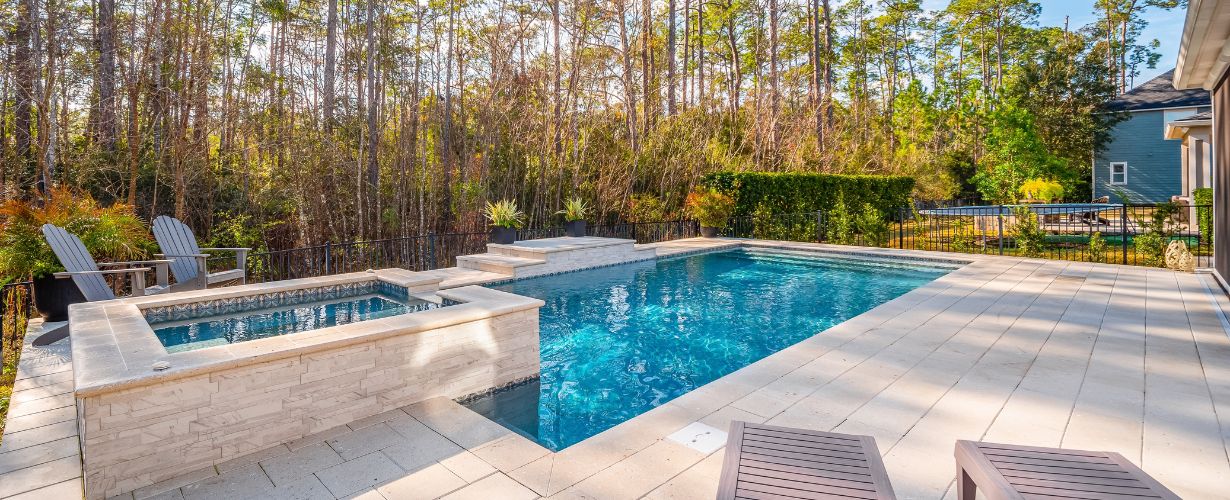
Have you ever tried to dig a hole at the beach? Usually, after you dig down a foot or two, the bottom starts to fill with water. That is the water table the level where the ground is completely saturated with water.
In many areas, the water table is very high, meaning there is water sitting just a few feet under your lawn. This creates a physical force called hydrostatic pressure. Think of it like a basketball being pushed underwater in a swimming pool; the ball wants to pop back up to the surface. If the water table rises after a big storm, it can actually try to float your pool right out of the ground!
We prevent this using clever engineering. We install hydrostatic relief valves in the bottom of the pool. If the pressure outside the pool becomes too high, these valves allow a tiny bit of groundwater into the pool to balance the weight, or we install a sump line to pump the water away from the shell. This keeps your pool safely anchored in the ground where it belongs.
In some cases, the ground isn’t just sandy or clay filled it’s actually soft. Often found in areas that were once wetlands or near lakes, builders call this muck or organic soil. Because it is made of decomposed plants and roots, it lacks the density to support a heavy concrete pool, which could lead to sinking or tilting over time.
To ensure a stable build in these delicate areas, we employ the following specialized strategies:
While some people have soil that is too soft, others have the opposite problem: the ground is as hard as a diamond. In certain areas, we might hit solid limestone or bedrock just a few feet down.
Hitting rock is actually good news for the stability of your pool. A pool built on solid rock is never going to move! However, it does require a lot of extra work. Instead of a standard excavator, we have to bring in beasts heavy machines with giant jackhammers to break through the rock. This can be a loud and slow process, but the result is a pool foundation that is basically part of the earth’s crust. It is the most stable foundation you could possibly ask for.
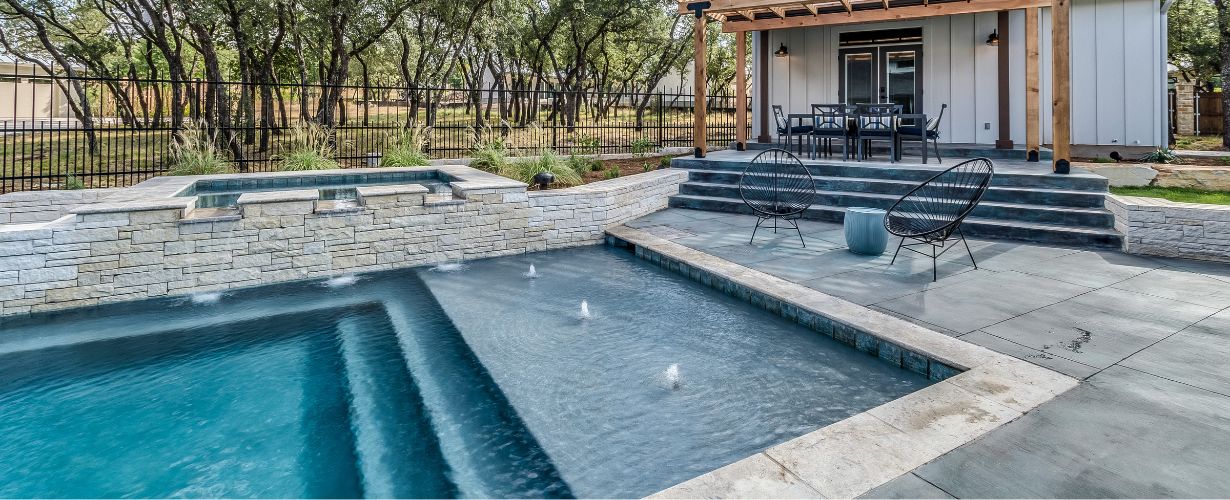
The soil doesn’t just affect the pool shell; it also affects everything around it, like your pavers, your pool deck, and your outdoor kitchen.
When we dig a hole, we move a lot of dirt. Even when we put dirt back in (called “backfilling”), that dirt is now fluffy and full of air. If you lay your beautiful stone pavers on top of fluffy dirt, they will sink and become uneven within a few months.
This is why compaction is so vital. We use heavy, vibrating machines that stomp the dirt down until all the air is gone. We often do this in layers, adding a few inches of dirt, compacting it, and repeating the process. This ensures that your pool deck stays perfectly flat and beautiful for years to come.
It is important to be realistic: the dirt in your yard can change the cost and the schedule of your build. A clean dig in perfect soil is much faster than a dig where we have to pump out groundwater or jackhammer through limestone.
However, the soil phase is not the place to try and save money. Cutting corners on the foundation is the biggest mistake a homeowner can make. Spending the time and money to handle your soil correctly at the start is actually a huge investment. It prevents settlement issues that can cost tens of thousands of dollars to fix later. When you work with a professional team like Epic Watershapes, we provide an honest assessment so there are no surprises.
Building the pool is only half the battle; the other half is making sure the water goes where it’s supposed to. Soil type dictates how we design your yard’s drainage. If you have soil that doesn’t drain well (like clay), we must be proactive to keep the ground around your pool stable and prevent the area from becoming a muddy mess.
To protect your landscaping, pool, and home foundation, we utilize these essential drainage solutions:
Soil might not be the most glamorous topic when it comes to pool shopping, but it is truly the foundation of your fun. By understanding the sand, clay, rock, or water under your grass, you are making a smart decision as a homeowner.
When you choose Epic Watershapes, you aren’t just getting a pool; you are getting the peace of mind that comes with expert construction. We handle the dirty work underground so that you can focus on the crystal clear water above.
Contact us today for a site consultation, and let’s see what’s possible in your backyard!
Get Your Custom Pool & Spa Quote
Free 3D design and Financing options.