
Building a pool in South Florida is a common project because of the warm weather. Most people start by looking at a base price for the pool shell. However, the number on the initial quote is almost never the final price. There are many extra steps and site conditions that change a budget.
Planning to build requires looking at more than just the water and the tile. The ground, the local laws, and how the yard will work once the project is over all play a role. Being prepared for these costs makes the process easier to manage.
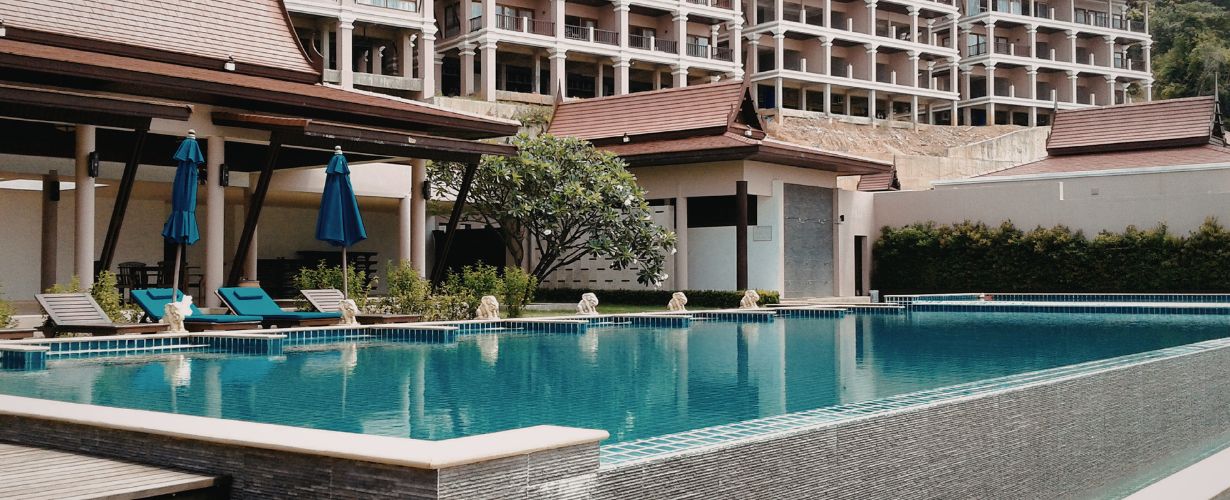
In South Florida, the ground is unpredictable. One yard might have soft sand while the neighbor has solid coral rock. When a crew starts digging, they might hit that rock. There are a few things that happen underground that change the price:
Every city in South Florida has its own building department with different rules. Getting a permit is not a simple application. Several administrative costs must be accounted for:
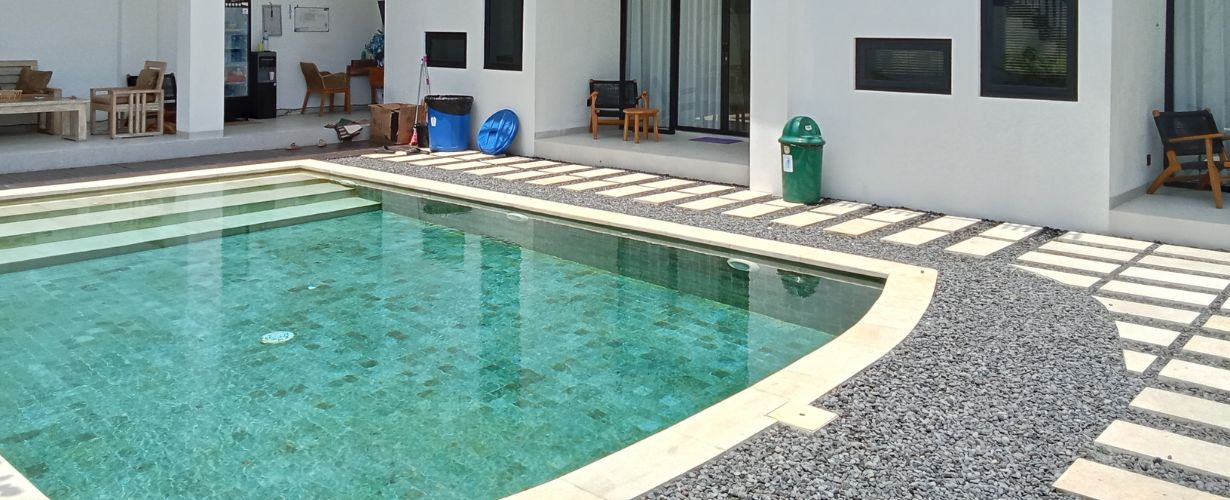
The area around the pool is just as important as the water. A basic concrete deck is the cheapest, but many people prefer pavers or natural stone like travertine. These materials do not get as hot in the sun.
The movement of rain is also a factor. Heavy storms dump a lot of water. If the deck does not have a proper drainage system, that water could end up inside the house or flooding the porch.
Florida has strict laws about pool safety to prevent accidents. Every new pool must have a safety barrier. This is rarely included in the price of the pool shell.
A pool uses a lot of electricity. Between the pump, the lights, and a heater, a home’s electrical panel might get overwhelmed. If the current panel is old or full, an upgrade is necessary. This might mean adding a sub-panel or upgrading the entire service from the power company.
While Florida is hot, pool water can be too cold to use in the winter without a heater. Adding a heat pump is a significant expense. Saltwater pools are also a choice, but they cost more to install than a basic chlorine system. Deck materials must be compatible with salt so the stone does not wear away over time.
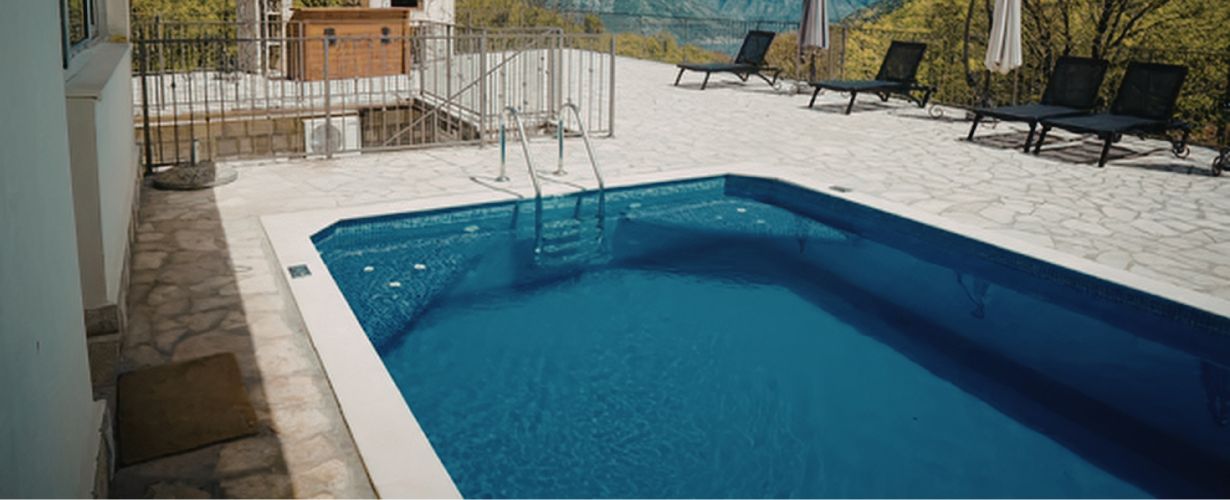
The look of the water depends on the finish inside the pool. Standard white plaster is the most affordable, but it is also the most likely to stain or show wear over time.
Adding a pool changes the risk profile of a property, which impacts homeowners insurance. Insurance companies often view pools as an “attractive nuisance,” meaning they can attract children or guests even when the owner is not present. This leads to a few common insurance-related costs:
Construction is a messy process. By the time the pool is done, the yard will need work to look normal again. Budgeting for these restoration costs is helpful:
A successful pool project depends on realistic expectations from the start. Taking a total estimate and adding 10% as a safety net covers the unpredictable nature of excavation and site work. Reviewing completed projects helps in understanding why specific pool construction phases, such as underground work and equipment choices, are necessary for a long-lasting result.
The choice of a builder also impacts the number of extra costs. A quote that seems low may leave out essential items like permits, dirt hauling, or basic electrical work. Understanding the most expensive parts of installing a pool allows for a more accurate comparison of different proposals. A pool should be a place for relaxation, and being informed about these hidden costs ensures the project stays on track and within a manageable budget.