
Hurricane season brings strong winds, heavy rain, and flying debris. The good news is that protecting your pool is not complicated. With a clear plan and the right steps, you can reduce damage, prevent costly repairs, and make cleanup much easier after the storm passes. Your pool is a large investment, and without proper preparation for the season, like a hurricane, a storm can cause serious damage.
While many homeowners focus on windows and roofs, the swimming pool is often forgotten; this is the biggest mistake that owners make. Here is a simple guide that explains everything in simple words that can help you protect your luxury pools.
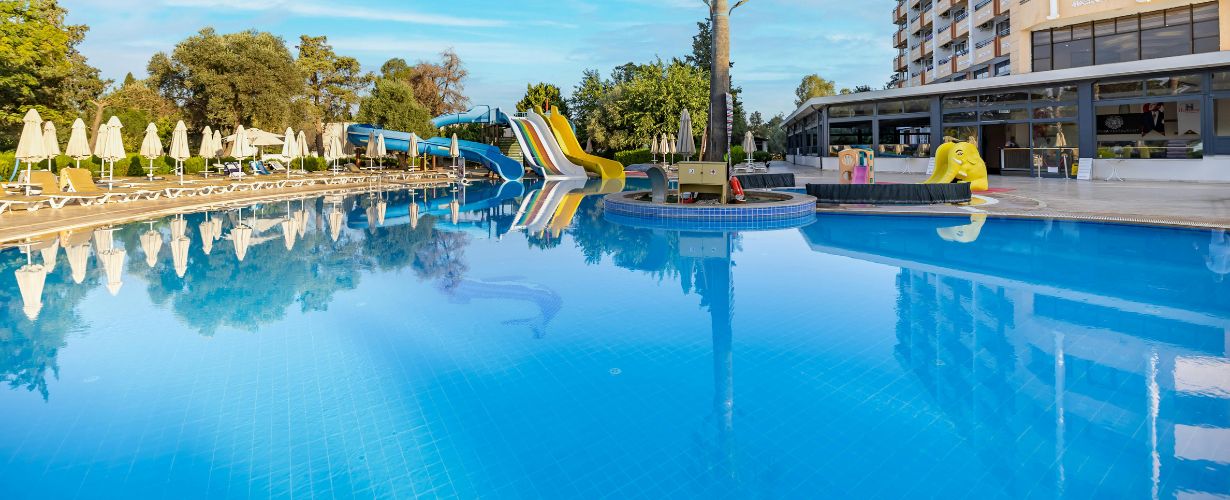
A swimming pool is designed to hold water; it can manage everyday use. A pool is strong enough for normal weather. But extreme storms with strong winds and heavy flooding can cause serious damage.
During a hurricane, your pool may face:
When a heavy storm comes, without preparation, some issues can arise, such as broken pumps, algae growth, cracked surfaces, or expensive electrical damage that is very costly. Taking time to prepare before a storm can save you thousands of dollars and a lot of stress.
The first step in preparing your pool is to monitor weather reports. Do not wait until the last minute. Waiting until a warning is issued may not give you enough time to prepare. As soon as a hurricane watch is announced for your area, begin preparing your pool. Early preparation gives you:
Planning ahead is always the smarter choice that can save further repair costs.

One of the biggest mistakes homeowners make is draining their pool. The water in your pool helps hold it in the ground. It may seem smart to drain your pool to prevent overflow, but this can cause serious structural damage. Without water, a pool can:
Keeps your pool filled to its normal level, not filled fully, which causes overflow at the time of a storm.

Your pool should be as clean as possible before the storm arrives. Starting with a clean pool reduces bacteria growth, algae problems, and contamination if the power goes out. If debris is left in the water before the hurricane, it will only make things worse afterward. Take time to:
While in the case of heavy rain, it changes your pool’s chemical balance. Before the storm arrives, you must test and adjust the pH levels and chlorine levels, and alkalinity. You can also add some extra chlorine tablets and algaecide. This helps to protect the water in case your system is down for several days.
In case heavy rainfall is expected, you may lower the water level slightly. There are some important guidelines:
Lowering it slightly can help prevent overflow, but too much draining can cause damage. When you are unsure, then consult a pool professional.
It is important as the storm approaches to protect your equipment by shutting it down properly. Turn off:
Then switch off the breaker that controls the pool equipment. This protects your system from electrical surges and water damage.
The most important is the heart of the pool, which is your pump and filter system. These parts are expensive and sensitive to flooding. If flooding is expected or possible:
Make sure the equipment covers are tightly secured so they don’t blow away.
Remove all the loose items that are lightweight that can become dangerous during strong winds. It can damage your pool tiles. Move these items indoors or into a garage. Before the hurricane arrives, store or secure:
Flying objects can damage your pool surface, break screens, or harm your home. Bringing those items inside your home is always safest.
During a hurricane, it is usually not recommended to cover your pool. Many homeowners think covering the pool is smart during a storm. Strong winds can:
A damaged cover can create more problems than. Leaving the pool uncovered is usually the better choice.
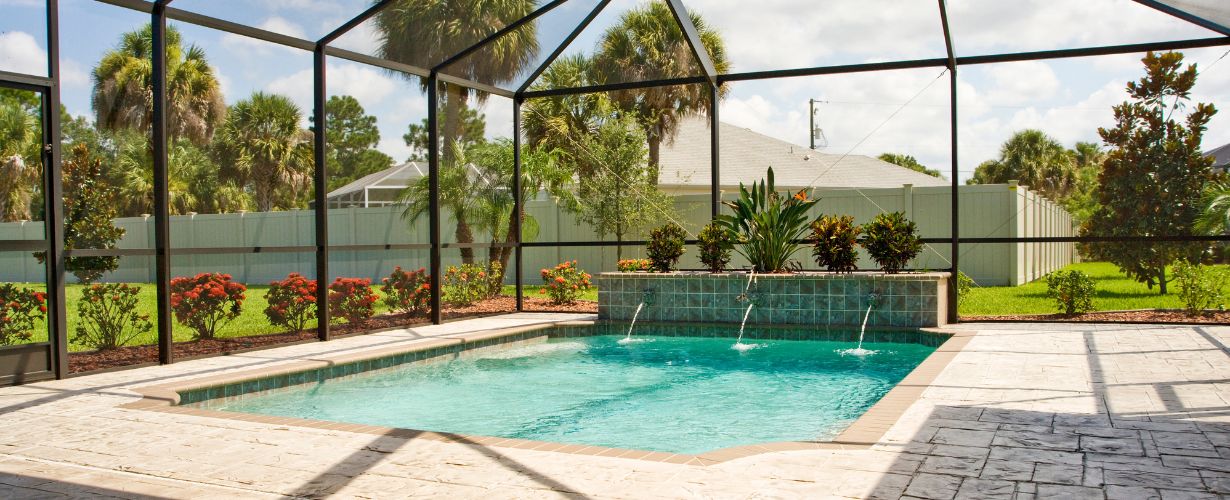
If your pool has a screen enclosure, inspect it before the storm. Look for:
High winds can easily tear screens. Some homeowners choose to remove panels to reduce pressure buildup. A professional can advise if that is necessary.

Safety should always come first. Your personal safety matters more than anything else. Once the hurricane begins:
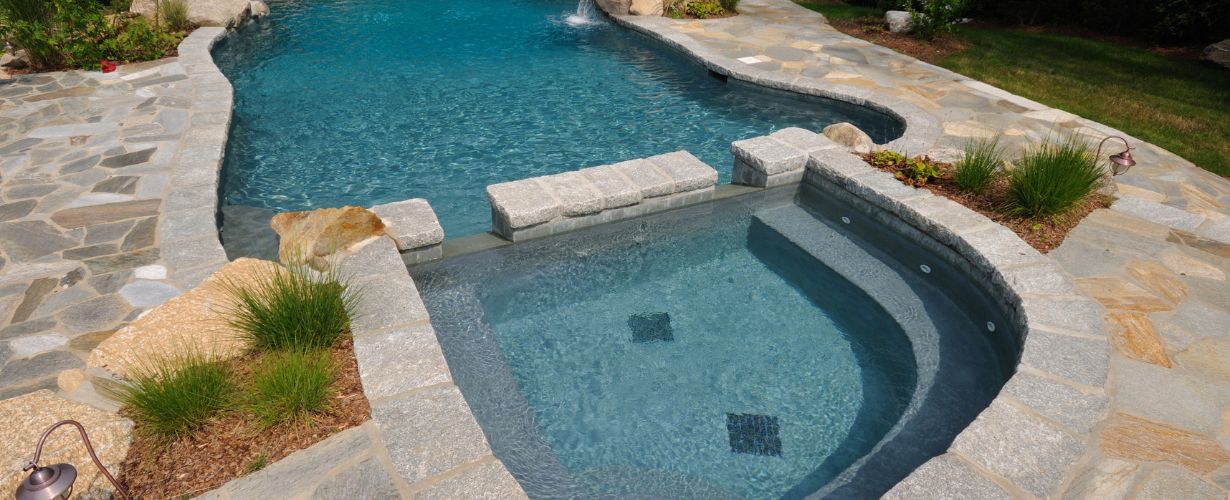
After the storm stops and the sky is clear, when it is safe to go outside, then begin with a careful inspection. Check:
After that, look for cracks. Loose wires or standing water near equipment. If equipment was underwater, do not turn it on until inspected by a professional.
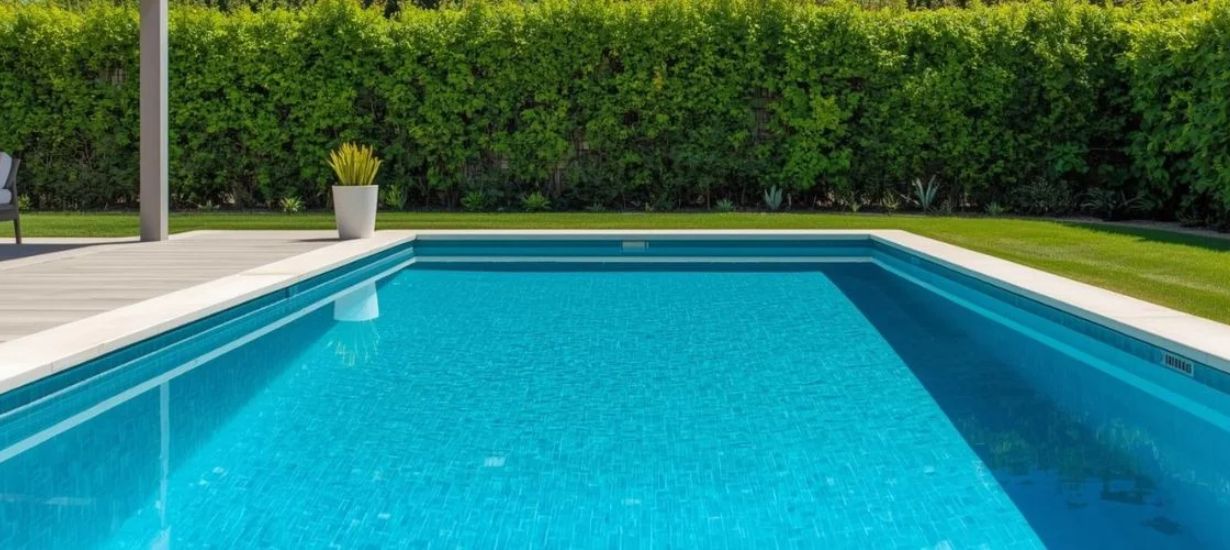
And now begin with cleanup by removing large debris first. Removing large debris protects your filtration system. Use a leaf net to remove:
After removing that, brush and vacuum your pool thoroughly. It takes time to clean up. Strong rain dilutes chemicals and contaminants into the water. After cleanup:
Cloudy water is common after storms, but proper balancing will clear it up.
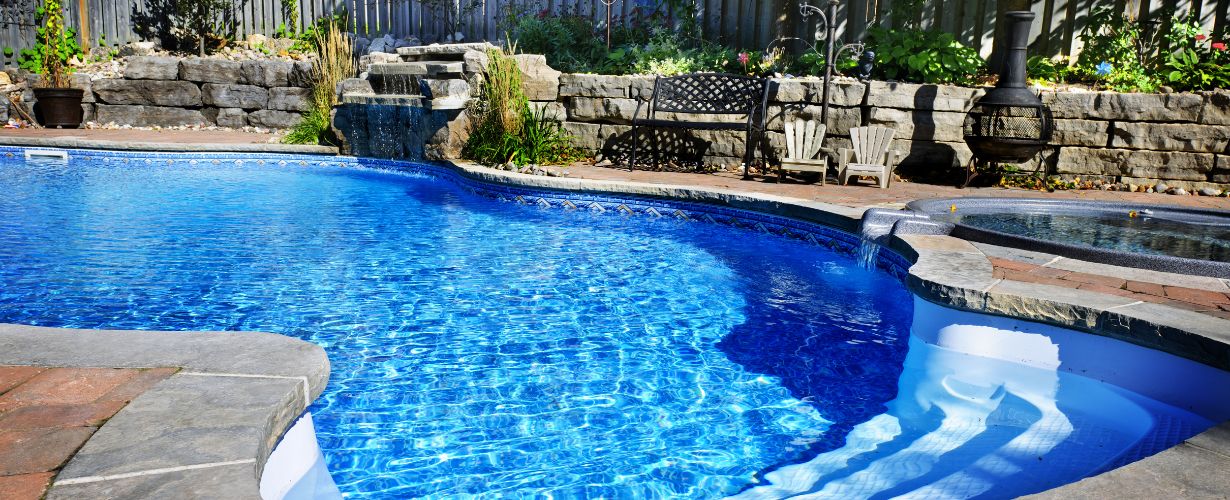
Turn systems on slowly and monitor performance. Before turning anything back on:
If something seems wrong, turn it off for your safety and call a professional. Professional help ensures proper repairs and safe swimming conditions. Not to handle it alone, and call a professional if:
Some hidden damage is not easy to see. A professional inspection ensures safe conditions and protects your investment.
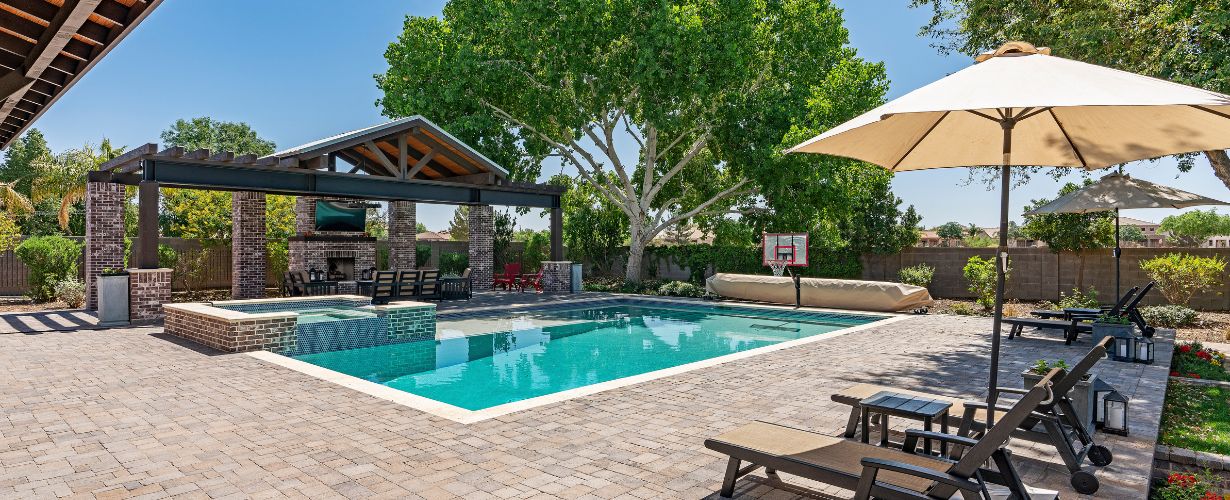
Before hurricane season begins, take photos of the pool structure, equipment, screen enclosure, and deck area. If any damage happens, having pictures before the storm makes insurance claims easier and is a smart move. Keep receipts for repairs and professional services as well.
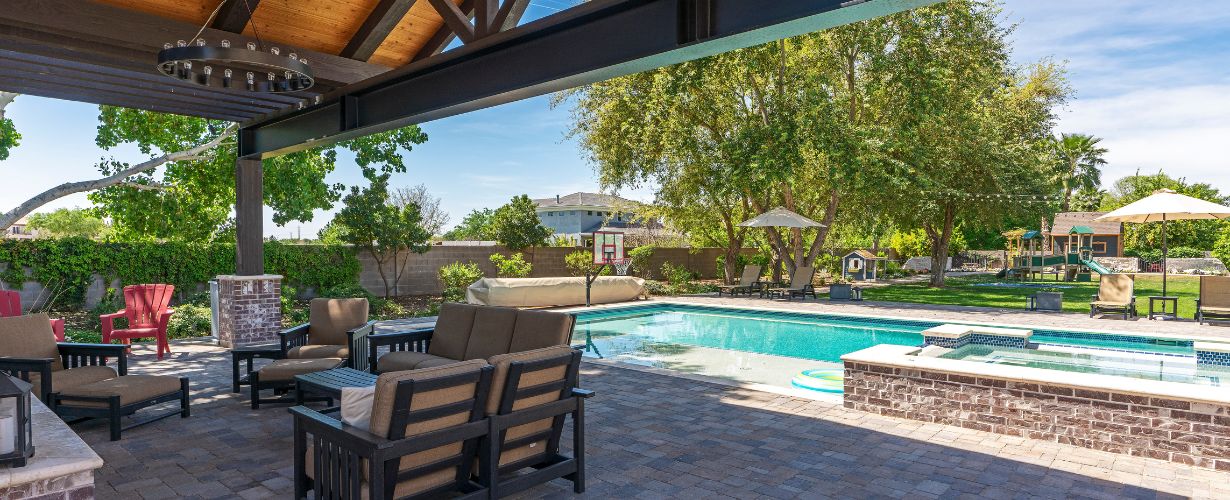
Here is a quick preparation checklist you can follow:
Keep this list saved for every hurricane season.
Hurricane season doesn’t have to mean disaster for your pool. With simple preparation steps and quick action, you can protect your investment. Preparation is always easier and less expensive than repairs.
If you need help preparing your pool for repairing or remodelling after one, our professional team is here to help. We provide inspections, storm preparation services, cleanup, equipment repair, and full water balancing.
Stay safe, stay prepared, and let your pool weather the storm the right way.