
Owning a pool in Florida is great. The warm weather makes it easy to swim most of the year. Families spend more time outside, and weekends often turn into fun pool days.
But Florida also gets heavy rain. Summer storms can arrive quickly and bring a lot of water. When drainage around the pool is poor, rainwater can collect in the yard or on the pool deck. The grass becomes soggy, and puddles start to form.
When a pool is built, the yard layout changes. Soil is replaced with concrete or pavers, which affects how water moves through the space. If drainage is not planned properly, flooding and yard damage can happen over time. The good news is that these issues can often be fixed or prevented during pool resurfacing, remodeling, or new construction projects. Proper drainage helps protect both the pool and the surrounding yard.
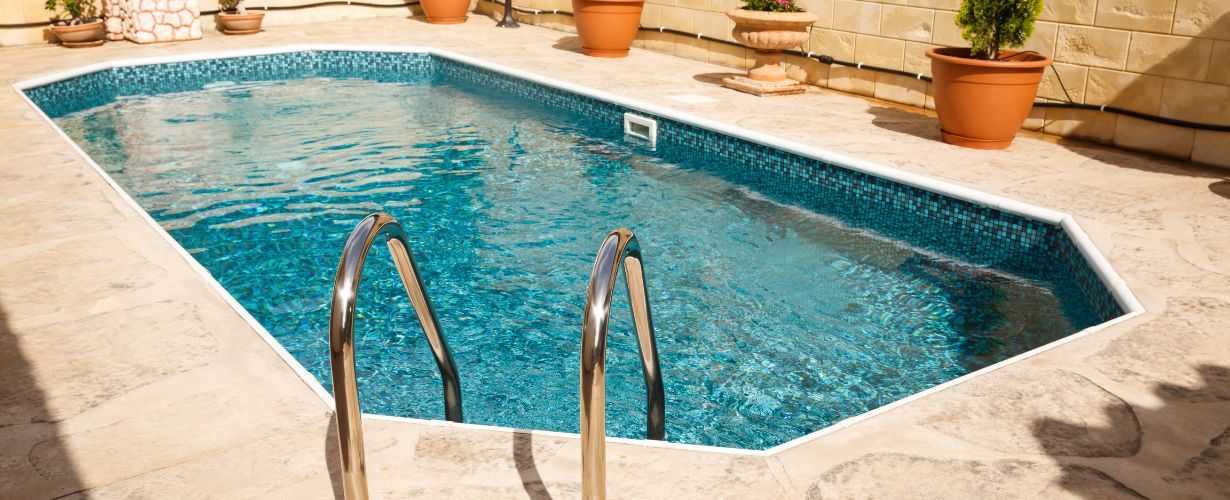
Florida gets a lot of rain every year. Some storms drop several inches of water in a short time. If that water cannot move away from the pool area, standing water can cause several problems.
Proper drainage helps prevent all of these problems.
Drainage problems often begin small, and many homeowners notice them slowly over time. Paying attention to early signs can help prevent bigger problems like deck damage or yard flooding.
Here are some common signs to watch for:
Spotting these signs early can help homeowners fix drainage problems before they lead to bigger damage around the pool and yard.
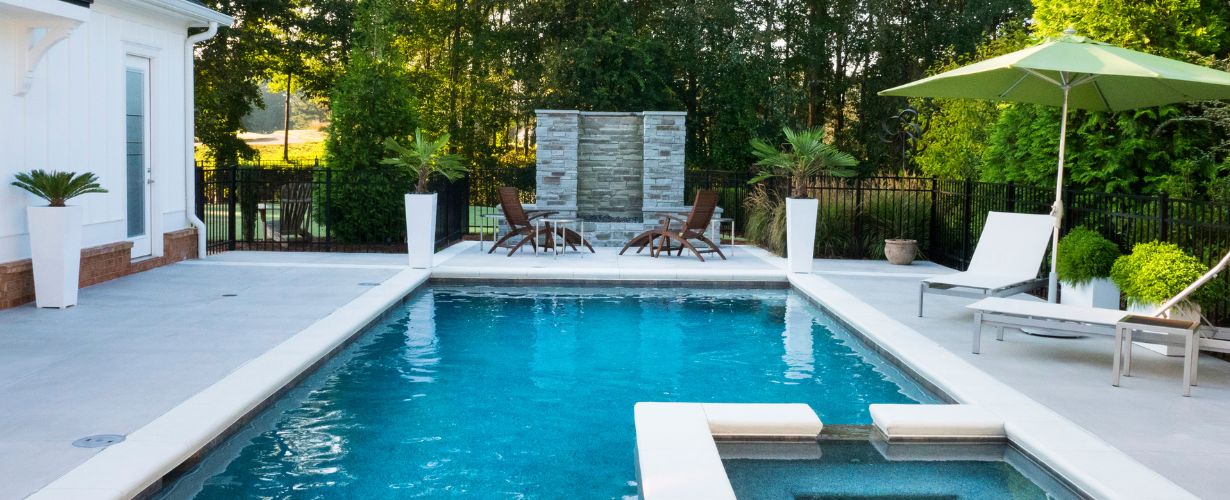
Installing a pool completely changes how water moves through a yard. Before construction, rainwater may soak into the soil or slowly run across the grass. Once the pool and deck are built, large areas become solid surfaces. Concrete, tile, and pavers do not absorb water the same way soil does. If the surface slopes in the wrong direction, water can move toward the pool or collect in low spots.
Modern pool builders plan drainage during the design stage. They shape the yard and deck so water moves away from the pool. If you are planning to build a new pool, working with an experienced team can help ensure the construction and drainage are designed properly from the start.
The pool deck plays a major role in managing rainwater. A well-built deck has a slight slope that directs water away from the pool. The change in height may be small, but it is enough to guide water toward drainage areas.
When decks are installed incorrectly, water can collect in the center or flow toward the pool shell. During a pool remodeling project, contractors often adjust the deck slope. Even small corrections can greatly improve drainage.
Some modern deck designs also include built-in drainage; it helps to move water quickly. This helps keep the deck dry and reduces the risk of flooding. If you’re considering upgrading or remodeling your pool deck, we offer services to ensure it is designed and installed for proper drainage.
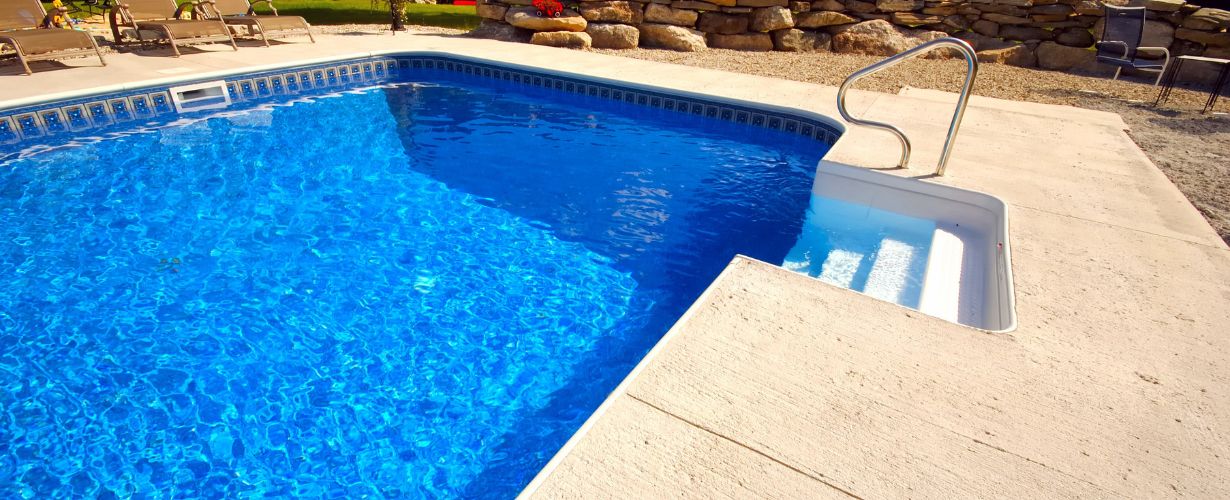
Pool remodeling projects often involve more than just new tiles or finishes.
Homeowners may add features like tanning ledges, spas, or expanded patios. When these upgrades happen, contractors have a chance to evaluate the entire yard layout. This is the perfect time to improve drainage. The soil around the pool can be regraded so water flows away from the structure. Low spots in the yard can be raised or reshaped.
By combining remodeling with drainage improvements, homeowners can solve long-standing water issues while also upgrading the pool’s appearance.
The type of deck material used around a pool also affects drainage. Concrete is common because it is durable and affordable. When installed with the proper slope, it can direct water effectively.
Pavers are another popular choice in Florida. They have small spaces between each stone. These spaces allow water to seep through rather than running across the surface.
Choosing the right material during construction or remodeling can improve drainage and reduce maintenance.
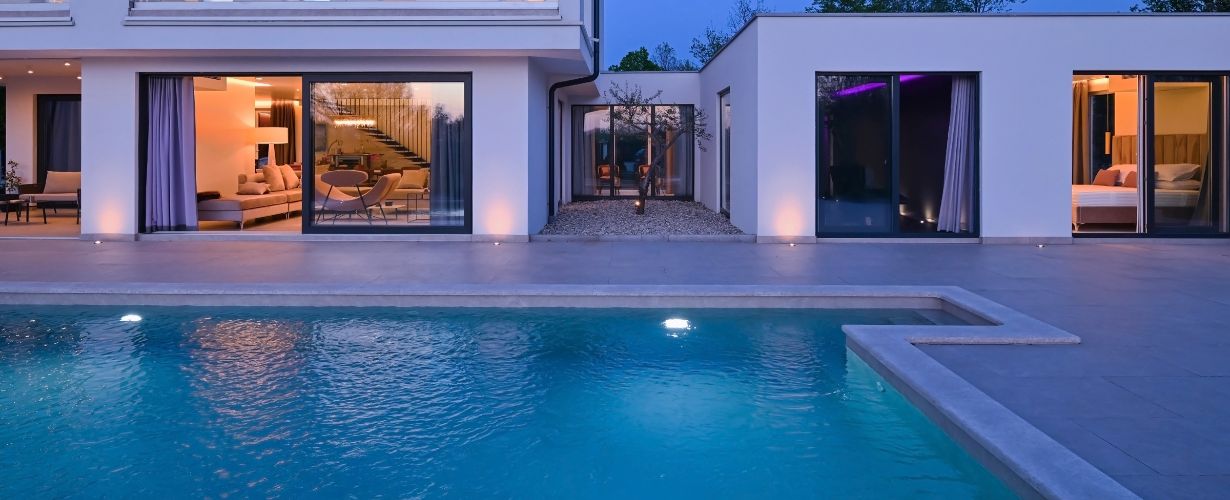
One of the biggest reasons to manage drainage is to protect the pool itself.
Too much water around the pool shell can weaken the surrounding soil. When soil becomes saturated again and again, it may begin to shift. This movement can affect the deck.
In severe cases, it may even cause cracks in the pool surface. Directing rainwater away from the pool keeps the soil stable and prevents long-term structural issues. Even small improvements in drainage can make a big difference over time.
Florida pool owners know storms are part of life. Preparing the pool area helps prevent flooding and damage. One simple step is keeping drains clean. Leaves, dirt, and small debris can block drainage systems. Regular inspections of the pool deck are also important.
Taking care of these issues early can save time and money.
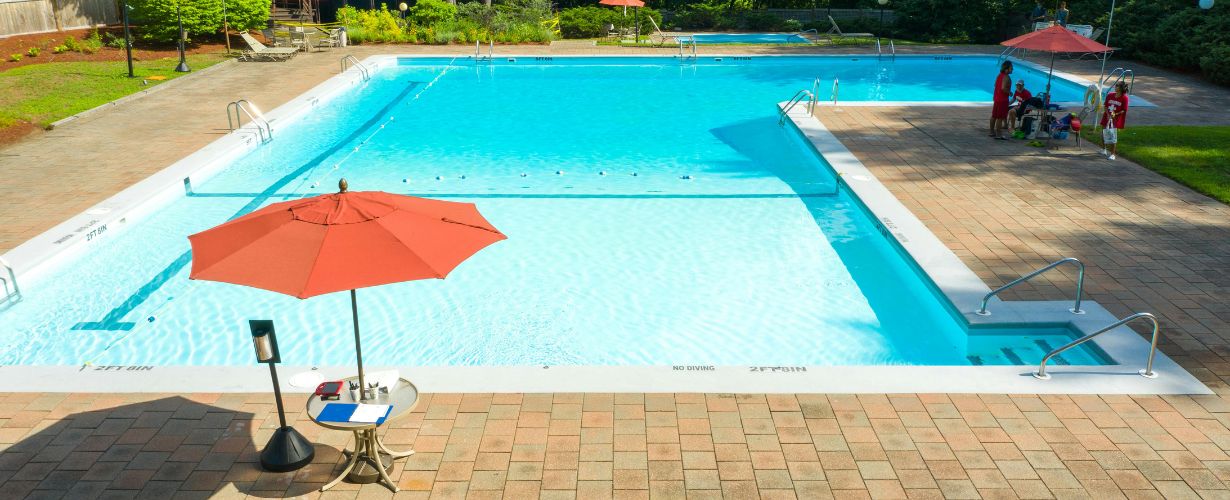
A beautiful pool is more than just water and tiles. It is a space designed to work with the local environment. In Florida, that means planning for both sunshine and heavy rain. Proper drainage keeps the pool area safe, clean, and comfortable. It protects the yard, the deck, and the pool structure.
Upgrades like resurfacing, remodeling, and smart construction choices help control how water moves through the space. With the right design, a pool can handle Florida storms while still looking great year after year.
Pools are one of the best features a Florida home can have. They bring people together and create a relaxing place to enjoy the outdoors.
But water management should never be ignored. Without proper drainage, rainwater can cause flooding, damage landscaping, and weaken pool structures.
Fortunately, there are many ways to prevent these problems. Improvements made during resurfacing, remodeling, or new construction can guide water away from the pool and protect the yard.
For help and pool services, our team is ready to help with your project.