
Step into your backyard right now with a tape measure.
Stretch it forty feet. Then thirty. Then twenty-five.
Each measurement tells a different story about how your family will actually use the space.
The pool industry thrives on ideas and visions—smooth curves on a screen, waterfalls perfectly looping in CGI, and brochures boasting numbers like, “A 750-square-foot oasis awaits.” Impressive, right?
But those numbers don’t mean much until you see what you’re giving up.
Here’s what the glossy magazines won’t show: the trampoline that had to go, the garden your spouse spent years growing, the open lawn where the kids played soccer, or the fire pit that now waits for “someday, after the pool.”
A pool isn’t just an addition—it’s a trade.
And the families who truly love their pools years later? They’re the ones who understood that trade before they ever broke ground.
From Palm Beach Gardens to Celebration, many South Florida neighborhoods are full of pools that looked perfect on paper but didn’t quite work in real life.
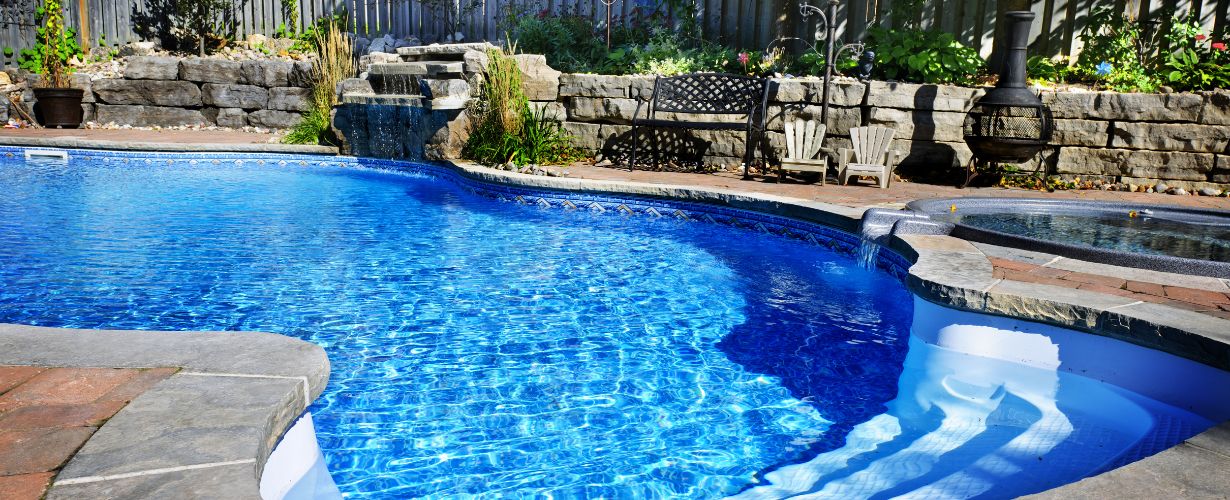
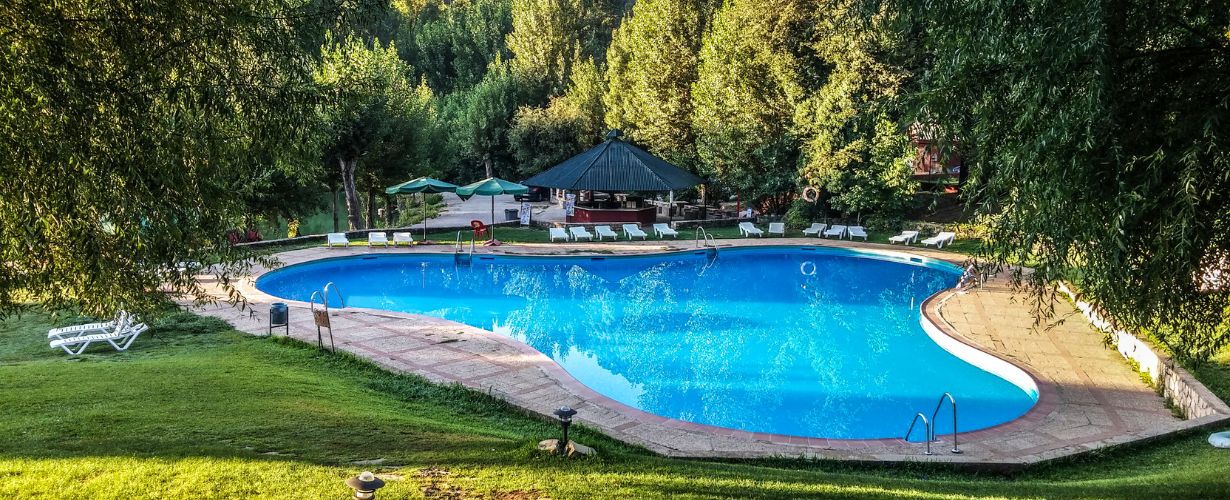
There’s the huge lagoon on a Palm Beach quarter-acre lot, leaving no space for outdoor chairs. The resort-style pool in Parkland that meant saying goodbye to mature landscaping. Or the Palm Beach Gardens renovation where the pool took up so much yard space that family gatherings had to move indoors.
These aren’t mistakes in construction—they’re mistakes in scale.
What really matters is this: a well-designed 400-square-foot pool can bring more everyday enjoyment than a poorly planned 700-square-foot showpiece. It’s not about size—it’s about how well the pool fits your space.
Before you start measuring, picture a regular Saturday in July.
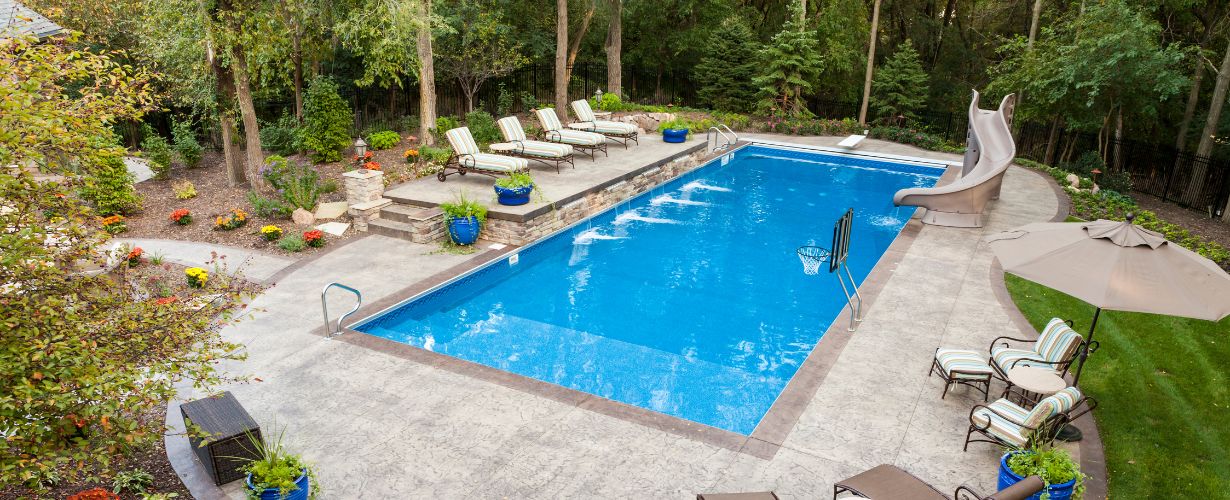
Not the perfect, picture-book version where you’re doing morning laps like a pro. The real one: kids diving and cannonballing, your spouse lounging on a float with a book, and friends chatting into the evening, drifting between the pool and the patio.
If Lap Swimming Is Important
Then length matters more than width. A lap pool works well at 8–10 feet wide, but you’ll want 30–40 feet of uninterrupted swimming. Anything shorter means more turns than actual strokes, and that changes the whole experience.
Lap swimming is all about rhythm. Every interruption breaks it. So, if fitness is your main goal, focus on length—even if it means giving up some width.
If Young Children Will Use the Pool
Shallow areas are far more important than overall size when kids are involved. A pool with a wide sun shelf or tanning ledge—usually 9–12 inches deep—gives little swimmers a safe place to practice while parents stay close. You don’t need an Olympic-sized pool; you just need safe, accessible spots that let your family grow comfortable in the water.
If Entertaining is Key
Focus on how people move around the pool, not just how many can fit. A pool that’s too big can make gatherings feel empty or disconnected. But a thoughtfully designed pool with built-in spa seating, shallow lounge areas, or swim-up ledges naturally brings people together. The best moments happen in these easy-access areas, not the deep end.
Most homes in West Palm Beach, Palm Beach, and nearby South Florida areas have lots between 6,000 and 12,000 square feet. Every property is different, but one guideline works well everywhere:
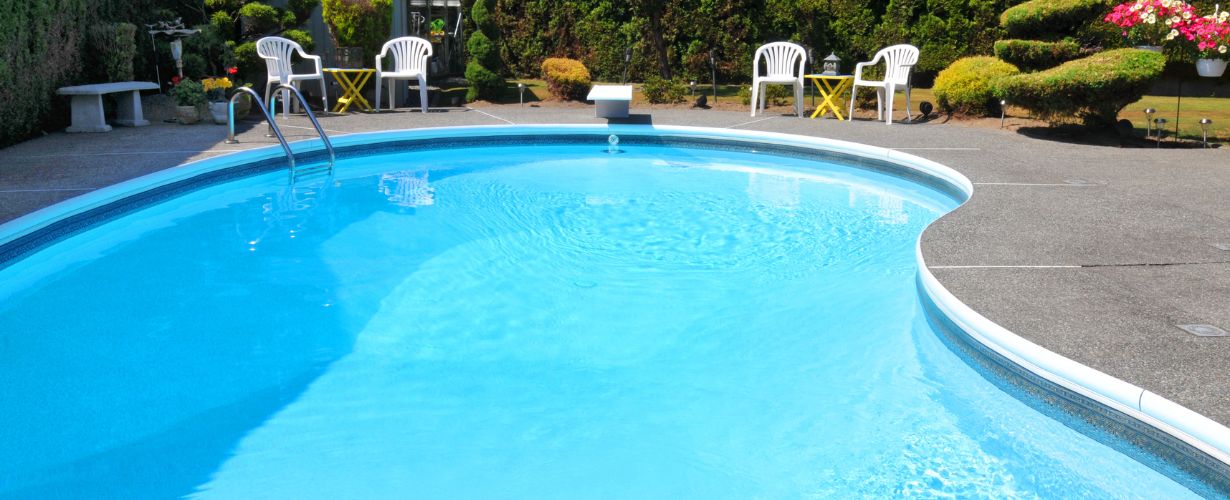
Your pool should take up about 20–30% of your backyard.
This isn’t random. It’s about keeping a good balance. You want enough space to move around the pool, place lounge chairs comfortably, set up a grill or outdoor kitchen, create safe pathways for kids, and include landscaping that makes your yard feel open and inviting instead of crowded.
Here’s a helpful guide based on backyard size:
These numbers aren’t strict rules—they’re just a starting point to avoid the most common mistake: building a pool so big it takes over the yard instead of enhancing it.
This is where planning gets technical—and why mistakes can get costly.
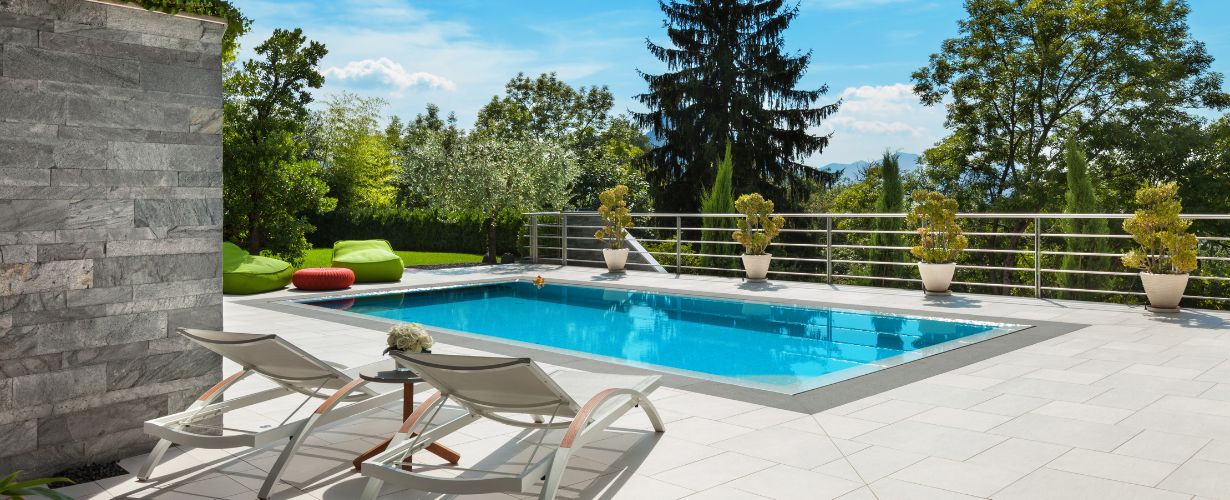
In most Florida communities, pools must be placed a certain distance from property lines, usually 5–10 feet depending on local rules and neighborhood guidelines. This means the space you can actually use is often much smaller than your lot size might suggest.
Other factors that limit where you can build include:
What seems like a large backyard on paper can shrink a lot once these rules are considered.
Experienced pool designers first map out the area where building is allowed, then create the design to fit within those limits. This avoids the frustration of having plans rejected or needing major changes during construction.
A pool is more than just a place to swim—it’s a key part of your backyard’s look. The same pool that fits perfectly in a large Parkland estate might feel too big for a cozier Palm Beach Gardens yard.
Think about how the pool will look from inside your home. If your kitchen or main living areas face the backyard, will the pool enhance the view or block it?
The best pool designs feel balanced. They catch the eye without taking over the space. They leave room for plants, patio areas, and open space—the “breathing room” that makes a backyard feel planned, not crowded.
Remember: how a pool fits your space visually is just as important as its actual size.
Most homeowners focus on enjoying their pool now, not on how it might affect future buyers. Summer fun and family memories take priority.
However, data shows that pools taking up more than 30% of the yard can make selling harder for some buyers. Families with young kids, pet owners, or those who want other outdoor features might see a very large pool as a drawback rather than a benefit.
On the other hand, pools that fit well within the yard and are part of a complete outdoor living space usually increase a home’s value. The key isn’t the pool itself—it’s leaving enough usable backyard around it.
You don’t need to design your pool for future buyers, but keeping size and budget reasonable usually helps maintain the property’s value.
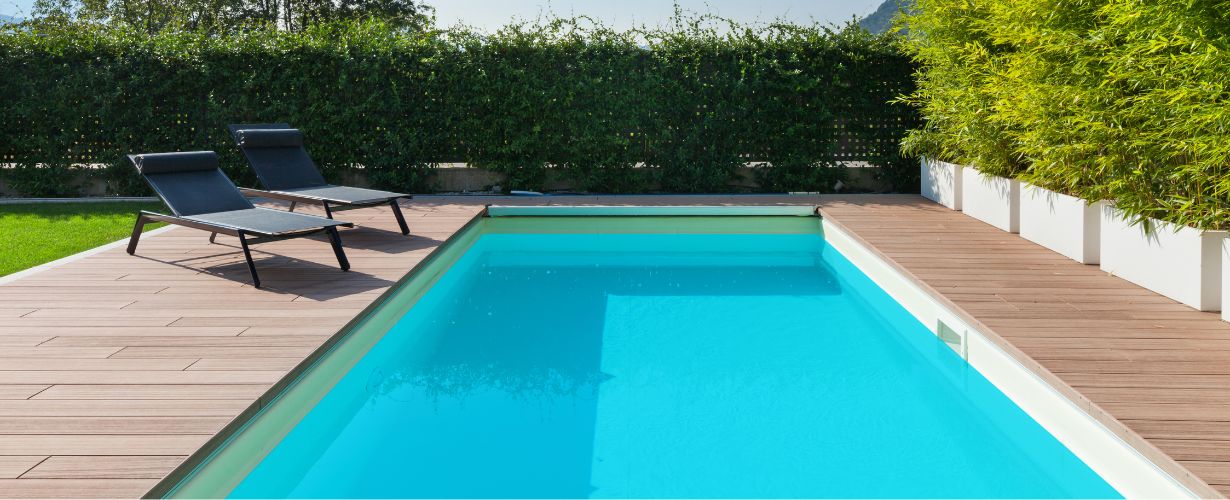
The cost of building a pool increases with its size, but not in a perfectly straight line. For example, a 600-square-foot pool won’t cost exactly twice as much as a 300-square-foot pool, though the difference is still noticeable.
Current South Florida price ranges:
These prices cover basic pool construction. Adding custom touches like waterfalls, built-in spas, high-end finishes, or special lighting can make the cost go up a lot.
It’s also important to remember ongoing costs. Bigger pools use more chemicals to keep water balanced, need more energy for pumps and heating, and require more time or professional help for maintenance.
So, a pool that’s 20% bigger doesn’t just cost 20% more to build—it usually costs 20–30% more each year to run.
Try this simple exercise—it can completely change how you see your future pool.
Grab some string or bright-colored spray chalk and mark the pool’s outline on the ground. Don’t forget to include the deck space around it, not just the water area.
Now, walk around the perimeter. Sit where you’d put lounge chairs or a table. Imagine how people will move around, and picture your kids running and playing nearby.
This hands-on test usually leads to changes. You’ll quickly see how much space is left for other activities, which trees or garden areas might need to go, and whether the area feels open or cramped.
What looks fine on paper often feels very different when you experience it in real life. And if it feels tight while doing this exercise? It will feel even tighter once the pool is built.
Choosing the right pool size is tricky because what works today might not fit your life years from now. A pool perfect for a family with young kids might feel too small during high school graduation parties. A pool that suits a couple in their forties could feel overwhelming once the kids leave and upkeep becomes harder.
There’s no one-size-fits-all answer. The best approach is practical: plan for how you live now, while keeping in mind how your life might look in the next five years—not twenty, not some far-off, uncertain future.
A pool designed for today and the near future is a pool that gets used, enjoyed, and loved—not one that just sits there, needing constant maintenance.
Different neighborhoods in South Florida take different approaches to pool design.
In established Palm Beach areas with large, mature lots, pools usually take up only a small part of the yard. This leaves plenty of space for gardens and outdoor entertaining. The focus is on balance, proportion, and making the pool feel naturally integrated into the landscape.
In newer Boca Raton or Delray Beach communities, where lots are smaller, pool designs are all about making the most of the available space. These pools often include vertical features and clever layouts to maximize water space while keeping outdoor living areas functional.
Neither style is “better”—each fits its surroundings. The right pool size for your home should match your lot’s unique features, not a one-size-fits-all idea.
The perfect pool size isn’t something you figure out with formulas or industry rules.
It comes from looking honestly at how your family really lives. How you’ll actually use the space on a typical Tuesday night. How much yard you need for activities that aren’t even about swimming. How pool maintenance will fit into your real schedule, not just your ideal one.
Once you answer these questions, the exact measurements matter less.
Because what you’ll remember years from now won’t be the pool’s square footage. It’ll be the summer evening when everyone naturally came together. How your backyard became the place everyone wanted to be. The feeling that this space fits your life perfectly.
It’s not about the size.
It’s about getting the balance just right.
About the Author:
Henry Pierce is co-owner of aquaelitepool.com, and he brings 15+ years in luxury construction expertise to Aqua Elite Pool, combining engineering precision with designs that transform ordinary spaces into environments where families naturally gather and memories happen. When he’s not building pools, he spends time with his family, reading good books or playing tennis.