If your pool needs work, you’re going to face one big question at some point: do you remodel it or tear it out and build a new one? The cost difference between the two can be significant. But the cheaper option is not always the same for every pool. It depends on what condition your pool is in, how much work it needs, and what you want in the end.’
A lot of homeowners assume remodeling is always the cheaper route. That is true in many cases, but not all. Sometimes a pool has problems that make remodeling a poor investment. Putting money into a pool with serious structural issues can end up costing more in the long run than just building new. Knowing where your pool stands before you decide can save you from making an expensive mistake.
This post covers what each option costs, when remodeling makes sense, and when building new is the better call.
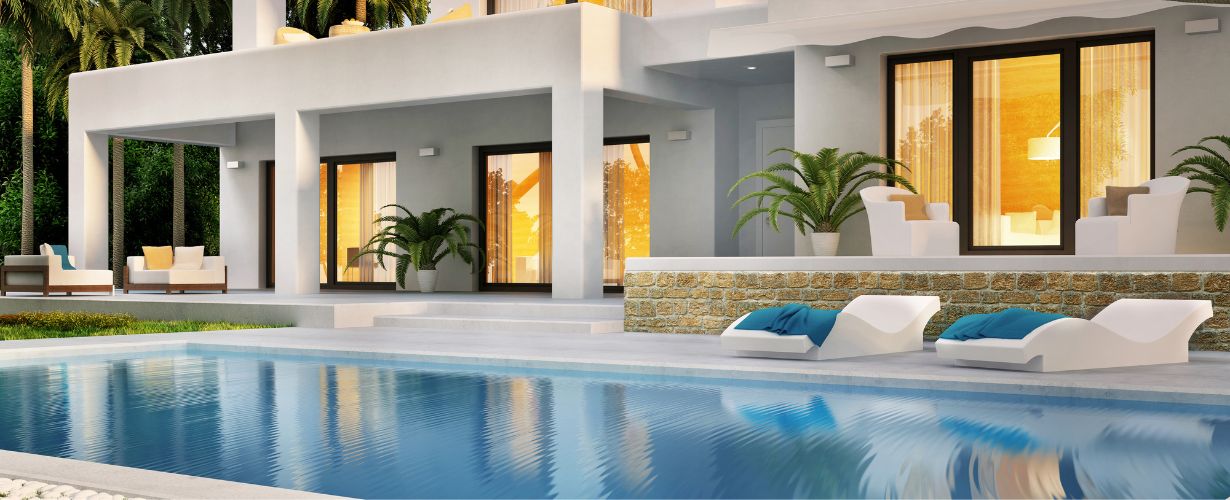
Remodeling means updating or repairing what already exists. It can include one job or several combined. Here is what typically falls under pool remodeling:
Resurfacing is one of the most common remodeling jobs. It affects how the pool looks, how it feels to swim in, and how easy it is to clean and maintain. The finish material you choose also affects how long the surface lasts before it needs to be redone. For example, pebble and marble finishes sit at different price points and wear differently over time.
Building from scratch is a different kind of project entirely. It starts with excavation. Heavy equipment comes in and digs out your yard. From there, crews install the shell, run new plumbing, set up electrical systems, apply gunite or pour concrete, finish the interior, and build the deck.
For a concrete or gunite pool, the process takes several months from start to finish. Permits are also part of the job, and they add both cost and time. The benefit is that you get to choose everything from the beginning, shape, size, depth, and features. But that flexibility has a price, and there are often more hidden costs in building a pool than homeowners plan for.
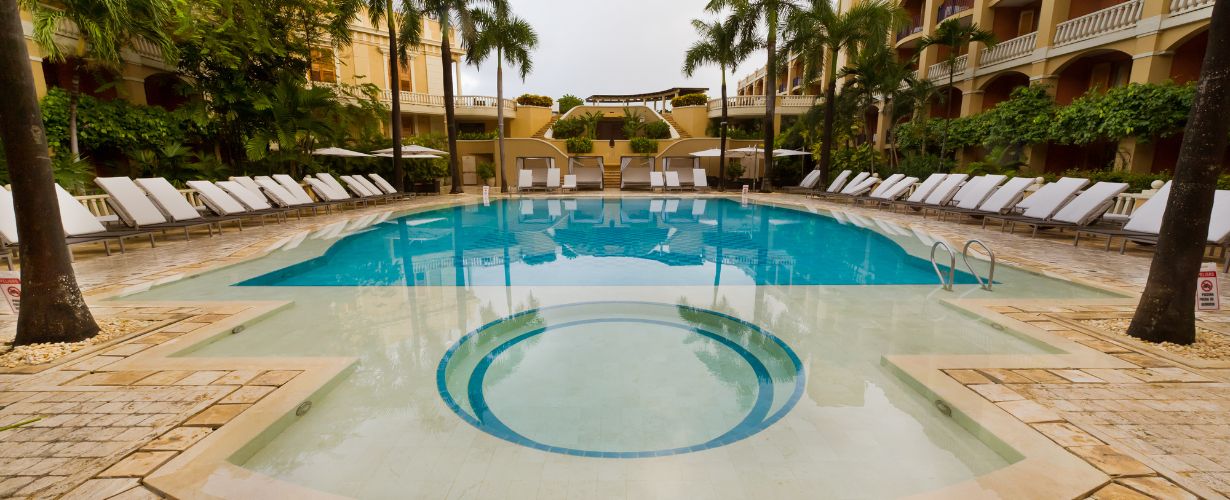
Here are typical cost ranges. Your actual numbers will vary based on pool size, materials, and location.
Pool Remodeling Costs:
New Pool Construction Costs:
Here is a side-by-side look at how the two options compare across the most common cost factors:
| Factor | Pool Remodeling | New Pool Build |
|---|---|---|
| Average starting cost | $6,000 | $50,000 |
| Full scope cost range | $15,000 to $60,000+ | $50,000 to $150,000+ |
| Structural overhaul | $50,000 to $100,000 | Included in base build |
| Project timeline | 2 to 8 weeks | 3 to 6 months |
| Permits required | Sometimes | Always |
| Equipment age after project | Mixed (new + old) | All new |
| Disruption to yard | Low to moderate | High |
| Lifespan after completion | 10 to 20 years | 25 to 30+ years |
| Best for | Cosmetic updates, solid shell | Major structural issues, full redesign |
Remodeling is cheaper upfront in most cases. The problem is that costs can climb fast once work starts and hidden issues show up. Getting a full picture of what drives up the true cost of inground pools helps with budgeting, whether you are remodeling or building new.
Remodeling saves money in most situations. It makes sense when:
A pool that is 15 or 20 years old but has a solid shell is often a good candidate. New surfaces, updated equipment, and a few added features can make it look and feel much better without the cost of starting over. A pool remodeling service can often handle several issues in a single project rather than spreading the work across multiple visits.
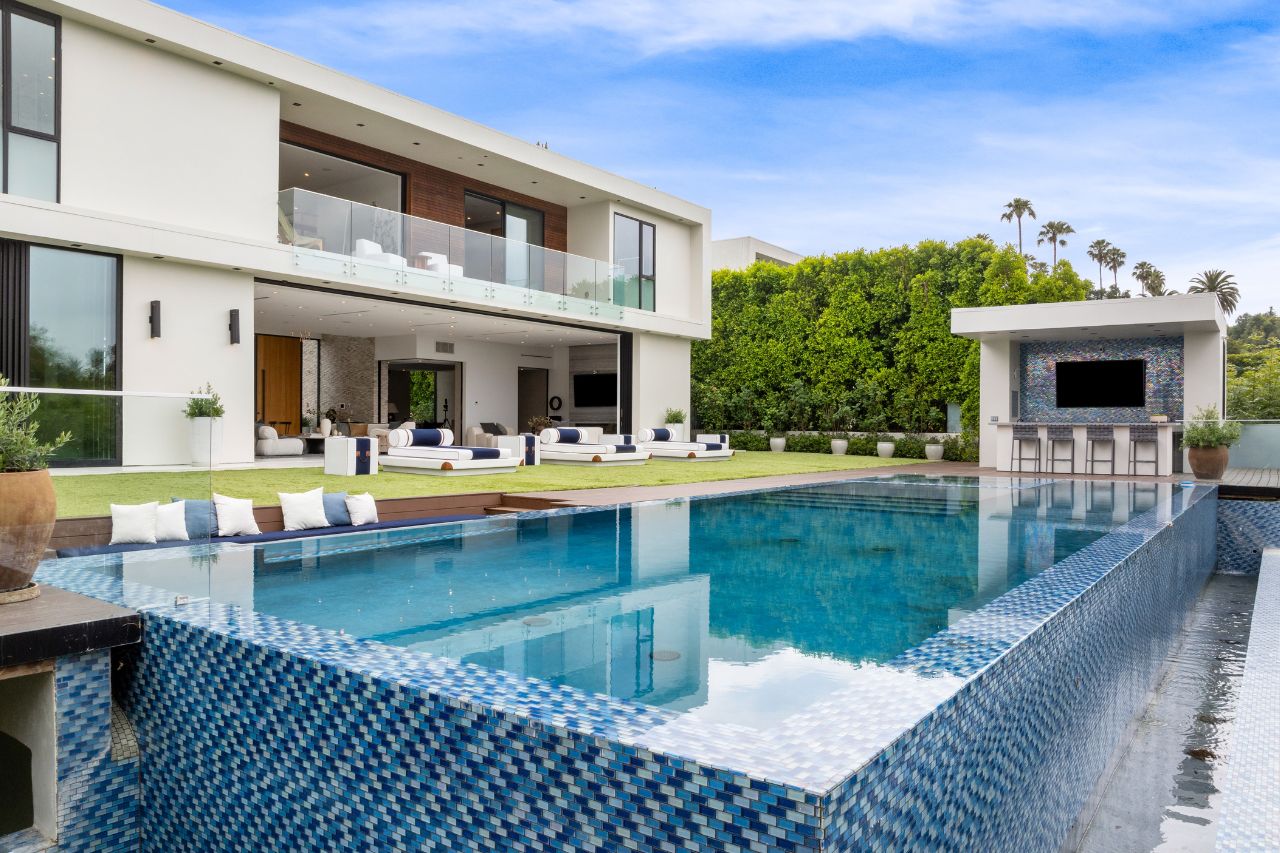
There are situations where spending money on a remodel does not make sense. Building new is the better option when:
That last point is important. If remodeling is going to cost $55,000 because of structural repairs, and a new pool starts at $65,000, the difference is small. You end up paying near-new-pool prices for an old pool with new finishes on top. In that case, building new often makes more sense financially and practically. You also walk away with a pool that has current plumbing, modern equipment, and a full lifespan ahead of it.
Upfront cost is not the only number that matters. What you spend over the next 10 to 15 years is also part of the picture.
New pools are built with current technology. That means more efficient pumps, better filtration, and smarter controls. Energy bills tend to be lower, and breakdowns are less frequent in the early years. Remodeled pools can get upgraded equipment too, but the underlying plumbing and structure are still from the original build. Sometimes that is fine. Other times it leads to ongoing issues that cost more over time.
A well-done remodel on a solid pool can last another 15 to 20 years without major problems. It is not a short-term fix by default. A lot comes down to the quality of the work and the starting condition of the pool. If you are still mapping out everything that needs attention, a pool renovation checklist can help you think through the full scope before committing to a budget.
Before choosing either path, get a clear read on what your pool actually needs. These questions help:
If you are not sure about the structural condition of your pool, get a professional inspection before making any decisions. A pool that looks bad on the surface might be structurally fine. A pool that looks okay might have deeper problems that a remodel will not fully fix. Knowing what you are working with before committing to a budget is the most useful thing you can do early in the process.
Getting itemized quotes for both options is also worth doing. Not rough estimates, but detailed line-by-line breakdowns. When you can see exactly what each quote covers, it is easier to compare them fairly. That kind of comparison will tell you more than any general rule of thumb, and it removes a lot of the guesswork from the decision.
limited to surfaces, equipment, or features, remodeling is usually the practical and affordable option. It gets done faster, causes less disruption to your property, and can add years of life to a pool that is otherwise solid.
Building new makes sense when structural damage is serious, when repair costs are approaching new-build prices, or when you want a pool that is fundamentally different from what you have now. In those situations, the higher upfront cost can be worth it over the long term. You are not just fixing a problem, you are starting clean with a system built to last.
The right answer depends on your specific pool. A clear assessment of its condition and a real cost comparison between both options is what actually helps you decide, not a general rule.
 Optimized by Seraphinite Accelerator