
Here’s a clearer, more natural rephrased version that keeps the feeling but uses simple, easy-to-read language:
The first time you see underwater lights glow across the pool at dusk, the way you look at your backyard changes.
It’s not just about lighting. It’s the difference between a pool that gets closed up after sunset and one that becomes the centre of the evening. It’s where conversations last longer, where teenagers actually want to stay home, and where even a normal Tuesday night feels special.
You see this change again and again in places like Palm Beach, Jupiter, Boca Raton, Delray Beach, Wellington, and Singer Island—backyards that once felt finished suddenly coming to life after dark.
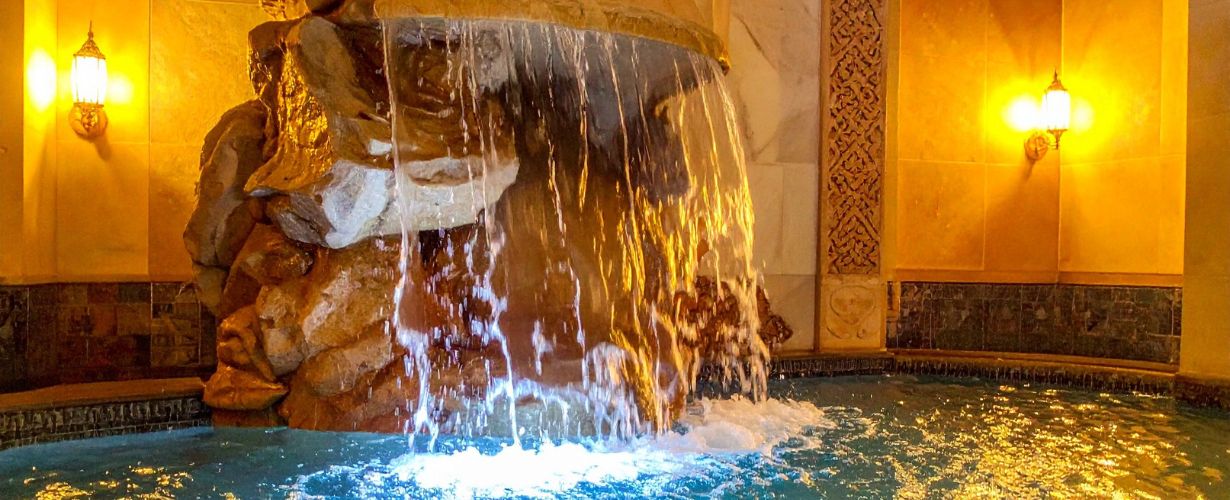
Most people think of pool lighting as just a safety measure—you need to see where you’re going. That’s true, of course. But seeing it only as a practical necessity is like buying a grand piano just to fill a room—you’re missing the real purpose.
Lately, more pool experts are noticing that the right lighting can completely change how families enjoy their outdoor spaces at night. Pools that get the most use aren’t always the biggest or most luxurious—they’re the ones that feel welcoming after dark.
Think about it: in Palm Beach’s warm months, the most pleasant swimming often happens between 7 and 10 p.m. If your pool lighting feels harsh or uninviting, you’re cutting your pool season in half without even realizing it.
When pool lighting is done right, your backyard truly comes alive in the hours when families are most likely to spend time together. Good lighting does more than just make the area visible—it makes the space feel welcoming, drawing people outside instead of keeping them indoors.
Think of the backyards in West Palm Beach or Coral Springs that stick in your memory from evening get-togethers. Often, they weren’t the biggest or most fancy. What made them stand out was how the lighting made the space feel cozy and inviting as the sun went down.
It’s not about showing off—though a well-lit backyard does look great. It’s about getting the most out of your investment by making your outdoor space truly usable in the evenings, when family time really counts.
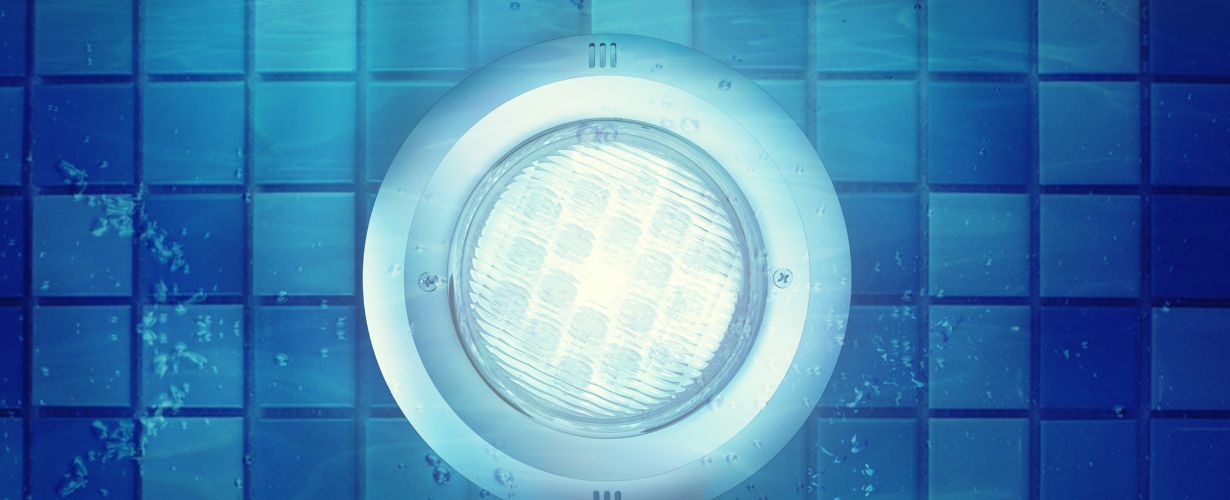
Twenty years ago, pool lighting was just bright, harsh white bulbs that made backyards feel like public facilities. Ten years ago, colored lights were available, but each color needed its own fixture and used enough electricity to raise your monthly bill noticeably.
Today, LED technology has completely changed the game. Modern LED pool lights can produce millions of colors while using about one-tenth of the energy of older systems. They can last around 25,000 hours—over fifteen years of normal use. Plus, they can connect to your smartphone so you can control the colors, brightness, and timing from anywhere.
But here’s the key: just because you can create purple waves or orange sunsets doesn’t mean those effects are best for everyday use. The best-lit pools in West Palm Beach and Coral Springs usually stick to simple, classic colors like white or blue that make the water look clean, clear, and inviting.
The fancy color shows are great for parties and holidays. But for a regular Tuesday night by the pool, subtle lighting that blends into the background creates the most relaxing and beautiful atmosphere.
Where you put your lights is far more important than which lights you pick.
The usual method is to install lights on the deep end walls, pointing toward the shallow end. Sure, it works—you can see where you’re going—but it doesn’t take full advantage of what lighting can do.
Think differently: place lights near steps and entrances for safety, yes, but also angle lights upward to highlight water features, hide lights in landscaping to add depth, or put lights behind seating areas so people’s faces are visible instead of in shadow.
The goal isn’t to light every inch evenly—that’s what parking lots do. Instead, create areas of light and shadow that guide the eye and set a mood.
Consider the restaurants you remember most. They’re not lit evenly. Light is used to make spaces feel cozy, highlight special spots, and draw your attention where it matters.
Your backyard can do the same.
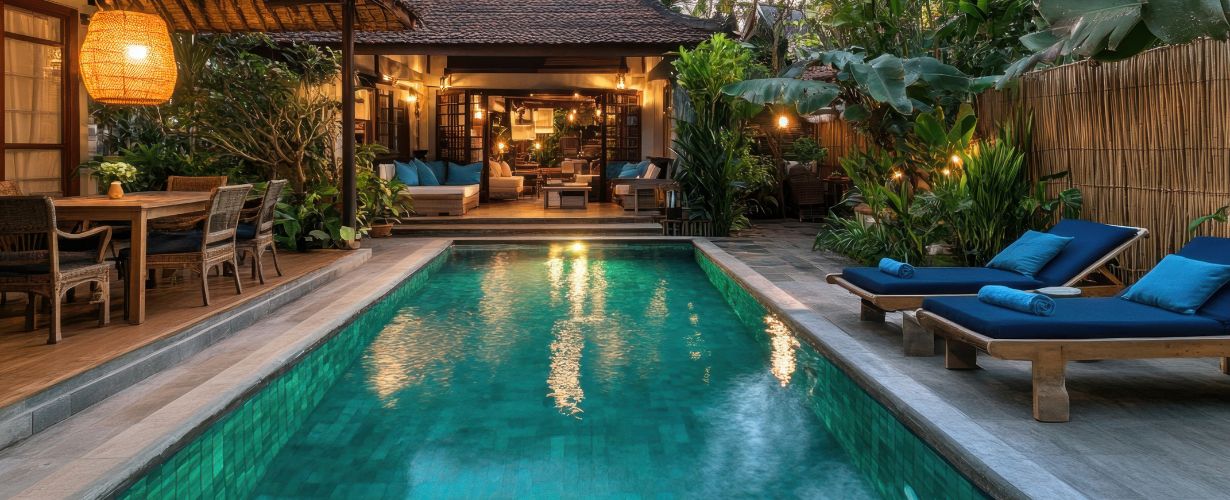
Pool lights shouldn’t stand alone—they work best when combined with other lighting elements. Path lights help people move safely from the house to the pool without harsh overhead lighting. Uplights on trees or architectural features add depth and prevent your backyard from looking flat. Soft lights under decks or pergolas highlight gathering areas without being overpowering.
Experts now suggest thinking of pool lighting as part of a full outdoor lighting plan rather than a separate feature. When done right, different lights complement each other, creating layers that enhance the atmosphere without competing.
A popular strategy is to use warm lights (around 2700K) for landscaping and social areas, while keeping the pool water lit with cooler whites (3000K–4000K) to make it look clean and inviting. This mix of temperatures helps the pool stand out as its own feature while blending seamlessly with the rest of the space.
Picture trying to manage five different remotes just to set the right mood for an evening by the pool—not very convenient.
Integrated lighting systems simplify this by letting you create preset “scenes.” For example, an “evening swim” scene could brighten the pool and pathways to full intensity. An “after-dinner conversation” setting might dim the pool lights to 40% while softly highlighting seating areas. A “party mode” could light up the landscape with colorful sequences and fully illuminate the pool area.
These features aren’t just for luxury—they’re practical tools that make your lighting system easy to use, so it enhances your space instead of becoming something you constantly adjust or ignore.
Thanks to recent technology, these smart lighting systems are more accessible than ever. Many modern LED setups now include smart controls as standard, not optional extras—especially for new homes across West Palm Beach, Jupiter, Boca Raton, Delray Beach, Wellington, and Singer Island.
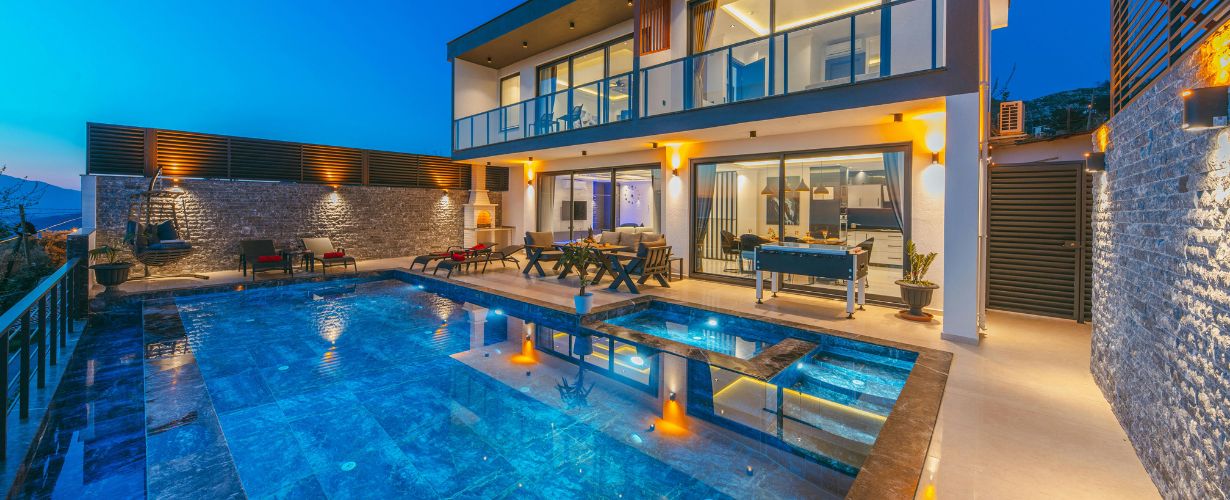
LED pool lights use much less energy—typically 15-50 watts depending on their size and brightness—while older incandescent lights can use 300-500 watts. If you run your pool lights for about five hours each night during swimming season, that energy difference can save you around $200-300 per year in Florida.
The savings add up even more when you consider lifespan. Traditional pool bulbs usually need to be replaced every 2,000 hours, which means frequent maintenance and extra costs. LED lights, on the other hand, can last up to 25,000 hours, virtually eliminating those recurring expenses.
There’s also an environmental benefit. Using less energy reduces emissions from power plants. While this might not be the main reason people choose LEDs, imagine the impact if thousands of pools across South Florida switched to more efficient lighting—it’s a big difference.
Before thinking about style or atmosphere, we must cover the basics: people need to see where they’re walking, especially when kids are in the pool.
Florida building codes require that pool areas used after dark have enough lighting, though the exact rules can differ depending on your city or county. In general, this means making all entrances and exits easy to see, removing dark spots where someone could trip, and clearly showing any changes in water depth.
Today’s LED lighting systems make it easy to meet these rules while still looking great. The most important thing is planning for how people will actually move around your pool at night—where they walk, sit, and where kids might run even if you tell them not to.
While LED lights are the most popular choice, fiber optic systems have their own advantages in certain situations. These systems use a remote light source connected to fiber optic cables, so there’s no electricity near or in the water. This can make installation easier in some cases and adds an extra layer of safety. The fiber cables are very strong and almost maintenance-free.
The downside is that fiber optic systems cost more upfront and usually aren’t as bright as comparable LED setups. They’re most often used in high-end pools where safety and a unique look are top priorities.
For most homes in West Palm Beach, South Florida, modern LED lights offer the best value. But fiber optics are still a good option when safety or specific design needs are especially important.
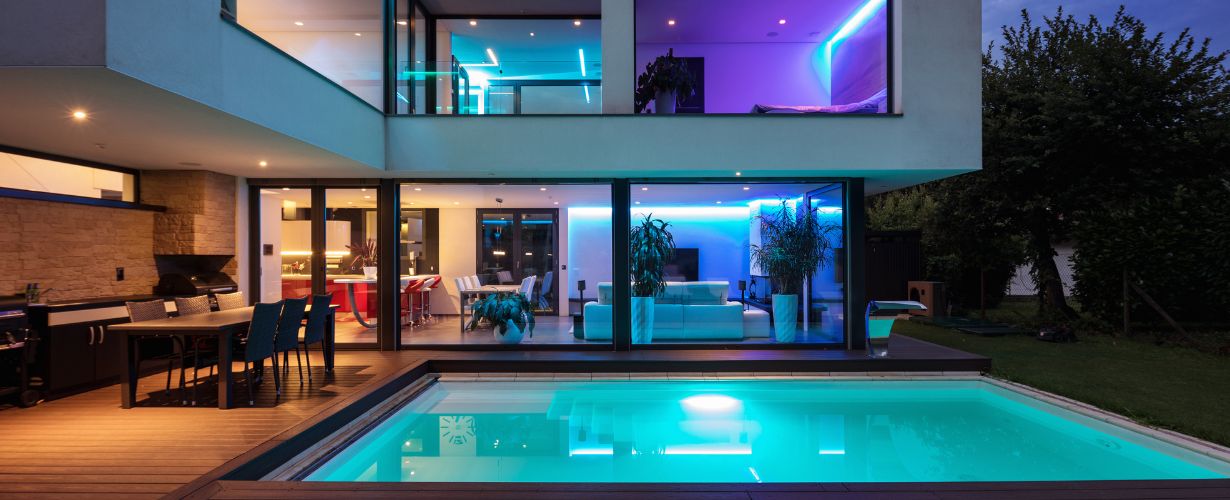
Just because your pool can glow purple doesn’t mean it automatically looks good—it just looks purple.
Color-changing LED lights are incredibly versatile, but the best results come from using that versatility wisely. For everyday swimming, shades of white and blue are usually the most attractive and relaxing. They make the water look clean and inviting while giving enough light to feel safe and comfortable.
Special occasions are the perfect time to experiment with other colors. Orange and purple for Halloween, red and green for Christmas, or even your school colors for graduation parties.
The key is knowing when to let the lights take center stage and when to let them quietly enhance the overall experience.
Installing pool lights isn’t a simple weekend project—unless you have real electrical experience and know pool systems inside out.
Working with electricity near water can be dangerous, so it’s important to follow professional safety rules. Modern building codes also require specific wiring, grounding, and safety steps that aren’t obvious to most homeowners.
The upside: LED lights last a very long time, so installing them is usually a one-time investment. Spending a little more on quality installation now can give you years, even decades, of hassle-free use.
When reviewing installation quotes, ask about things like wire size, conduit type, junction box placement, and grounding. Companies that answer these questions thoroughly tend to give better long-term results than those who only focus on the cost of the lights themselves.
Even with long-lasting LED lights, a little care helps them work their best.
Cleaning light fixtures every few months stops calcium buildup and keeps them bright. Checking the seals once a year can catch small issues before they turn into costly repairs. Trimming nearby plants ensures your lights don’t get blocked as landscaping grows.
These tasks are simple, but they need to be done regularly. Many pool service companies around Palm Beach include light maintenance in their full-service packages, which can be a great option if you’d rather not handle it yourself.
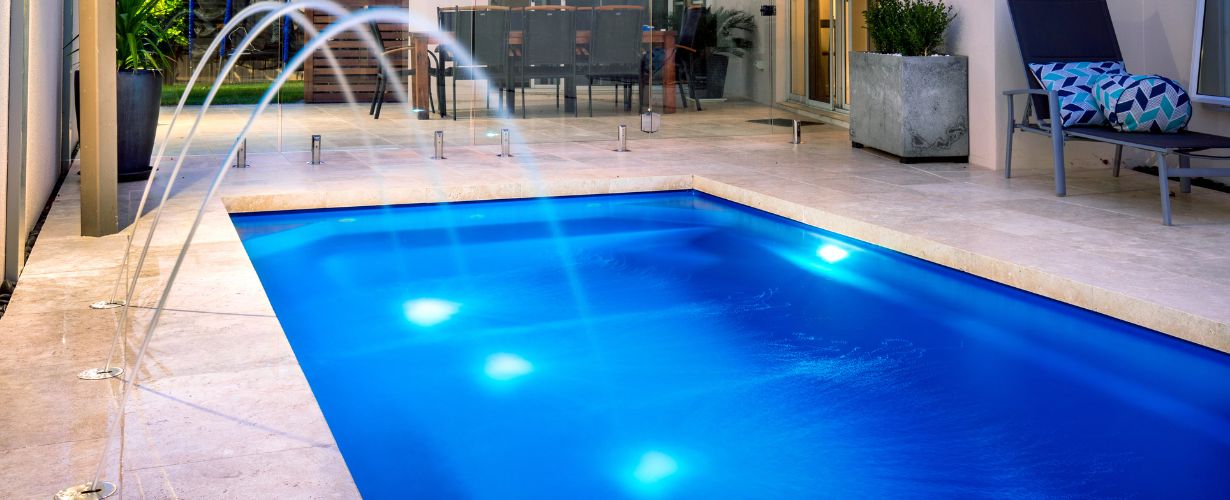
Choosing the right pool lighting really comes down to how you plan to use your pool.
If your family swims mostly in the evenings, you’ll want strong, reliable lighting that keeps the area safe and clearly visible. If you like to entertain, a lighting system that can create different moods for different occasions is ideal. And if your pool is meant to be admired from inside your home, you’ll want lights that make the view through your windows striking.
Focus on your actual needs and habits instead of trying to get every possible feature. A lighting system that fits how you really use your pool will bring more enjoyment than one packed with extras you rarely need.
Installing LED lights in a standard residential pool usually costs between $2,500 and $8,000. The exact price depends on the size of the pool, how many lights you want, how they fit into your landscaping, and how advanced the control system is.
Fiber optic lighting systems start at about $5,000 and can go over $15,000 for larger, full-feature installations.
These prices cover professional installation and basic controls. Choosing premium automation, adding more landscape integration, or including architectural lighting will increase the cost.
The real value comes from the experience: when your pool looks inviting at night, you’re likely to use it more often and enjoy it longer, making the investment worthwhile in terms of fun and relaxation—not just money.
If you’re thinking about improving your pool lighting, the best first step isn’t picking out fixtures—it’s spending a few nights watching how you and your family actually use your outdoor space after dark.
Notice where people naturally gather, which areas feel too dark, and when everyone tends to head back inside. These small observations show what you really need, rather than what ads or brochures suggest.
The smartest lighting projects start with understanding your family’s habits, then working with professionals to design a system that fits those patterns perfectly.
Your pool is a big investment—for your home and your lifestyle. Whether you live in Boca Raton’s modern neighborhoods, Celebration’s community-focused areas, or the timeless charm of Singer Island, making your pool enjoyable at night greatly increases that investment’s value.
Good lighting doesn’t just brighten the water. It transforms ordinary evenings into special moments. The gentle glow across moving water draws people in, creating a space everyone wants to spend time in.
That’s the true power of great pool lighting: it doesn’t just light up your pool, it gives you more hours to enjoy it.
About the Author:
Henry Pierce is co-owner of aquaelitepool.com, and he brings 15+ years in luxury construction expertise to Aqua Elite Pool, combining engineering precision with designs that transform ordinary spaces into environments where families naturally gather and memories happen. When he’s not building pools, he spends time with his family, reading good books or playing tennis.