
There’s a certain quiet that falls over a pool deck in January. It’s not the heavy, frozen kind of silence you get in northern winters—Florida is never that extreme. Still, it’s noticeable. The water is too cool for a swim, family gatherings move indoors, and a backyard paradise sits empty, even though the mortgage keeps coming.
This is true in homes all across South Florida—from the classic elegance of Palm Beach to the modern style of West Palm, from family-friendly Boca Raton neighborhoods to the resort-like communities of Celebration.
The real question isn’t whether Florida pools need heating. It’s about understanding what a pool really offers and whether spending a little more upfront could turn it from a seasonal luxury into a year-round part of your lifestyle.
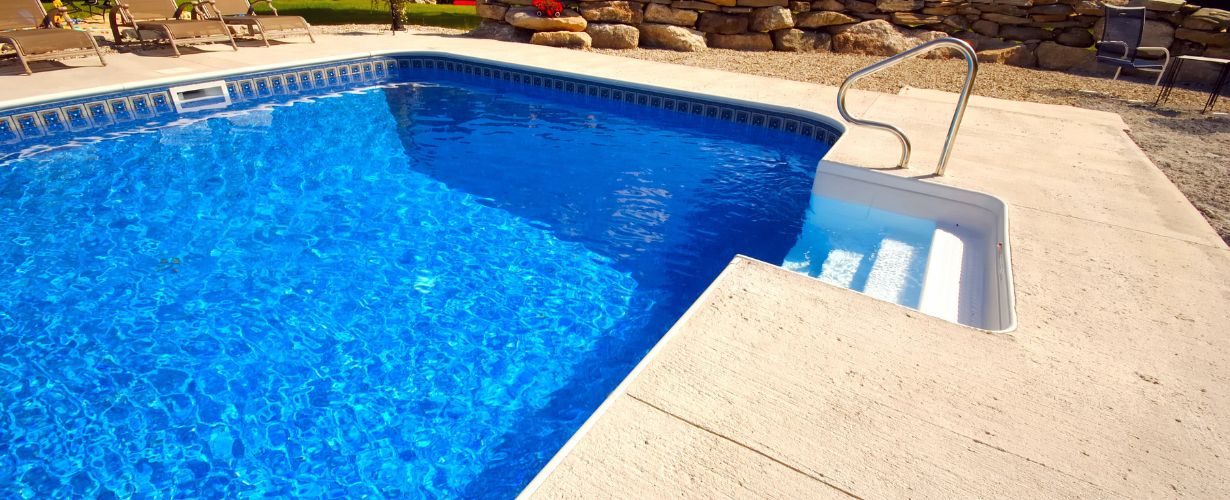
Florida is definitely warmer than most of the continental U.S., but it still has seasons. From about October through March, unheated pools can feel too cold to enjoy. In South Florida, the average winter pool temperature sits around 65–70 degrees. That might be okay for a quick dip, but it’s not the kind of warm, inviting water that makes you want to stay in.
Here’s something brochures usually don’t mention: pools lose heat through evaporation, radiation, and movement. Even on a nice 75-degree February day, the water can feel surprisingly cold. Your body is at 98.6 degrees, and water at 70 degrees draws heat away from you much faster than you’d expect. What’s refreshing in August can feel almost unbearable in January.
This really matters if you’re thinking about lifestyle, not just decoration. Families in places like West Palm Beach or Parkland aren’t buying pools just to look at—they’re investing in a space to relax and have fun. If the pool is too cold to use for half the year, that investment loses a lot of its value. It stops being a gathering spot and becomes an expensive ornament that still needs cleaning, chemicals, and maintenance.
Put it in practical terms: imagine spending $50,000–$80,000 on a gorgeous pool, only to spend six months a year looking at it from inside because it’s too cold to swim. That’s the reality for many South Florida homeowners without proper pool heating.
The good news is that pool heating has come a long way. You no longer have to stick with one-size-fits-all solutions. The tricky part is figuring out which system fits your pool habits, budget, and environmental priorities.
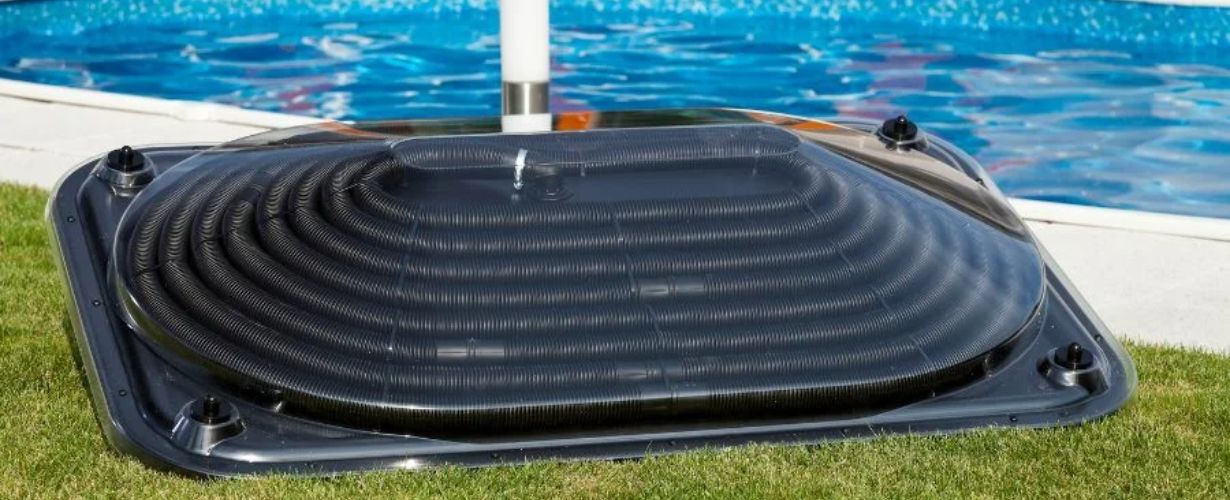
Solar pool heating is often the best choice for Florida. It’s simple: dark panels capture sunlight and heat the water as it passes through. Solar systems can extend your swimming season with very low ongoing costs, but they need enough roof or ground space and plenty of sun.
The money side works out well. A typical residential system costs $3,000-$7,000 to install, but after that, heating your pool costs almost nothing beyond the electricity your pool pump uses. In sunny Florida, you’re basically using free energy from the sun.
There are some limits, though. Solar panels heat slower on cloudy days and work best when you already have lots of sun. You’ll also need panels covering 50-100% of your pool’s surface area, which can take up a lot of roof or ground space. In areas where aesthetics or lot size are important, that can be a challenge.
Gas heaters work in the opposite way. They heat water fast, work no matter the weather, and don’t take much space. Turn it on, and your pool is warm within hours. This is great for spas or occasional use.
The downside? Gas heaters can be very expensive to run. Expect $300-$600 per month in winter, depending on temperature and pool insulation. That’s like paying for a weekend trip every month just to keep the water warm.
Electric heaters are similar—they’re effective but costly. They’re usually smaller, so better for spas or tiny pools. For most residential pools, electricity costs make them impractical.
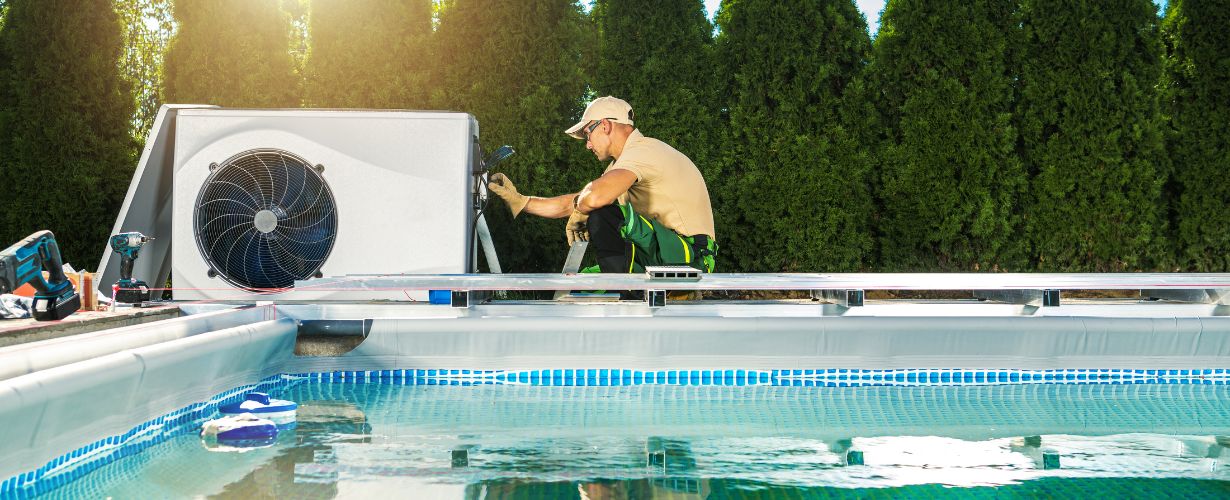
Heat pumps are the middle ground and very popular in Florida. Instead of making heat, they pull warmth from the air and transfer it to your pool—like a reverse air conditioner. They’re efficient in Florida’s mild winters, costing 50-75% less than gas heaters while keeping the water consistently warm. They work best when air temperatures are above 45-50°F, which is most of the winter in places like Boca Raton, Parkland, and West Palm Beach.
They cost more upfront—$3,000-$6,000 installed—but are much cheaper to run. Monthly costs are usually $50-$150 in winter. Over 10 years, a heat pump could save $20,000-$30,000 compared to gas heating for similar use.
Think about the cost of not heating your pool. If your pool is unused for six months of the year, you’re really getting only half the value from your investment. For example, a $50,000 pool that’s usable only half the year is like paying $100,000 per year if you measure cost by the months you can actually enjoy it. Now, if heating extends your swimming season by three or four months, that same $50,000 pool becomes usable eight to nine months a year—much better value.
The numbers look even better when you consider property value. Pools with heating usually sell for more and attract more buyers, especially in competitive Florida markets like Celebration or South Florida. A heated pool isn’t just a pool—it’s a year-round lifestyle feature, and buyers notice that.
There’s also the practical value of using your pool. Imagine a family that spends winter visiting public pools or recreation centers three times a week because their own pool is too cold. Between admission fees, snacks, and travel time, that can cost $150 a week. Compare that to a heat pump costing $150 a month—suddenly it seems like a smart investment, and your family gets the convenience, privacy, and comfort of their own backyard.
Whether you need pool heating in Florida isn’t a simple yes or no—it depends on your situation and priorities.
Families using the pool every day: In South Florida neighborhoods where the pool is the main outdoor hangout, a heating system can be worth it because it lets you use the pool year-round. Heat pumps usually make the most sense here—they’re efficient and can keep the water comfortably warm even in Florida’s mild winters.
Weekend swimmers and hosts: If you mostly heat the pool for weekend gatherings or family time, a gas heater might be better. It warms the water quickly, so you don’t have to run it all the time. Even though gas heating costs more to operate, if you’re only using it a few days a week, the overall cost stays reasonable.
Empty nesters and retirees: Solar heating often works best. These swimmers are home during sunny hours, use the pool for exercise or relaxation, and want to keep ongoing costs low. Since solar heating works best on sunny days, it fits well with a flexible schedule—you can plan swims when the sun is out.
Pools as a wellness or exercise tool: In communities like Boca Raton, Parkland, or Celebration, where pools are social and fitness hubs, comfort and consistent warmth matter most. Heat pumps are usually the best choice here, providing steady temperatures that support regular swimming, exercise, and therapy.
Pool heating efficiency depends on several factors that many homeowners don’t think about until after installation. These factors can turn a well-designed system into a disappointment—or make what seems like an expensive choice one of the smartest investments you’ll ever make.
Pool covers are possibly the most important accessory for any heating system. An uncovered pool is like an open pot on a stove—you’re constantly losing heat through evaporation and radiation. A good pool cover can cut heating costs by 50-70% and also reduce water evaporation and chemical use.
Covers aren’t cheap—expect to pay $600-$2,500 for a quality manual or automatic system—but they make a big difference. For example, a $150 monthly heat pump cost can drop to $50-$75 when you use a cover properly. Most covers pay for themselves in under two years and continue saving money for 5-7 years.
Pool size and volume affect heating costs in ways many people don’t expect. Larger pools cost more to heat at first but can be easier to keep warm because of their thermal mass. Smaller pools heat fast but also lose heat quickly. Because of this, accurate cost estimates need calculations based on your pool’s exact size.
Wind exposure can make heating more difficult. Pools in protected areas heat faster and stay warm longer than pools in windy spots. Wind cools the water by evaporating it—like how you feel cold stepping out of the shower. If your pool is in a windy location, you may need extra heating or windbreaks to maintain comfort.
Desired water temperature also impacts costs. Every degree above the air temperature costs more to maintain. Heating a pool to 82°F instead of 78°F may seem small but can raise costs by 20-30%. Most families find 78-80°F to be comfortable without overpaying.
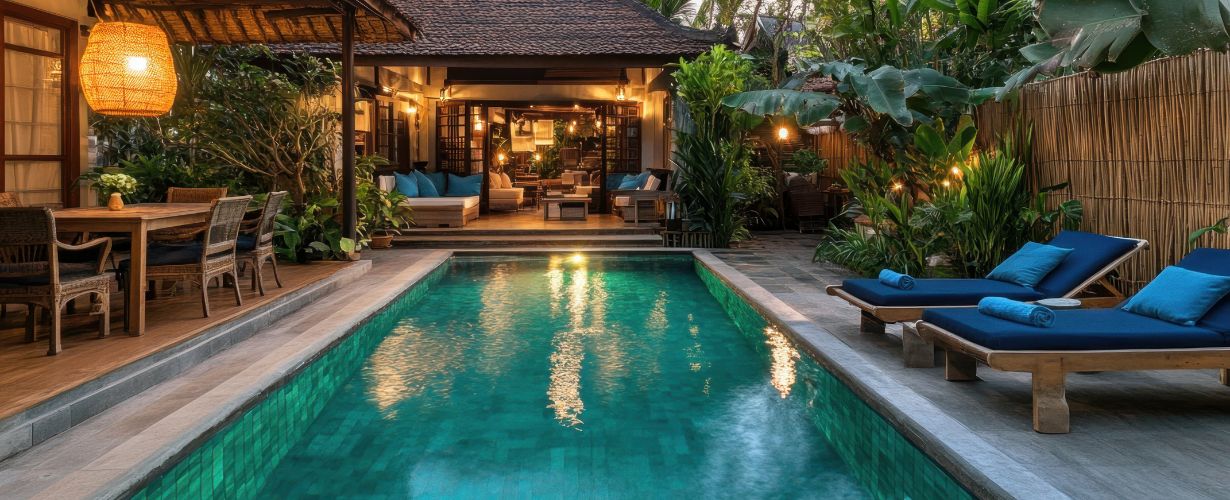
Choosing the right pool heating option in Florida starts with being realistic about how you’ll actually use your pool, not just how you imagine using it.
First, think about who the pool is for. If it’s mainly for kids and family time, year-round heating makes a lot of sense. Children don’t care that it’s January—they just want to swim. Heating can extend pool use from about six months to nearly eleven months. Even then, most people avoid swimming during heavy July and August afternoon storms, no matter how warm the water is.
If your pool is more about entertaining—such as hosting weekend get-togethers or dinner parties in areas like West Palm Beach or Parkland—ask yourself how often you’ll host during cooler months. If you plan to entertain often, heating becomes a must. A cold pool in February doesn’t add value; it just sits there unused.
For homeowners focused on fitness or wellness, pool heating is usually essential. Swimming for exercise or therapy depends on regular use. While a very committed swimmer might tolerate cold water in December, an unheated pool makes it hard to keep a steady routine.
Being mindful of your budget doesn’t mean skipping heating entirely—it means picking the right system. Solar heating costs more upfront but has the lowest monthly expenses. Gas heaters are cheaper to install but cost more to run. Heat pumps fall in between, offering good efficiency without needing the roof space that solar requires.
Location within Florida also plays a role. Areas like West Palm Beach and nearby regions tend to have slightly cooler winters, which makes pool heating more useful for extending swim time. Family-focused communities such as Boca Raton and Celebration often get strong value from pool heating because active households use their pools throughout the year.
Here’s what the decision often comes down to: Are you building a pool for the postcard-perfect Florida summer, or are you creating a year-round family gathering place? The answer shapes everything.
The families who get pool investments right understand that heating isn’t just about water temperature—it’s about maximizing the return on a substantial investment. A $60,000 pool with a $5,000 heating system that sees regular use nine months yearly provides better value than a $55,000 pool that sits unused half the year.
Consider also your plans for the home itself. If you’re building your forever home in a community like Celebration, investing in quality heating makes perfect sense. The costs amortize over decades of use. But if this is a five-to-seven-year house, the calculation shifts toward systems that add resale value without requiring you to recoup ongoing operational costs.
Talk to families who’ve lived with different heating systems in your area. The theoretical performance of any heating system matters less than real-world experience from neighbors in Boca Raton, Parkland, or West Palm Beach with similar usage patterns and expectations. What works beautifully for weekend-only swimmers may be inadequate for daily users, and vice versa.
Do you really need pool heating in Florida? The simple truth is that Florida’s weather makes pool heating a choice, not a must—but that doesn’t mean it isn’t worth having.
For many families, especially those who use their pool for regular fun, fitness, or entertaining, a heater can make a big difference. Being able to enjoy the pool comfortably for eight months instead of six adds real value to your investment without a huge increase in cost.
What matters most is choosing a heating system that fits how you actually use your pool. Solar heating works well with Florida’s sunshine but needs enough space and takes time to warm the water. Gas heaters warm the pool quickly but cost more to run. Heat pumps are a popular middle ground, offering good efficiency and steady performance for most homes. No matter the system, a good pool cover and realistic temperature goals make everything work better.
In the end, pool heating isn’t just about warmer water. It’s about getting more use from your pool, avoiding long winter breaks, and enjoying your backyard even during Florida’s cooler months. Instead of sitting unused, your pool stays ready whenever you are.
Your pool doesn’t have to be a summer-only feature. With the right heating system, it can be part of your daily life all year, adding comfort and enjoyment month after month.
This article shares general information about pool heating options in Florida. Costs, performance, and the best solution can vary based on your pool, energy rates, and usage needs. For accurate advice and pricing, consult with Epic Watershapes for a personalized evaluation.
About the Author:
Henry Pierce is co-owner of aquaelitepool.com, and he brings 15+ years in luxury construction expertise to Aqua Elite Pool, combining engineering precision with designs that transform ordinary spaces into environments where families naturally gather and memories happen. When he’s not building pools, he spends time with his family, reading good books or playing tennis.