
Picture this: it’s a Saturday morning, you’re in your backyard with a coffee, watching contractors work on what was supposed to be your dream pool. But something feels off. The pool isn’t where you imagined it. The equipment is louder than you expected. And after last night’s rain, water is collecting near your house.
That uneasy feeling—that quiet thought saying, “We should have asked more questions”—is something no homeowner should have to face.
After fifteen years of building pools across West Palm Beach, Boca Raton, Parkland, Celebration, and surrounding communities, I’ve seen nearly every mistake imaginable. Some are minor frustrations. Others are serious structural failures that require complete rebuilds. Most fall somewhere in between—technically fixable, but costly enough that homeowners wish it had been done right the first time.
The tricky thing about pool design mistakes in South Florida? They’re expensive to fix and impossible to ignore. You can’t just pretend your pool isn’t there. Every day, it sits in your backyard, reminding you that things could have been done better.
Here’s what you need to know before you sign any contracts, break ground, or make decisions that will stay with you for the next twenty years.
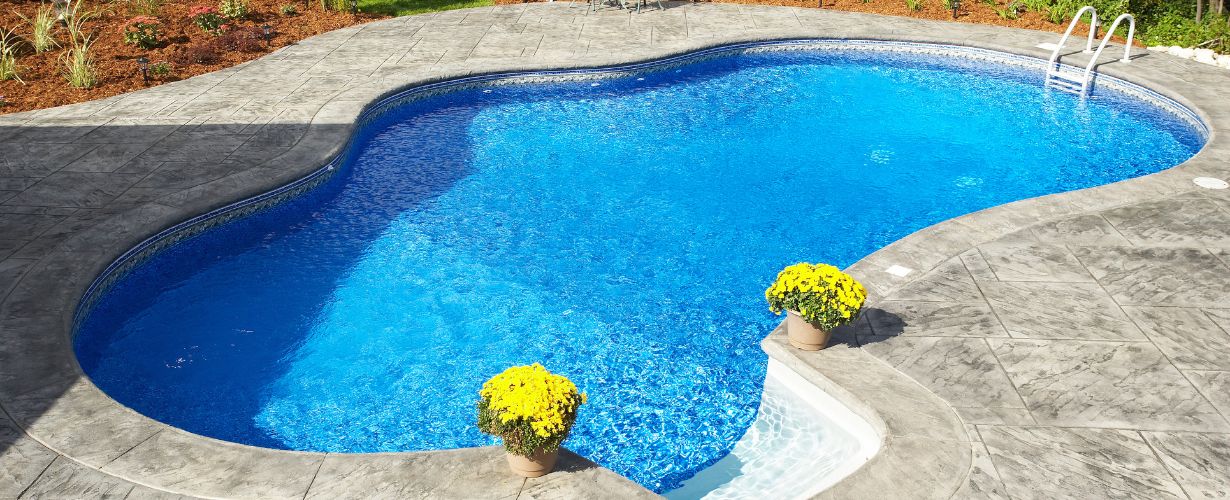
Overlooking soil and water levels: South Florida ground is mostly limestone and sand, and the water level underground can change a lot during the year. After heavy rain, pools can actually lift or shift if the soil isn’t tested and prepared properly. A good contractor should test the soil and design the pool structure to match your property’s conditions. This is especially important in places like Boca Raton and Celebration, where soil can change from one lot to the next. If your builder doesn’t bring this up early, that’s a warning sign.
Skipping proper engineering: Florida has strict rules for pool construction because of hurricanes and strong winds. A well-engineered pool isn’t just about looks—it’s about staying intact during major storms. Every custom pool should come with approved, stamped engineering plans. There shouldn’t be any shortcuts. This matters even more in high-value areas like Parkland, where long-lasting construction is expected.
Poor drainage planning: Water will always find a path. If drainage isn’t planned correctly, water can collect around your pool, damage the foundation, and even affect your home. The ground should slope away from buildings, and drainage systems should be built into the pool deck. With South Florida’s heavy rain—sometimes several inches in an hour—proper drainage isn’t a luxury, it’s essential.
Choosing the wrong pool shell: Gunite, fiberglass, and vinyl pools all have pros and cons. Fiberglass installs quickly but limits design choices. Gunite allows custom shapes but needs more upkeep. Vinyl costs less upfront but doesn’t handle Florida’s strong sun as well over time. The best option depends on your property and how you plan to use the pool—not what’s easiest or most profitable for the contractor.
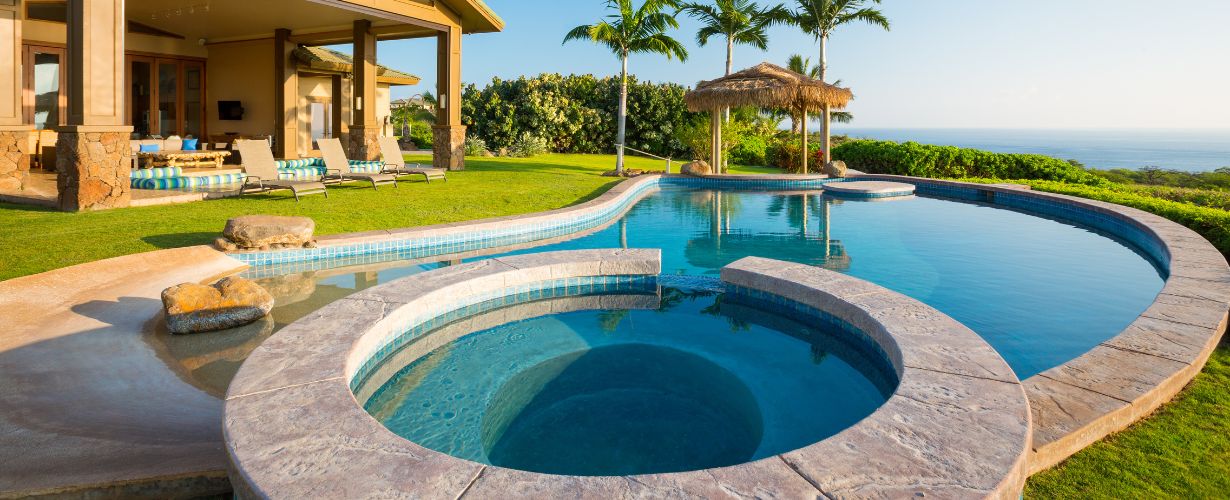
Overlooking sun direction: Many people don’t realize how much the sun affects a pool. If the placement is wrong, one side may stay damp and grow algae, while another gets harsh afternoon glare. A good design looks at where the sun falls during the day and in different seasons. Shade from large trees, like the mature oaks often seen in Boca Raton, will affect sunlight differently than the open blocks common in newer West Palm Beach areas.
Choosing the wrong pool size: A pool that’s too big can take over a small yard, while a small pool can look out of place in a large one. A common guideline is to keep the pool under 25% of your backyard so there’s space for decking, plants, and open areas. Still, this depends on how you plan to use the yard. Bigger lots, like those in Parkland, offer more design options than tighter spaces found in some Celebration homes.
Not allowing enough deck space: The pool isn’t the only thing that matters—you need space around it. Chairs, tables, walkways, and BBQ areas all need room. One frequent mistake is building a large pool but leaving too little deck space, making the area feel cramped. Aim for at least four feet of decking around the pool, and more if you often host guests.
Poor placement of steps and seating: Steps, ladders, and benches should be placed where they’re easy to reach and don’t block movement. Poor placement can cause congestion when several people are in the pool. Steps should be wide enough for people to pass each other comfortably, and seating areas work best in shaded spots whenever possible.
Ignoring where pool equipment goes: Pool equipment isn’t meant to be seen. When pumps and filters are placed in open view, they can ruin the overall look of the yard. A better approach is to hide equipment with fencing or landscaping while keeping it accessible for maintenance. A well-designed pool area should feel relaxing—more like a resort, not a utility zone.
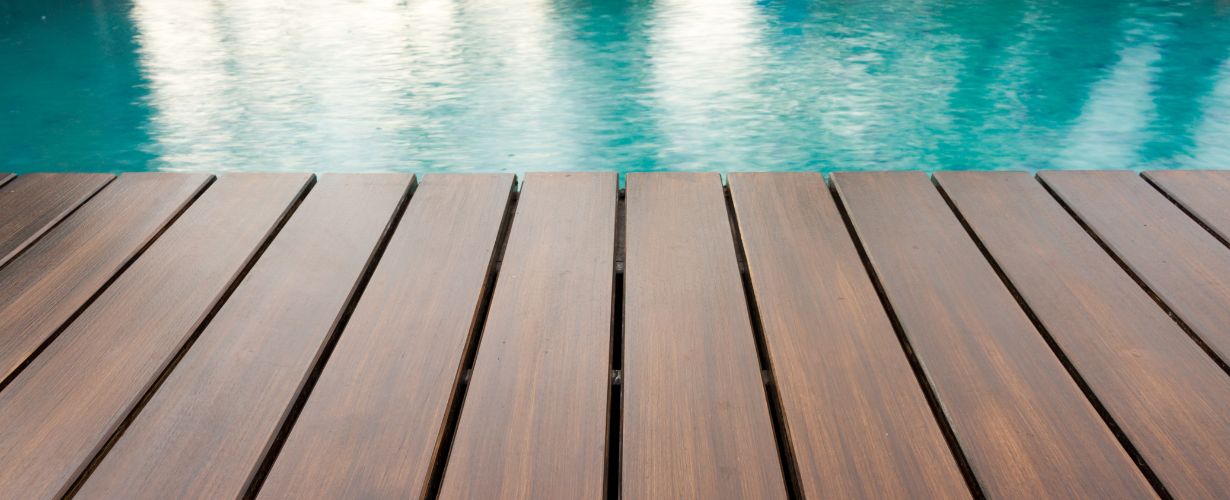
Choosing deck materials based only on appearance: That dark travertine might look stunning in a showroom, but under Florida’s strong sun it can get too hot to walk on barefoot. Decking should look good and work well. Heat, slip resistance, sun damage, and upkeep all matter—especially in South Florida, where pools are used almost all year.
Cutting corners on coping quality: Coping is the edge that surrounds your pool, and it takes a lot of wear from sun, water, and people sitting on it. Low-quality coping can crack, shift, and break down quickly in Florida’s climate. Spending a bit more here helps protect your pool’s look and lifespan, which is especially important in areas like Boca Raton where pools add real property value.
Choosing the wrong waterline tile: Waterline tile isn’t just for looks. It helps protect the pool surface from buildup and makes cleaning easier. Some tiles last longer than others. Porcelain and glass usually perform better than ceramic in Florida weather. Tile size also matters—smaller tiles fit curves better, while larger tiles suit straight edges.
Overlooking finish durability: Some finishes look great when new but don’t age well. Florida’s sun can fade colors, and some surfaces can feel rough on bare feet over time. Think about how the finish will look and feel years down the road, not just on installation day.
Using low-quality plumbing: Pool plumbing is hidden under concrete and decking. If it fails, repairs can be messy and expensive. Using strong PVC, proper fittings, and the right pipe sizes isn’t an upgrade—it’s a necessity. This is one area where saving money can lead to big problems later.
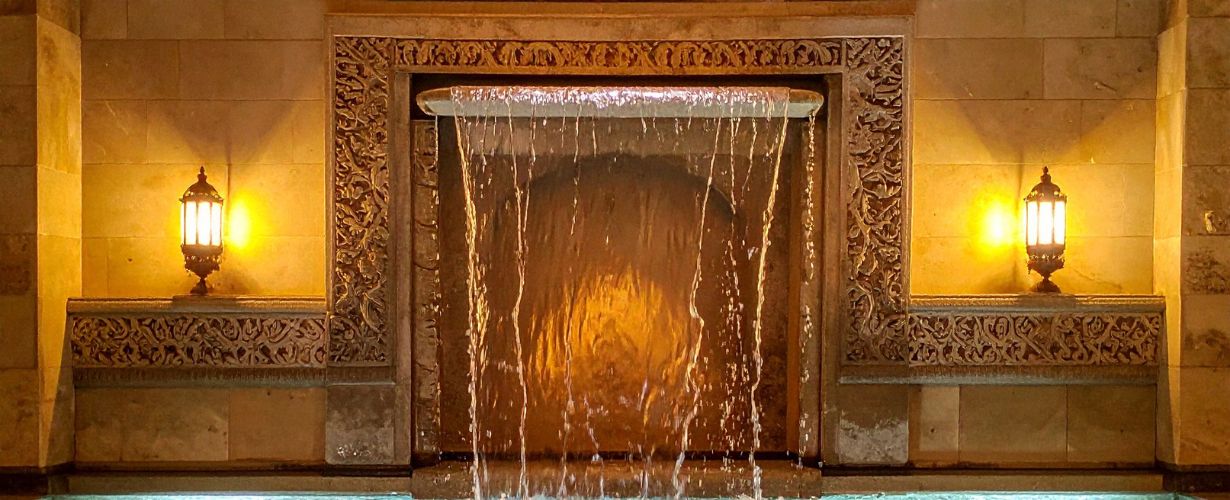
Adding features you won’t really use: It’s easy to fall in love with extras that look great on paper but don’t get much use. Waterfalls are attractive, but they need regular upkeep and can raise your water bill due to evaporation. Diving boards sound fun, yet often sit unused after the first year. Beach-style entries look like a resort feature, but they take up a lot of space, and the shallow water can heat up quickly, leading to algae growth. Think honestly about how you live and what you’ll actually enjoy using.
Skipping features you’ll wish you had later: The opposite mistake happens just as often. That LED lighting may seem like an unnecessary cost—until you host an evening get-together and realize your pool area is too dark. Saltwater systems cost more upfront but often save time and money in the long run. Automation can feel like a luxury, but it becomes very useful when you’re tired of adjusting settings by hand every day.
Using a heater that’s too small: If you plan to heat your pool, make sure the heater is sized correctly. A heater that’s too small will run all the time, cost more to operate, and still struggle to keep the water warm. In South Florida, heating isn’t needed all year, but when cooler winter days arrive, you’ll want a system that actually does the job. Proper sizing should be based on your pool’s volume and your target temperature.
Poor lighting placement: Pool lighting isn’t only for visibility—it also affects mood and safety. Lights should clearly show steps and entry areas while adding a pleasant glow to the water. Common mistakes include using too few lights, placing them where they cause glare, or choosing fixtures that are hard to maintain or replace.
Overlooking noise levels: Water features add sound, which can be relaxing or irritating depending on where they’re placed. The same goes for pool equipment. A pump that seems quiet during the day can be surprisingly loud at night, especially near bedrooms. When planning your pool, think about where sounds will travel—this is especially important in newer neighborhoods where homes are closer together.
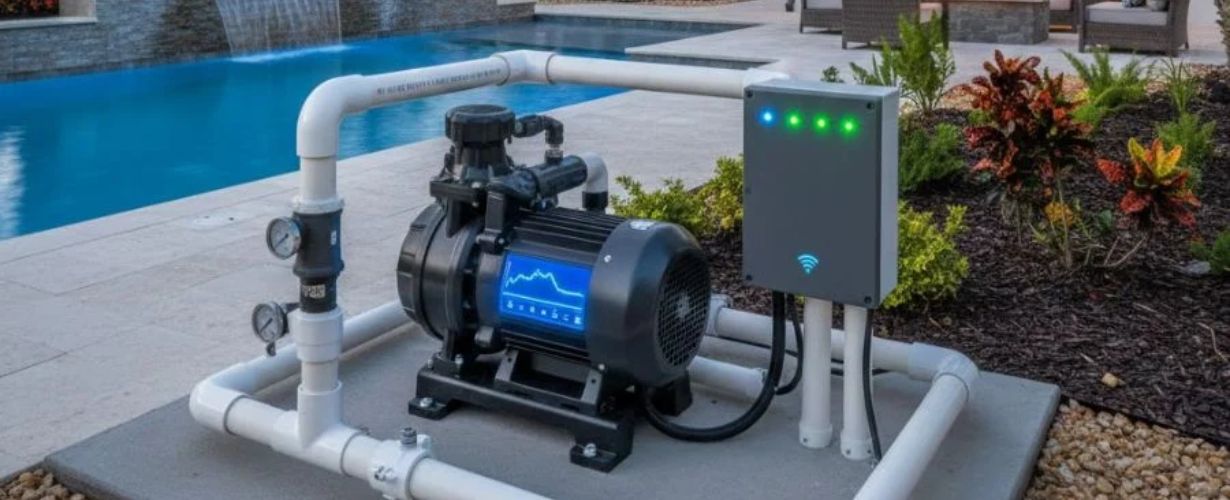
Using a filter that’s too small: Your pool filter should cycle all the water in your pool at least twice a day. Choosing a smaller filter may save money at the start, but it often leads to cloudy water, higher chemical use, and equipment wearing out faster. Think of the filter as your pool’s breathing system—if it’s too weak, the whole pool suffers.
Choosing the wrong pump size or speed: Variable-speed pumps cost more upfront, but they can reduce energy bills by up to 70% compared to single-speed pumps. In places like Florida, where pools run all year, those savings add up fast. Still, the pump must be the right size for your pool and plumbing. A pump that’s too small won’t move water properly, while one that’s too big wastes power and money.
Not planning sanitation properly: Floating chlorine tablets are easy, but they aren’t always the best option. Newer systems like salt chlorinators, UV systems, or ozone treatment keep water cleaner with less manual chemical handling. While they cost more at first, they often save money over time and make swimming more enjoyable.
Skipping pool automation: Automation may seem like an extra, but in warm climates where pool water changes quickly, it’s very helpful. Automated systems manage temperature, cleaning, and sanitizing for you. Many can be controlled from your phone, helping you spot and fix small issues before they turn into costly repairs.
Poor water circulation design: Return jets should move water in a circular pattern so debris flows toward the skimmer instead of settling in corners. Some pools are built with returns placed for convenience rather than proper water flow. This leads to poor circulation and more time spent cleaning by hand.
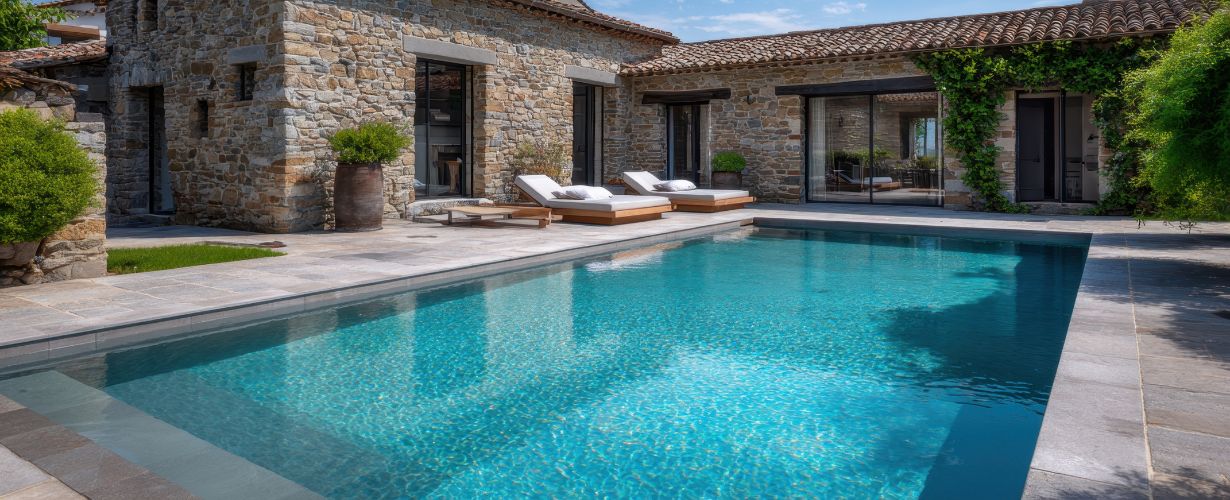
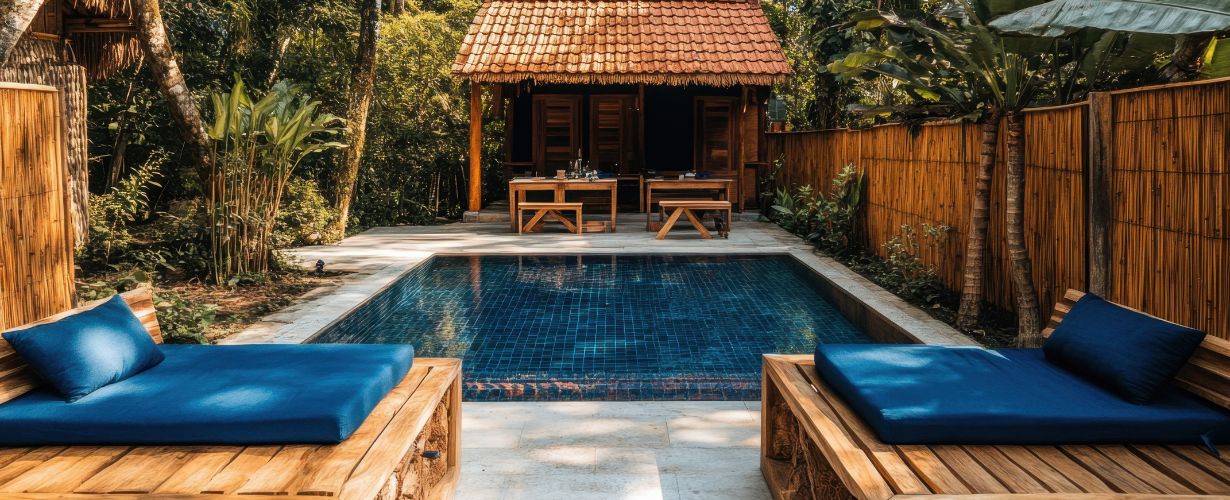
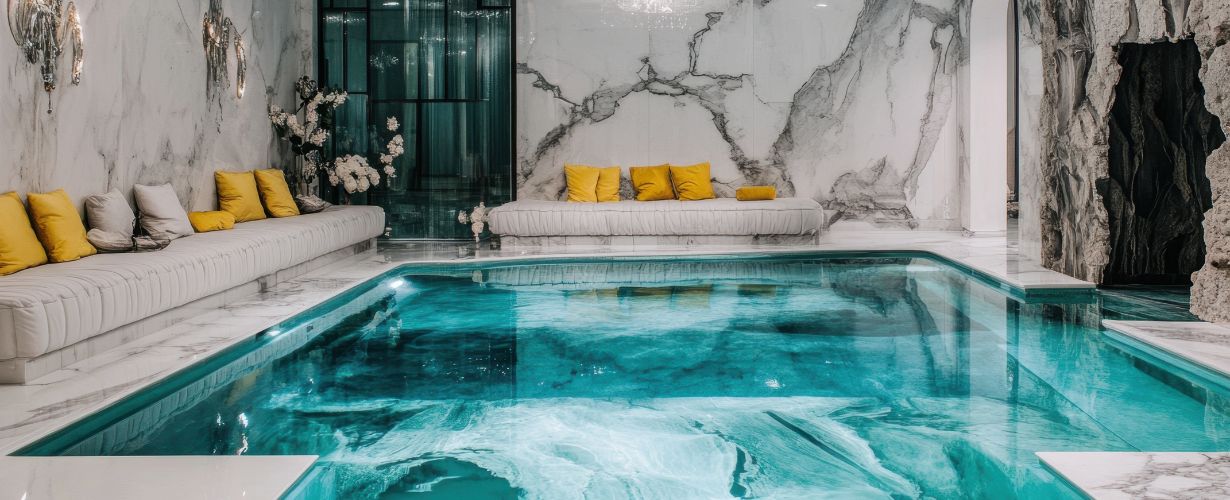
Trendy colours that age fast: That bright turquoise pool finish may look stylish right now, but most pool surfaces last 10–20 years. Neutral shades like soft blues, greys, and whites stay appealing longer and won’t feel tied to a specific year. Ask yourself if you’ll still love that bold colour in 20 years—or if you’re prepared to pay for an early refinish.
Clashing materials: Your pool should match your home’s style, not fight against it. A Mediterranean-style home in Boca Raton needs different finishes than a sleek, modern home in West Palm Beach. When everything works together, the pool feels like it truly belongs in the space.
Poor size balance: Big water features can overpower small pools, while tiny features can get lost in larger designs. Everything should be sized to suit the pool and how far away it will be viewed from patios, decks, and inside the house.
Skipping landscaping planning: A pool should feel like part of your backyard, not something placed there as an afterthought. Good landscaping frames the pool and makes it stand out. Think about how plants will look year-round, how much upkeep they need, and whether they’ll drop leaves into the water—especially important in Florida.
Overlooking how it looks at night: A great pool design doesn’t stop shining when the sun goes down. Lighting around the pool, paths, and landscape adds depth and atmosphere after dark. Since many people swim in the evenings during Florida’s hot summers, nighttime lighting is just as important as daytime appeal.
Not planning electrical needs properly: Adding power points later can cost a lot. Plan enough standard outlets around your pool from the start for cleaners, lights, speakers, and other devices. Make sure your electrical panel can handle the pool equipment now and in the future. It’s much cheaper to upgrade capacity before the deck is finished than to dig it up later.
Poor placement of pool equipment: Your pool equipment should be easy to reach for servicing but not right next to where you relax. Place it close enough to the pool to keep plumbing short, but far enough away to avoid noise and clutter. A smart location reduces costs and makes the space more enjoyable.
Forgetting water access: Pools need regular top-ups. A tap near the pool or equipment area saves time and effort. Also think ahead about where water will drain during maintenance and whether your drainage system can cope with it.
Not allowing enough storage: Pool items like toys, chemicals, cleaning tools, and cushions need proper storage. Including a shed, deck storage boxes, or a dedicated storage area helps keep everything tidy and easy to access.
Overlooking future maintenance: Every pool part will need repairs or replacement eventually. Blocking equipment with permanent structures or fixed features makes maintenance harder and more expensive. Design the space so everything can be reached and removed when needed.
Choosing a contractor based only on price: The cheapest quote often comes from someone who is short on work or doesn’t fully understand your project. Both situations can cause delays and poor results. Instead of focusing only on price, look at experience, references, proper licensing, insurance, and how comfortable you feel working with the team. This is especially important in higher-end Boca Raton communities where quality expectations are higher.
Skipping a detailed contract: A good contract should clearly list everything—materials (with brands and models), a realistic timeline with milestones, payment stages, warranty details, and how changes will be handled. When contracts are unclear, disagreements are more likely. A detailed agreement protects both you and the contractor and keeps everyone on the same page.
Not checking licenses and insurance: In Florida, pool contractors must be licensed. Always confirm their license is active and look for any complaints with the state board. Make sure they also carry proper liability insurance and workers’ compensation. If a worker is injured on your property and isn’t insured, you could be held responsible.
Agreeing to unclear timelines: Saying “three to four months” is not a real schedule—it’s just an estimate. Your contract should include clear start and finish dates, along with milestones for each phase of work like excavation, plumbing, concrete, and final finishes. While delays can happen, a structured timeline helps keep the project moving.
Not understanding the payment plan: Be careful with contractors who ask for large upfront payments or request money before work is completed. A common approach is a 10% deposit, followed by payments tied to completed stages. Never make the final payment until all work is finished and everything works as promised.
Not preparing for the disruption: Building a pool is noisy, messy, and disruptive. Your yard will be dug up and equipment will be around for weeks or even months. Talk with your contractor about how they’ll limit the impact—protecting your landscaping, controlling dust and noise, organizing materials, and cleaning up at the end of each day.
Overlooking hurricane readiness: Your pool should be built to handle hurricanes. That includes good drainage for heavy rain, equipment that’s firmly secured against strong winds, and a structure designed to handle high wind pressure. It’s also important to know how to prepare your pool before a storm—lowering the water level if needed, removing loose items, and securing outdoor furniture.
Choosing the wrong plants near the pool: Not every plant is suitable for pool areas in Florida. Some plants drop too many leaves, others have roots that can damage the pool, and some can stain decks. It’s best to choose plants that can handle chlorine splash, don’t shed constantly, and have roots that won’t spread aggressively. Established pool landscapes in Boca Raton neighborhoods are good examples of what works well long term.
Forgetting about lightning safety: Florida has more lightning strikes than any other state. Your pool should be properly grounded, and you should have clear safety rules for storms. This protects not just the equipment, but also the people using the pool.
Poor planning for screens or enclosures: Many South Florida pools use enclosures to keep insects and debris out while still allowing airflow and views. If you want an enclosure, plan for it from the start. Adding one later usually costs more and may require changes to the existing pool structure.
Not considering alligators: In South Florida, pools near lakes, canals, or wetlands can attract alligators. Proper fencing helps protect children and keeps wildlife out of your pool area. This is especially important in places like Celebration and West Palm Beach, where homes are often close to natural water areas.
When serious mistakes happen during pool construction, they’re not easy to fix later. This isn’t like repainting a room if you don’t like the colour. A swimming pool becomes a permanent part of your home, connected to drainage, electrical systems, and landscaping. Fixing major errors after the fact often costs far more than doing the job properly from the start.
Experienced pool builders in South Florida know that building a pool is more than digging a hole and adding water. It requires careful planning and strong construction to handle heavy rain, hurricane winds, harsh sunlight, and years of regular use. A well-built pool should look great and work reliably in one of the toughest outdoor environments.
Across West Palm Beach, Boca Raton, Parkland, Celebration, and surrounding communities, the pools that stand the test of time share the same fundamentals: thoughtful design, durable materials, proper system planning, and builders who understand Florida’s unique conditions.
You deserve a pool that improves your lifestyle—not one that causes stress. A pool should add value to your home, not become an ongoing problem. It should create happy memories, not regrets.
The mistakes discussed here are real. Many pool owners have faced them over the years. Learning from these experiences can help you avoid the same issues.
When you’re ready to build, choose a builder who truly understands South Florida. Ask about soil testing, drainage, engineering, and how all the systems work together. Check references and visit completed pools—especially ones that are five or ten years old, not just brand-new display projects.
A properly built pool can completely transform your outdoor space and become the setting for years of family memories. The difference between enjoying your pool every day and dealing with constant problems comes down to making the right choices before construction begins.
At Epic Watershapes™, we focus on avoiding problems before they happen. Every pool we build is designed specifically for South Florida’s climate, with proper circulation and correctly sized systems. Our contracts clearly list materials by brand and model, include realistic timelines, and use milestone-based payments to protect your investment. We don’t just build pools—we create outdoor living spaces built to perform for decades and add real value to your home. The pools we build today are meant to be enjoyed for generations, done right the first time.
Choose wisely. Build it right. Enjoy it for years to come.
About the Author:
Henry Pierce is co-owner of aquaelitepool.com, and he brings 15+ years in luxury construction expertise to Aqua Elite Pool, combining engineering precision with designs that transform ordinary spaces into environments where families naturally gather and memories happen. When he’s not building pools, he spends time with his family, reading good books or playing tennis.