
Think about the last time you stood by a pool, wondering whether to step in or take the plunge. That quick moment, when your mind instantly weighs depth, distance, and safety, happens in a flash. But when planning a pool for your home in West Palm Beach, these decisions need careful attention.
Pool depth isn’t just a number on a plan. It’s the hidden factor that shapes how your family experiences the pool, whether they feel comfortable and safe or hesitant and unsure. It’s what turns a backyard into a lively gathering spot or just an underused investment.
Numbers on a page matter, but what really matters is the experience they create.
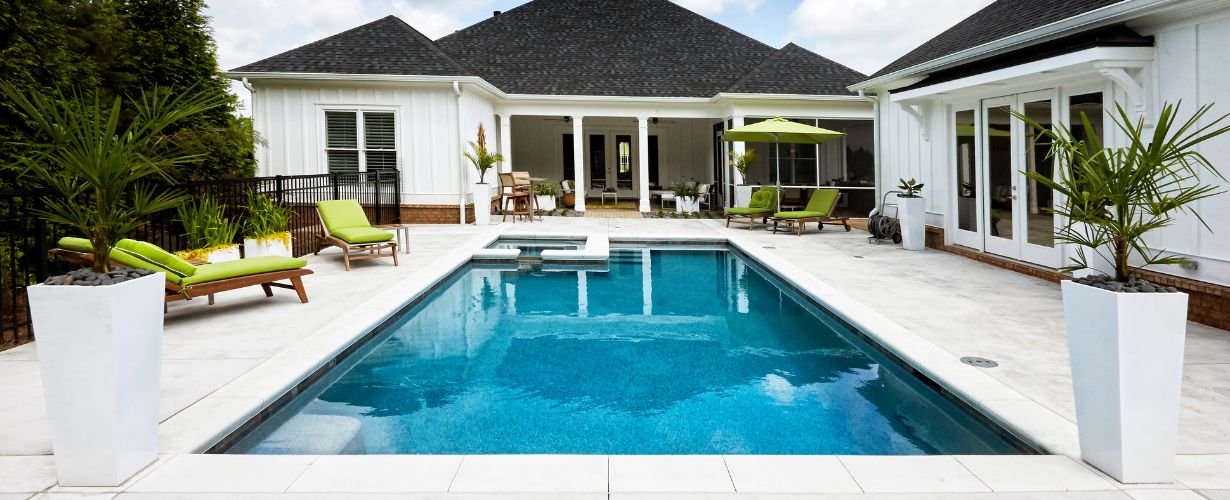
For residential pools, industry standards suggest a shallow end depth of 3.5 to 4 feet, and there’s good reason behind those numbers.
At this depth, most adults can stand comfortably with water at chest level. Kids who are learning to swim can touch the bottom while keeping their heads above water. Older family members can move around easily without feeling uneasy. The water is deep enough for a real swimming experience but still shallow enough to give a sense of safety and control.
The Association of Pool & Spa Professionals notes that the 3.5 to 4-foot range works well for many activities while keeping safety in mind for swimmers of all ages and skill levels.
Picture a sunny afternoon in your Parkland backyard. The shallow end becomes the hub of activity—where friends chat, non-swimmers enjoy the water, and kids gain confidence while playing instead of just taking lessons. This design isn’t random—it’s carefully planned to make everyone comfortable.
Even a difference of one foot—from 3 to 4 feet—can change how a pool feels. That extra depth can be the difference between a space that everyone loves to use and one that feels just a little off, even if you can’t explain why.
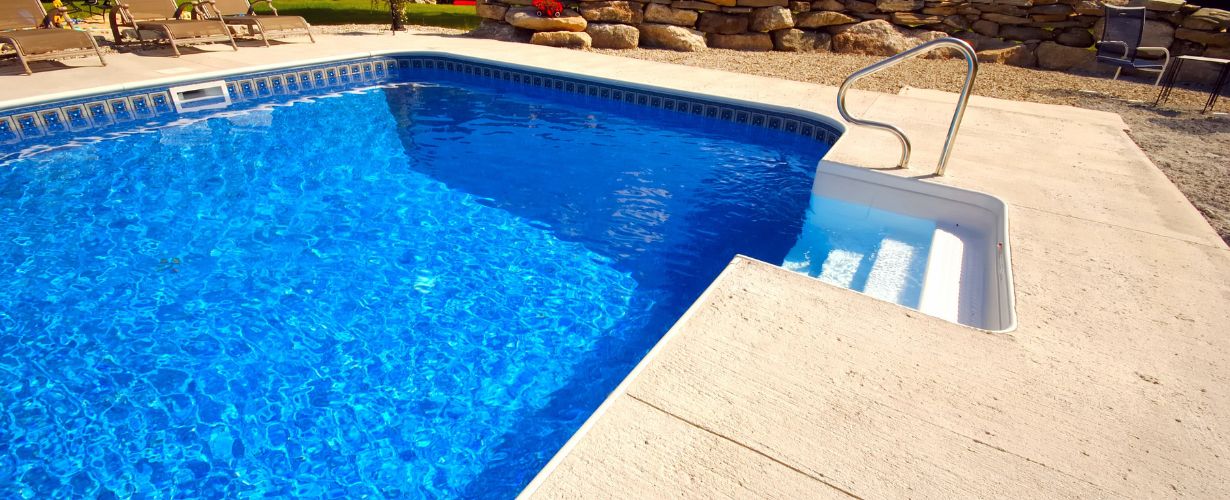
For pools with diving boards or platforms, Florida building codes and insurance requirements make proper depth and layout essential. The minimum safe depth for diving is 8 feet, accounting for both downward and forward movement—but the number alone doesn’t tell the whole story.
Under the Florida Building Code, diving areas must extend at least 16 feet from the board, and depth markers must be clearly visible, durable, and able to withstand outdoor conditions throughout the year.
The deep end isn’t just about meeting minimum standards—it’s designed to provide space for diving, underwater swimming, and other activities that need extra depth. Even adding just one more foot, making it 9 feet instead of 8, can turn a pool from simply meeting code into a truly practical space for swimming practice.
Depth also influences the overall feel of the pool. A pool ranging from 3.5 feet to 8.5 feet gives the impression of a serious swimming area, while pools with little depth variation can feel more like wading pools, even if they technically meet the requirements.
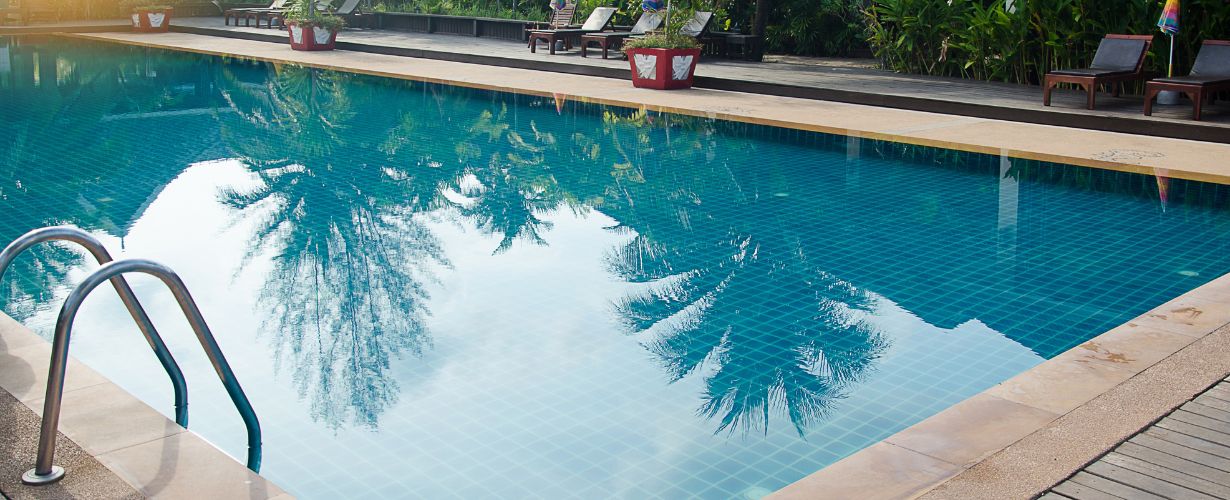
The slope from the shallow end to the deep end of a pool is more important than many homeowners realize. Experts suggest a gradual slope—about one foot of depth for every seven feet of horizontal distance. This ensures a smooth, comfortable transition while keeping different pool areas distinct.
Research from the National Swimming Pool Foundation shows that gentle depth changes make pools safer and easier to use, especially in homes with swimmers of all skill levels.
Think about how your family will actually use the pool in Celebration or West Palm Beach. For family gatherings, older relatives need a safe way to move from the shallow to deep end without sudden drops that could cause slips or panic. If teenagers swim laps, the slope should be long enough for safe turns without accidentally hitting shallow water.
A well-designed slope feels natural and almost invisible. A poorly designed one is noticeable—the water suddenly feels too deep or too shallow, making movement awkward.
Some West Palm Beach families add underwater benches around the 4-foot depth in the transition zone. These benches give swimmers a place to rest and adults a spot to sit while watching children. It’s a small, inexpensive feature that adds safety, comfort, and long-term value.
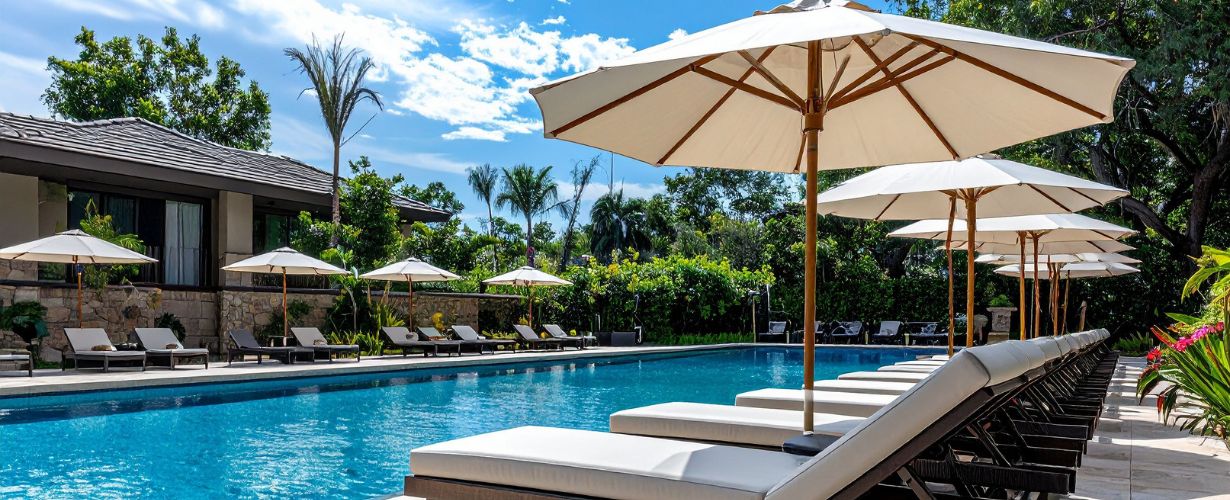
Backyard pools today are much more than simple rectangles. A feature that’s now common in high-end South Florida pools is the sun shelf, also called a tanning ledge or Baja bench.
These shallow areas, usually 6 to 12 inches deep, run along one side of the pool. In fact, more than 60% of new residential pools priced over $75,000 include a sun shelf, especially in places like Parkland and West Palm Beach, where outdoor living is a big part of daily life.
Sun shelves aren’t just stylish—they’re very practical. The shallow water is safe for young children to play in with little supervision. Adults who don’t swim can relax, read, or chat while staying partially in the pool. Even pets can enjoy the water without dealing with the deeper sections.
They create a kind of “in-between” zone—water that’s perfect for hanging out without swimming. This makes the pool more welcoming for families, especially when some members aren’t comfortable in deep water.
Imagine a weekend afternoon in a West Palm Beach backyard. The sun shelf becomes a spot to read, talk with family, or just relax while staying in the water. Its versatility—being in the pool without actually swimming—is why sun shelves have moved from a luxury feature to something most homeowners now expect.
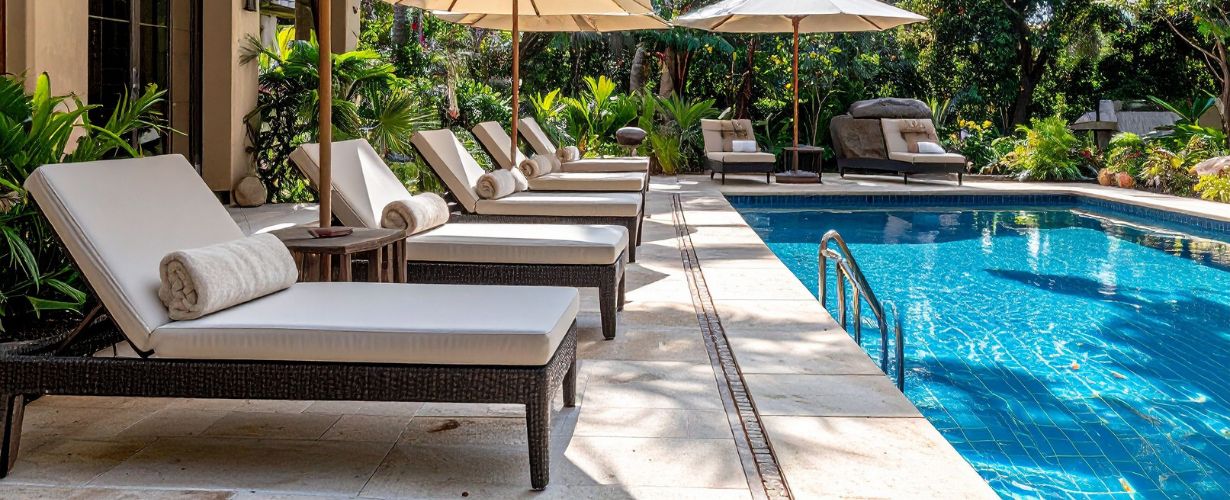
Building a pool in South Florida means planning for year-round use while following safety regulations shaped by decades of local experience. The Florida Building Code requires clear depth markers at both shallow and deep ends, along with approved safety signs that can withstand strong sun and humidity. Additionally, local areas like Orange and Seminole counties may have extra rules based on their community standards.
Beyond just meeting code, pool depths should reflect how people actually use their pools throughout the year. A pool designed only for summer swimming might feel too deep during cooler months when families mostly wade or hang out. On the other hand, a pool meant just for warm-weather comfort might be too shallow for active swimming, which South Florida allows nearly all year.
Planning for seasonal use is key. Many families in Dr. Phillips and Celebration find that including a mix of depths—like 6-inch sun shelves and 8-foot deep ends—makes the pool enjoyable year-round instead of only during the hottest months.
What the technical specs don’t show is this: the depth of your pool shapes how it will be used.
Shallow areas make great social spots. Deep areas are perfect for active play. Gentle slopes give people confidence moving through the water. Sun shelves are ideal for relaxing. Every depth choice is really a choice about the kind of experiences you want in your backyard.
When homeowners ask about the “right” depth for diving, they’re really asking if their pool will be the go-to hangout for their kids and their friends. Questions about the shallow end often reflect concerns about whether older family members will feel safe and comfortable. And when they ask about slopes or transitions, they’re trying to decide if the pool will bring people together or just look nice in photos.
Depth measurements matter because they create invisible lines between what’s possible and what’s not, what feels comfortable and what doesn’t, what will be remembered and what will be forgotten.
Planning your pool’s depth isn’t about getting it perfect. It’s about making intentional choices. Differences like 3.5 feet versus 4 feet, 8 feet versus 9 feet, or a 6-inch sun shelf versus a 12-inch one aren’t small—they decide how your family and guests will experience the water.
The ideal pool depth for your West Palm Beach or Parkland home depends on how you actually plan to use it.
Do you have young kids now who will be teenagers in a few years? Plan for both today’s safety and tomorrow’s athletic needs. Do you host guests often with different swimming skills? Include multiple depth zones so everyone can enjoy the pool comfortably. If your main goal is relaxation rather than exercise, think about adding shallow areas and sun shelves instead of a deep end.
While code requirements, safety rules, and insurance standards set the minimum, the real planning happens when you think about how you’ll live with the pool. Ask not just “what’s allowed?” but “what’s right for our family?”
Depth shapes everything in pool design. The choices you make now will affect every swim, every party, and every summer afternoon for years to come. Make them carefully, because they matter.
If you want a backyard pool that’s both beautiful and safe, you’re asking the right questions. At Epic Watershapes™, we can help you combine safety and style without compromise. Request a consultation, and let’s discuss what’s most important to your family, then create a pool that delivers on every level.
About the Author:
Henry Pierce is co-owner of aquaelitepool.com, and he brings 15+ years in luxury construction expertise to Aqua Elite Pool, combining engineering precision with designs that transform ordinary spaces into environments where families naturally gather and memories happen. When he’s not building pools, he spends time with his family, reading good books or playing tennis.