
Every great party has a moment.
Not the start, when everyone is still a little reserved. And not the end, when people are saying goodbye and talking about catching up again soon.
It’s that point in the middle often around sunset when the pool lights come on and something delicious has just come off the grill. Conversations loosen up. Laughing feels natural. Kids jump into the pool without a second thought, while adults gather nearby with a drink, chatting comfortably. Before you realise it, your backyard has become the place everyone wants to be.
That kind of moment doesn’t just happen on its own.
The best outdoor entertaining spaces in Boca Raton, West Palm Beach, and Parkland are designed with this in mind. Homeowners who get those casual compliments about their “amazing setup” understand one simple idea: the pool and the outdoor kitchen should work together. When they’re planned as one space, they create an easy flow that makes hosting feel natural and stress-free.
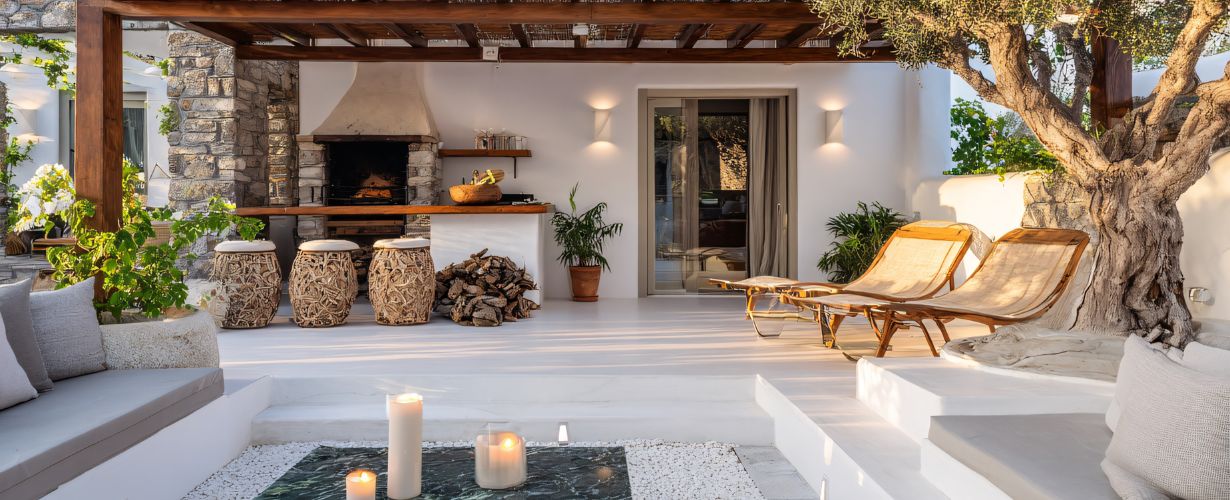
Stand in your backyard for a moment and picture how people move around.
Someone is cooking on the grill. Kids are splashing in the pool. Someone else is pouring drinks. Where do people naturally gather? How do they move between eating, swimming, and chatting?
The best outdoor kitchen and pool designs think about how people actually use the space when they’re relaxed and having fun.
A common issue is placing the grill on one side of the yard and the pool on the other. The host ends up walking back and forth all day, missing conversations and serving food that’s already gone cold. Instead of enjoying the party, they feel stuck working the whole time.
The fix is simple planning. Keep the outdoor kitchen close enough to the pool so the cook stays part of the action, but far enough away to stop smoke drifting over swimmers. This way, the person at the grill can chat, watch the kids, and enjoy the moment. Everything feels connected, and the space works smoothly for everyone.
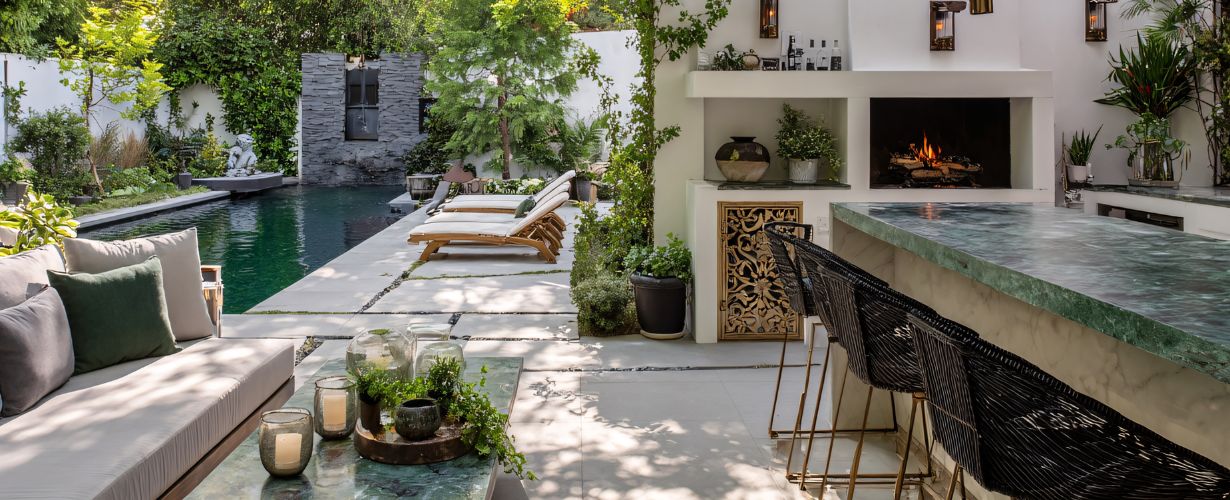
South Florida’s weather can be unpredictable, especially when it comes to outdoor cooking. Summer afternoons often feel hot, humid, and overwhelming, while winter evenings in Boca Raton can become surprisingly cool once the sun goes down. A well-designed outdoor kitchen needs to handle both conditions comfortably.
Recent housing trends show that Florida homeowners are placing more value on outdoor spaces that can stand up to changing weather. Many are choosing designs that stay functional year-round instead of only during perfect conditions.
A covered outdoor kitchen is a smart solution. It allows you to keep cooking even when a typical afternoon storm rolls in. It also offers much-needed shade during peak summer heat, when the sun can make surfaces unbearably hot. Just as importantly, it gives your outdoor kitchen a finished, planned look rather than something put together at the last minute.
Coverage doesn’t mean closing the space off. Popular designs include pergolas with adjustable canopies or open roof structures that protect from sun and rain while keeping clear views of the pool. The goal is shelter without feeling boxed in, so the space stays open and inviting.
Many homeowners are now choosing a “kitchen pavilion” style setup a covered cooking area with open sides facing the pool. During gatherings, it becomes both a cooking zone and a social hub. It naturally pulls people together while letting the person at the grill stay part of the fun happening in the water.
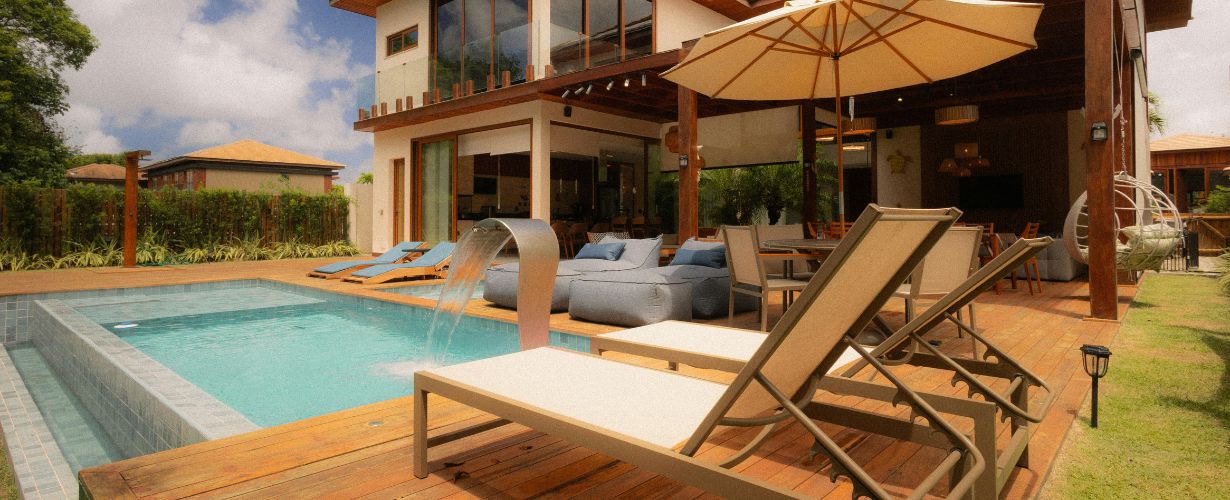
Professional chefs often talk about the “kitchen work triangle” how the fridge, sink, and stove should be placed to make cooking easier and faster. The same idea works for outdoor kitchens too, with one extra feature in mind: the pool.
Think about how people actually use the space during a get-together. Food comes off the grill and needs somewhere to be plated. Guests grab drinks. Someone wants to rinse their hands after being in the pool. Kids are asking for towels.
The best outdoor kitchens are laid out so everything flows smoothly. The grill sits close to a prep bench, which leads to a serving area and then the drinks station. Everything is just a few steps away. No one has to walk across the whole yard to find utensils, and no wet footprints trail across the patio to reach the fridge.
An L-shaped outdoor kitchen is a great example of this setup. The grill is positioned at one end, with a bar area at the other. In between, there’s bench space for prep, a sink with hot and cold water, and storage. The layout is angled toward the pool, so the person cooking can keep an eye on the kids while tending the grill.
The bar can include a small fridge set up in a practical way kids’ drinks on the lower shelves and adult drinks at eye level. Towels can be stored in a weatherproof cupboard close to the pool. Everything is easy to reach, well organised, and right where it’s needed.
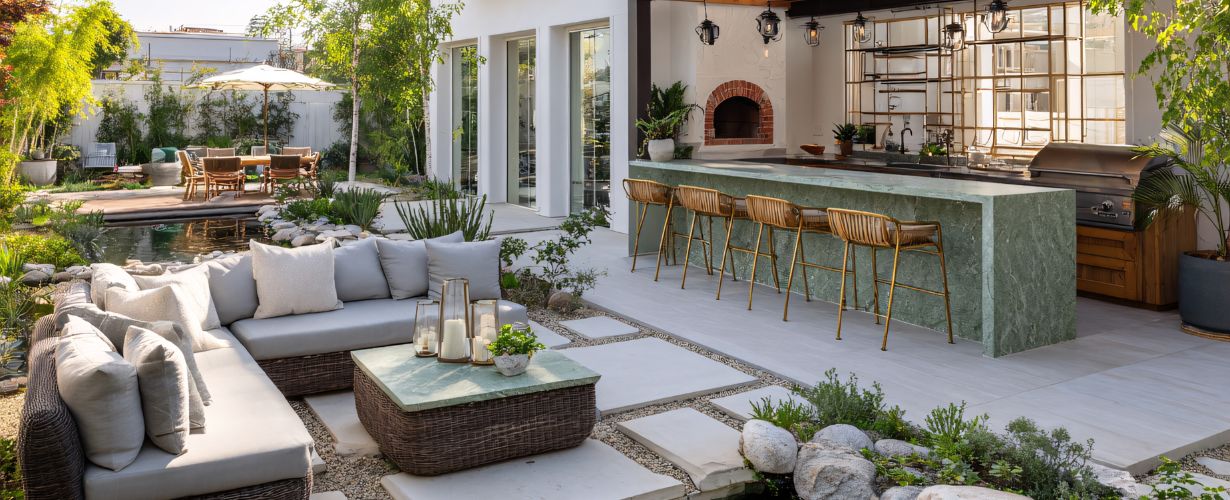
Here’s where a lot of outdoor kitchen plans go wrong: people try to copy their indoor kitchen outside, adding features they’ll only use once or twice a year.
Do you really need a pizza oven? A smoker? A warming drawer? A side burner that mostly ends up boiling corn?
Maybe. But probably not all of them.
The best outdoor kitchens focus on the basics first and only add extras when they truly fit your lifestyle. Start with a good grill gas for ease, or charcoal if you love the flavor. Make sure you have enough bench space for prep and serving, ideally around six feet. A small fridge saves constant trips inside. And a sink with running water often turns out to be more useful than almost anything else.
After that, it’s all about how you actually entertain.
If you host big weekend brunches, a flat-top grill for eggs and pancakes makes sense. If summer pool parties are more your style, good lighting and sound will matter more than extra cooking gear. If you genuinely enjoy slow-cooking brisket and don’t mind waiting all day, then a smoker is worth it.
But that huge six-burner grill with every attachment? Be honest when was the last time you used a rotisserie inside your house?
Try this simple exercise: write down every meal you’ve cooked outdoors in the past year. Burgers. Grilled chicken. Fish. Veggies. Maybe a steak now and then. If none of those need special equipment beyond a solid grill and good prep space, you might be better off spending that money on nice countertops, comfortable seating, and quality lighting that makes evenings feel special.
You might never miss the pizza oven but you’ll appreciate the right basics every single time you entertain.
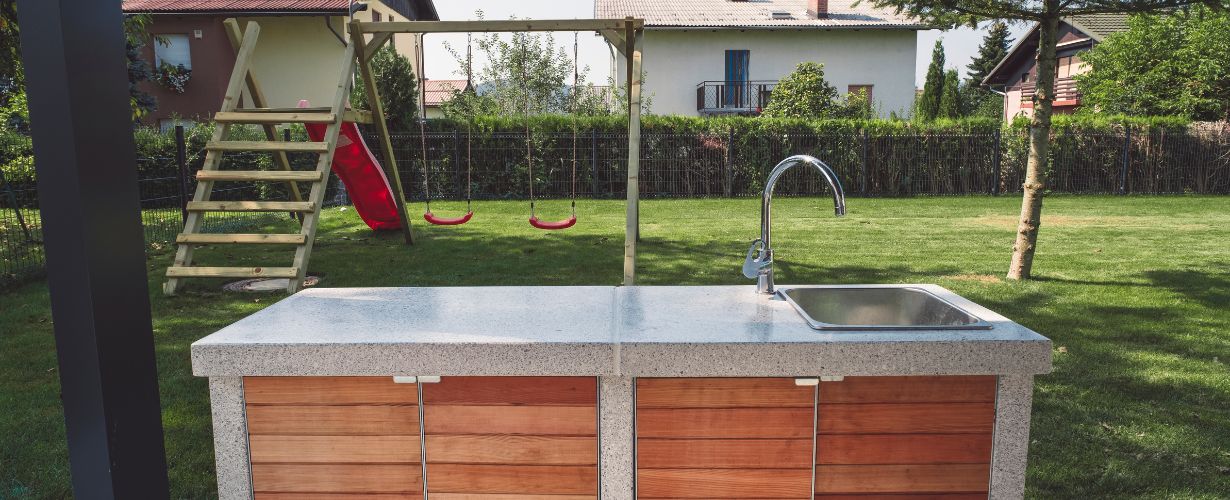
Some outdoor kitchens have roofs. Others are completely open to the sky. In Florida, that choice matters more than you might expect.
Open outdoor kitchens have real advantages. Smoke from the grill drifts away instead of getting trapped overhead. You get wide, open views of the pool and backyard. The space feels natural and relaxed perfect for Florida’s indoor-outdoor lifestyle. And when the weather is nice (which it is most of the year), an open kitchen just feels right.
But Florida weather can change fast. A sudden summer downpour can end a gathering quickly. Midday sun in July can make cooking uncomfortable. Even cooler winter evenings can send guests back inside sooner than planned.
Covered outdoor kitchens solve many of these problems. They protect your grill and appliances from constant sun and rain. They offer shade when it’s hot. And they help define the space, making large yards feel more purposeful and inviting.
There’s also a middle-ground option: partial coverage. You might add a roof just over the grill and prep area while keeping the rest open to the pool. A pergola can offer light shade without closing the space in. A retractable awning lets you choose between sun or shelter depending on the day.
One popular idea is a kitchen island with a floating roof a simple structure that shades the cooking area without blocking views. From the pool, you can still see across the yard. From the kitchen, you can keep an eye on everyone swimming.
This balance does something important. It makes the kitchen feel like a standout feature without cutting it off from the rest of the backyard. You stay connected to the outdoors just with better protection from the elements.
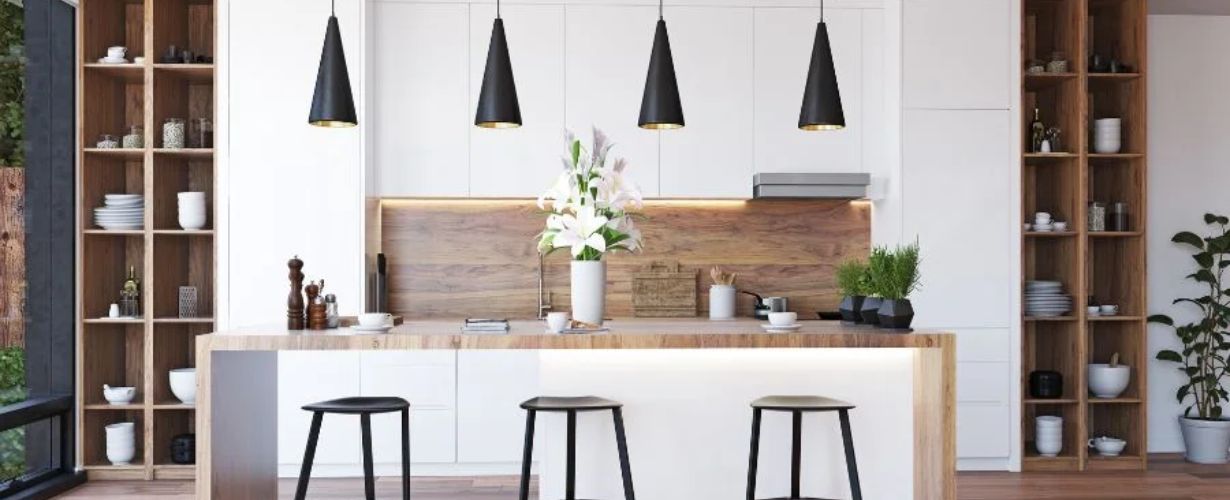
During Florida summers, the sun usually sets around 8 PM. That’s the perfect time for outdoor get-togethers. The heat starts to fade, kids are happily worn out from the pool, and adults are comfortable enough to sit back and enjoy the evening.
The right lighting decides whether that moment turns into a great night outside or whether everyone heads indoors because they can’t even see their food.
Outdoor kitchen lighting has three main jobs. First is task lighting, which helps you see clearly while cooking. Second is ambient lighting, which sets the overall mood. Third is accent lighting, which draws attention to the features you want people to notice.
Task lighting should be placed right above the grill and prep areas. It needs to be bright enough to cook safely and check food without guessing. LED strips under cabinets or shelves work well because they light the space evenly without shining in your eyes.
Ambient lighting is what makes the area feel welcoming. This can include pendant lights over a bar, string lights overhead, lanterns on counters, or candles in covered holders. The aim is warm, soft light that makes everyone look good and feel comfortable staying longer.
Accent lighting adds personality. This might be lights aimed at walls, trees, or landscaping, or pool lights that make the water glow at night. These are the details people notice, take photos of, and remember.
Soft LED lighting under outdoor kitchen counters can add a gentle glow that reflects off the pool after dark. It’s not flashy, but it makes the whole space feel connected and thoughtfully designed.
Keep focused lighting over the grill and maybe one pendant over the bar but don’t overdo it. Avoid harsh overhead lights or anything too bright. The goal is just enough light to cook and relax comfortably, with shadows that feel cozy, not dark.
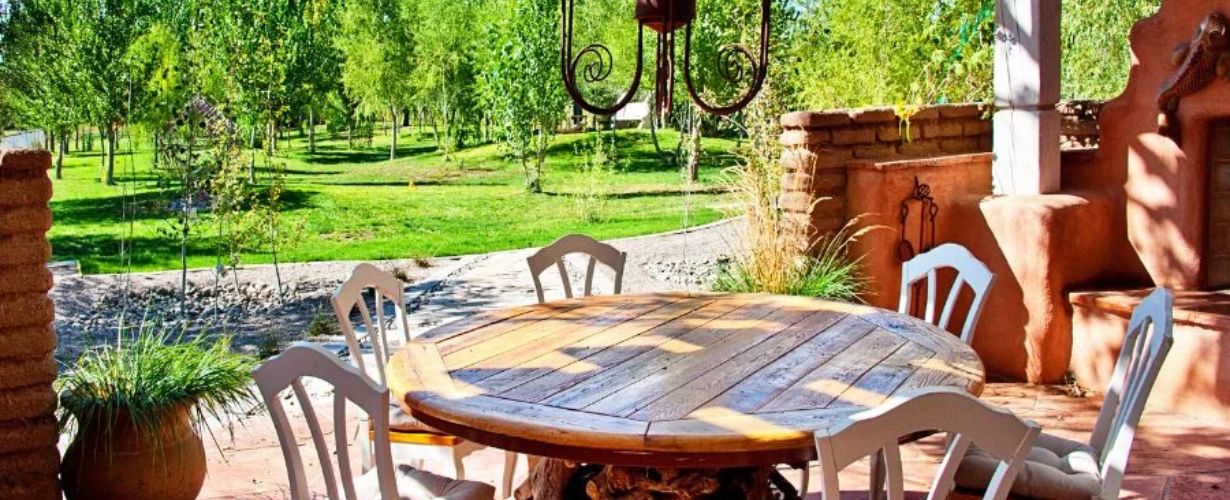
An outdoor kitchen without good seating is just an expensive place to cook outside.
How you arrange the seating and where you put it decides whether people stick around and chat or eat quickly and move on.
Bar seating along the kitchen counter helps guests stay connected with the cook. They can watch the food being prepared, pass a drink, or grab a quick bite straight from the grill. This setup encourages easy, natural conversation without the formality of sitting down for a full meal.
At the same time, your outdoor space should offer seating away from the kitchen. A dining table allows people to sit and eat properly. Lounge seating gives guests a place to relax, especially those who aren’t swimming. Poolside seating lets kids grab snacks without dripping water everywhere.
The best outdoor layouts divide the space into simple zones that work together. Bar stools near the kitchen for socialising. A dining table close by for meals. Comfortable chairs or a sofa set a little farther back so people can relax while still watching what’s happening. Sun loungers near the pool for reading or resting.
Each area has its own purpose, but they all feel connected. There are no walls or barriers just smart placement that lets people move easily from one activity to another.
You can think of these areas as small conversation spots spread throughout the space. Bar stools at the counter. A small table under an umbrella. A cosy lounge facing the pool. Poolside chairs with side tables.
During gatherings, guests naturally spread out between these areas. Some cook, some eat, some swim, and others sit and talk. No one spot feels crowded, and the whole space feels relaxed and welcoming.
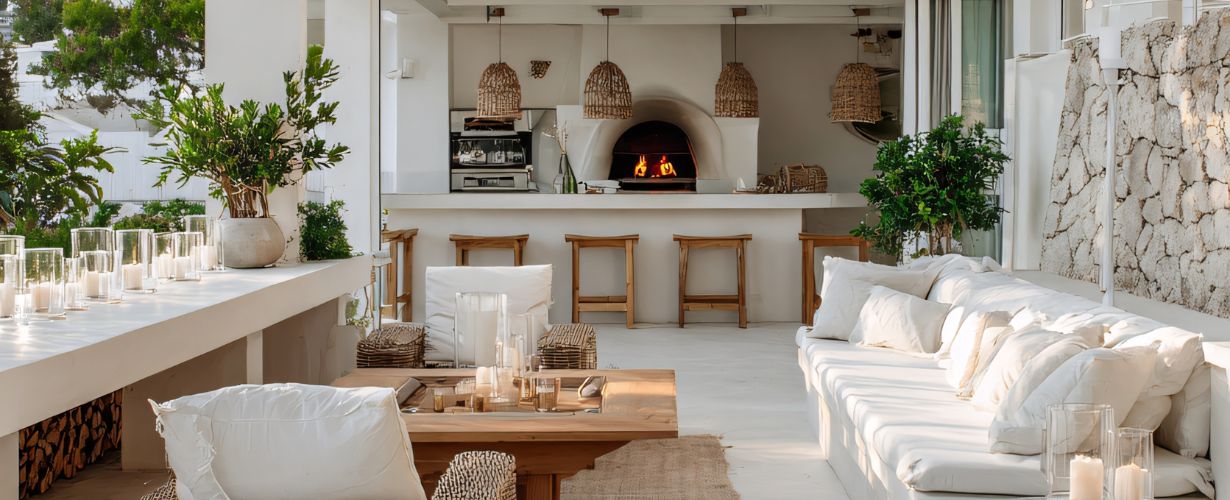
Here’s the honest reality about outdoor kitchens: they need proper setup behind the scenes.
You’ll need water lines, electricity, and possibly gas if you’re not going fully electric. You’ll also need drainage for the sink. All of this has to be installed the right way, follow building codes, and be able to handle Florida’s weather and constant outdoor use.
This is where many projects go over budget. Running utilities through your yard isn’t simple it often means digging trenches, getting permits, and hiring professionals. You’ll likely need a plumber, an electrician, and sometimes a gas specialist. If you’re also installing a pool, all of this work has to be carefully timed together.
Costs can rise fast, but cutting corners usually leads to bigger problems later.
Professionals strongly recommend using licensed contractors who understand outdoor installations and Florida building rules. Trying to handle electrical or gas work yourself isn’t just risky it’s often against the law and could even void your homeowner’s insurance if something goes wrong.
Another key factor is how far the kitchen is from your house. The farther it is from your main utility connections, the more complicated and expensive the installation becomes. That perfect spot at the far end of your yard may look great, but it could require long utility runs that significantly increase costs.
That’s why many designers place outdoor kitchens fairly close to the house not right next to it, but close enough to keep utility work reasonable. It also makes daily use easier, like carrying food, dishes, and supplies back and forth.
For example, placing an outdoor kitchen across the pool from the house might require 80 feet of utility lines to be run through landscaping, which means more digging and repairs. Moving the kitchen closer while still keeping it visually separate with smart layout and landscaping can save thousands of dollars and result in a more practical, enjoyable space.
Our climate calls for a few special considerations that outdoor kitchens in other parts of the country don’t usually need.
Heat resistance is essential. Florida’s sun can turn dark countertops into hot plates and make stainless steel painful to touch. Materials like stone or heat-rated composites hold up far better than surfaces that might work fine in cooler places but become a problem here.
Hurricane planning should be part of the design. Outdoor furniture and lighter items need a safe place to be stored. Built-in features should be strong enough to handle high winds. Your contractor should also be familiar with Florida Building Code requirements, especially in areas like Boca Raton and other parts of South Florida that can be affected by tropical storms.
Good drainage avoids bigger issues later. Heavy rain is common here getting a couple of inches in half an hour during summer isn’t unusual. Outdoor kitchens should be sloped away from buildings, have proper drainage, and use materials that don’t trap standing water, which can attract mosquitoes.
Pests need to be considered. Fire ants, palmetto bugs, and even the occasional snake are part of life in Florida. Sealed cabinets help keep them out, good lighting reduces mosquitoes, and regular upkeep prevents pests from settling in.
None of these challenges are deal breakers. They just require smart planning that’s tailored to our environment.
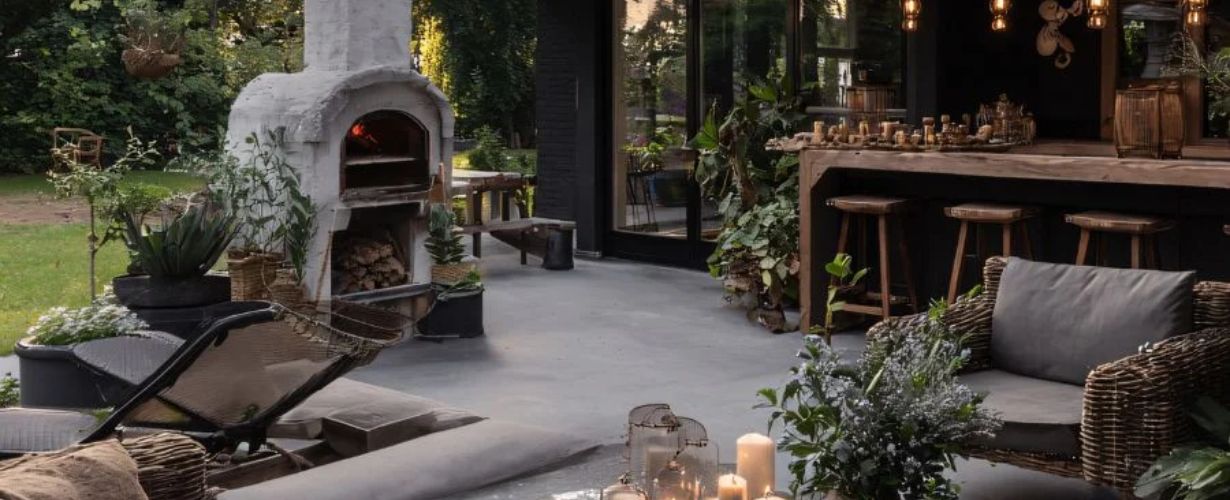
Outdoor kitchens and pools are a big investment. In areas like Parkland and West Palm Beach, costs often range from $50,000 to $150,000 or more, depending on the size, materials, and overall design. That’s a reality worth being upfront about.
But the value goes well beyond resale numbers. These spaces change how people use their homes. Kids are more likely to invite friends over instead of heading out. Family meals feel more special. Hosting becomes easier and more enjoyable, turning everyday moments into lasting memories.
There are also financial benefits that don’t show up in a property valuation. Eating at home more often means fewer restaurant bills. Entertaining guests in your own space can cost far less than booking venues. And there’s real value in having a space that matches how you actually want to live.
That said, real estate experts do agree that well-designed outdoor living areas boost home value. Many homeowners see around 60–80% of the cost reflected in the home’s value right away, with the rest often gained through faster sales and stronger buyer interest later on.
The smartest way to plan this kind of project is to start with what you truly need and build from there. A simple, practical outdoor kitchen paired with a pool already adds strong value. Extras like a pizza oven, better lighting, or more seating can always come later.
Taking a staged approach lets you spread out the cost and make better choices. You might begin with the basics a grill, small fridge, prep space, sink, and some cover. After using the area for a year or two, it becomes clear what’s missing. Maybe it’s a bar, better countertops, more shade, or ceiling fans. Each upgrade then feels purposeful, adding enjoyment without the stress of trying to get everything perfect from day one.
Your outdoor kitchen and pool truly feel finished when hosting becomes effortless.
When you can invite people over on short notice and everything just works. When cooking for a big group feels comfortable because the space is set up properly. When guests stay longer simply because the area feels welcoming.
That’s the real sign of success not the brands you chose or the features you added, but how easily the space supports relaxed, memorable get-togethers in your own backyard.
The best outdoor spaces in Boca Raton’s premium neighborhoods from Boca Raton to West Palm Beach have one thing in common: they feel complete without feeling overdone. Everything you need is there, and nothing feels unnecessary or crowded.
Because it all works so smoothly, guests don’t think about the planning or investment behind it. They just enjoy themselves. The food tastes great. The atmosphere feels right. The night unfolds perfectly. And they leave thinking, we should do this more often.
That’s when you know you got it right.
Here’s a clearer, more natural version with simple language and an easy flow:
Epic Watershapes™ works with families across Boca Raton to design outdoor kitchens and pool spaces that change the way they relax and entertain at home. From Fort Lauderdale and Parkland to West Palm Beach, Celebration, and Boca Raton, we’ve seen that the best outdoor spaces start with how people really use their backyards not just what looks good in photos.
The most enjoyable projects aren’t always the biggest or most detailed. They’re the ones where smart planning, durable materials, and the right features come together naturally. When the kitchen and pool are laid out well, hosting friends and family feels easy and comfortable. These designs bring everyday enjoyment while also adding lasting value to the home.
Every area has its own challenges and opportunities. Homes in West Palm Beach communities, for example, differ from the established, tree-filled properties in Boca Raton. Knowing these local details helps us design outdoor spaces that suit your home and lifestyle, instead of following a one-size-fits-all approach.
If you’re thinking about adding an outdoor kitchen and pool, it starts with understanding how you live and entertain. From there, the design grows into a space that fits your needs, your style, and your budget.
About the Author:
Henry Pierce is co-owner of aquaelitepool.com, and he brings 15+ years in luxury construction expertise to Aqua Elite Pool, combining engineering precision with designs that transform ordinary spaces into environments where families naturally gather and memories happen. When he’s not building pools, he spends time with his family, reading good books or playing tennis.