
There’s a special moment during luxury home tours—the pause when buyers first lay eyes on an extraordinary pool. Not just any pool, but one that transforms the entire property.
You see it every time: a quick intake of breath, a subtle shift in posture, a brief stop in conversation before someone says, “This is exactly what we’ve been looking for.”
And that reaction isn’t just emotional—it shows up in the numbers. Recent market data from West Palm Beach and other top South Florida communities shows that homes with high-end pool features often sell for 8% to 15% more than similar homes without them. These are significant, measurable differences that appear in appraisals and closing statements.
But here’s the catch most pool builders don’t mention: many flashy features—like elaborate rock formations, themed grottos, or trendy designs—rarely boost resale value enough to justify their cost.
The real question isn’t whether luxury pools add value—it’s which features actually do.
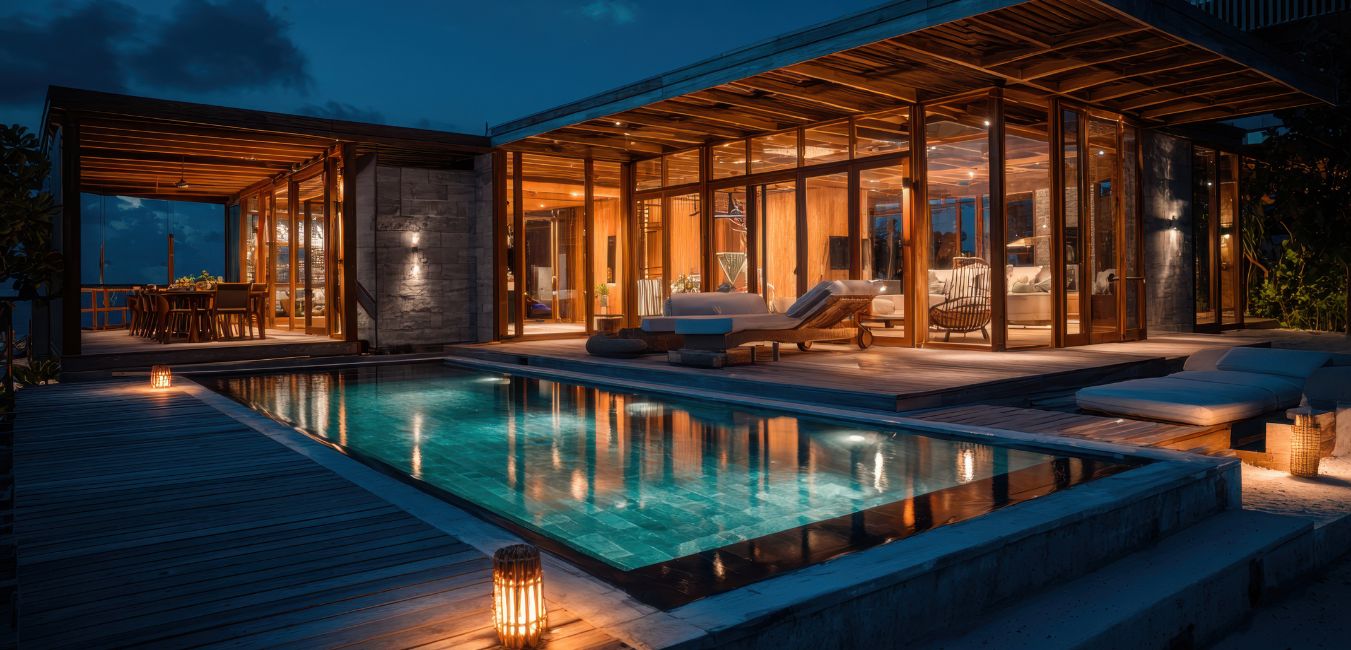
These days, almost every luxury hotel features an infinity-edge pool—and there’s a good reason for it. These pools remove the visual barrier between the water and the horizon, creating a smooth, uninterrupted view that blends the pool with the surrounding landscape. They also photograph beautifully—a key factor in today’s market, where images often influence real estate decisions.
In South Florida’s most desirable communities—Palm Beach, Boca Raton, Delray Beach, Wellington, Singer Island, and West Palm Beach—homes with infinity-edge pools consistently sell for higher price-per-square-foot compared to similar homes with traditional pools. The impact is even stronger for properties with waterfront views or those overlooking conservation areas.
So, why do infinity-edge pools offer more than just good looks? They represent advanced construction and engineering that set luxury homes apart from standard residential builds. The design is complex, the installation requires skill, and it’s not something that can be added later with simple cosmetic fixes.
In the West Palm Beach and South Florida market, building an infinity-edge pool typically adds $25,000 to $40,000 to the project cost. Yet real estate experts note that this feature can boost a home’s perceived value by $60,000 to $90,000 when evaluated by the right buyers.
Looking at sales data from South Florida’s luxury market, the return on investment for an infinity-edge pool is clear.
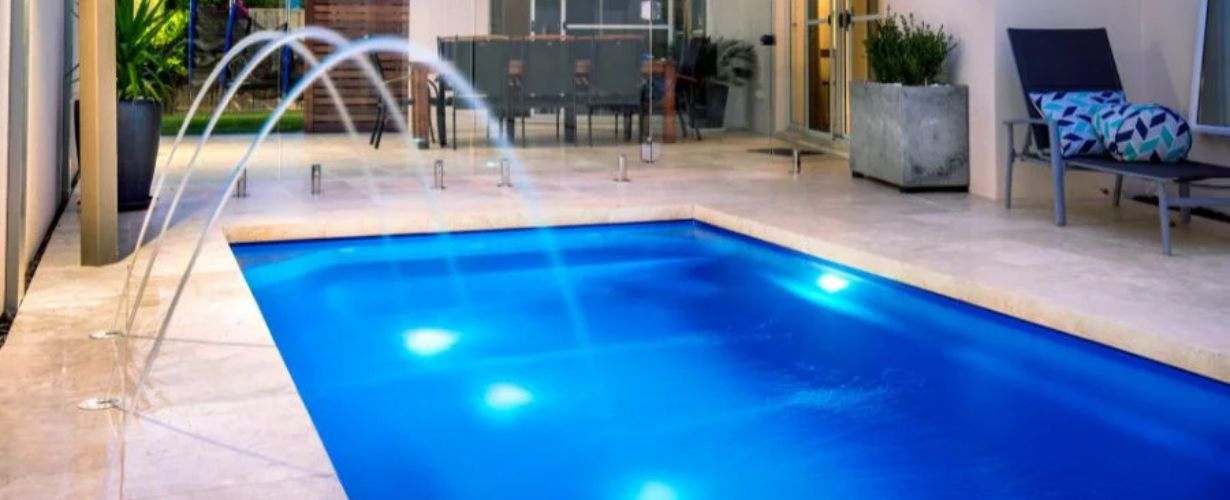
Think about the little hassles of owning a traditional pool: stepping outside to adjust the heater, struggling with equipment controls, guessing the right chemical levels, or remembering to turn systems on and off. Each of these small annoyances can make using an expensive pool less appealing.
Modern pool automation removes all these obstacles. With a complete automation system, homeowners can manage heating, lighting, water features, circulation, and chemical levels right from a smartphone.
The benefits go beyond just convenience. High-end systems can connect with your whole-home smart platform, learn your habits to pre-heat the pool before you usually swim, monitor chemicals to prevent issues, and even save 20–30% on energy by scheduling smartly.
For buyers used to controlling lights, climate, and security from their phones, a manually operated pool can feel outdated. You might not notice automation during a property tour, but its absence is obvious when deciding whether to buy.
A full automation system typically costs between $3,500 and $8,000. The payoff isn’t just higher resale value—it’s enjoying your pool more often and more easily.
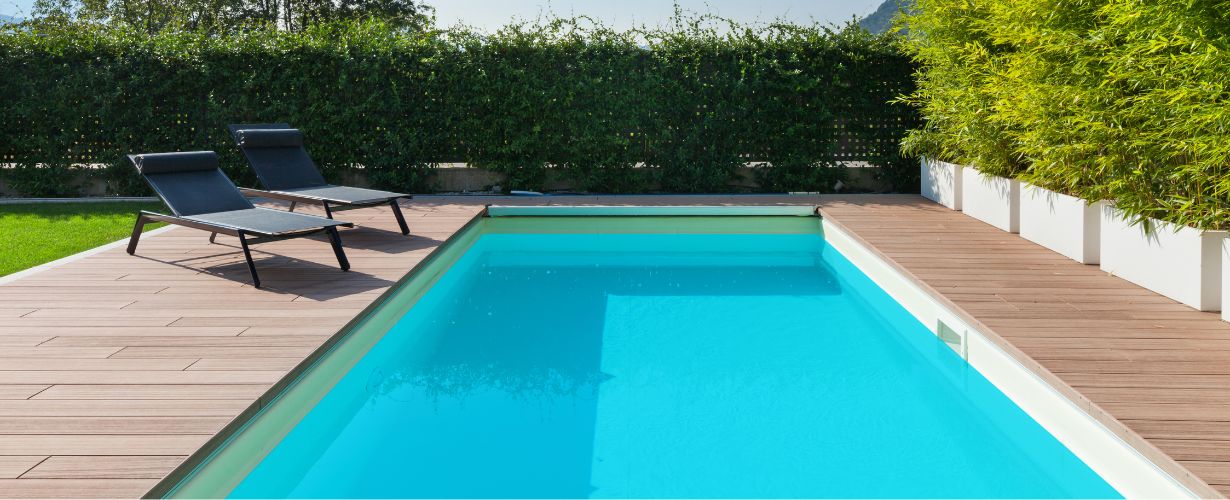
Standard plaster pool surfaces may look fine at first, but their shortcomings become obvious over time. Within three to five years, surfaces start to show wear, stains appear along the waterline, and what once looked acceptable begins to feel dated.
Premium finishes—like glass bead, quartz aggregate, or pebble—offer a completely different experience from day one. Water looks clearer and more vibrant, light dances across textured surfaces, and the feel underfoot is noticeably more refined.
The benefits aren’t just visual. Premium finishes usually last 15–20 years, compared to 7–10 years for standard plaster, meaning fewer repairs and less frequent resurfacing over the long term.
Savvy buyers think ahead. A pool with high-quality finishes signals lower future costs, while a pool with worn plaster indicates an $8,000–$12,000 resurfacing project will likely be needed soon after purchase.
While premium finishes can cost $10,000–$18,000 more than standard plaster for a typical residential pool, this investment buys 8–10 additional years of service life and avoids a major expense buyers would otherwise factor into their offer.
In competitive luxury markets, that difference can make a big impact.
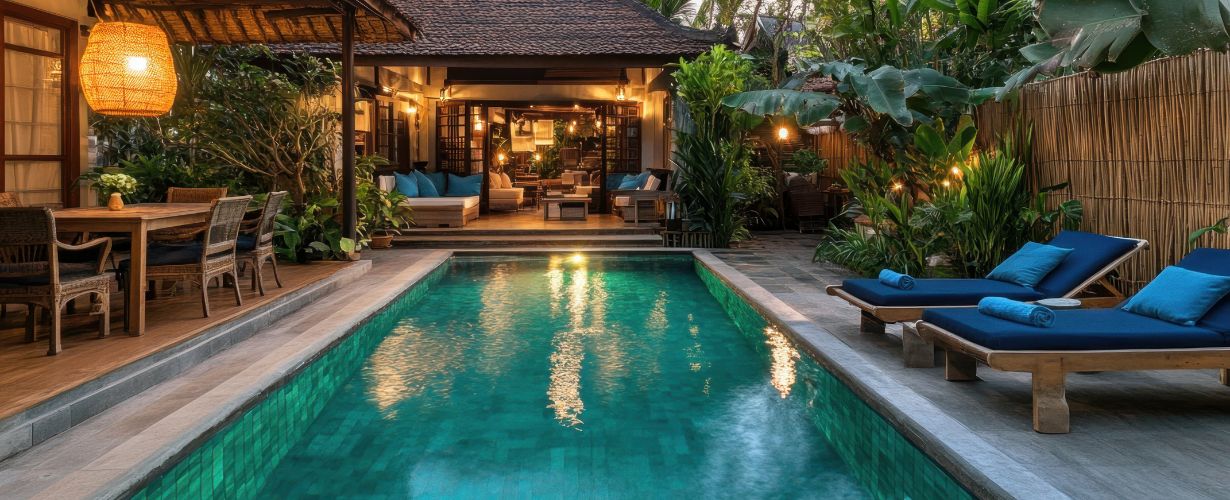
Imagine two scenarios: A standalone hot tub positioned awkwardly on a pool deck, clearly added as an afterthought. Versus an elevated spa that shares the pool’s aesthetic language, uses identical premium finishes, and creates visual continuity through spillover water effects.
The market response to these scenarios differs dramatically.
Integrated spa features that create elevation changes and water movement address multiple objectives simultaneously. They extend comfortable water use into cooler months through higher water temperatures. They add architectural interest through level variation. And they create the sound and movement of water features without the maintenance complexity of separate waterfall systems.
The practical benefits resonate across demographics. Empty nesters appreciate wellness amenities that support aging-in-place strategies. Young families value year-round water enjoyment without leaving the property. Both groups respond to the increased visual sophistication.
Construction costs typically range from $8,000 to $15,000 beyond basic pool installation. The feature appeals broadly enough to enhance rather than limit your eventual buyer pool.
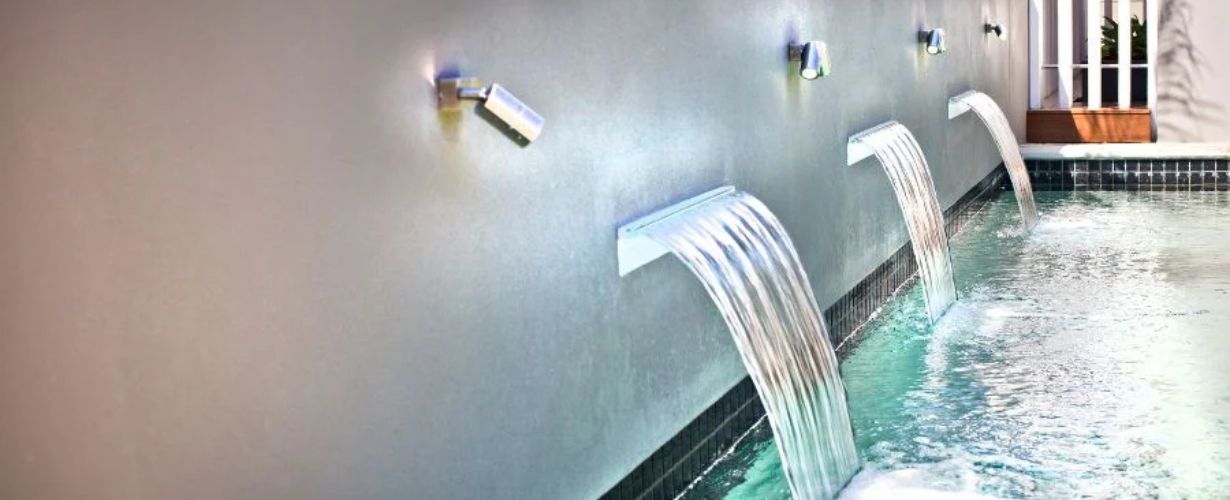
Market data shows an interesting trend: elaborate rock waterfalls and grotto-style structures look amazing in photos during construction, but they often don’t add as much value to a home as their high cost suggests. These features need special maintenance, can make a pool look dated over time, and tend to split opinions among buyers rather than appeal to everyone.
Some water features, however, stand the test of time.
The pattern is clear: water features that fit naturally with the pool’s design age better than those trying to mimic natural landscapes. Features that circulate water and stay cleaner on their own require less ongoing care than multi-surface rock structures that collect debris.
Cost-wise, simple water features typically run $2,000 to $8,000 installed, while elaborate rock constructions can reach $25,000 to $60,000. Interestingly, higher cost doesn’t always equal higher value—sometimes the simplest designs create the strongest visual impact and appeal to the widest range of buyers.
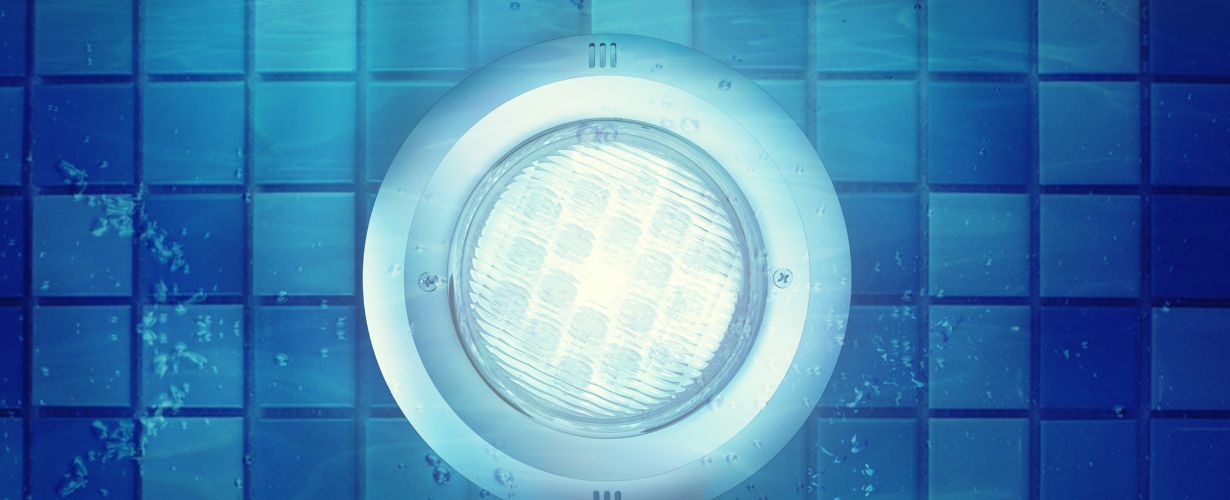
Lighting is one of the most underrated features in luxury pool design. It’s not that people don’t notice it—quite the opposite. When done right, lighting can completely change how a pool looks and feels, especially during the hours when most homeowners are actually home to enjoy it.
Modern LED pool lighting can change colors and be controlled remotely, but the real magic happens after dark. A well-lit pool becomes the centerpiece of the outdoor space, drawing attention and creating a stunning view.
Good lighting serves several purposes at once. It allows the pool to be used in the evening, sets the right mood for entertaining, improves safety, and enhances the view from inside the home. This is especially important in places like Florida, where connecting indoor and outdoor spaces visually is a big part of home design.
Many pool owners treat lighting as an afterthought, adding a few basic fixtures around the pool. A thoughtful lighting plan, however, takes into account the pool’s shape, the views from the house, and the mood you want at different times of day. It combines multiple light sources at different levels to create depth, interest, and a beautiful atmosphere instead of just flat, generic lighting.
High-quality LED systems typically cost between $3,000 and $7,000 installed. That investment pays off every evening, during every outdoor gathering, and every time homeowners admire the space they’ve created from inside their home.
Knowing which pool features truly add value is just as important as knowing which don’t.
Features like elaborate slide systems may attract families with young kids, but they lose appeal as children grow—and can even turn off buyers without kids. Underwater sound systems sound impressive but are rarely used in most homes. Custom tile mosaics or detailed artwork may look amazing, but their very specific style can limit your pool’s appeal to a smaller group of buyers.
Elements like beach entries and large tanning ledges are now so common in new homes that buyers expect them—they don’t increase the price. Pool volleyball and basketball setups are cheap, photograph well, but rarely influence a buyer’s decision.
The takeaway is clear: features that appeal to a wide range of buyers over time add real value. Features aimed at specific tastes or life stages usually do not.
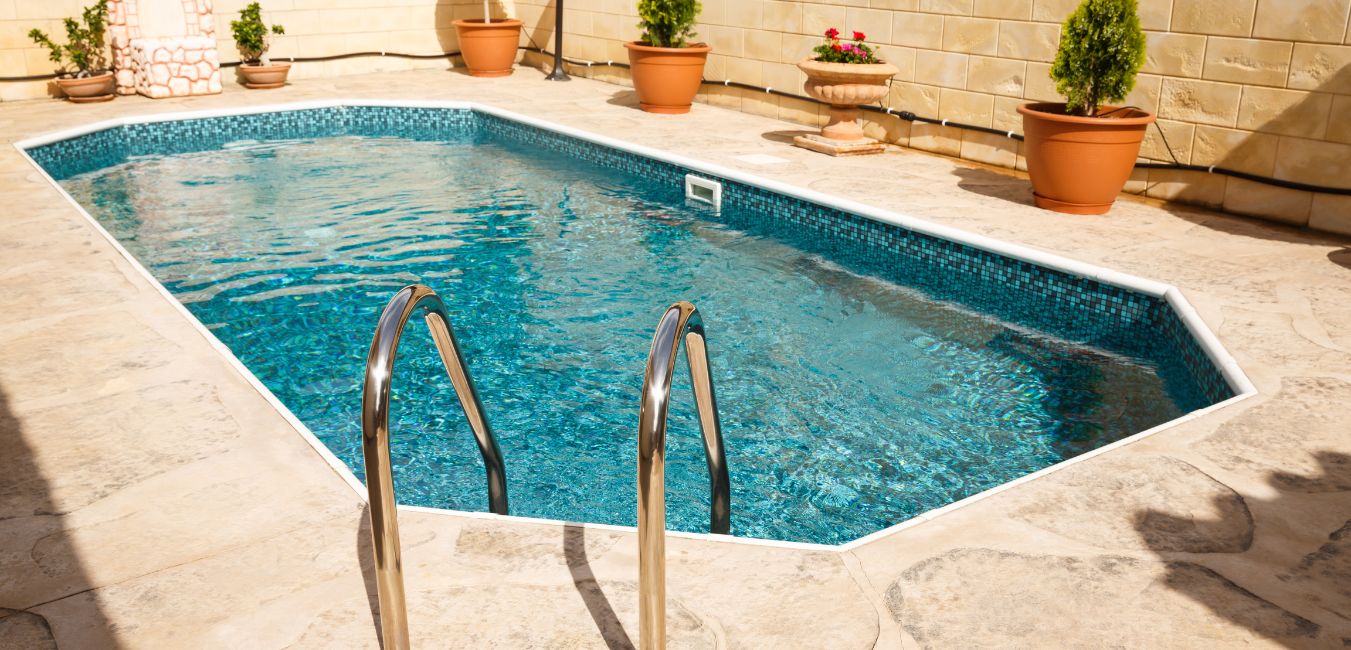
The luxury pool market in West Palm Beach occupies a unique spot. We’re not like California, where outdoor living is a year-round expectation, and we’re not like Arizona, where pools mainly serve as a way to cool off. In South Florida, pools are very desirable but not strictly necessary. This makes features that make a pool feel essential—rather than just nice—especially important.
Data from West Palm Beach and nearby South Florida areas shows that high-end pool features can have a big impact on how quickly luxury homes sell. Homes with well-designed pools can sell 15–20% faster than similar homes with simpler pools.
That speed matters. In the high-end market, every month a home stays unsold adds costs and reduces pricing power. Pools that help a property sell faster bring value far beyond their initial price.
The most valuable luxury pools have one thing in common: everything works together. Each feature should support the overall design, not compete for attention.
For example, an infinity edge paired with basic plaster sends mixed signals about quality. High-end finishes without proper lighting miss their full potential. Smart automation in a pool with outdated visuals solves the wrong problem.
Instead of just adding flashy features, focus on creating a complete experience. Automation should make the infinity edge more usable. Premium finishes should highlight sophisticated lighting. A spa should enhance the pool’s overall look rather than feel out of place.
The key is understanding that the goal isn’t to have the most features—it’s to design a pool that instantly feels exceptional to anyone who sees it.
Choosing luxury pool features is a long-term decision—it’s about the next fifteen years, not just the construction phase. The choices you make now will either feel timeless or quickly become outdated. They can make your life easier or more complicated, and they can either appeal to many future buyers or only a few.
Pools that age gracefully have something in common: they focus on fundamentals rather than flashy trends. They pick features that enhance the experience instead of dominating it. They prioritize quality in the elements you interact with daily—things like water clarity, ease of operation, and the view from inside your home.
Research shows that homeowners who invest in high-quality pool features often recover 60–80% of the cost when they sell, with some features—like infinity edges or full automation systems—recovering almost the entire investment in hot markets.
But the numbers only tell part of the story. You’ll be living with your pool choices every day for years before resale ever matters. The real question isn’t just, “Will this add value when I sell?” It’s, “Will this make my life better while I own it?”
The best luxury pool features answer both questions the same way. Features that make your pool easier to use, more beautiful to look at, and more fun to enjoy with family and friends also increase its resale value. That’s not a coincidence—it’s the result of choosing quality and timeless design over temporary trends.
About the Author:
Henry Pierce is co-owner of aquaelitepool.com, and he brings 15+ years in luxury construction expertise to Aqua Elite Pool, combining engineering precision with designs that transform ordinary spaces into environments where families naturally gather and memories happen. When he’s not building pools, he spends time with his family, reading good books or playing tennis.