
A pool is more than a luxury, it is a smart investment that upgrades your property aesthetics and values. With warm weather, long summers and an outdoor- focused culture, pools become a central part of everyday living for many homeowners. But Florida’s tropical climate also brings unique challenges such as intense sun exposure, high humidity, heavy rainfall, and salt in the air, all of which can impact your pool’s condition over time.
Long-term pool maintenance isn’t just about keeping the water clean, it’s about protecting your investment, maintaining safety, preserving visual appeal, and ensuring your pool performs efficiently year after year. This guide shares expert long-term pool maintenance tips specifically designed for West Palm Beach homes, helping you avoid costly repairs, extend your pool’s lifespan, and enjoy stress-free pool ownership.
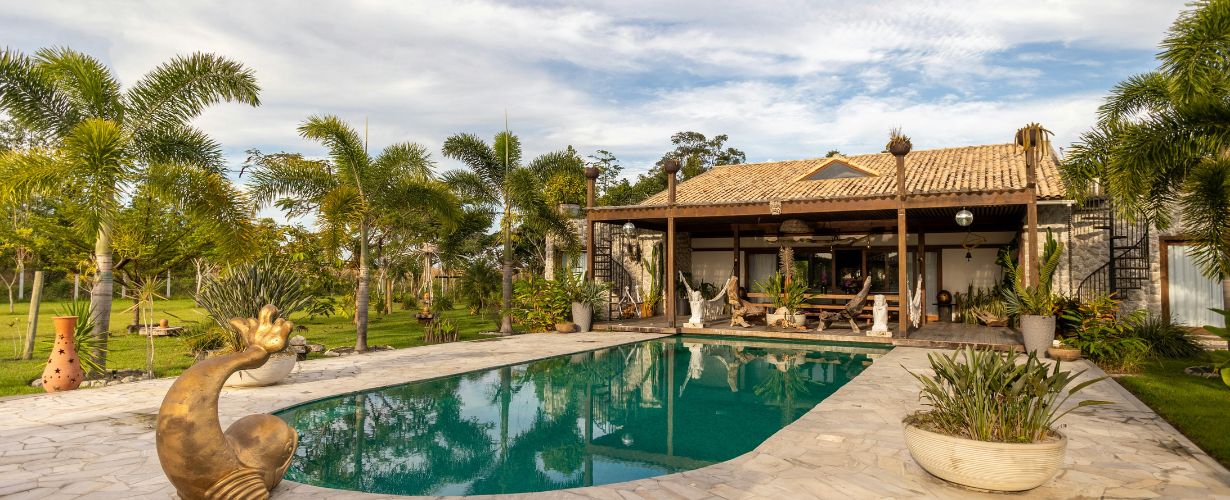
West Palm Beach’s tropical climate creates ideal swimming conditions, but it also accelerates wear and tear on pool surfaces, equipment, and water systems. Heat, humidity, algae growth, and storm exposure can quickly damage poorly maintained pools.
Long-term maintenance protects your pool structure, keeps systems running efficiently, reduces major repair costs, and preserves property value. More importantly, it ensures your pool remains safe, hygienic, and enjoyable for your family and guests throughout the year.
These are some essential strategies that everyone should follow to protect their investment, prevent costly damages and ensure a long term performance of the pool.
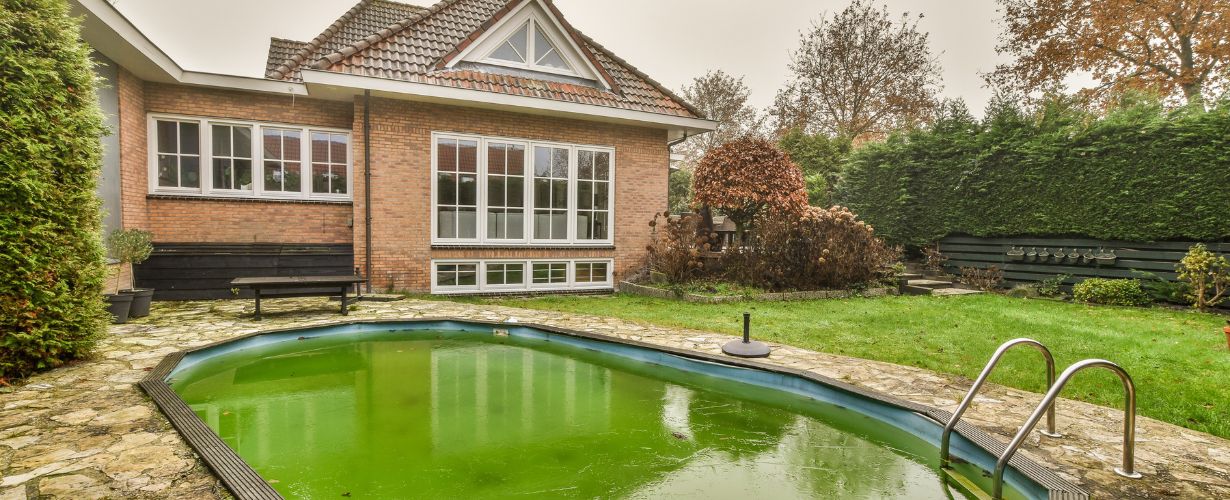
Healthy pool water starts with balance. In a warm climate like Florida, even small chemical imbalances can quickly lead to algae growth, surface damage, cloudy water, and equipment corrosion. Regular chemical management is essential for protecting both your pool structure and swimmer health.
Key maintenance actions:
Consistent water chemistry management prevents long-term structural damage and keeps your pool safe, clean, and visually inviting.
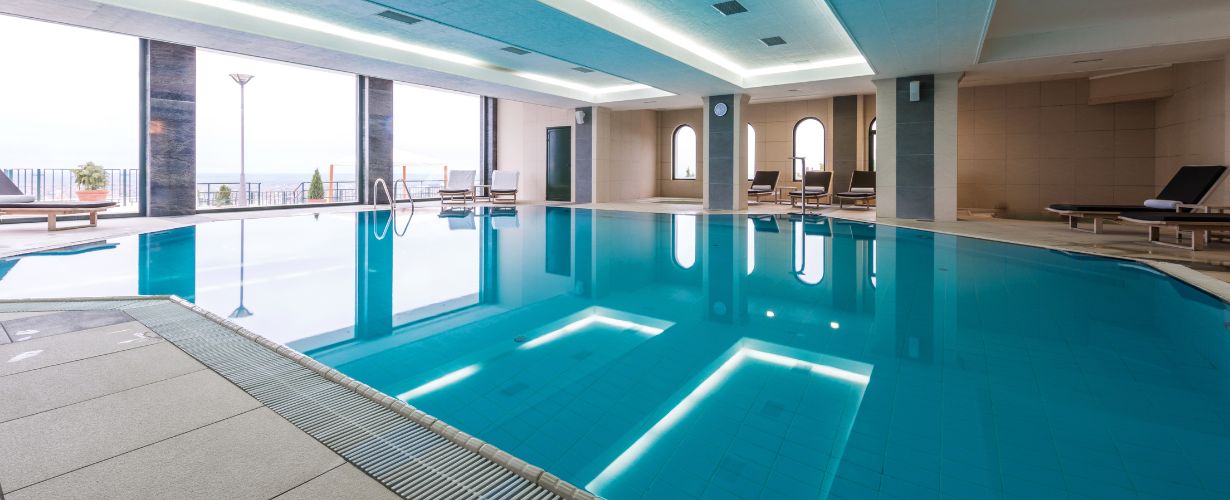
The pool’s surface is one of the most valuable components. It is constantly exposed to chemicals, UV rays and physical activity. Without proper care and maintenance the surface deteriorates through erosion. Staining, crackling and rough texture development.
Surface protection tips:
Maintaining your pool finish preserves beauty, comfort, and long-term durability.
Filters are the heart of your pool’s circulation system. They remove debris, dirt, oils, and contaminants from the water. Frequent storms, palm debris, pollen, and sand can clog filters quickly, reducing system efficiency.
Filter care essentials:
Clean filters protect water quality, reduce chemical usage, and extend equipment lifespan
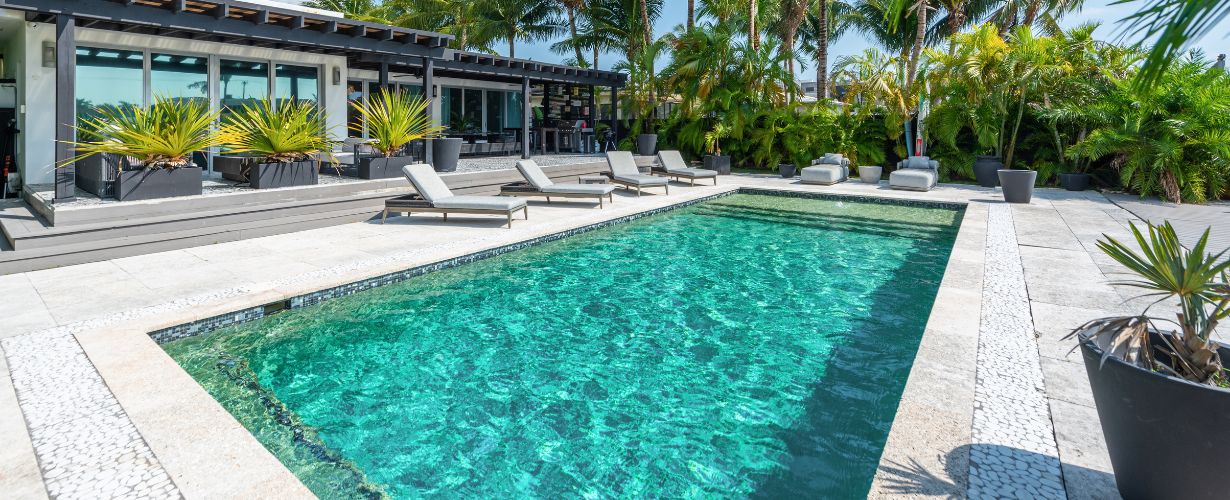
Pumps, heaters, chlorinators, automation systems, and plumbing lines operate continuously in Florida’s demanding climate. Heat and humidity accelerate wear, making routine inspections essential for long-term reliability.Preventive maintenance is far more cost-effective than emergency repairs.
Equipment maintenance checklist:
Preventive maintenance ensures efficient operation and reduces long-term operating costs.
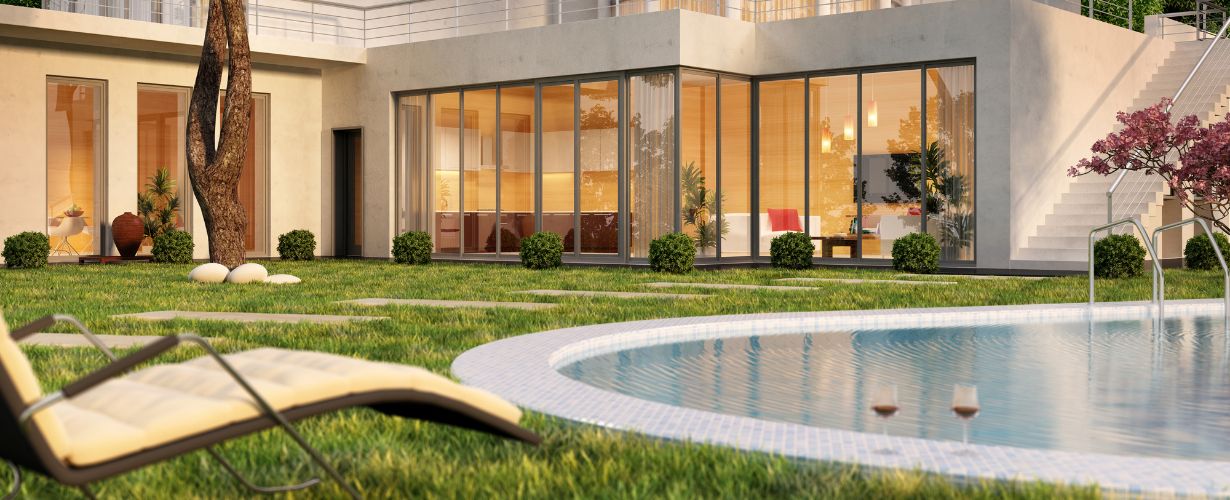
Algae thrives in warm, humid environments like South Florida. Once established, it spreads quickly and becomes difficult to remove, often requiring aggressive treatments and deep cleaning.
Algae prevention strategies:
Proactive algae control keeps your pool hygienic and visually appealing year-round.
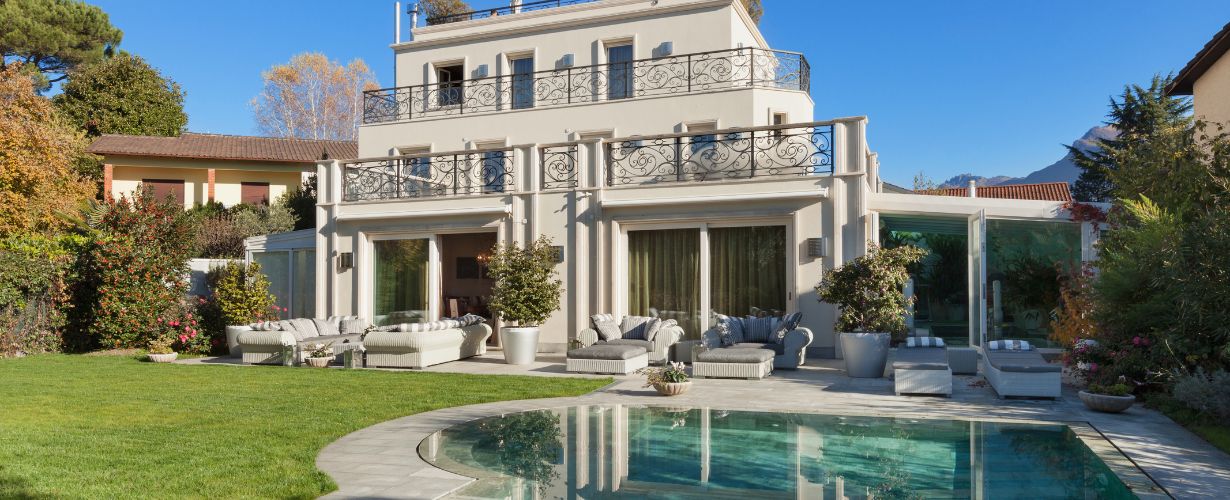
West Palm Beach pools face seasonal storms, heavy rainfall, strong winds, and hurricane risks. Debris, flooding, and contamination can cause serious damage if not properly managed.
Storm protection tips:
Weather preparedness protects your pool structure, equipment, and water quality.
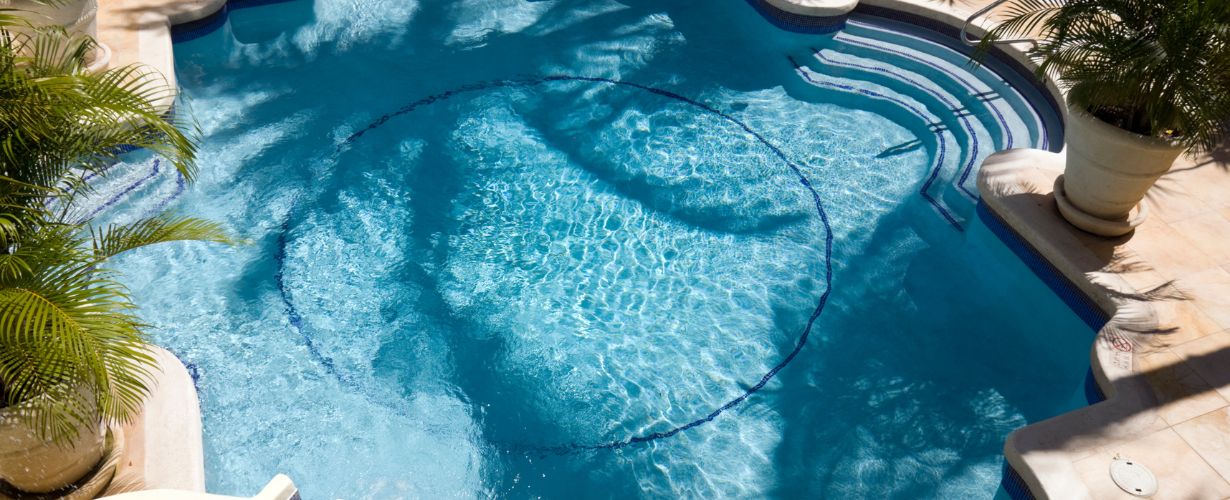
Even with regular homeowner care, professional inspections are essential. Experts identify hidden leaks, surface damage, and equipment inefficiencies early.
Professional maintenance benefits:
Routine professional care extends pool lifespan and reliability.
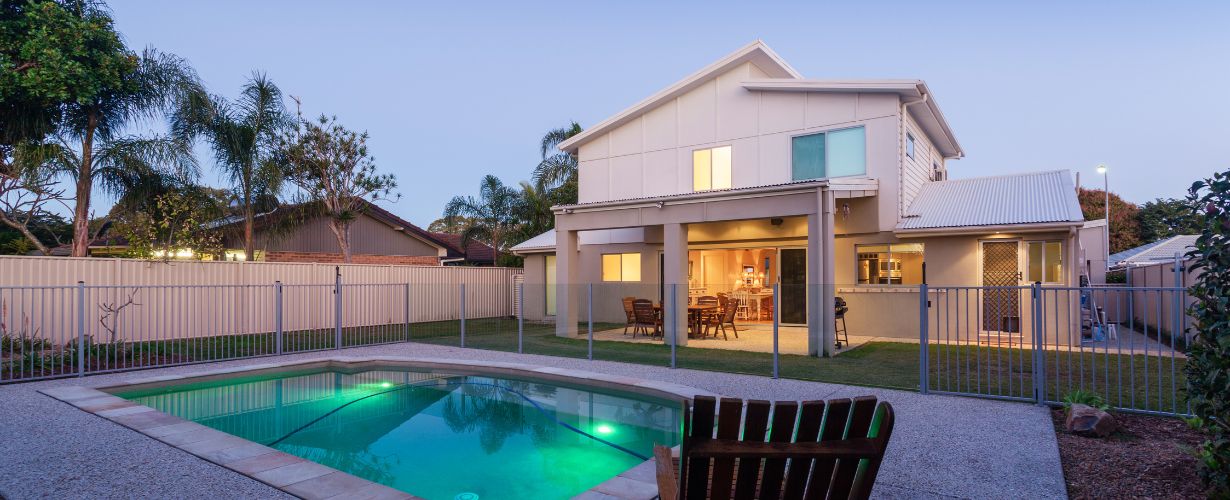
Modern pool technology improves performance, automation, and sustainability while reducing long-term operating costs.
Smart upgrade options:
Upgrades improve sustainability and long-term reliability.
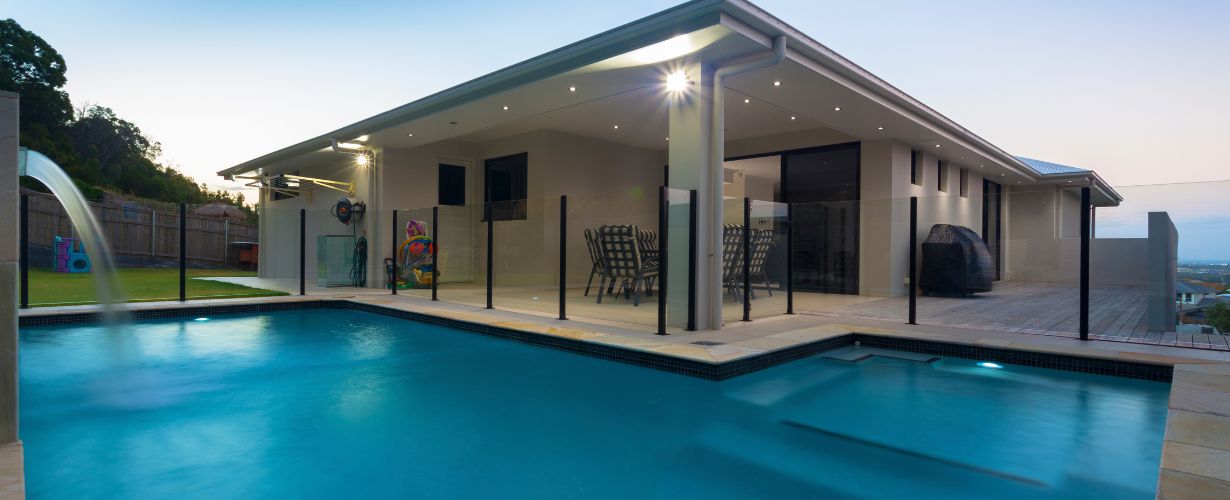
Your pool does not exist in isolation, its surroundings directly affect water quality and structural health. Poor drainage and debris accumulation increase contamination risks.Environmental maintenance is essential for long-term protection.
Surrounding maintenance tips:
A clean environment protects pool performance and structure.
Long-term maintenance is an investment, not an expense. Strategic planning prevents financial stress from unexpected repairs and replacements.Financial preparation creates stable, stress-free pool ownership.
Smart planning includes:
Financial planning ensures long-term stability and peace of mind.
Long-term pool maintenance in West Palm Beach is about consistency, prevention, and smart planning. With the right care strategy, your pool can remain safe, beautiful, and functional for decades.
By maintaining water chemistry, protecting surfaces, servicing equipment, preventing algae, preparing for storms, and investing in professional care, you protect both your pool and your property value.A well-maintained pool isn’t just easier to manage, it delivers better performance, lower costs, and a better lifestyle experience for your family.