
When looking at a photo of a luxury pool, the most striking feature is usually the color of the water. It can range from a clear mountain stream to a deep ocean blue or a bright tropical lagoon. While many assume the color comes only from the tile or the plaster finish, there is a lot of science happening behind the scenes.
The way water looks changes throughout the day based on the depth of the pool and the amount of sun hitting the surface. Understanding these factors helps in achieving a specific aesthetic and prevents surprises where the water looks different in the backyard than it did in a showroom.
To understand pool color, it is helpful to think about how light works. Sunlight contains all the colors of the rainbow. When sunlight hits water, the water molecules soak up those colors at different rates. Water is very effective at absorbing red, orange, and yellow light, but it is not as good at absorbing blue light.
Because the red and yellow parts of the light spectrum disappear first, the blue light stays and bounces back to the eyes. This is why a small glass of water looks clear, but a large body of water looks blue. The more water there is for the light to travel through, the more the blue color is strengthened. This is a natural process that has nothing to do with chemicals or dyes.
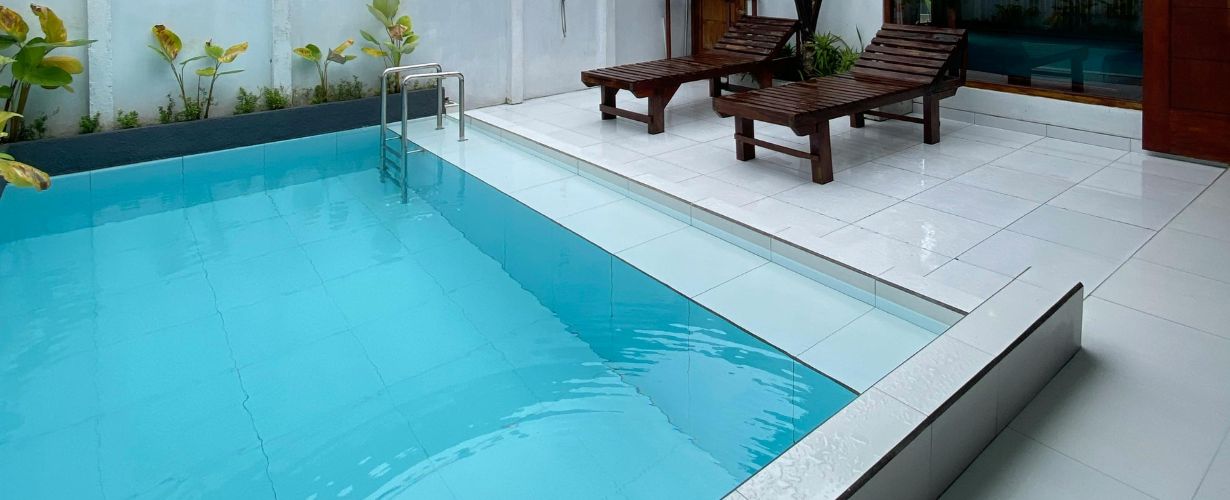
Depth is a major factor in how dark or light the water looks. The water over a tanning ledge often looks very different from the water in the deep end, even if the entire pool has the exact same interior finish. In shallow areas, like steps or a sun shelf, there is not enough water to absorb all the red light. Because of this, the color of the finish shows through very clearly. With a white finish, the shallow water looks light and crisp.
As the pool gets deeper, the column of water gets thicker. The light must travel further down to hit the floor and then bounce back up to the surface. By the time it reaches the surface again, almost all the red and yellow light is gone. This makes the deep end look much darker and richer than the shallow end.
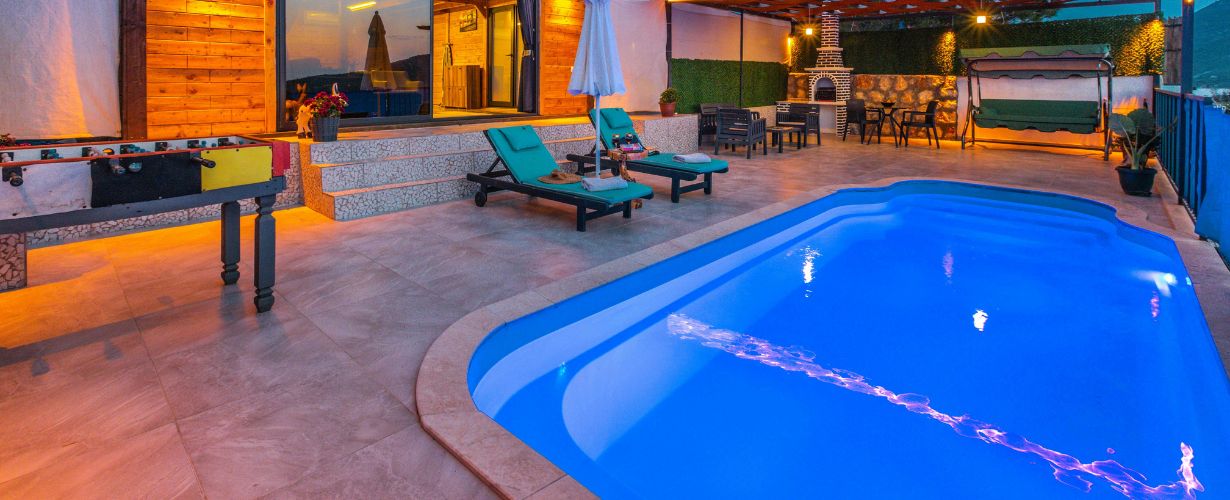
The sun acts as the primary light source for the pool. Depending on the time of day and the weather, the intensity of that light changes. A pool might look like a different color at 10 in the morning compared to 4 in the afternoon. On a bright day with a high sun, the light hits the water directly. This creates sparkle and makes colors appear vibrant. On a cloudy day, the light is diffused, which can make the water look dull or grayish.
The angle of the sun also matters. In the early morning or late evening, the sun is low. The light passes through more of the atmosphere, which filters it differently. This can sometimes create more green or teal tones.
While depth and sun are the main drivers, the interior finish provides the base for the color. It acts like a colored filter. White and light gray finishes reflect the most light and give the water a light blue, tropical feel. Medium blue and teal are popular for a consistent blue look and are good at hiding small bits of debris. Dark blue and black finishes create a mirror effect and absorb more heat from the sun.
The texture of the finish also plays a role. A smooth plaster reflects light differently than a pebble finish. Pebble finishes have tiny stones that catch the light at different angles, creating more shimmer on the surface. Looking at completed projects can show how different finishes react to changing light across various times of day.
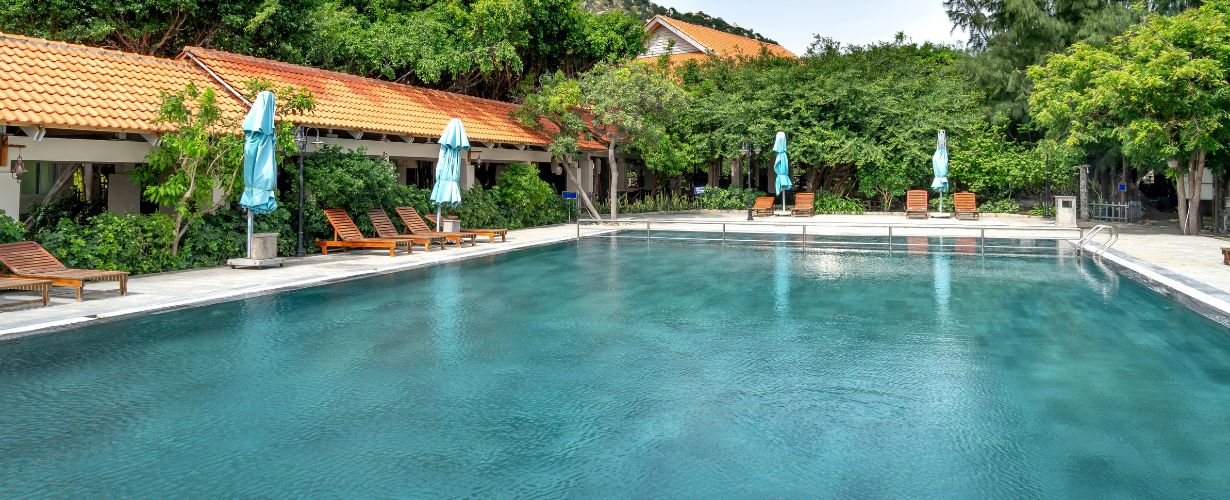
A pool acts as a giant mirror and reflects its surroundings. Tall green trees hanging over the water might give the pool a slight green tint. This is not a sign of dirty water, but simply the green color from the leaves bouncing off the surface.
The sky is the biggest factor in these reflections. On a clear blue day, the pool will look its bluest. On a stormy day, it will look gray. Even the color of the pool deck can change things. A bright white deck reflects more light into the water, while a dark wood deck might make the water feel more enclosed and deeper in tone.
Physics and light are the main causes of water color, but chemistry can also interfere. If pH levels are unbalanced or if algae begins to grow, the water might look cloudy or green. This changes how light passes through the water. Instead of being crisp, the light gets scattered by particles in the water.
Keeping water balanced is necessary for the look of the pool. Clean water allows the light to travel deep and bounce back clearly. Often, the most expensive part of installing a pool involves the long-term maintenance required to keep that color beautiful and the water perfectly clear.
The physical materials chosen for the pool do more than just provide color. They provide a sense of depth through texture and light play.
The visual appeal of the water color is closely tied to how the pool is maintained. Even the best design will look different if the water quality drops.
Choosing a pool color is a significant part of the design process. It is helpful to see full-sized examples of different finishes rather than relying only on small samples. Factors like the amount of daily shade and the intended depth of the floor should guide the final decision. A shaded yard may benefit from a lighter finish to brighten the space, while a deep-sea aesthetic is best achieved with darker tones and a deeper floor plan.
A custom pool is a dynamic feature that changes with the environment. It can be bright in the morning and moody in the evening. By understanding how depth and sunlight interact with the chosen finish, a homeowner can ensure the final result meets their expectations. Consulting with a professional pool builder can provide further insight into how a specific lot and sun orientation will impact the final water color for years to come.