
If your once-inviting pool is starting to show signs of damage, it’s time to resurface it. On average, after every 7 to 15 years, you should consider gunite pool resurfacing, depending on the pool material and maintenance.
As a Florida-based pool and deck contractor, we’ve seen pools that last beautifully for decades and others that start asking for attention much sooner. Florida’s intense sun, humidity, rainfall, and chemical use all play a role in how long a pool surface lasts.
If your once-inviting pool is starting to show visible wear, cracks, or discoloration, it may be time to consider pool resurfacing in Florida. On average, most homeowners should plan for gunite pool resurfacing every 7 to 15 years, depending on the surface material, water chemistry, usage, and maintenance habits.
Unlike cosmetic upgrades, resurfacing is a structural and safety decision. Delaying it can lead to higher repair costs and long-term damage.
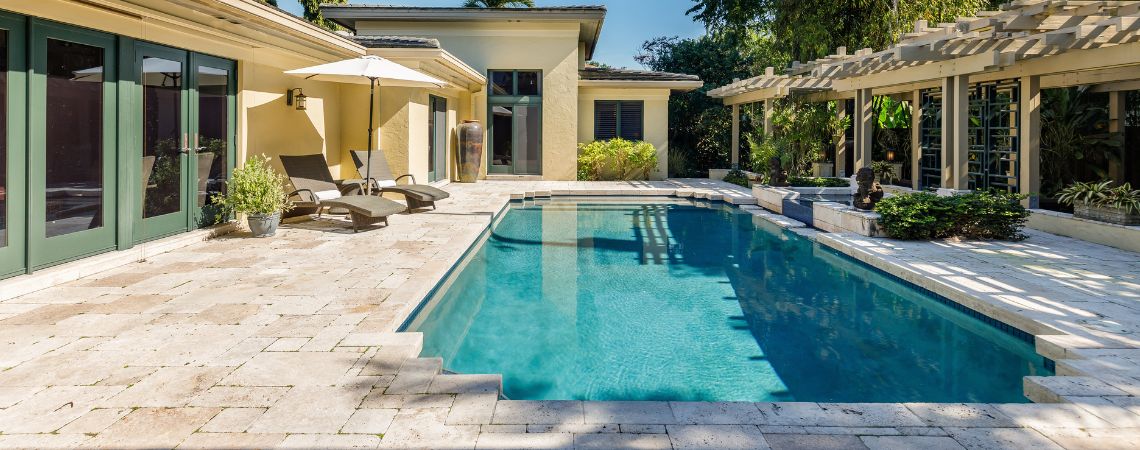
Most Florida pools fall within a 7–15 year resurfacing window, but not all pools age the same way. Some need attention closer to 7–10 years, while others hold up well beyond 15 years with proper care.
| Pool Surface Type | Average Lifespan | Resurfacing Frequency |
|---|---|---|
| Standard Plaster | 7–10 years | More frequent |
| Quartz Finish | 10–12 years | Moderate |
| Pebble / Pebble Tec | 12–15+ years | Less frequent |
| Tile Finish | 15–20+ years | Least frequent |
Many homeowners planning pool replastering in Florida worry about downtime. The truth is it depends.
Factors like pool size, surface type, weather conditions, and repair needs all affect the timeline. That’s why resurfacing isn’t one-size-fits-all.
| Pool Type | Estimated Duration |
|---|---|
| Small residential pool | 7 days |
| Standard backyard pool | 7–10 days |
| Large or custom pool | 10–14 days |
| Pools needing structural repair | 14+ days |
Some pools show surface damage earlier than expected, while others remain solid for over a decade. If you notice cracks or rough patches, don’t wait early resurfacing prevents deeper structural issues.
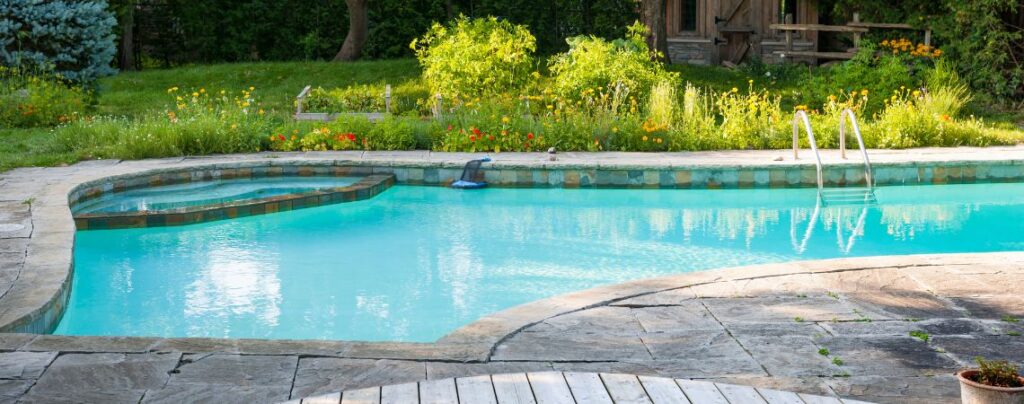
While there’s no fixed schedule, certain factors strongly influence when pool resurfacing becomes necessary.
Older pools naturally require resurfacing as materials break down due to constant exposure to water, chemicals, and heat. In Florida, most pool surfaces begin to degrade between 7 and 15 years.
The more your pool is used daily swims, pool parties, kids playing the faster the surface wears down. Increased usage also means heavier chemical treatment, which accelerates surface deterioration.
Your pool’s surface finish directly impacts how often resurfacing is needed.
| Surface Material | Durability | Resurfacing Need |
|---|---|---|
| Plaster | Moderate | Sooner |
| Quartz | High | Medium |
| Pebble | Very High | Later |
Plaster is affordable but wears faster, while pebble finishes last longer and handle Florida’s climate better.
Poor water balance is one of the biggest causes of premature pool resurfacing.
If pH levels drop too low or chlorine levels spike, surfaces can become etched, stained, or rough. Rough texture is often the first sign that pool replastering is needed.
Heat, UV exposure, heavy rain, humidity, and algae growth all contribute to surface breakdown. Over time, these conditions cause fading, cracking, erosion, and weakening of the pool finish.
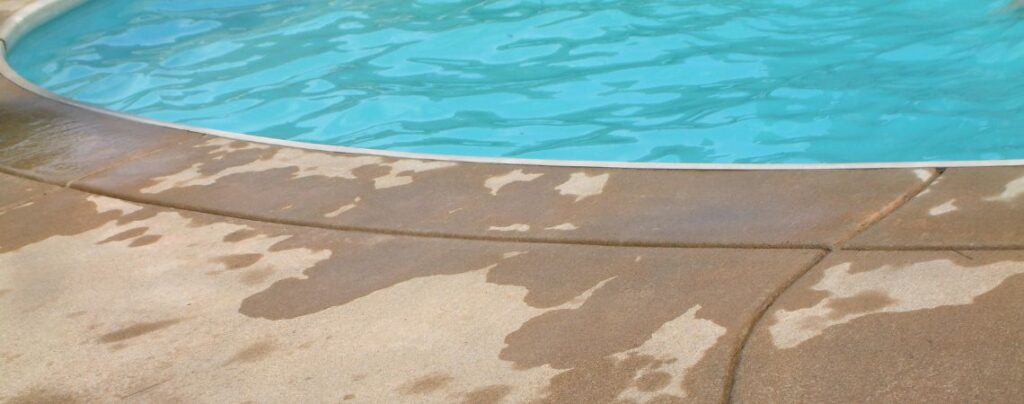
Even well-maintained pools eventually show wear. Knowing the signs early can save thousands.
| Sign | What It Means |
|---|---|
| Faded or dull color | Surface is wearing down |
| Rough texture | Chemical etching or erosion |
| Hairline cracks | Early structural stress |
| Peeling or flaking | Surface failure |
| Mold or algae buildup | Surface porosity issues |
If your pool feels rough underfoot or looks permanently stained, it’s likely time for pool resurfacing in Florida.
Putting off resurfacing can turn small issues into costly problems.
Water seeps into tiny cracks, expanding them over time and weakening the pool shell. What could’ve been resurfacing may turn into major structural repair.
Cracks and rough surfaces give algae and mold a permanent home. Once embedded, they’re difficult to remove and make swimming unsafe.
Damaged surfaces require more chemicals, more cleaning, and more frequent fixes costs that quickly add up.
Rough surfaces cause scrapes and cuts, especially for kids. A damaged pool isn’t just ugly it’s dangerous.
A worn-out pool lowers curb appeal and resale value. Fresh resurfacing, on the other hand, is a strong selling point.
Many pool owners consider patchwork when damage looks minimal but in Florida’s climate, it rarely holds up.
Patchwork may seem cheaper, but it often leads to repeated repairs. Full resurfacing delivers durability, uniformity, and peace of mind.
✔ Best choice for Florida pools: Full resurfacing.
Pool resurfacing isn’t just about looks it’s about safety, longevity, and value. By watching for early signs and resurfacing at the right time, you avoid emergency repairs and enjoy a smoother, safer pool experience.
A freshly resurfaced pool:
At Epic Watershapes, we begin every project with a full pool assessment. Our experienced team explains the process, timeline, and options clearly no surprises.
For most residential pools, gunite pool resurfacing can be completed in 7–10 days, depending on size, finish type, and repair needs. We prioritize quality workmanship while staying committed to realistic deadlines.
You can paint your pool, but it is totally different than resurfacing. In painting, you will simply give the pool a new look, without addressing cracks or any other damage. But, in pool resurfacing, expert pool contractors like us fill all the gaps and cracks to prevent any kind of leakage in the pool. It is a long-term solution that not only gives your pool a brand new look, but also strengthens the structure, smooths rough spots, and improves durability.
There are basically four types of pool finishing that are pebble, plaster, quartz, and tile. Every pool resurfacing material has its own pros and cons. If you are looking for a long-lasting pool finish, then tile and quartz can be a great option. They last for about 15-20 years and look luxurious as well.
On the other hand, if you have a limited budget and still want a durable option, then go for a plaster pool finish. It gives you the option to choose a custom color for resurfacing the pool. Also, plaster lasts for 10 plus years, which makes it a good and affordable choice for many pool owners.
We are experts in any type of pool resurfacing in Florida. Also, our team of expert pool professionals guides you on the best pool resurfacing depending on its condition.
Yes, pool resurfacing can fix surface leaks, especially if they are due to cracks or wear in the plaster. But, if leaks are in the plumbing pipes, then pool resurfacing is not able to fix them. For that, you need to call a plumber to fix a leak in the plumbing system.
It’s better to call a professional pool contractor like Epic Watershapes, who will do a complete inspection of your pool to determine whether resurfacing is enough or if repairs are needed.
Yes, we are experts in resurfacing old pools in Florida. It is the best way to increase the life of any backyard pool while keeping it operational for years. Moreover, resurfacing gives your old pool a fresh new look, which attracts kids to swim in summer and all year long. You can safely enjoy pool time with family and friends.
Once your pool gets resurfaced, follow the following tips to keep it safe for longer: