
There’s a moment—usually on a calm weekend morning, coffee in hand—when you step into your backyard and really see it again. The lawn could use some attention. The fence has seen better days. And as you look around, you start picturing something more… a pool right there in your own space.
But not just any pool.
You’ve been scrolling through Instagram. You’ve passed homes in Boca Raton with backyards that feel like a holiday resort. You’ve noticed the smooth, curved pools that blend into the yard, and the clean, modern rectangular pools that stand out the moment you walk outside.
Now one simple question keeps coming up—one that matters more than you expected: which pool style actually suits the way you live?
Pool design is more than just digging a hole and adding water. It’s about shaping a space that either blends naturally with its surroundings or highlights clean, human-made structure.
Freeform pools feature soft curves and natural shapes, similar to what you’d see in a stream or lake. Geometric pools focus on straight lines, sharp corners, and a neat, modern look.
One style isn’t better than the other. Both work well—it just depends on what suits you and your space.
Think of it this way: a freeform pool feels relaxed and flowing, letting you enjoy every moment. A geometric pool feels bold and purposeful, making a strong visual statement right away.
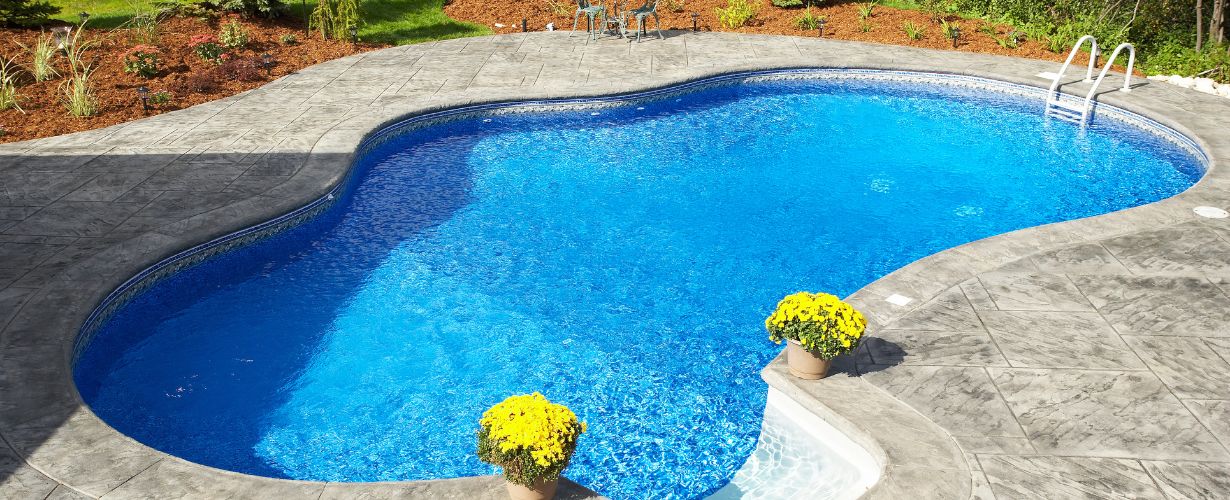
When designers mention freeform pools, they’re talking about pool shapes that aren’t stiff or boxy. Instead of straight lines and perfect angles, these pools have gentle curves that follow the natural layout of the yard. They’re often built with natural stone, rocks, and plants, helping the pool blend smoothly into the surrounding garden.
In South Florida, where greenery grows all year, freeform pools can turn a backyard into a calm, private retreat. This style fits especially well in areas like Parkland, where properties often have mature trees and established landscaping. Rather than standing out in a harsh way, a freeform pool feels like it belongs there.
The overall look is relaxed, tropical, and long-lasting. Because the design is based on natural shapes, it doesn’t go out of style. Even years down the line, a thoughtfully designed freeform pool will still feel inviting and well put together.
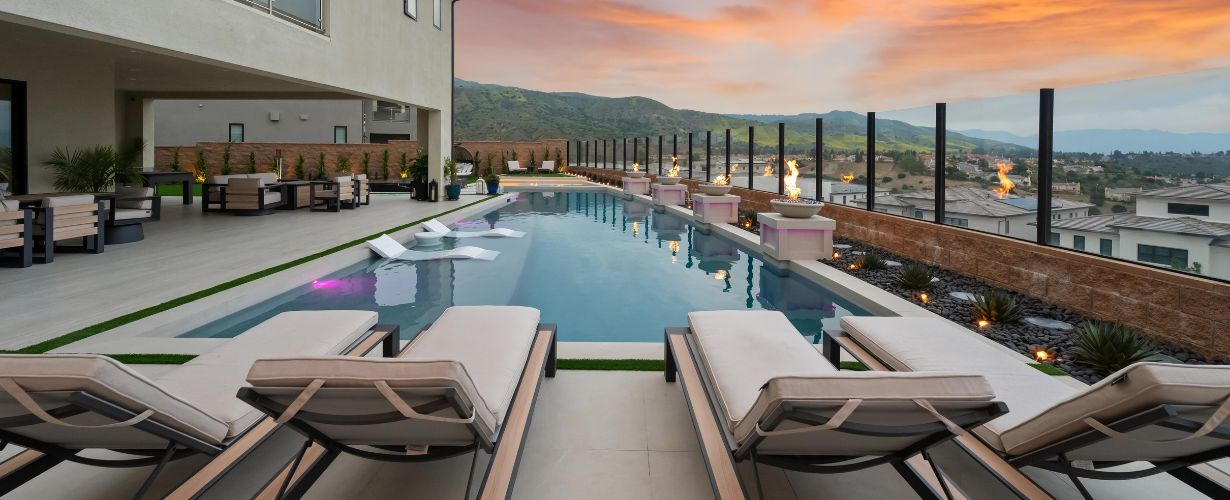
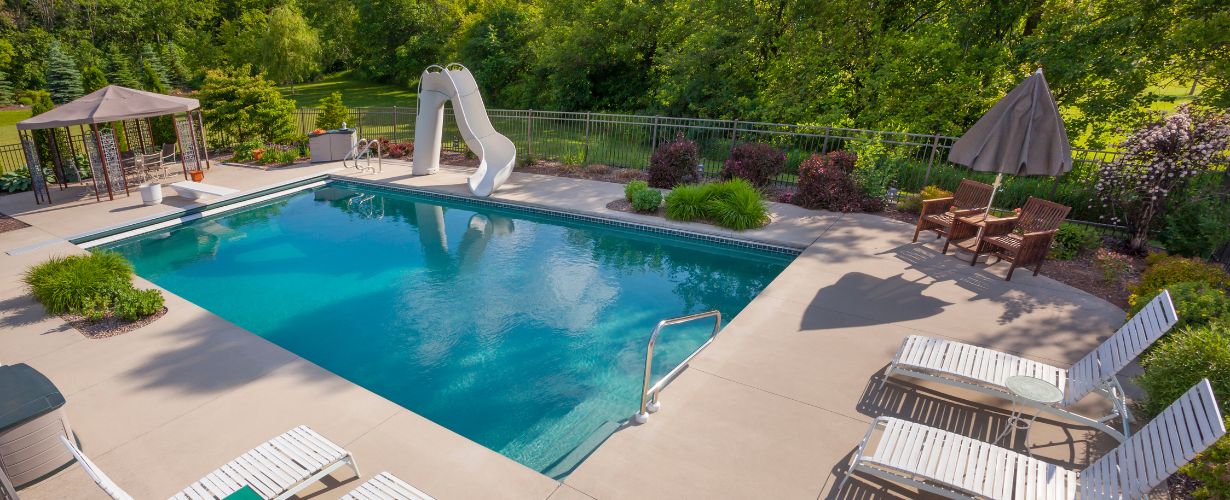
Geometric pools take a completely different approach. Instead of flowing curves, they focus on clean, straight shapes like rectangles, squares, and L-designs. The goal is balance and order. The sharp pool edges stand out against the softer look of plants and lawns, while the calm water sits neatly inside clear boundaries.
In West Palm Beach, where many homes feature modern designs, wide windows, and simple lines, geometric pools fit right in. They match the style of the house and help the outdoor area feel like a natural extension of the indoor living space.
These pools also look great in photos. They feel planned and purposeful, which is important for street appeal and future resale value. There’s also a quiet pleasure in their clean look—straight edges catching the morning light and clear, uncluttered views from every direction.
Looks are important, but how you use the pool every day matters even more.
If you have young kids, freeform pools come with some practical benefits you might not think about at first. Their curved shapes naturally create shallow areas, which are great for beginner swimmers. They also work well with beach-style entries—gentle slopes that feel like walking into a lake. Another bonus: kids don’t usually run as fast around curved edges as they do along straight ones, which helps reduce slips and those scary moments for parents.
If lap swimming is your main goal, a geometric pool is the better choice. Straight lines make it easier to swim uninterrupted laps, ideally in a pool that’s at least 40 feet long. While freeform pools can include swim lanes, they can’t offer the same efficiency as a true rectangular pool.
When it comes to entertaining, the focus changes again. Geometric pools often include spas or swim-up bars, creating clear areas for different activities so guests don’t feel cramped. Freeform pools, on the other hand, shine at creating cosy corners and relaxed seating areas where people naturally gather and chat.
People often make the same mistake: they choose a pool style they love without thinking about how it fits with their home’s design.
For example, a Mediterranean-style house with stucco walls and terracotta tiles usually looks best with a freeform pool and natural stone edges. If you drop a sharp, rectangular pool into that space, it can feel out of place. Each element works on its own, but together they don’t quite match—like dressing too formally or too casually for the occasion.
On the other hand, a modern home with clean lines, large glass windows, and a sleek look is better suited to a geometric pool. A curvy, freeform pool in that setting can distract from the simple, structured style you chose for your home.
The best pool designs don’t just sit beside the house—they tie everything together and make the whole space feel complete.
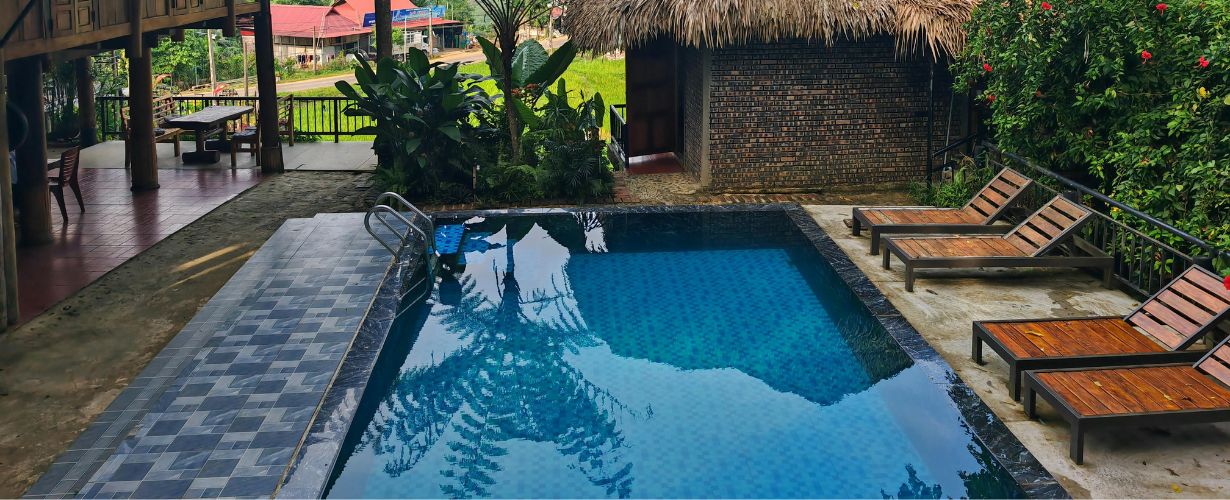
There’s one thing contractors don’t always mention: freeform pools usually need a bit more upkeep to stay looking great.
Because they have curves and different depths, freeform pools have more surface area than straight-edged pools. That means more brushing, more spots where algae can grow—especially in shaded curves—and a bit more effort when using automatic cleaners. It’s manageable, but it’s worth thinking about if you know you won’t spend much time on pool maintenance.
Geometric pools are easier to maintain. Robotic cleaners move smoothly along straight lines, automated systems work more consistently, and it’s simpler to notice problems because the surfaces are even and predictable.
That said, smart design and the right equipment can reduce these differences. A well-planned freeform pool with good water circulation and modern automation doesn’t take much more time to maintain than a geometric pool.
Construction costs can change for many reasons, but one simple rule usually applies: the more complex the design, the higher the cost.
Simple geometric pools—such as basic rectangular shapes without extra features—are usually the most affordable choice. Their designs are easy to plan, the engineering is standard, and builders can complete the work more quickly and efficiently.
Freeform pools, on the other hand, are more detailed. Their curved shapes need careful shaping and custom construction work, along with extra structural planning. If you add natural rock features, costs go up even more due to additional materials and labour. In most cases, a high-quality freeform pool will cost about 10–20% more than a geometric pool of the same size.
Still, price shouldn’t be the only deciding factor. If a freeform pool fits your space and lifestyle better, that extra cost may be well worth it. Saving money on a pool that doesn’t suit your needs can end up being a poor choice in the long run.
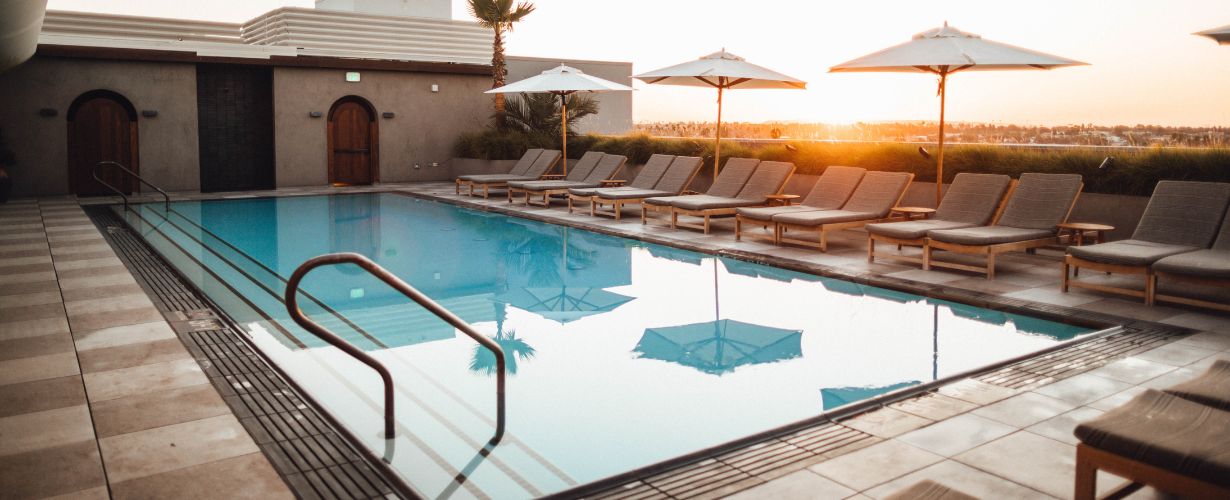
South Florida’s weather and surroundings play a big role in choosing the right pool style. With warm temperatures all year, plants grow fast and can quickly change how a pool looks. A clean, straight-lined pool may look sharp when it’s first built, but in a few years, mature landscaping can soften those edges. This can work well if you like a mix of structure and greenery—or it may be a drawback if you want the pool’s crisp shape to stay front and centre.
Hurricanes are another factor to think about. Both geometric and free-form pools can be built to handle severe weather, but simpler designs usually have fewer areas that need extra attention during storms. That said, good construction and solid engineering matter far more than the style itself.
It’s also worth considering the look of your neighbourhood. Newer areas like West Palm Beach tend to favour modern designs, while older communities often suit more classic styles. Your pool becomes part of that setting, and choosing something very different can work—but it helps to be confident and fully committed to your choice.
If you’re still unsure which way to go, that’s completely normal. The best pool designs come from careful thought, not rushed decisions.
Start by taking photos of your house and backyard from different angles. You can print them or view them on a tablet. Then, sketch out a few ideas—both geometric and freeform—just roughly, to see what might work. Which designs catch your eye? Which ones make you excited?
Think about how you actually use your space. Do you like clean, straight lines or a more natural, relaxed feel? Do you host formal pool parties or casual get-togethers? Are your kids jumping in for fun, or do you want a pool for swimming laps?
Talk with your family, too. Everyone’s preferences matter. You might love a sleek geometric pool, while your partner imagines a tropical retreat. Finding a balance—or understanding why one option works better for the family—is all part of the process.
Here’s a thought to consider: you don’t have to choose between a completely freeform or a strictly geometric pool.
Some of the best pool designs actually mix both styles. For example, a mostly rectangular pool could have a curved spa with rounded edges, while a freeform pool might include straight sections for lap swimming.
These hybrid designs give you more flexibility and can avoid some of the limits of each style. They do need a skilled designer to make sure everything looks balanced, but when done right, the result can be truly impressive.”
If you want, I can also make an even punchier version for a blog or social post that keeps it short and engaging. Do you want me to do that?
No matter what style you pick, your pool will be the setting for countless family memories. Birthday parties where kids run in with cake-covered hands. Quiet Saturday mornings when you’re the first awake, watching the sunlight sparkle on the water. Summer evenings when the pool lights turn on and conversations carry late into the night.
The best pool is the one that makes you want to spend time outside. The one that feels like a natural part of your life—not just a picture-perfect idea from social media.
Freeform or geometric, what really matters is that your choice fits your family’s needs, reflects your priorities, and brings you real happiness every time you step outside.
That’s not a small detail. That’s the whole point.
About the Author:
Henry Pierce is co-owner of aquaelitepool.com, and he brings 15+ years in luxury construction expertise to Aqua Elite Pool, combining engineering precision with designs that transform ordinary spaces into environments where families naturally gather and memories happen. When he’s not building pools, he spends time with his family, reading good books or playing tennis.