Common Signs Your Pool Equipment Is Outdated
The mechanical systems behind a backyard pool are just as critical as the architectural design itself. Over time, even the most durable pool components face wear and tear from daily use and chemical exposure. Outdated pool machinery can increase your expenses, reduce water quality, and place unnecessary stress on your entire filtration system.
Property owners must recognize when their backyard systems are no longer performing at working properly. Upgrading to newer pool equipment helps your pool last longer, lowers utility costs, and keeps your water crystal clear. This guide covers the common signs that indicate your pool equipment needs an upgrade, along with the concrete benefits of modern replacements.
Why Old Pool Equipment Can Cause Problems
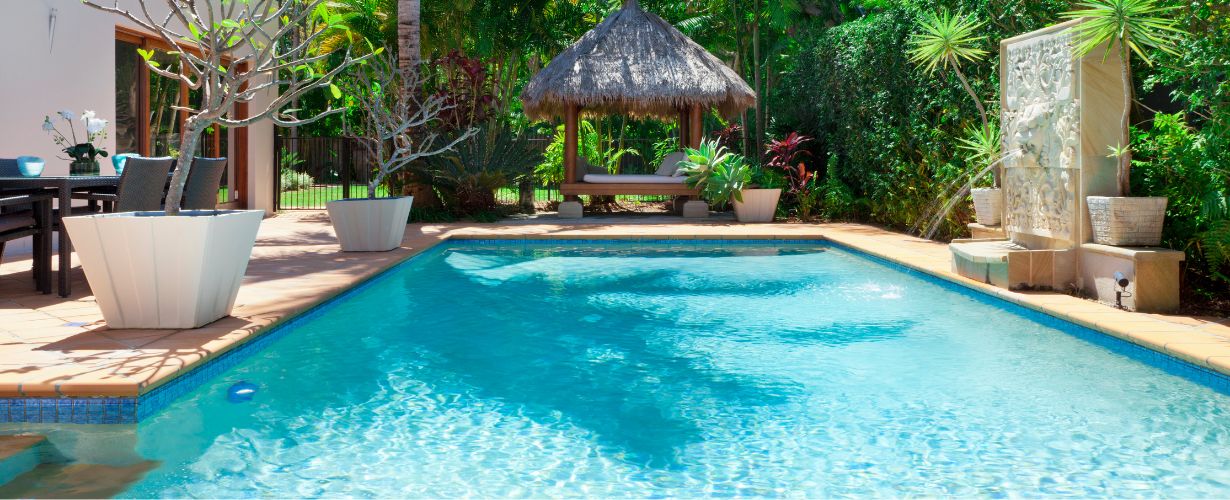
A swimming pool relies on a precise balance of circulation, filtration, and sanitation. When one piece of equipment struggles, the rest of the system works harder to compensate. This extra strain leads to early damage of other parts and higher utility bills.
Older pool systems are also less efficient by design. The technology used in pool pumps, filters, and heaters has advanced significantly over the past decade. Staying with old machinery means missing out on energy savings, smart automation, and superior water filtration.
1. Loud Noises Coming From Your Pool Pump
A healthy pool pump should run with a steady, low hum. If your equipment pad sounds like a blender full of rocks, you have a serious problem. Internal bearings protect the electric motor and keep the drive shaft spinning smoothly. These bearings wear out over time due to age, heat, and moisture exposure. Once the bearings degrade, metal grinds against metal.
Key warning indicators include:
- High-pitched screeching: This typically points to dry, failing motor bearings that are completely worn out.
- Deep rumbling vibrations: This often means the pump housing has come loose or internal components are severely misaligned.
- Intermittent clicking: This can indicate electrical component failure or debris trapped deep inside the pump impeller.
A noisy motor is a clear sign that the pump is reaching the end of its lifespan. While you can replace bearings, the fix is often temporary for an old motor. Total motor failure usually follows shortly after the noise begins. Upgrading to a new, modern pump eliminates the disruptive noise and restores peaceful quiet to your outdoor living space.
2. Rising Pool Energy Bills
If your electricity or gas bills climb higher every month without an increase in pool usage, your equipment is likely to blame. Old, single-speed pumps are notorious energy hogs. These units operate at only one speed: maximum power.
Old single-speed pumps waste energy because the following are true:
- Constant full-capacity operation: They run at maximum power every single hour they are turned on, whether the pool needs heavy cleaning or simple, slow circulation.
- No operational flexibility: You cannot lower the speed for basic filtration tasks, forcing the motor to draw peak electrical currents at all times.
- Outdated motor designs: Older motors lack the magnets and advanced engineering found in modern, eco-friendly models.
Modern variable-speed pumps allow you to adjust the flow rate based on immediate needs. Running a pump at lower speeds for longer periods uses a fraction of the power required by an old single-speed motor. The energy savings from a modern pump upgrade can frequently pay for the new equipment within the first two seasons of operation.
3. Cloudy Pool Water That Keeps Coming Back
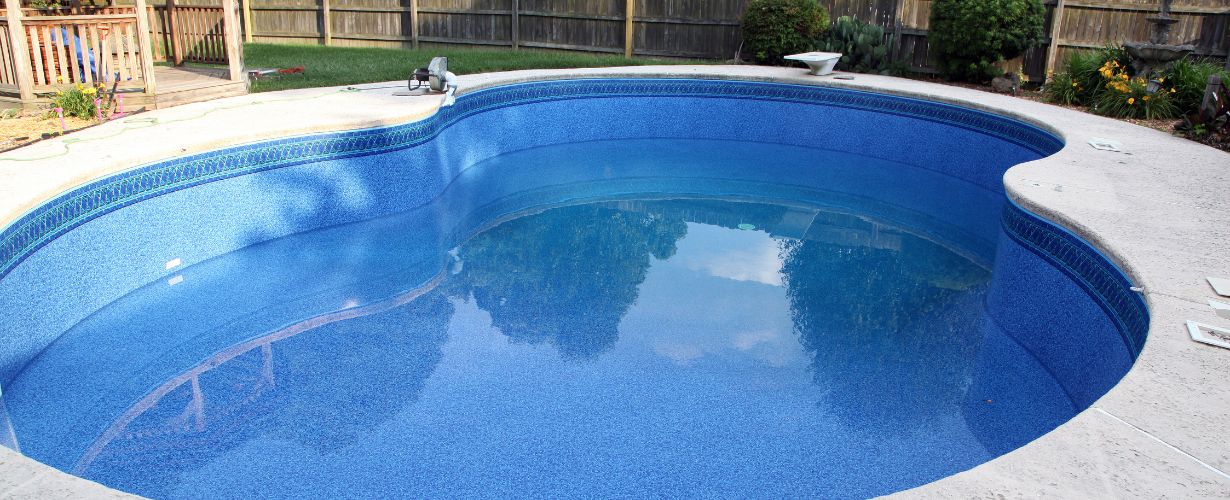
A pool filter must capture tiny debris, dirt, and organic matter to keep your water pristine. If your pool water remains cloudy, green, or hazy despite balanced chemicals and long run times, the filtration system is failing.
Sand Filter Degradation
Sand filters use a specific grade of silica sand to trap contaminants. Over years of continuous water flow, the sharp edges of the sand grains become rounded and smooth. This worn-down sand loses its ability to trap fine particles, allowing dirt to pass right through the filter and back into the pool.
Cartridge and DE Filter Wear
Cartridge filters use fabric pleats that stretch out and tear over time. Once the fabric loses its structural integrity, microscopic debris flows directly through the gaps. D.E. (diatomaceous earth) filters can develop tears in the internal grids, leading to cloudy water and filter powder blowing back into the pool through the return jets.
If you find yourself constantly adding shocks, clarifiers, and algaecides to fix cloudy water, the issue is likely mechanical rather than chemical. A new, high-efficiency filtration system will restore cleaner water for longer without a constant need for expensive chemical treatments.
4. Constant Repairs and Missing Parts
Every piece of mechanical equipment requires occasional maintenance. However, if you call a repair technician multiple times a season, your system has become a financial liability.
Signs that your equipment has become a financial drain:
- The domino effect of repairs: spending money on a new seals kit this month, a replacement pressure switch next month, and a new fan blade the following month.
- Obsolete manufacturing: Pool manufacturers eventually stop production on replacement parts for older models, making basic components nearly impossible to locate.
- Extended downtime: Waiting weeks for a refurbished part from an online reseller while your pool water sits stagnant and turns green.
Upgrading to current models ensures easy access to parts, warranty protection, and reliable daily operation.
5. Cracks, Rust, and Water Leaks
Continuous exposure to pool chemicals, sun, and moisture takes a heavy toll on equipment exteriors. Look closely at the physical condition of your pump housing, filter tank, and plumbing valves.
Structural warning signs include:
- Brittle plastic housings: Older equipment pads feature plastic enclosures that degrade from UV exposure, creating dangerous hairline cracks in pump lids or filter tanks under high pressure.
- Advanced chemical rust: Severe corrosion around the base of a pool heater or salt chlorinator cell indicates that chemical wear has compromised the metal.
- Active plumbing leaks: Persistent white chemical crusting or active water drips around connection points show that old seals have completely failed.
6. Your Pool Heater Takes Days to Warm the Water
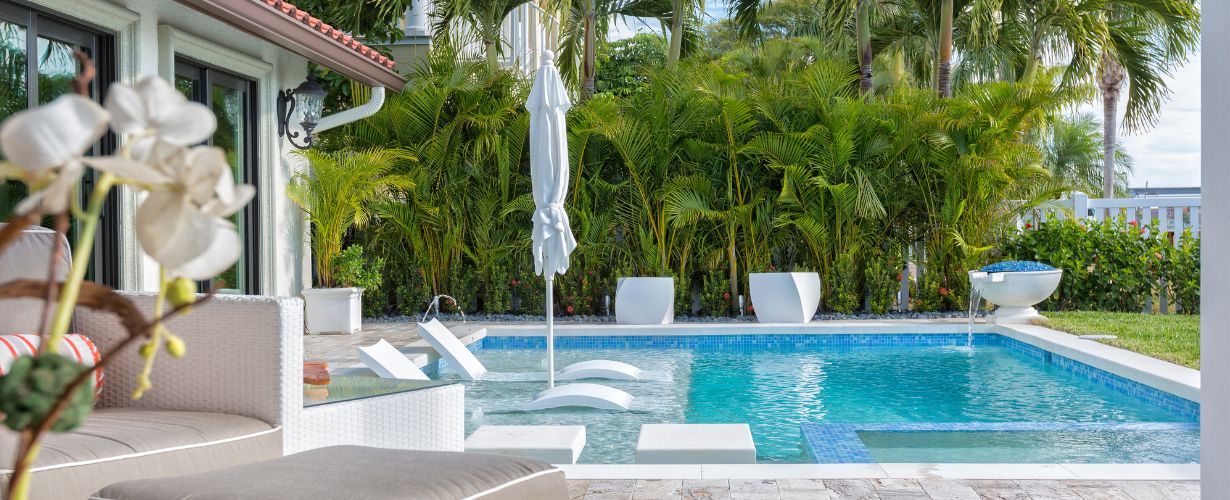
An outdated pool heater ruins the luxury of a warm swimming environment. Older heaters operate with very low thermal efficiency, meaning a massive percentage of the gas or electricity consumed is wasted rather than transferred into the water.
As heaters age, scale and mineral deposits build up inside the heat exchanger tubes. This buildup acts as an insulating blanket, preventing the burner flames from heating the water efficiently. As a result, the heater must run much longer to raise the water temperature just a few degrees.
Modern pool heaters and digital heat pumps offer incredibly high efficiency ratings. They use advanced materials like titanium to resist corrosion and transfer heat rapidly. Upgrading allows you to warm your pool or spa in a fraction of the time while using significantly less fuel.
7. Total Absence of Automation and Smart Controls
If you still walk out to a concrete pad to flip manual toggle switches or adjust mechanical yellow dial timers, your pool setup is outdated.
The limitations of manual pool setups include:
- Vulnerability to power outages: Power failures throw off mechanical clock timers completely, requiring manual resetting to prevent scheduling conflicts.
- No remote adjustments: You cannot adjust pool temperatures, change pump speeds, or turn on spa jets unless you are physically standing at the equipment pad.
- Isolated components: Each piece of machinery runs on its own isolated schedule, preventing the system from working together as an efficient unit.
Modern pool ecosystems utilise smart automation hubs. These systems connect your pump, heater, lights, and sanitisers to a central control panel. You can adjust water temperature, turn on spa jets, change LED light colours, and monitor filtration schedules directly from a smartphone app or home automation system.
8. High Chemical Consumption and Skin Irritation
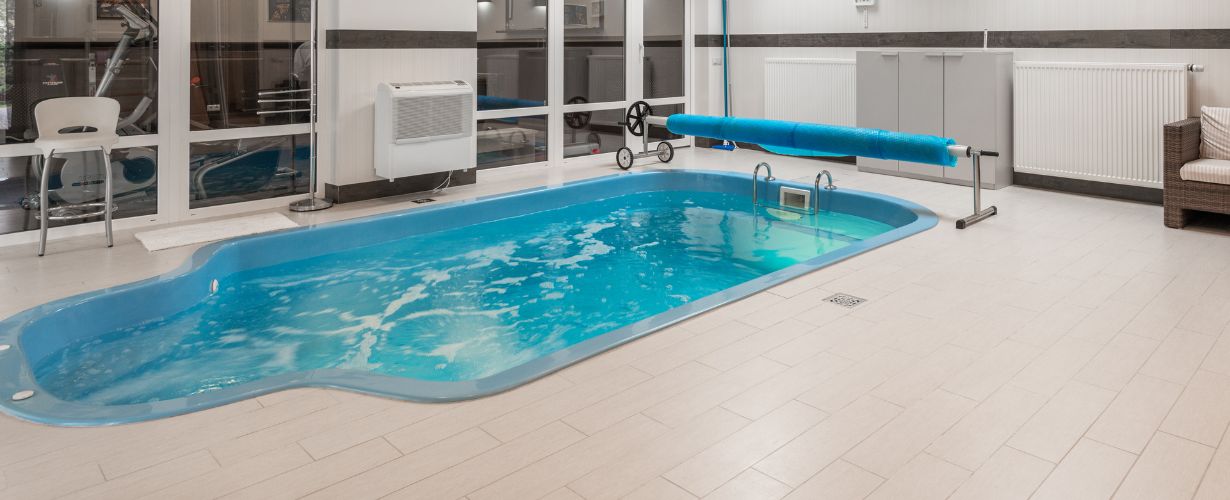
When a pool relies on outdated sanitation methods, maintaining the delicate chemistry balance becomes a constant chore. Traditional chemical regimens involve dumping large batches of liquid or tablet chlorine directly into the pool water.
This manual method creates a harsh cycle:
- Uncomfortable chemical spikes: Immediately after adding chemicals, chlorine levels are uncomfortably high, leading to strong odours, red eyes, and dry skin.
- Dangerous chemical dips: Within days, the chlorine level drops too low, leaving the water unprotected and allowing algae to take root.
- Increased chemical costs: Property owners spend more money on balancing chemicals, stabilisers, and shock treatments to correct these constant fluctuations.
Modern alternatives, such as automated salt-chlorine generators, produce a steady, microscopic stream of pure chlorine right in the plumbing line. This keeps the water chemistry perfectly stable without the harsh side effects of traditional chlorine spikes.
Old Pool Equipment vs. New Systems
The table below outlines the core operational differences between outdated machinery and modern pool technology.
| Equipment Type | Outdated Systems | Modern Upgrades |
|---|---|---|
| Pool Pumps | Single-speed motors; high energy consumption; loud operation; short lifespan. | Variable-speed motors; up to 80% energy savings; near-silent operation; programmable schedules. |
| Filtration Systems | Worn media; frequent backwashing required; high water waste; struggles with fine particles. | Advanced pleated cartridges or pristine media; superior micron filtration; minimal water waste; lower system pressure. |
| Heaters | Low thermal efficiency; slow heating times; copper heat exchangers prone to corrosion; manual dials. | High-efficiency gas or electric heat pumps; titanium heat exchangers; rapid heating; precise digital controls. |
| Sanitation | Manual chlorine addition; constant chemical spikes; harsh water feel; strong chemical odors. | Smart salt chlorine generation or UV/Ozone systems; automated dosing; silky water feel; consistent sanitizing levels. |
| System Control | Manual switches; mechanical click-pin timers; zero remote access. | Full automation panels; smartphone app control; seamless integration with lighting and water features. |
Conclusion
An upgrade to your pool equipment is about more than just fixing random mechanical problems. This smart investment protects your property, cuts down on daily stress, and keeps your water clean and safe. When you replace old, inefficient machinery with modern technology, you spend far less time handling chemicals and less money on monthly utility bills.
Modern pool systems do all the heavy lifting for you through smart automation and lower-energy systems. Maintenance for your backyard should be simple and enjoyable, not a constant chore. If your current setup shows any of these major warning signs, a change will make a massive difference. Contact us today to evaluate your equipment pad and discover how a quick upgrade can keep your custom pool running smoothly, securely, and beautifully for many years to come.