
One morning, standing in your South Florida backyard with coffee going cold in your hand, you won’t be thinking about chlorine levels or coping stones. Instead, you’ll notice the gap between the life you’ve created and the one you’ve imagined.
That gap might look like forty feet of perfectly kept St. Augustine grass—neat, but ordinary—while just a few houses away, your neighbors’ infinity pool has become the weekend hotspot since March. Their backyard has been transformed into something straight out of a resort brochure, complete with LED lights and the soothing sound of water flowing over stone edges.
If you live in Boca Raton, Parkland, Fort Lauderdale, West Palm Beach, or Jupiter—or anywhere success is measured by property values and school rankings—you already know this feeling. It’s not about keeping up with anyone else. It’s that quiet realization that while you’ve been building a career, you might have missed creating the moments that make life truly enjoyable.
Recent studies show that pool construction in these South Florida communities has increased by over 30% since 2020. Luxury pool projects here typically cost between $75,000 and $150,000. These numbers aren’t just statistics—they represent thousands of families choosing to invest in a private backyard oasis, despite the challenges of navigating South Florida’s unique construction and permitting rules.
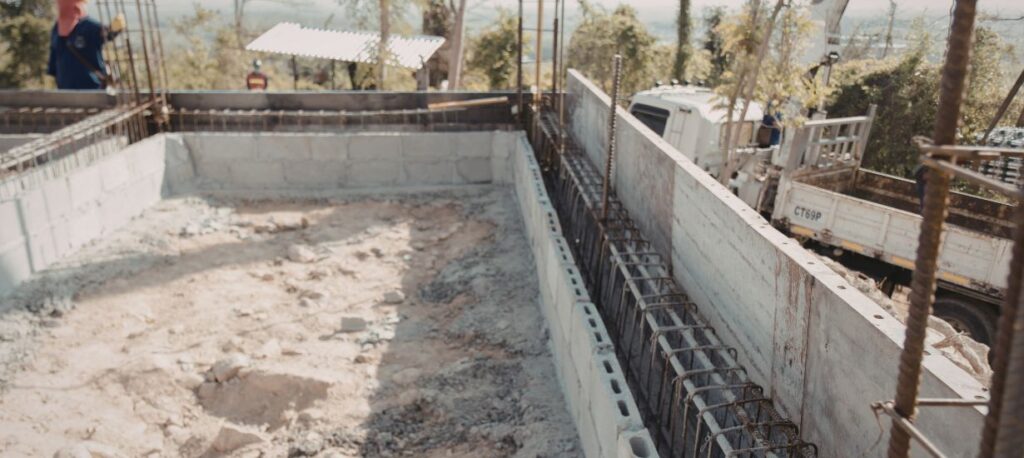
Here’s the thing nobody tells you about building a pool in South Florida: the sunny, warm weather that makes you want one is the same weather that makes building one a real challenge.
We get about 53 inches of rain every year. That’s not just a number—it’s a way of life. Afternoon thunderstorms from June through September don’t care about your construction schedule. The water table, just a few feet below your lawn, is always ready to turn your hole into a mini pond. And hurricane season? It treats construction timelines like a toddler treats a tower of blocks.
But here’s the twist: these challenges are exactly why having a pool in South Florida isn’t just a luxury—it’s a statement. It’s choosing to embrace the weather, the chaos, and the work because you know it’s worth it. You’re thinking about those Saturday mornings when the water is smooth as glass and filled with laughter. Or those evenings when the air is cooler than the water and the sky lights up with colors you can’t even name.
On top of that, South Florida pools get used a lot more than in northern states—about 10 months a year, compared to just 3–4 months up north. That’s over 250 days of pool fun, making the cost-per-use much easier to justify.
Let’s talk about permits. I know — just hearing the word can make your eyes glaze over. But stick with me, because this is where pool dreams either stall or get delayed.
In Orange County, you’ll need several permits: building, electrical, sometimes plumbing, and definitely a barrier permit (that’s for your fence or screen enclosure, and yes, Florida takes this very seriously). Seminole County adds its own twist with setback rules that could make a geometry teacher cry. Osceola County? They have drainage rules that read like a hydrology textbook.
The reality? Getting a permit in Boca Raton, Parkland, Fort Lauderdale, West Palm Beach, and Jupiter isn’t inherently harder than elsewhere. It just feels that way because each county, city, and HOA layers on its own rules. Some areas need architectural review board approval. Others have deed restrictions that could fill a book. And in neighborhoods with multiple HOAs — yes, that’s a real headache — each one wants different documents.
According to Orange County’s building department, a typical residential pool permit takes 10–15 business days, though complicated projects can stretch to 30. Seminole County has similar timelines, processing over 2,000 pool permits online every year. The secret, according to experienced contractors, isn’t just knowing the rules — it’s speaking “permit fluently.” They have connections with inspectors, know that Orange County approvals move faster earlier in the week, and are aware that Seminole County’s portal goes down for maintenance every Thursday evening.
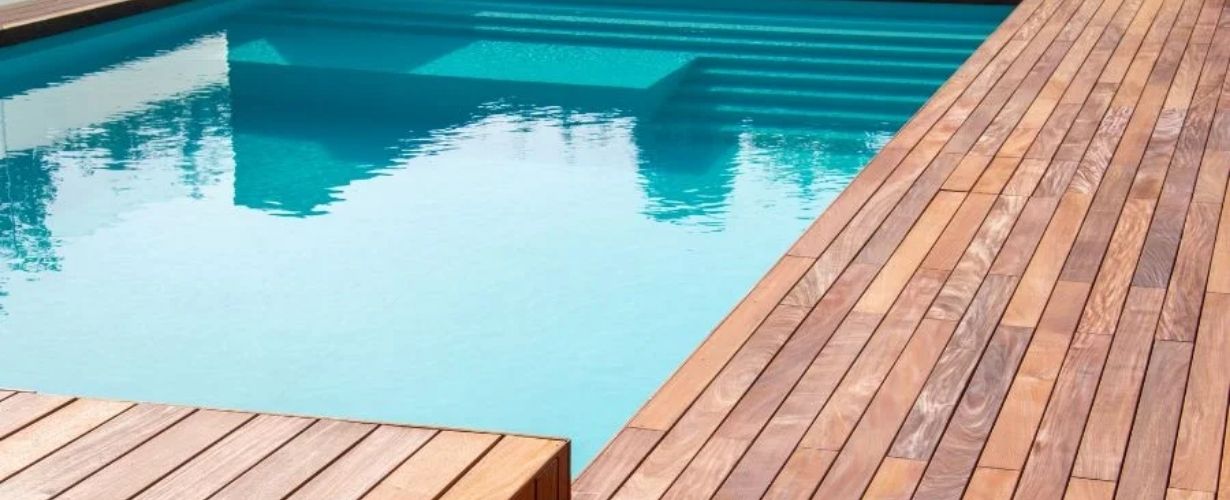
Here’s the truth about pool costs — no sugarcoating, no “starting at $35,000” hype you see online. We’re talking about the real numbers you’ll actually pay.
In South Florida, in 2025, a basic pool — and by basic, I mean a simple rectangular pool with water and the bare minimum safety features — starts around $45,000. That’s like saying a car starts at the price of a base Corolla when what you really want is the SUV with the sunroof, third row, and leather seats.
The pool you’re dreaming of? The one with a spa spillover, a sun shelf for loungers, and water features that give it that resort vibe? Expect $75,000 to $90,000. Add an outdoor kitchen (because poolside grilling feels essential), professional landscaping, and a screen enclosure to keep bugs and leaves out — and you’re easily looking at $150,000.
According to the Pool & Hot Tub Alliance, the average pool project in upscale South Florida neighborhoods like Boca Raton, Parkland, Fort Lauderdale, West Palm Beach, and Jupiter ranges from $85,000 to $135,000. Many homeowners spend 40–50% more than their original budget. Not because of mistakes, but because pools are full of choices — like potato chips, it’s hard to stop at just one.
The tile you pick needs special coping. The coping doesn’t work without the right deck. The deck needs proper drainage. The drainage may require regrading. Before long, you’ve redesigned your whole backyard ecosystem.
Here’s the good news: financing isn’t limited to the old home equity lines your parents used. There are now lenders who specialize in pools, understanding that a pool isn’t just a cost — it’s an investment. In the right neighborhood, a pool can add 5–7% to your home’s value, according to the National Association of Realtors. Some contractors even work with lenders who can approve you within 24 hours, often at rates comparable to traditional home improvement loans.
If you want, I can also make an even shorter, punchy version that’s easier to read online for blog or social posts. Do you want me to do that?
Picking a pool contractor in South Florida is a lot like choosing a surgeon — you want someone skilled, experienced, and proven, not just good at advertising.
State records show there are about 1,500 licensed pool contractors in South Florida. Of these, roughly 200 are serious, established companies with showrooms, design teams, and meaningful warranties. And maybe 50 are true artists — the ones who see your backyard as a canvas, not just a construction site.
Top contractors here know how to handle our unique challenges. They understand that sandy soil needs extra reinforcement and that the high water table requires special engineering, like hydrostatic relief valves and careful timing for excavation. They’ve weathered enough hurricane seasons to know how to protect a site when storms are forecasted.
But the best pool builders don’t just focus on technical skills — they understand the emotional side of the project. Many of the leading builders say over 80% of their business comes from referrals, showing that building trust is just as important as building pools.
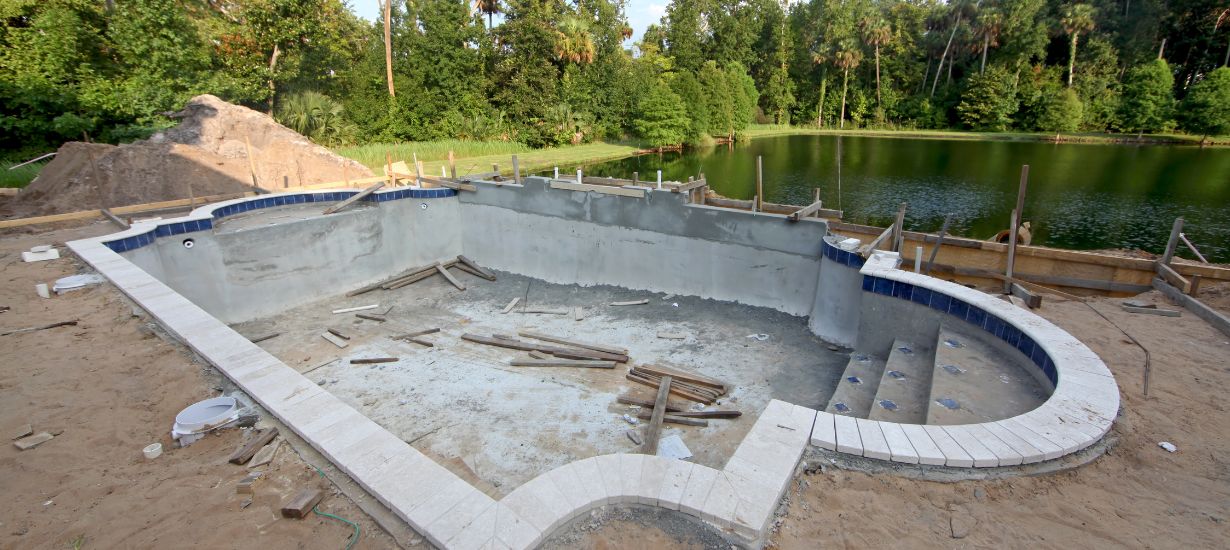
While most pool contractors promise 8–12 weeks but often take 20–24, Epic Watershapes has set a new benchmark for South Florida. Their pledge? Turn your home into “The Best Luxury Resort” in 90 days or less — starting from Day 1 of construction, once permits are approved.
This isn’t just marketing hype. It’s smart planning and execution designed so that homeowners don’t have to put their lives on hold for months. Here’s how their 90-day timeline works when done right:
Pre-Construction Phase (Before the 90 Days)
Before construction begins, design and permits are finalized. Materials are ordered, subcontractors scheduled, and every detail confirmed. The 90-day clock only starts when shovels hit the ground.
Days 1–5: Excavation
Your backyard begins its transformation immediately. Excavation moves quickly, with work planned around South Florida’s weather — mornings for digging, afternoons for prep.
Days 6–20: Steel, Plumbing, and Gunite
Multiple crews work at the same time so the pool shell is completed by Day 20. Pre-ordered materials and pre-scheduled inspections keep everything on track.
Days 21–35: Tile, Coping, and Interior
Specialized crews work in sync. While tiles are installed, automation systems are programmed off-site, so progress happens simultaneously, not one step at a time.
Days 36–60: Deck and Landscaping
Decking and pool finishing run side by side. Pavers are laid while the pool interior cures. Water features and fire elements are installed together. Work is scheduled around afternoon rains to keep projects on time.
Days 61–85: Equipment, Fill, and Balance
Pool equipment is installed and tested like a high-end yacht. The pool fills as finishing touches are added, and water chemistry is carefully balanced.
Days 86–90: Final Inspection and Handover
The final phase isn’t rushed. Inspections pass the first time because every step was done correctly. Your pool is ready to enjoy without delays or surprises.
Legitimate contractors who make this promise will be clear about what can affect it:
The difference isn’t about cutting corners — it’s about cutting out the chaos. We can make this happen because our project managers focus on just a few projects at a time, materials are ready ahead of schedule, we have backup plans for the weather, and our financial stability ensures crews are always available. While others do tasks one after the other, we handle many steps at the same time.
The surprising part? A 90-day build often doesn’t cost you any extra.
So, the real question isn’t whether 90 days is possible — it’s whether your contractor has structured their entire process to make it happen. In South Florida’s pool market, the companies who succeed understand that you’re not just buying a pool — you’re investing in the memories and lifestyle that come with it.
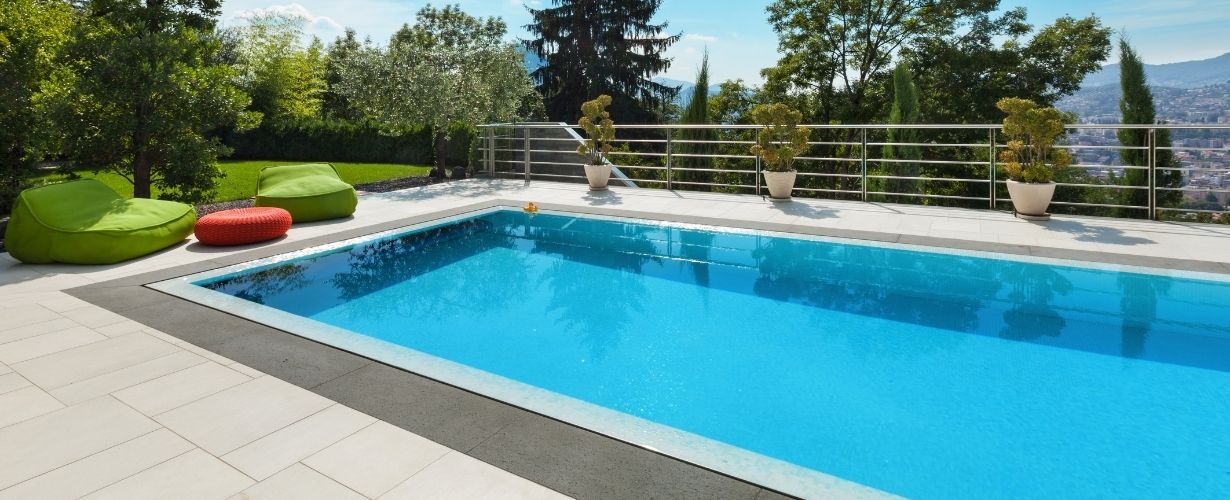
The Screen Enclosure Debate
In most parts of the country, a pool is a pool. In South Florida, a pool without a screen enclosure is an ongoing battle with nature you will lose. The question isn’t whether you need one, but what kind and how much you’re willing to invest.
A basic aluminum screen enclosure starts around $8,000 for a small pool. But basic means you’ll be replacing screens after every serious storm. The upgraded versions with stronger frames and better screening can run $15,000-$25,000. Picture windows that give you unobstructed views? Add another $5,000-$10,000.
Yes, it’s expensive. But consider the alternative: skimming leaves every single day, fishing out the occasional frog or snake (yes, snake — the Florida Museum of Natural History confirms that water moccasins and black racers are common pool visitors), and dealing with mosquitoes that treat your pool area like their personal nightclub.
The Salt vs. Chlorine Revelation
South Florida pool owners are increasingly choosing salt systems, with industry reports showing 70% of new installations opting for salt chlorination. It’s not just because they sound fancier at dinner parties. Our intense sun breaks down chlorine faster than in other climates — up to 90% of chlorine can be lost to UV rays on a sunny day.
But here’s what they don’t advertise: salt systems in our climate require more attention to your pool’s pH levels. The same sun that burns off chlorine also accelerates pH rise in salt pools. You’re trading one type of maintenance for another, though most owners find the trade worthwhile for the softer water and reduced chemical handling.
The Hurricane Factor
Every pool builder in South Florida will tell you their pools are “hurricane-resistant.” What they mean is the pool itself won’t blow away. But hurricane preparation for pool owners is real and recurring:
The Electrical Reality
Chances are, your current electrical panel can’t handle a pool. Plan for $2,000–$3,500 in electrical upgrades. Want an outdoor kitchen too? Expect to double that cost, according to local electricians.
The Landscape Resurrection
Construction will mess up your yard outside the pool area. Landscaping after a pool usually costs $5,000–$10,000, more if you have mature plants that need careful handling, say local landscapers.
The Furniture Addiction
An empty pool deck looks plain—and sad. Good outdoor furniture that can withstand South Florida sun and rain starts around $3,000 for a basic set. Fancy in-pool loungers? At least $500 each, according to local retailers.
The Maintenance Mathematics
Weekly pool service costs $100–$150 per month. Doing it yourself with chemicals adds $50–$75 monthly. Running the pump and heater adds another $75–$150, based on Florida Power & Light estimates. That’s $225–$375 per month, or $2,700–$4,500 per year.
Mistake #1: Going for the Cheapest Option
Experts often warn that the contractor who’s $20,000 cheaper isn’t being smarter — they’re cutting corners. You might not notice at first, but problems often appear when your warranty claim gets denied.
Mistake #2: Skipping Automation
With pools used all year, automation isn’t a luxury — it’s a lifesaver. Pool automation systems let you control temperature, chemicals, and lighting from your phone. Surveys show 95% of owners are happy with them because they save time, make maintenance easier, and keep the pool running smoothly.
Mistake #3: Overlooking the Sun
That “perfect” pool spot might not be so perfect. Watch the area through a full day — morning shade can turn into afternoon sun. And trees that look beautiful may create a constant mess. In South Florida, live oaks drop leaves all year, creating extra work if your pool is nearby.
Mistake #4: Not Planning for the Future
Think about how you’ll actually use the pool. Data shows deep ends over 8 feet get used less than 10% of the time, while shallow areas and sun shelves see 60% of the action. Designing for how you’ll use it most often is smarter than building for occasional deep-end fun.
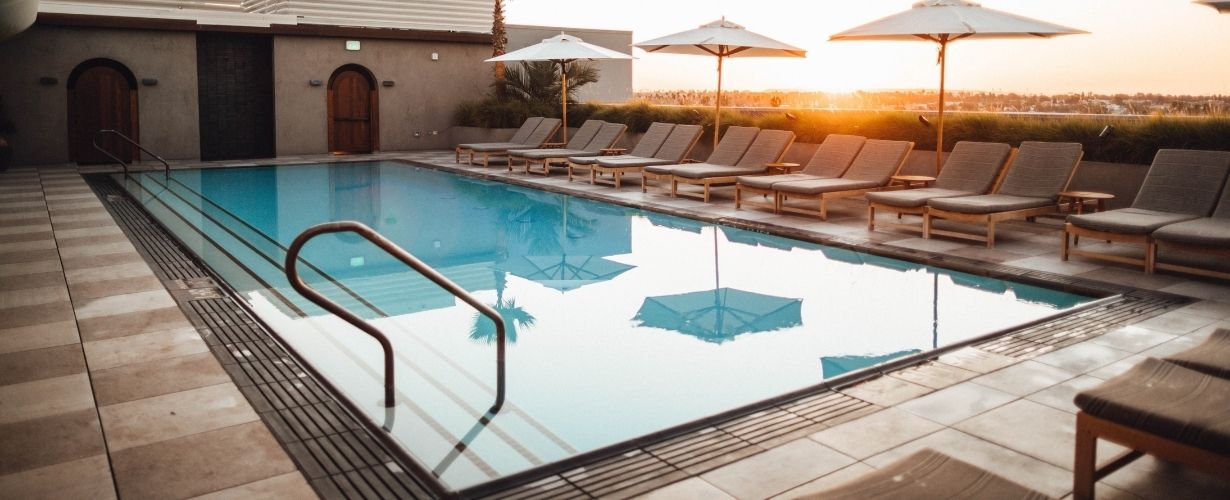
Let me tell you about the moment when all the effort really pays off, based on talking with dozens of pool owners across South Florida. It’s not the first swim — that’s usually full of nerves and exhaustion from the construction. It’s not the first party either — you’ll be too busy hosting and making sure everyone is having a good time.
The moment comes quietly. Maybe it’s a random Tuesday evening in October, when the air finally feels like fall (all 72 degrees of it), and you decide to float for a few minutes after work. The pool lights make little underwater constellations, and the sound of the water feature you worried over is just as relaxing as you imagined.
Or maybe it’s a Sunday morning, when you wake up before everyone else and slip into the pool with your coffee (in a plastic cup, safety first). For a brief moment, before the day’s demands take over, you float there in your own private resort — enjoying the life you’ve built and the choice you made, despite the cost, the hassle, and the occasional chaos.
A study from the University of South Florida found that pool owners spend 40% more time with family and see real improvements in work-life balance. These aren’t just feel-good numbers — they reflect real changes in how families connect and make memories.
If you’re serious about building a pool in South Florida — and if you’ve made it this far, chances are you are — here’s a practical plan to follow:
Extensive research into South Florida’s pool scene shows something interesting: a pool isn’t really about the water.
It’s about creating a spot where people gather. It’s about putting phones aside, letting go of excuses, and turning your backyard from just a space you maintain into a space you truly live in.
In South Florida, where the weather keeps us indoors for months at a time—too hot, too humid, too many mosquitoes—a pool gives you a reason to go outside. It’s an invitation to enjoy the outdoors while everyone else hides in air conditioning. It’s where the stories that become family memories are made.
Building a pool here isn’t always easy. It can test your patience, stretch your budget, and make you question your sanity—especially around week eight, when your backyard looks more like a construction site than a paradise.
But with the right builder, realistic expectations, and a clear vision of why you started, the result is more than just a pool. It’s a daily invitation to enjoy the life you’ve worked for.
Yes, real estate data shows a quality pool can add 5–7% to your home’s value, but that’s not the real reward. The true value is in the laughter echoing across the water on a Sunday afternoon, the stress melting away during an evening float, and the pride you feel when friends gather in the space you created.
A pool in South Florida isn’t just a status symbol or a home upgrade—it’s proof that joy is worth the effort, that family moments matter, and that sometimes the best decisions turn a perfectly ordinary backyard into something truly magical.
It’s no surprise that nearly 15% of South Florida homes have pools, almost double the national average. With long summers and endless perfect pool days, not having one isn’t just unusual—it feels almost wrong.
Welcome to the deep end. The water’s perfect.
About the Author:
Henry Pierce is co-owner of aquaelitepool.com, and he brings 15+ years in luxury construction expertise to Aqua Elite Pool, combining engineering precision with designs that transform ordinary spaces into environments where families naturally gather and memories happen. When he’s not building pools, he spends time with his family, reading good books or playing tennis.