
The area surrounding a pool plays a big role in how inviting and practical the space feels. Even a high-end pool design won’t look complete if the surface around it is uncomfortable, unsafe, or unattractive. Homeowners often consider two main options for building a safer, nicer place to walk, relax, or set up outdoor furniture: paving and decking.
Both options can transform a backyard beautifully, but one common question usually decides the choice:
In most cases, paving is the more affordable option upfront and usually easier to maintain over time. However, the right choice also depends on style preferences, climate, property slope, and how much maintenance you’re comfortable with.
The details below will help you choose the best fit for your budget and your pool area.
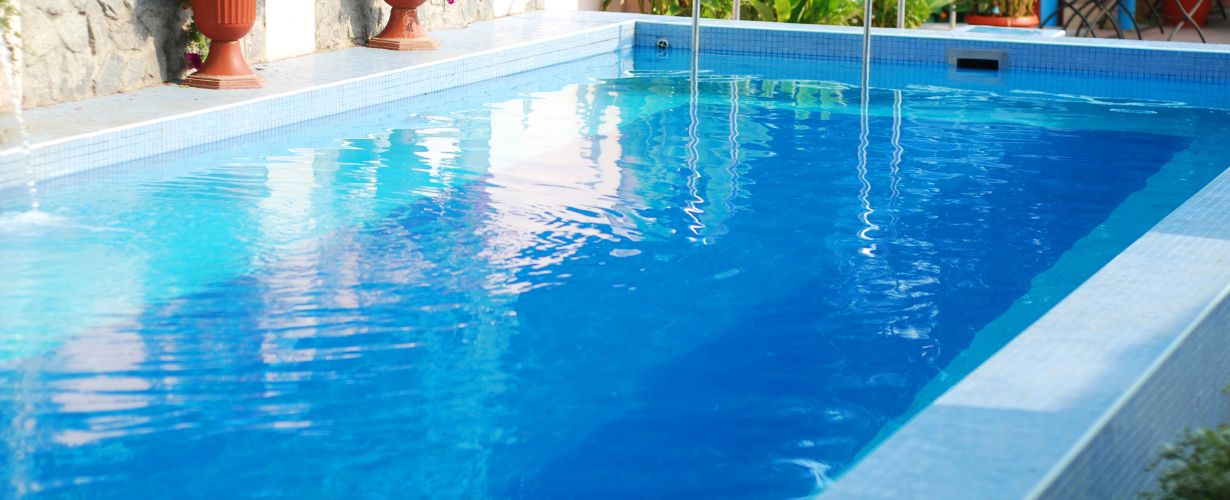
Pool paving involves creating a solid, water-resistant surface around the pool using materials like concrete, natural stones, tiles, or brick pavers. Paving is popular because it offers many styles, various colour options, and finishes that can work with both modern and traditional landscape designs.
Common paving materials used around pools include:
When installed properly, paving creates a long-lasting, slip-resistant surface that can handle sunlight, pool water, chemicals, and constant use without needing much maintenance.
Here are some ways homeowners commonly use paving in their pool layout:
These options make paving suitable for both simple pool walkway designs and luxury pool surrounds.
| Advantages | Disadvantages |
|---|---|
| Lower initial cost compared to decking | Can feel hot on sunny days |
| Long-lasting and highly durable | Possible cracking if the soil moves |
| Easy to clean and maintain | Hard surface underfoot |
| Many textures, colours, and patterns available | |
| Slip-resistant choices are available |
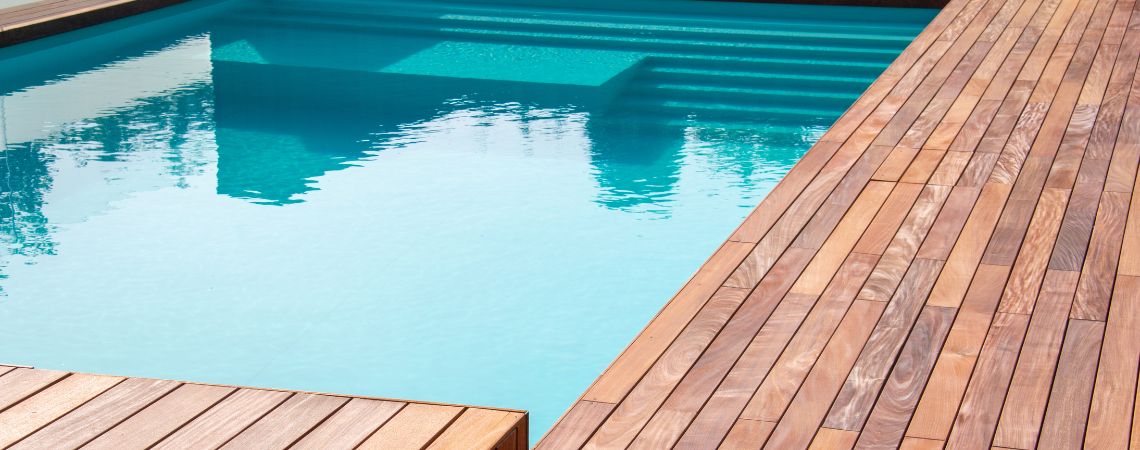
A pool deck is a raised or level platform built using materials such as wood, composite materials, PVC, or aluminium. Decking is often chosen for its warm, natural feel and the way it blends with garden areas, lawns, or outdoor seating spaces.
One major advantage of decking is that it works very well on sloped or uneven sites because it can be built at different heights. It is also a common choice for above-ground pools where elevation is needed.
Popular decking materials include:
Decking creates a soft, comfortable walking surface and offers a resort-like atmosphere. However, it usually requires more maintenance than paving, especially if it is made from timber.
Some common pool decking styles include:
| Advantages | Disadvantages |
|---|---|
| Natural, comfortable appearance | Higher upfront cost |
| Cooler and softer under bare feet | Needs regular sealing or staining (wood) |
| Works well on sloped or uneven sites | Can fade, warp or rot without proper care |
| Ideal for above-ground pools | May require future replacement |
| Easier to adapt into unique shapes |
The costs below show how paving and decking differ in materials, installation, and long-term maintenance.
| Cost Factor | Paving Around Pool | Decking for Pool Area |
|---|---|---|
| Material Cost (Average per sq. ft.) | $6 to $20 (stone, brick, concrete, tiles) | $15 to $30 (wood), $35 to $40 (composite) |
| Installation Cost | $5 to $10 per sq. ft. | $10 to $25 per sq. ft. |
| Maintenance | Low; mostly cleaning and occasional sealing | Medium to high; sealing, staining, repairs |
| Comfort Underfoot | Can feel hot in sunny weather | Usually cooler and softer |
| Durability | Extremely long-lasting, minimal care | Depends on maintenance quality |
| Best Use Case | Low-maintenance modern pool paving designs | Natural, resort-style pool surrounds, sloped sites |
Overall, paving can be 30% to 50% cheaper to install than decking.
Choosing between paving and decking depends on practicality, appearance, and how you plan to use the space.
Not if you choose textured surfaces such as exposed aggregate, flamed stone, or brick pavers designed for wet conditions.
It can, but proper sealing and regular maintenance help prevent moisture damage. Composite and aluminium decking do not rot.
Paving usually cracks only when the soil is unstable or the installation is poor. Proper groundwork prevents this.
Paving generally lasts longer and needs less upkeep, especially if natural stone or concrete is used.
Get Your Custom Pool & Spa Quote
Free 3D design and Financing options.