
Epic Watershapes

The Hidden Costs of Building a Pool in South Florida

Building a pool in South Florida is a common project because of the warm weather. Most people start by looking at a base price for the pool shell. However, the number on the initial quote is almost never the final price. There are many extra steps and site conditions that change a budget.

Planning to build requires looking at more than just the water and the tile. The ground, the local laws, and how the yard will work once the project is over all play a role. Being prepared for these costs makes the process easier to manage.
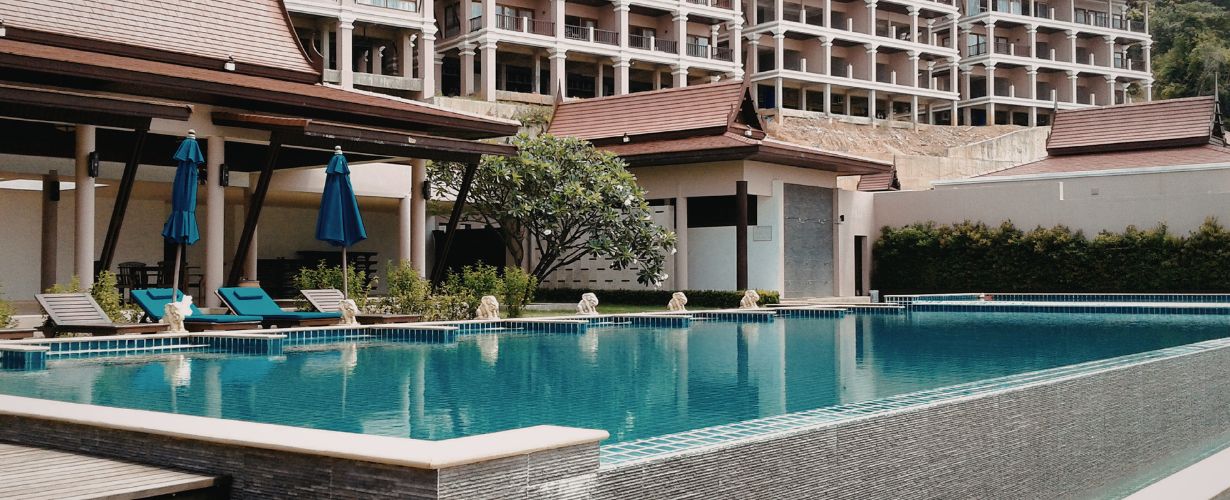
Soil and Site Excavation Factors

In South Florida, the ground is unpredictable. One yard might have soft sand while the neighbor has solid coral rock. When a crew starts digging, they might hit that rock. There are a few things that happen underground that change the price:

  • Hard Rock Excavation: Breaking through solid coral or limestone requires heavy machinery. Most builders charge extra for this because it is not part of a standard dig and takes more time.
  • Dewatering Systems: Since the region is close to sea level, digging deep often leads to the hole filling with water. The crew has to run pumps to keep the site dry so they can apply the concrete shell.
  • Muck and Soil Quality: If the soil is too soft or full of organic material, it cannot support the weight of a pool. Builders have to dig it out and bring in clean fill dirt so the pool does not shift or crack later.
  • Dirt Hauling and Disposal: Excavating even a 10×20 inground pool creates a massive amount of dirt. If the yard does not need leveling, this dirt must be trucked away. Dump fees and fuel costs for these trucks are often listed as a separate line item.

Permits, Fees, and Legal Rules

Every city in South Florida has its own building department with different rules. Getting a permit is not a simple application. Several administrative costs must be accounted for:
  • Engineering Plans: Professional drawings are needed to show how the pool will handle hurricane-force winds and soil pressure.
  • Permit and Inspection Fees: Cities charge for the permit itself and for inspectors to visit the site at different stages of the build.
  • Utility Relocation: Often, sewer or power lines run where the pool should be. A licensed plumber or electrician must move them before the pool work starts.
  • HOA Bonds: Communities with a Homeowners Association might require a construction bond or a fee to review the plans.

Decking, Drainage, and Surrounding Hardscape

The area around the pool is just as important as the water. A basic concrete deck is the cheapest, but many people prefer pavers or natural stone like travertine. These materials do not get as hot in the sun.

The movement of rain is also a factor. Heavy storms dump a lot of water. If the deck does not have a proper drainage system, that water could end up inside the house or flooding the porch.

  • Material Selection: The difference in price between basic pavers and high-end marble or travertine can be thousands of dollars. Thicker stones require more labor to cut and set.
  • Deck Drain Systems: A trench drain is a long plastic or metal grate that catches water before it hits the house. This requires its own plumbing to lead the water away from the pool area.
  • Retaining Walls: If a yard has even a slight slope, a small retaining wall might be needed to keep the dirt from washing into the pool. This adds both material and masonry labor costs.
  • Coping Styles: The coping is the cap at the edge of the pool. Custom shapes or bullnose edges cost more to manufacture and install than standard flat edges.

Safety and Barrier Requirements

Florida has strict laws about pool safety to prevent accidents. Every new pool must have a safety barrier. This is rarely included in the price of the pool shell.

  • Fencing: A fence at least four feet high with self-closing and self-latching gates is required. If an existing fence is old, it might not pass inspection.
  • Alarms: If the house acts as one side of the barrier, every door and window leading to the pool needs a loud alarm.
  • Baby Fences: An extra mesh barrier that sits right on the pool deck is a common choice for added safety, especially for families with small children or pets.

Electrical and Equipment Upgrades

A pool uses a lot of electricity. Between the pump, the lights, and a heater, a home’s electrical panel might get overwhelmed. If the current panel is old or full, an upgrade is necessary. This might mean adding a sub-panel or upgrading the entire service from the power company.

While Florida is hot, pool water can be too cold to use in the winter without a heater. Adding a heat pump is a significant expense. Saltwater pools are also a choice, but they cost more to install than a basic chlorine system. Deck materials must be compatible with salt so the stone does not wear away over time.
Interior Finishes and Tile

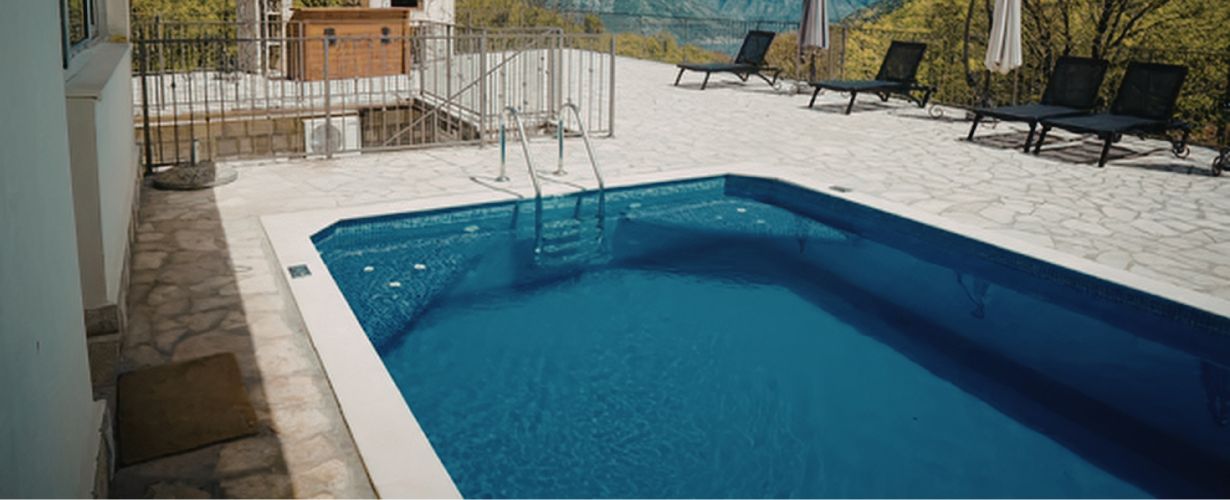
The look of the water depends on the finish inside the pool. Standard white plaster is the most affordable, but it is also the most likely to stain or show wear over time.

  • Quartz and Pebble Finishes: These are much more durable and come in different colors. They use small stones or glass beads to create a textured look. These finishes are an upgrade and require specialized crews to apply.
  • Waterline Tile: Tile protects the concrete from the sun and makes it easier to clean. Custom mosaics or glass tiles cost much more than standard ceramic tiles.
  • Steps and Benches: Adding a sun shelf or tanning ledge for lounge chairs requires more concrete and more tile work, increasing the overall cost of the shell.

Homeowners Insurance and Liability Costs

Adding a pool changes the risk profile of a property, which impacts homeowners insurance. Insurance companies often view pools as an “attractive nuisance,” meaning they can attract children or guests even when the owner is not present. This leads to a few common insurance-related costs:

  • Increased Liability Limits: Most standard policies provide $100,000 in liability coverage. When a pool is installed, many insurers recommend or require increasing this limit to $300,000 or $500,000.
  • Umbrella Policies: Many homeowners choose to add an umbrella policy for an extra layer of protection. This usually provides $1 million in additional liability coverage and has its own annual premium.
  • Other Structures Coverage: Since an in-ground pool is a permanent fixture, it is typically covered under the “Other Structures” portion of a policy. If the pool is high-end, the current limit (often 10% of the dwelling coverage) might need to be increased to fully cover the replacement cost of the pool.
  • Compliance Requirements: Some insurance providers will only provide coverage if specific safety measures are met beyond local building codes, such as removing diving boards or slides, which are considered higher risks.

Fixing the Rest of the Yard

Construction is a messy process. By the time the pool is done, the yard will need work to look normal again. Budgeting for these restoration costs is helpful:

  • Sod and Grass: Heavy trucks will likely crush the existing lawn, requiring new grass to be laid.
  • Irrigation Repair: Excavation usually cuts through existing sprinkler lines that need to be re-run and fixed.
  • Landscaping: Plants or trees might be needed to hide the pool equipment from view or to provide privacy from neighbors.
  • Access Repair: If a fence had to be taken down to let the machines into the yard, it has to be put back up and potentially repaired.

Understanding the Total Investment

A successful pool project depends on realistic expectations from the start. Taking a total estimate and adding 10% as a safety net covers the unpredictable nature of excavation and site work. Reviewing completed projects helps in understanding why specific pool construction phases, such as underground work and equipment choices, are necessary for a long-lasting result.

The choice of a builder also impacts the number of extra costs. A quote that seems low may leave out essential items like permits, dirt hauling, or basic electrical work. Understanding the most expensive parts of installing a pool allows for a more accurate comparison of different proposals. A pool should be a place for relaxation, and being informed about these hidden costs ensures the project stays on track and within a manageable budget.