
Pests and pools are a frustrating combination. You spend time and money keeping your pool in great shape, and then mosquitoes, water bugs, or frogs decide it looks like a nice place to settle in. It is one of the more annoying parts of pool ownership, but it is also one of the most preventable.
Most pest problems come down to things that are easy to fix once you know what to look for. This guide walks through the main causes and practical steps you can take to keep your pool and the area around it pest-free across the season.
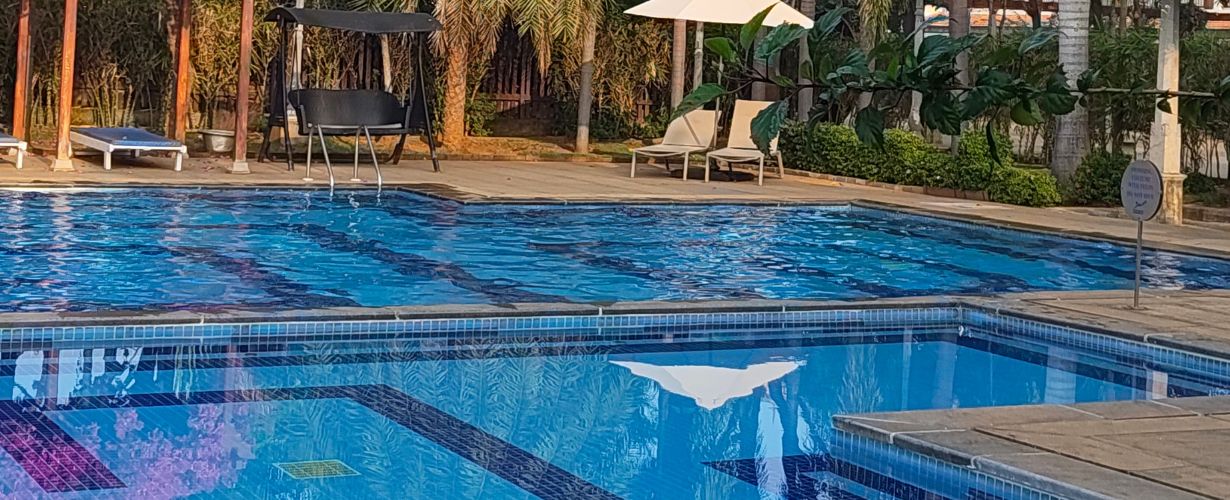
Water is the main draw. Insects need moisture to breed, feed, and survive. A pool gives them all of that in one spot, especially when the water sits still or the surroundings are not well managed.
The type of pest you attract depends on what your pool and backyard offer them. Mosquitoes are after stagnant water to lay eggs. Water bugs like algae as a food source. Frogs look for shelter and a water supply. Ants follow moisture trails and food scraps left poolside. Knowing what draws them in helps you fix the right things first.
Untreated or poorly balanced water is one of the main reasons insects move into a pool. When chlorine drops or pH shifts, algae develops and becomes a food source for water insects, which then attracts others that feed on them.
Well-treated water is one of the most reliable pest deterrents you have. Mosquitoes will not lay eggs in water that has been recently and properly treated.
Still water is where mosquitoes breed. If your circulation system is running properly, larvae simply cannot survive. This is one of the simplest ways to stop a mosquito problem before it starts.
A well-functioning system keeps water moving, chemicals distributed evenly, and algae from settling.
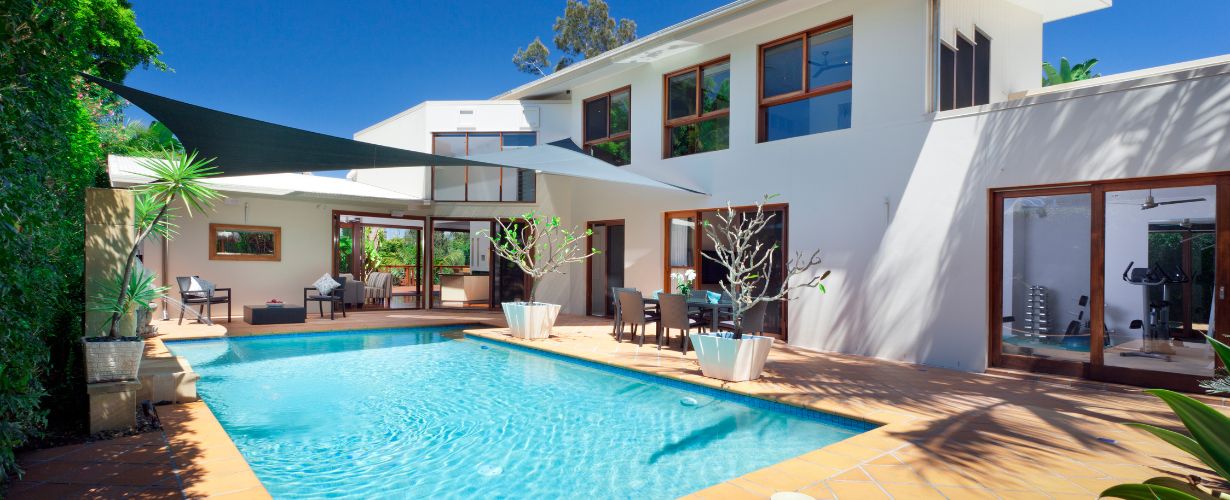
Debris on the surface gives pests a reason to come closer. Dead insects attract live ones. Leaves and organic matter feed algae growth. A pool that puts off pests is one that gets consistent daily attention.
A solid pool cover is one of the most effective barriers you can use. When the pool is covered, insects cannot land on the water, frogs cannot get in, and debris stays out overnight. Avoid mesh covers as rain can collect underneath and still create mosquito breeding conditions. Make sure edges sit flush with no gaps. If you are planning a new pool installation or upgrade, choosing a cover built for your pool shape ensures a proper seal.
Lighting matters just as much after dark. Insects are drawn to bright white and UV light, so switching to yellow LED bulbs reduces the number of bugs hovering around the pool in the evening. Turn off pool lights when not in use, use motion-activated fittings where possible, and position lighting away from the water’s edge rather than directly over the pool.
The pool itself is not always where mosquitoes breed first. Water collecting in small containers, deck dips, or low garden spots can become breeding grounds without you noticing.
Mosquitoes need very little. A small amount of still water in a forgotten container is enough to start a breeding cycle, so removing these spots cuts the problem off at the source.
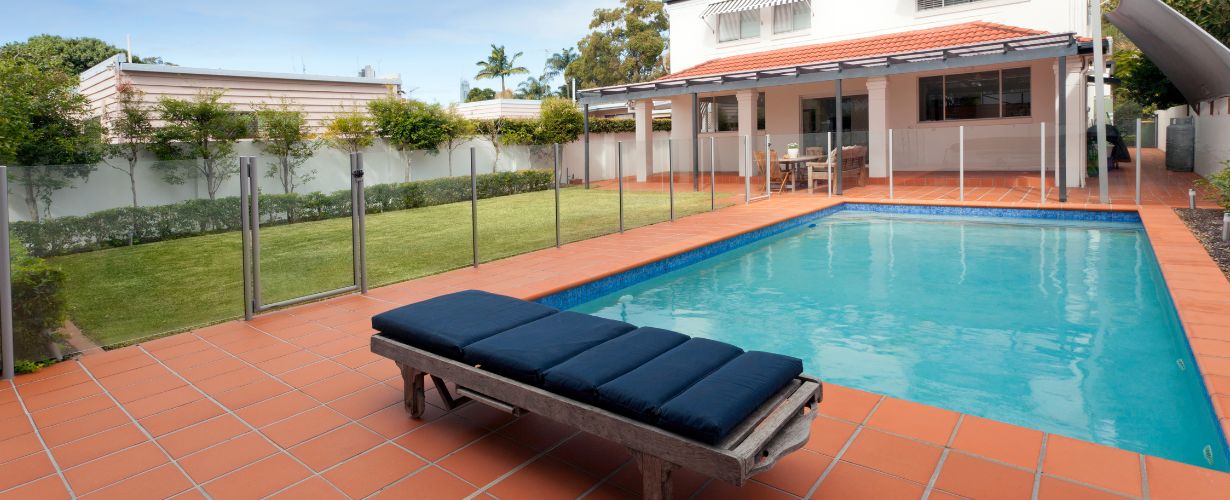
Plants near the pool serve a dual purpose. Dense or poorly chosen greenery creates shelter for mosquitoes, frogs, and other insects. But the right plants can actively work against pests.
Plants known to repel common poolside insects include lavender, citronella grass, rosemary, basil, marigolds, and mint. Place these near seating areas or along the pool perimeter. At the same time, keep all plants trimmed and avoid dense shrubs at the pool’s edge. Overhanging branches drop leaves into the water and give insects places to rest nearby. If you want to think through your planting layout alongside the pool design, 3D pool and backyard design is a useful starting point for getting the full picture before anything is built.
Food left near the pool draws flies and ants quickly. These insects do not need much to decide the area is worth staying in.
Chemical sprays are not the only option. Several natural approaches work well without affecting the water or posing any risk to swimmers.
A simple homemade spray combines a quarter cup of witch hazel, a quarter cup of apple cider vinegar, twenty drops of eucalyptus essential oil, and twenty drops of citronella essential oil in a spray bottle. Shake before use and apply around the perimeter or seating areas before heading outside. Essential oil diffusers with citronella, lavender, or tea tree oil also work well and add a pleasant scent to the space. Citronella candles or garden torches are another practical option, particularly during evening swims.
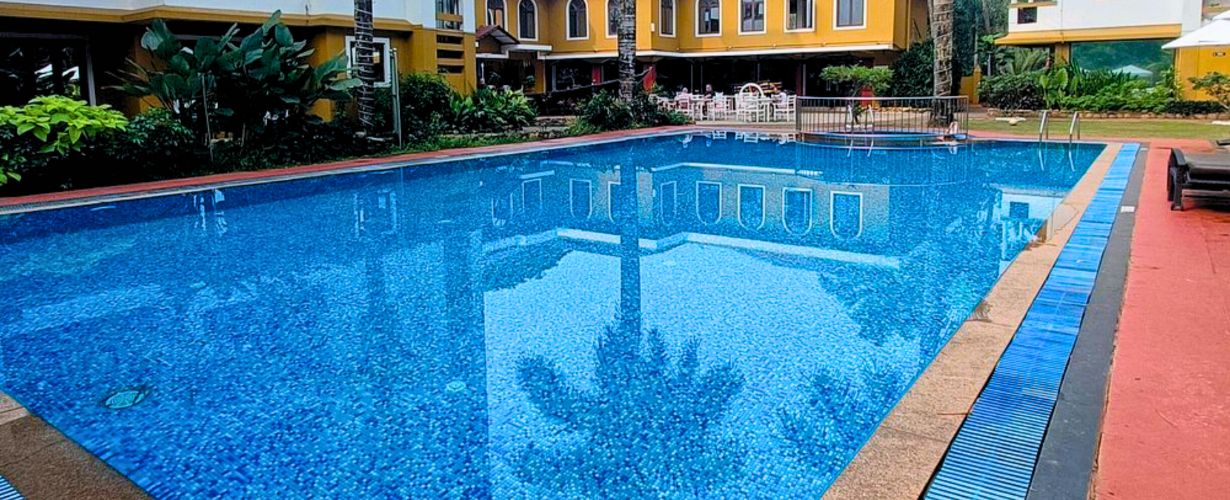
Pool fencing keeps people safe but it also helps keep out frogs, lizards, and ground-level insects. Walk the fence line occasionally and check for gaps at the base or along joins. A fine mesh skirt along the base of existing fencing closes those gaps without replacing the whole structure. For pools in high-insect areas, a fully screened enclosure removes almost all flying pests and also helps retain heat and reduce evaporation. If fencing or screening is something you want to update or add, it is worth factoring into a broader pool and spa remodeling project so everything is planned together.
Insect zappers are useful but need correct placement. Positioning one right beside the pool draws insects toward the area you are trying to protect. Place them further into the yard so insects move away from the water. Keep them clean and always well away from water for safety.
Even with good habits in place, occasional pest issues happen. The key is acting fast since most infestations become harder to clear the longer they are left.
Your pool is supposed to be the part of your home you look forward to using. Pests have a way of making that harder. A few minutes of attention each day, combined with smarter choices around lighting, planting, and water management, keeps the experience what it should be.
None of this needs to be complicated or costly. The most effective pest prevention steps are also the most straightforward ones. Keep the water right, keep the surroundings clean, and stay consistent. That is genuinely most of what it takes.
Get Your Custom Pool & Spa Quote
Free 3D design and Financing options.