
You step outside after a heavy rainstorm. The sky is clear again. The garden looks great. Then you walk over to your pool and the water is cloudy, dull, maybe even a little green. It happens to a lot of pool owners. And it always seems to appear right when you want to swim.
The good news is this is fixable. You just need to understand what rain actually does to pool water, what to test first, and what mistakes to avoid while you’re sorting it out.
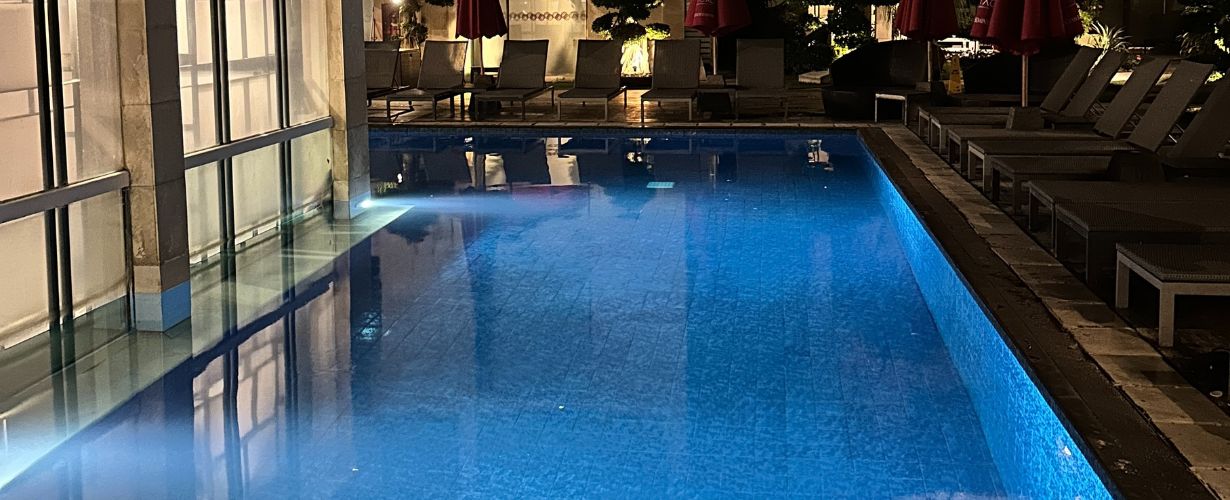
Before you add anything to your pool, test the water. Adding chemicals without testing first is one of the most common mistakes pool owners make after a storm. You can end up wasting product or making the imbalance worse.
Test for:
Use a proper test kit or take a sample to your local pool shop. Test strips give you a rough guide but a full water test gives you more accurate numbers to work from.
Before you touch chemicals, clean out the physical mess:
The cleaner the water is to start with, the more effectively your chemicals will work.
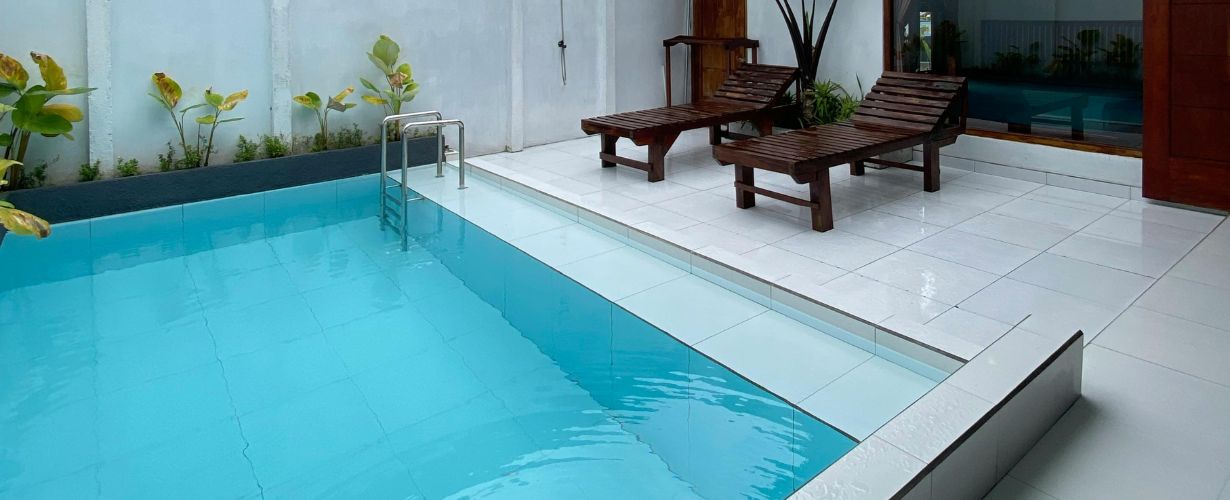
If the pool is sitting well above the midpoint of the skimmer opening, lower the water level before doing anything else. You can do this by:
Getting the level right means your skimmer works properly and your chemicals don’t get further diluted.
Always fix alkalinity before you try to adjust pH. Alkalinity is the foundation. If it’s low, your pH will keep drifting no matter what you add.
Once alkalinity is back in range, check your pH again. It may have come up on its own or it may still need adjustment.
This order matters. Chlorine works best at the right pH. If you shock while pH is still out of range, you’ll waste a lot of the treatment.
After rain, a shock treatment is almost always needed. Even if your chlorine reading doesn’t look too bad, the water has been through a lot and needs a strong dose to deal with everything in it.
After shocking, run your filter without stopping:
Once the water is looking clearer and your chemistry is balanced, address phosphates.
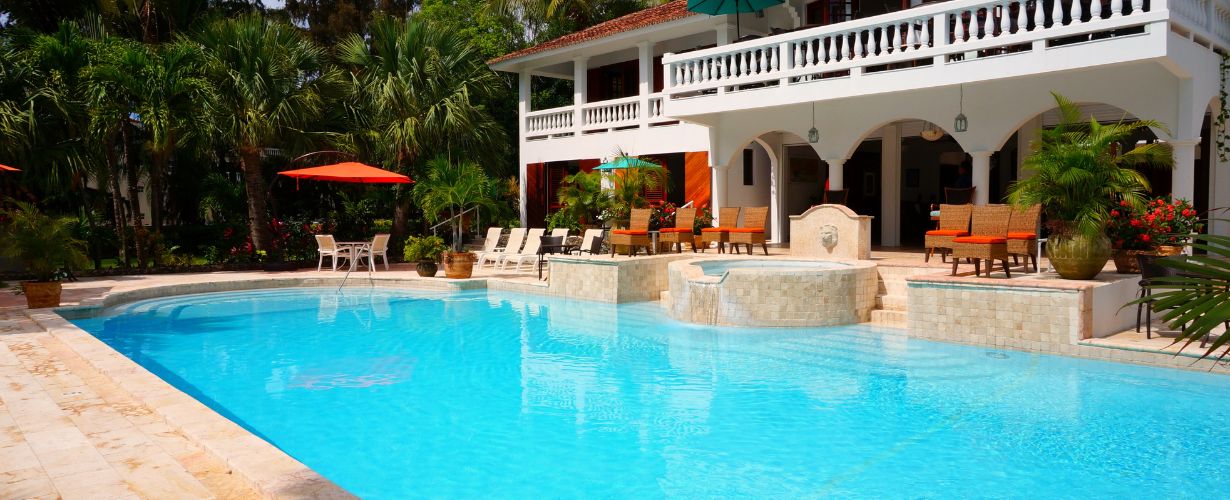
If the water is still hazy after 48 hours, a pool clarifier can help speed things up:
Cloudy pool water after rain is common. It doesn’t mean something is seriously wrong. It means the water chemistry took a hit from the storm and needs attention.
Act quickly, test before adding anything, fix alkalinity and pH first, shock the pool, and keep the filter running throughout. Follow that order and the water should come good within a day or two. If your pool has been through a lot of rough weather recently and is starting to show it, the pool renovation checklist is a good place to start thinking about what needs attention.
Get Your Custom Pool & Spa Quote
Free 3D design and Financing options.