
If your pool is looking tired, you have probably come across two options. Repaint it or resurface it. On the surface they both seem like they do the same thing. But they are actually very different, and for most pool owners, one of them is clearly the better choice.
Repainting is often the first thing people consider because it seems quicker and cheaper. That makes sense. But cheaper upfront does not always mean better value. The condition of your pool a few years down the track tells a very different story. Here is a straight look at why resurfacing comes out on top.
Pool repainting means applying a fresh coat of paint over the existing surface. It is a surface level fix. The paint sits on top of whatever is already there. Common types include epoxy, rubber based, and water based paint. They all have different lifespans and prep requirements, but at the end of the day they are still just coatings sitting on top of the pool shell.
Repainting is usually chosen because it seems cheaper and faster. But as you will see, that short term saving often does not hold up over time.
Resurfacing is a deeper process. The old surface material is removed or heavily prepped, and then a new layer of material is applied directly to the pool shell. This could be plaster, pebble, quartz, or aggregate depending on the finish you want.
It takes more time and costs more upfront. But what you get is a surface that is renewed from a structural level, not just painted over. That difference matters more than most people realise.
Paint simply does not hold up the way a resurfaced finish does. A paint job on a pool typically lasts 3 to 7 years, and that is with good maintenance. Epoxy paint is the most durable option, but even that has a limited lifespan before it starts fading, peeling, or lifting.
Resurfacing materials last 10 to 25 years depending on the finish. Plaster sits at the lower end at around 10 to 15 years. Pebble and aggregate finishes can easily push past 20 years with proper care. You are simply getting a lot more out of the investment.
Repainting looks cheaper at first glance because the upfront cost is lower. Less material, less labour, done faster. But paint needs to be redone every few years. Those costs stack up quickly.
If you repaint every 4 to 5 years, you will likely spend more over a 15 to 20 year period than if you had resurfaced once and left it alone. Resurfacing costs more at the start, but it is a one time investment that does not need to be repeated for a very long time.
This is probably the most important reason. Paint is a cosmetic fix. It can cover fading and minor staining, but it cannot repair structural issues. If there are cracks or soft spots in the shell, the paint will follow. It will crack and peel along those same lines, sometimes within a year or two.
Resurfacing addresses what is actually wrong. Cracks are filled and repaired before the new material goes on. Rough or pitted areas are smoothed out. Deteriorated plaster is replaced entirely. You are not hiding the problem, you are fixing it.
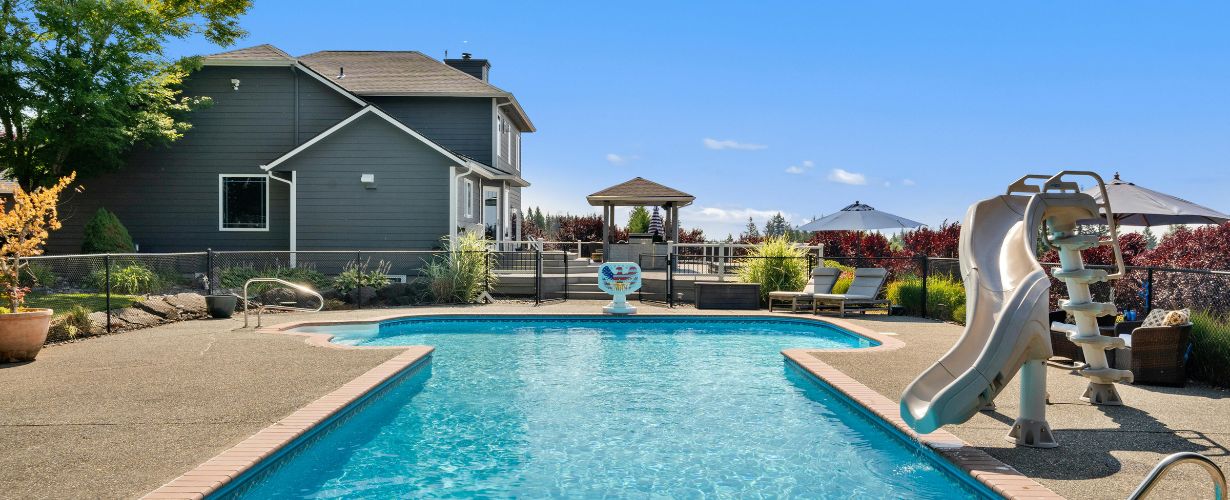
A painted pool can look decent when it is fresh, but it rarely stays that way for long. Paint is prone to fading from UV exposure, staining from chemicals, and peeling from water pressure and temperature changes. The surface can also feel rough underfoot as the paint breaks down.
A resurfaced pool holds its finish for much longer and feels better to swim in. Pebble and aggregate finishes in particular are very resistant to fading and staining. They also add texture and depth to the look of the pool that paint simply cannot replicate.
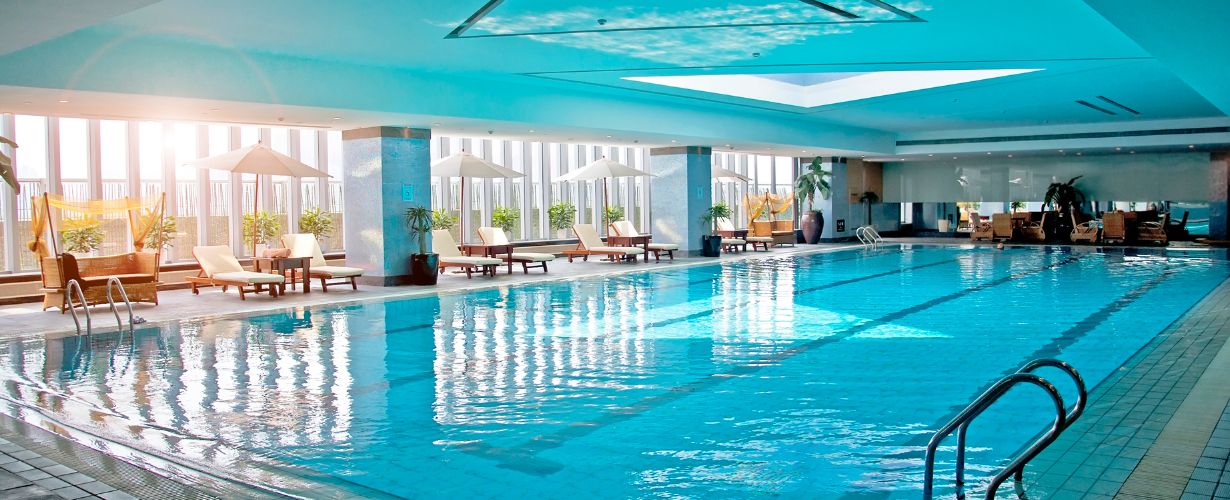
A pool is one of the more significant features on a residential property. The condition it is in matters, both for your enjoyment of it and for the value it adds to your home. A freshly painted pool might look fine in photos, but experienced buyers and inspectors can spot the signs of a painted surface, and they know what that means in terms of upcoming maintenance.
A properly resurfaced pool is a different story. It signals that the pool has been maintained at a higher level. The finish lasts longer, the structure is sound, and the buyer does not have to factor in a resurfacing job in the near future. If you are planning to sell your home in the next several years, a resurfaced pool is a stronger asset than a painted one.
| Feature | Repainting | Resurfacing |
|---|---|---|
| Lifespan | 3 to 7 years | 10 to 25 years |
| Upfront Cost | Lower | Higher |
| Long Term Cost | Higher (repeated every few years) | Lower (done once, lasts much longer) |
| Fixes Structural Issues | No | Yes |
| Finish Quality | Fades and peels over time | Durable and long lasting |
| Best For | Short term cosmetic fix | Lasting, structural renewal |
Repainting might seem like the easier path. But for most pools, it ends up costing more over time and does not address the underlying condition of the surface. Resurfacing is a more thorough job that gives you a better finish, a longer lifespan, and real value for your money.
If your pool needs more than a fresh coat of paint, resurfacing is the right call. The team at Epic Water Shapes can assess your pool and walk you through the best options for your situation.
Get Your Custom Pool & Spa Quote
Free 3D design and Financing options.