
Owning a swimming pool is a great way to relax, exercise, and spend time with family and friends. But just like anything else, pools require maintenance to stay safe and look good. One of the most common maintenance tasks is replastering. Over time, a pool’s plaster surface can crack, fade, or become rough. When that happens, replastering becomes necessary.
If you have a 20×40 pool, you’re probably wondering, how much does it cost to replaster it? In this blog, we’ll break down the costs, explain what affects pricing, describe the different types of plaster, and give tips for getting the best results. By the end, you’ll know exactly what to expect and how to plan your pool replastering project.
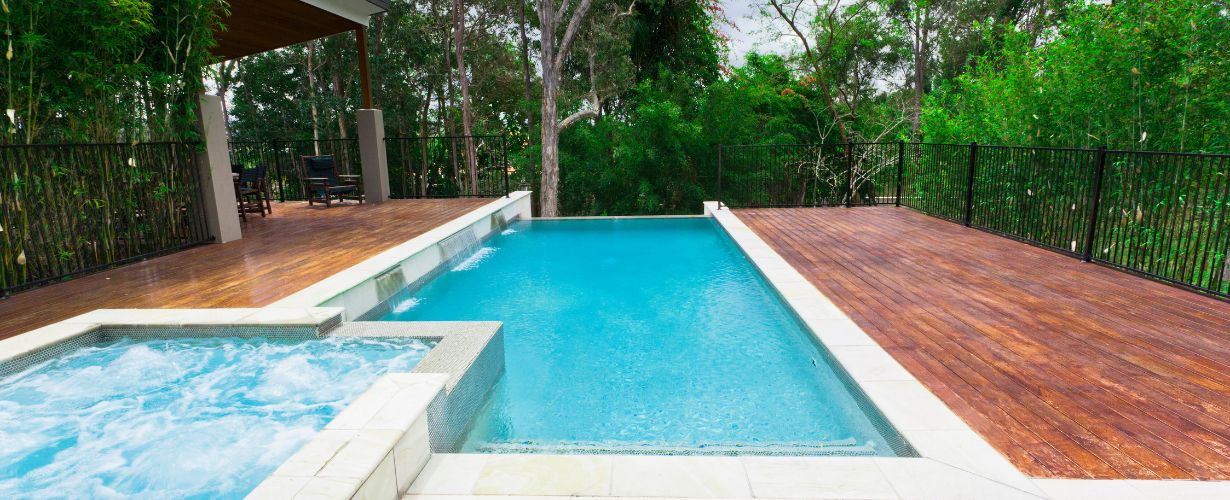
Pool replastering is the process of applying a fresh layer of plaster to your pool’s surface. This new plaster restores the pool’s appearance, protects the structure underneath, and makes the water safe and comfortable to swim in.
Over time, pool plaster can wear down due to chemicals, sun exposure, and everyday use. Signs of old plaster include rough textures, discoloration, cracks, and flaking. Replastering fixes these problems and gives your pool a clean, smooth, and safe finish.
It’s worth noting that replastering is different from resurfacing. Resurfacing may involve adding tiles, aggregate, or other materials. Replastering is a simpler, more affordable way to refresh your pool while keeping its original look.
The cost of replastering a pool depends on several factors, including the type of plaster, the condition of the pool, and labor rates in your area. For a standard 20×40 pool, here’s a general idea of what you can expect:
| Type of Plaster | Estimated Cost |
|---|---|
| Standard White Plaster | $5,000–$8,000 |
| Colored Plaster | $7,000–$10,000 |
| Pebble Aggregate | $10,000–$15,000 |
| Quartz-Based Plaster | $8,000–$12,000 |
These prices usually include labor, materials, and minor preparation. If your pool has major damage or requires extensive repairs, the cost could be higher.
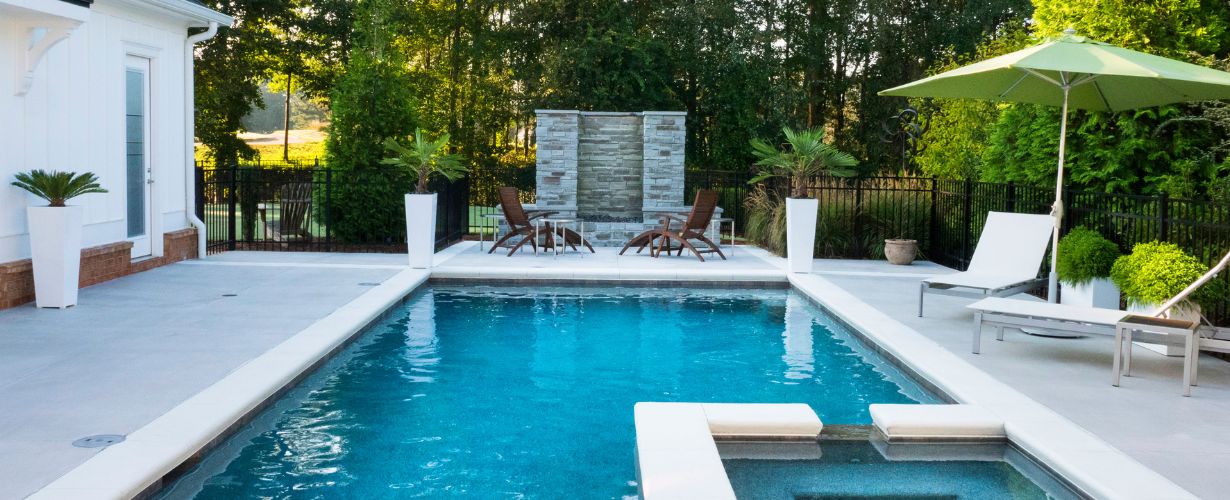
Several factors influence how much replastering a 20×40 pool will cost. Understanding these can help you plan your budget better.
1. Pool Size and Shape
A 20×40 pool is a good-sized pool, but pools with varying depths or unique shapes may require more plaster and labor. Features like steps, benches, tanning ledges, or curves increase the complexity of the job, which can raise costs.
2. Type of Plaster
The type of plaster you choose has a big impact on cost:
Higher-end materials like pebble or quartz cost more upfront but last longer and require less maintenance.
3. Labor Costs
Replastering a pool requires skill. Labor prices vary depending on your location, the contractor’s experience, and the complexity of your pool. Urban areas usually have higher labor rates than smaller towns.
4. Pool Condition
If your pool has cracks, leaks, or major surface damage, repairs may be needed before replastering. Simple repairs may cost a few hundred dollars, but structural problems can add thousands to your total bill.
5. Surface Preparation
Proper preparation is key for a long-lasting plaster finish. Preparation may include:
Preparation time and cost depend on how much work your pool needs.
6. Location
Where you live can affect the cost. Labor rates, material availability, and local regulations vary from one area to another. Pools in big cities or high-cost regions often have higher replastering prices.
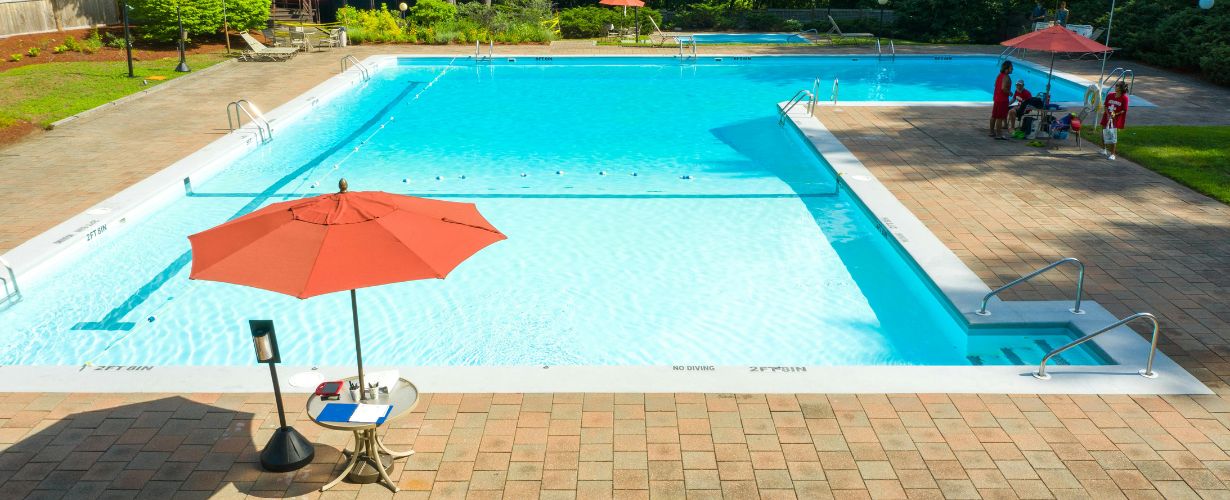
In addition to the basic replastering cost, you may have some extra expenses:
1. Water Filling
After replastering, your pool needs to be filled with fresh water. Depending on your water source, this could be a small cost or a significant expense if you need water delivered.
2. Chemical Balancing
Fresh plaster needs time to cure, and the water must be balanced carefully during this period. Some companies include this service; others may charge extra.
3. Optional Upgrades
You might want to make small upgrades while replastering, such as:
These upgrades are optional but can increase the pool’s value and appeal.
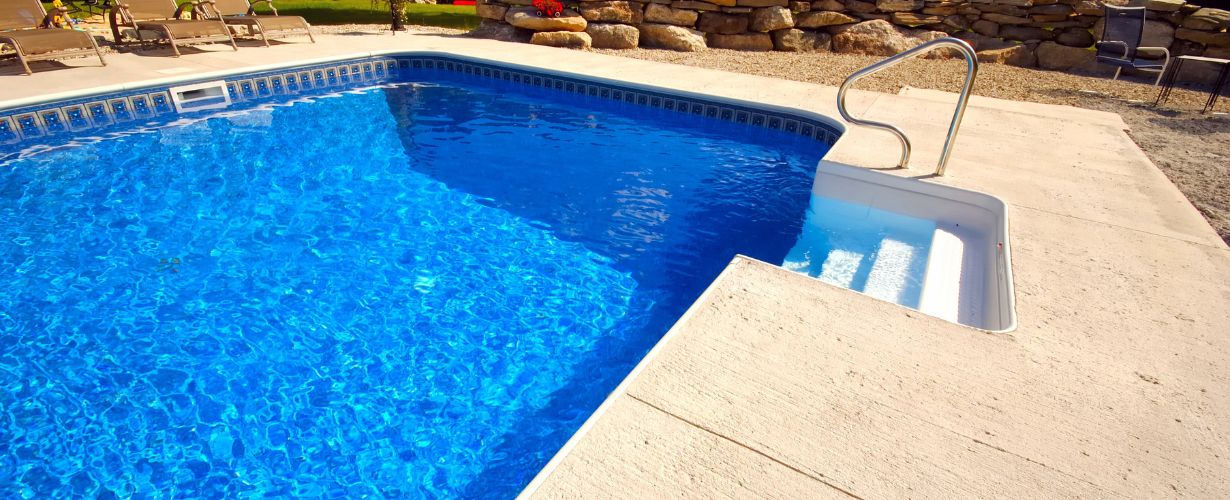
Choosing the right plaster depends on your budget, style, and how long you want it to last.
1. Standard White Plaster
This is a good choice if you want a classic pool look without spending too much.
2. Colored Plaster
Coloured plaster makes your pool stand out and complements your backyard design.
3. Pebble Aggregate Plaster
Pebble plaster is great for homeowners who want a high-end, long-lasting finish.
4. Quartz-Based Plaster
Quartz plaster gives your pool a polished look that lasts longer and is easier to maintain.
Replastering is not an easy task. While some homeowners consider DIY, it’s generally not recommended for a 20×40 pool. Plastering requires special tools, precise mixing, and proper application to prevent cracks, roughness, or leaks.
A professional contractor ensures that:
Hiring a professional may cost more upfront, but it saves time, effort, and potential problems in the long run.
Here’s what happens when you replaster your pool:
Here are some ways to keep costs reasonable:
Look for these signs:
Early replastering can prevent bigger problems and save money in the long run.
Replastering a 20×40 pool is an investment in your home and your enjoyment. Costs vary depending on plaster type, pool condition, and location, typically ranging from $5,000 to $15,000.
While standard plaster is the most affordable, options like pebble or quartz plaster offer durability, comfort, and an elegant look. Proper preparation, professional installation, and regular maintenance ensure your pool stays beautiful and safe for years.
If your pool is showing signs of wear or you’re ready to upgrade to a smooth, clean finish, the team at Epic Watershapes can help. We provide professional assessments, high-quality plastering, and expert advice to make your pool shine again.
📧 Contact us today at info@epicwatershapes.com for a free estimate and consultation. Let’s bring your pool back to life!
Installing a 20×40 inground pool typically costs between $35,000 and $75,000, depending on materials, location, excavation costs, and additional features like decking, lighting, or landscaping.
For a 20×40 pool, replastering usually costs $5,000 to $15,000, depending on plaster type, pool condition, and labor rates. Pebble or quartz finishes are at the higher end due to durability and aesthetics.
A 20×40 pool is 800 square feet in surface area (20 × 40 = 800). This does not include depth variations, steps, or benches.
Yes, a 20×40 pool is considered large. It offers plenty of space for swimming laps, hosting pool parties, or relaxing with family.
For adults who want space to swim and exercise, a pool that is at least 12×24 feet is recommended. A 20×40 pool is excellent for adults because it provides enough room for laps, water games, and lounging.
Get Your Custom Pool & Spa Quote
Free 3D design and Financing options.