
At some point in life—often after a few mortgage payments and the first time your teenager asks why everyone hangs out at other people’s houses—you start to notice something about your backyard. It’s doing its job, but it isn’t saying much.
It’s not bad. It’s just fine. The grass grows, the fence holds up, and the patio sits there without causing trouble. But that’s also the issue. Nothing about it pulls you outside or makes you stop and look twice.
I’ve spent years standing in backyards with people who’ve worked hard and done well for themselves. Business owners, doctors, managers—people who want an outdoor space that feels like a reward, not another task. Many of them share the same feeling: they’re always the ones accepting invitations, while their kids spend summer afternoons at someone else’s pool. Their own yard stays quiet.
When the talk turns to building a pool, the mood often shifts. There’s a moment of hesitation. Traditional pool options—concrete, gunite, the “usual” way—often mean long build times, ongoing upkeep, and more stress than expected. It can make anyone question whether the project is worth it.
That’s why the discussion around fiberglass pools matters more than most people think.
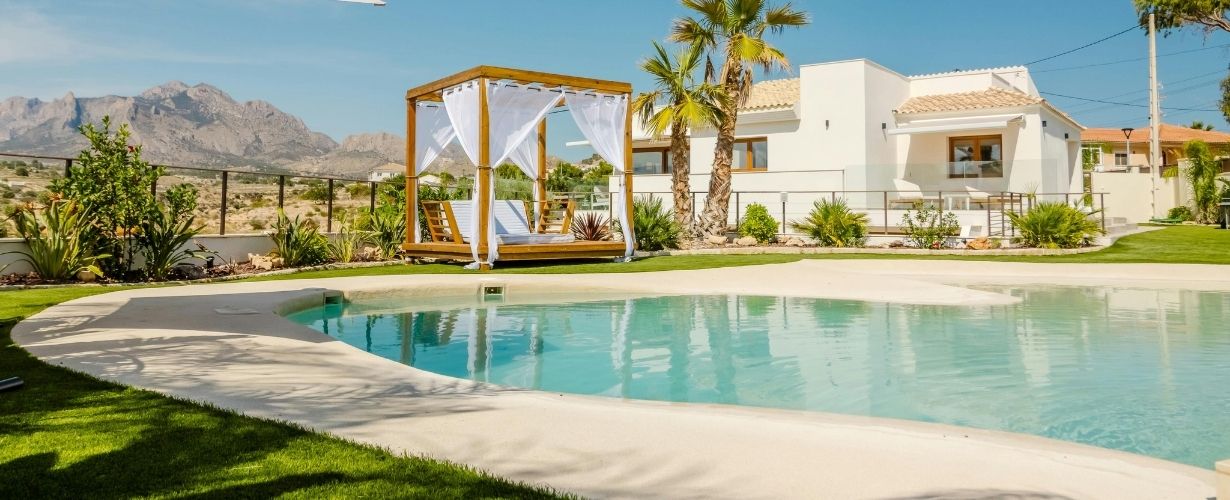
Here’s what most people don’t hear about concrete pool construction: it takes a long time not just because the work is hard, but because every step depends on the one before it—and delays add up fast.
First comes excavation. Then framing. Then pouring the concrete. After that, there’s curing time. Then plastering. And finally, fixing the small issues that almost always pop up when you’re building a custom pool outdoors, on shifting soil, with weather that doesn’t always cooperate. Each phase waits on the last, and even a small delay can push everything back.
Fiberglass pools are different. They’re usually installed in weeks, not months—sometimes just two or three weeks from digging to the first swim.
This isn’t about rushing the job. It’s about removing steps that don’t need to be there. The pool shell is made in a factory, fully formed, tested, and finished before it ever reaches your yard. On-site, the team digs, places the shell, connects plumbing, fills in around it, and the pool is ready.
There’s no curing period. No plaster waiting time. No surprise delays because a trade got pushed to “later in the year.”
For families in higher-end South Florida neighborhoods, time matters. Summer goes by quickly. Kids grow up fast. Those evenings, pool parties, and relaxed weekends don’t wait. A shorter build means more time actually enjoying the pool—when it matters most.
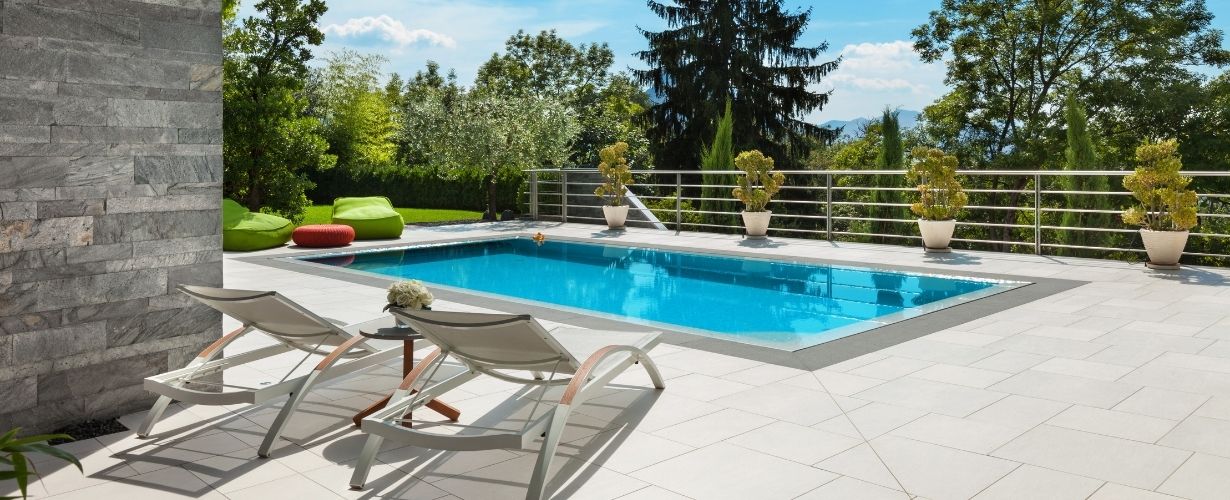
Let’s look at the long-term cost of owning a pool, because this is where the higher upfront price of a quality fiberglass pool starts to make more sense.
Concrete pools need regular heavy maintenance. That includes acid washing, tile repairs, and replastering every 10 to 15 years. These aren’t quick or cheap jobs. The pool often has to be drained, and you may not be able to use it for weeks. On top of that, these costs come back again and again simply because of how the material ages.
A quality fiberglass pool is different. Its smooth, sealed surface holds up for decades. There’s no replastering, no resurfacing, and no surprise repairs that slowly add up over time. What you see upfront is much closer to what you actually pay long term.
Studies show that fiberglass pools can reduce maintenance time by up to 40 percent compared to concrete pools. That means less scrubbing, fewer chemicals, and more time actually enjoying your pool instead of working on it.
And when you’re balancing work, family, and personal time, that kind of simplicity really matters.
On those perfect Florida mornings in May, there’s nothing more frustrating than stepping outside, ready for a swim, only to find the concrete pool deck already too hot to walk on. The weather feels great, the water looks inviting—but the surface around the pool makes it uncomfortable to even get there.
Fiberglass solves this problem in a very real way. It stays cooler underfoot, even in the heat. Its smooth gelcoat finish reflects heat instead of soaking it up like concrete does. That means you can walk around the pool barefoot, even during the peak of summer, without wincing. Kids can run straight to the water instead of stopping to look for shoes or tiptoeing across the deck.
It may sound like a small detail at first, but once you experience it, it matters. A cooler, more comfortable surface turns your pool into a space that gets used every day—not one that’s avoided because getting to the water feels like too much effort.
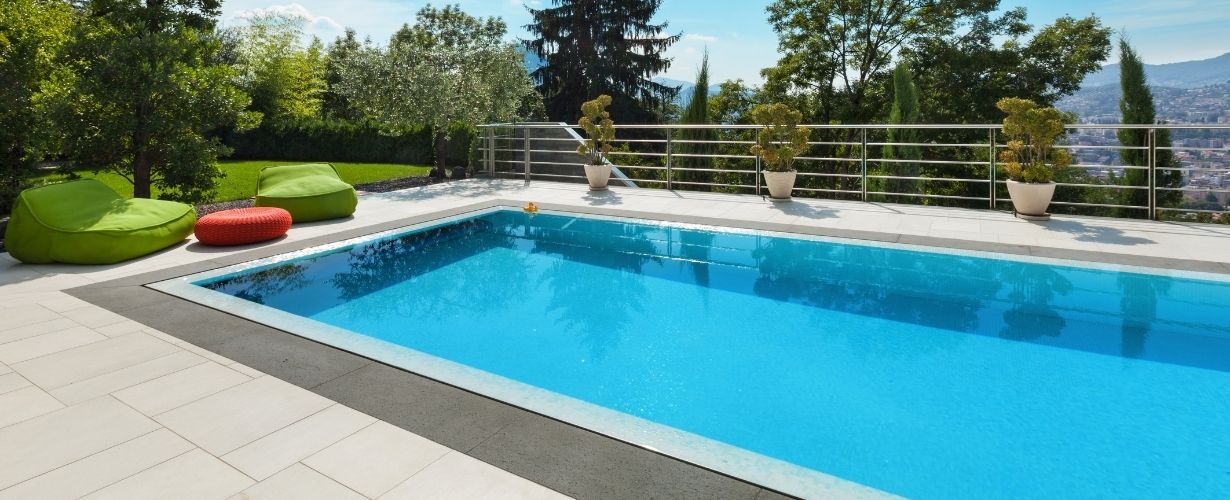
Every concrete pool owner gets familiar with algae sooner or later. At first, it seems minor—a faint green shade in a corner or along the steps. But concrete has a rough, porous surface with tiny openings where algae can settle in, grow, and stubbornly stick around unless you use strong chemicals.
Fiberglass pools don’t make algae impossible. No pool does. However, their smooth, non-porous surface makes it much harder for algae to take hold in the first place. That means the pool stays cleaner with less scrubbing, fewer chemicals, and less ongoing work.
This can make a real difference if you have young children, sensitive skin, or simply don’t like the idea of turning pool care into a weekly chemistry project—or using large amounts of chlorine just to keep the water clear.
South Florida’s sandy soil and high water levels create a real challenge for pool construction. The ground shifts over time. Water levels go up and down. Concrete pools are stiff and built in place, so when the ground moves, the structure can crack.
It’s not a matter of if cracks will happen, but when—and how serious they will be.
Fiberglass pools are made to handle this kind of environment. The shell has a small amount of flexibility, which allows it to adjust as the soil moves. That’s why fiberglass pools perform well in South Florida conditions. When a quality fiberglass pool comes with a strong structural warranty, it’s based on proven design and construction, not empty promises.
For homeowners in Boca Raton, Parkland, Fort Lauderdale, West Palm Beach, and Jupiter—areas where homes are valuable and long-term investments matter—this is an important consideration. A pool should feel like an upgrade to your home, not a future problem. The right pool adds value, lasts longer, and keeps maintenance worries low.
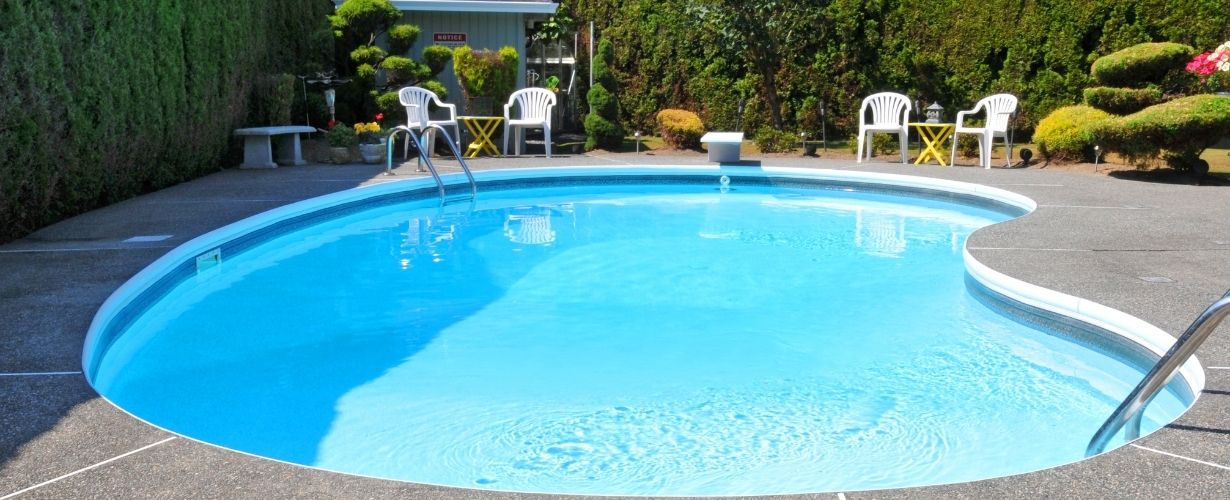
Many people still believe that fiberglass pools come with very few choices. They think fiberglass means picking a basic shape from a catalog, while concrete pools offer total freedom in design.
That may have been true years ago, but it’s no longer the case.
Today’s fiberglass pools come in a wide variety of styles. You can choose from simple rectangular designs to modern, clean-lined shapes. Many options include built-in tanning ledges, steps, benches, and even attached spas. With a concrete pool, these features often require extra planning and higher costs. With fiberglass, they are already built in.
Most homeowners don’t actually need endless design options. What they really want is a pool that fits their backyard, looks good with their home, and has features their family will use every day. Fiberglass pools meet those needs without making the process complicated or overwhelming.
Salt water chlorination systems are becoming more popular, and it’s easy to see why. They are easier on the skin and eyes, need fewer added chemicals, and make swimming feel more comfortable overall.
However, salt water and concrete pools don’t always work well together. Over time, salt can slowly wear down materials, especially metal parts and some types of tile and coping commonly used in concrete pools.
Fiberglass pools are designed with salt water systems in mind. Their smooth gelcoat surface does not react with salt, won’t corrode, and doesn’t break down the way concrete surfaces can.
If you’re thinking about installing a salt water system—something many high-end homeowners prefer—a fiberglass pool can reduce long-term maintenance worries in a way concrete pools often cannot.
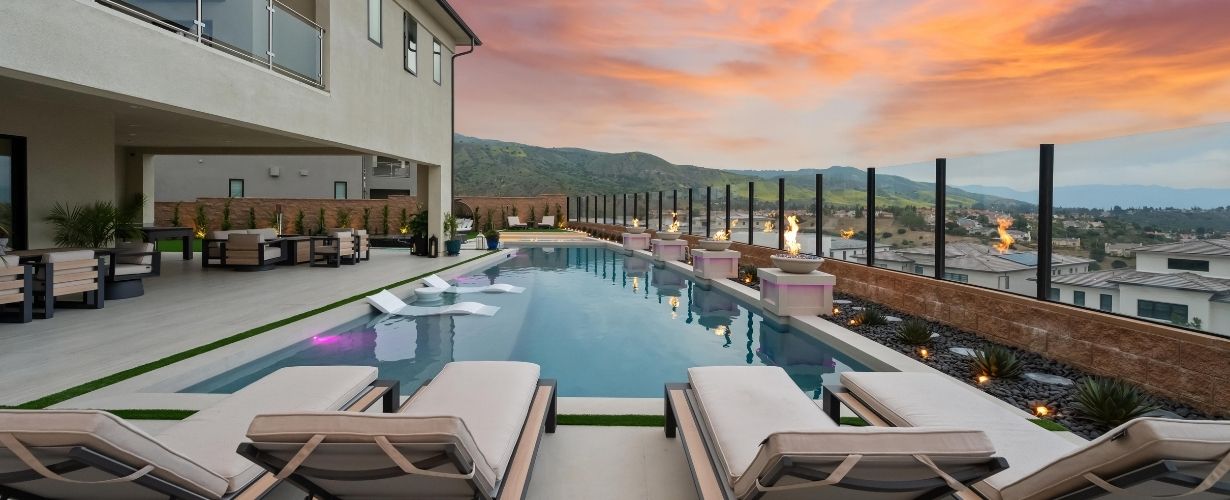
Let’s talk about what happens when you decide to sell your home.
Pools often get a mixed reputation when it comes to resale value. Some buyers love them, while others worry about upkeep and future costs. That’s why people sometimes think a pool doesn’t really add value.
But experienced real estate agents in higher-end neighborhoods see it differently. Buyers shopping in the $500,000-and-up range usually expect a pool. What they care about most is whether that pool will be easy to own—or become a headache.
A well-kept fiberglass pool with low maintenance needs and a long lifespan is seen as a true feature of the home. On the other hand, an older concrete pool with cracks or one that needs new plaster often turns into a price negotiation.
Florida market data shows that homes with modern, low-maintenance outdoor spaces tend to sell faster and attract stronger offers in desirable areas. Buyers want the lifestyle a pool offers, without the stress of costly repairs.
More homeowners are becoming aware that their choices matter, not just in terms of price or convenience, but in the bigger picture too. This is especially true for professionals who are financially stable and thinking long term.
Fiberglass pools generally use fewer chemicals over time and don’t need as much water replaced. While making them isn’t completely impact-free, the process is more controlled and efficient than building a concrete pool on site.
This isn’t about showing off or trying to look “green.” It’s about making choices that fit personal values. People who already choose energy-efficient appliances and think about long-term impact often don’t want a backyard feature that needs constant chemical use, major resurfacing, and creates extra waste and disruption.
Most fiberglass pool manufacturers offer lifetime structural warranties on their shells—not ten years, not fifteen, but lifetime.
This isn’t just a sales tactic. It shows how confident manufacturers are in their materials. They know the pool shell is built to last because the design and materials have been tested over time. The gelcoat finish holds up well, and the structure stays strong. That’s why they can offer such a long warranty—the chance of failure is very low.
Now compare that with concrete pools. These usually come with about one year of coverage for workmanship and maybe five years for materials. That difference says a lot. It shows which pool type the industry itself believes will perform better and last longer in the long run.
After years of talking with homeowners in backyards across South Florida, one thing has become clear: choosing a pool material isn’t really about technical details or surface types. It’s about how you want this investment to fit into your everyday life.
Do you want a pool that needs constant attention, regular repairs, and big updates over time—something you’re always managing?
Or do you want a pool that blends into your routine so easily that it just feels like part of your home?
Fiberglass pools are no longer seen as a backup option. For many families, they’ve become the first choice—especially for those who’ve looked at the costs, the timeline, and the long-term effort involved. These homeowners want a backyard that adds comfort and enjoyment, not extra work.
This shift isn’t driven by hype or short-term trends. It’s happening because the technology has improved, designs are more attractive, and many homeowners have experienced both concrete and fiberglass pools and can clearly see the difference.
If you’re thinking about installing a pool—whether it’s your first one or a replacement for an older concrete pool that now feels more stressful than enjoyable—fiberglass is worth considering. It’s not the right solution for everyone, but for many families, it removes problems that shouldn’t come with something meant to be enjoyed.
Your backyard should feel like a place you’ve arrived at, not something you’re still chasing. A space that reflects comfort and success without trying to show it off. A place where summer happens your way, with the people who matter most.
That’s more than a pool choice. It’s a lifestyle choice.
And for many homeowners who understand that difference, fiberglass is the way that choice becomes real.
If you’re ready to see what a high-quality fiberglass pool could do for your property, explore how smart design and solid engineering can create an outdoor space that adds value to your life—without constant upkeep.
About the Author:
Henry Pierce is co-owner of aquaelitepool.com, and he brings 15+ years in luxury construction expertise to Aqua Elite Pool, combining engineering precision with designs that transform ordinary spaces into environments where families naturally gather and memories happen. When he’s not building pools, he spends time with his family, reading good books or playing tennis.
Get Your Custom Pool & Spa Quote
Free 3D design and Financing options.