
How Geometric Precision and Smart Technology Are Shaping Luxury Pools in West Palm Beach, Palm Beach, and Beyond
By Henri Pera, Epic Watershapes co-founder
There’s a special moment in every pool construction project when the vision truly comes to life. The excavation is finished, the shell is in place, and suddenly, the design takes shape. For homeowners embracing modern style in 2026, this moment is especially meaningful—because what’s being built isn’t the kidney-shaped pool that filled neighborhoods a decade ago, nor the typical rectangle that still shows up in many backyards.
Today, pools are sharper, more deliberate, and designed to make a statement. They turn water into a form of architecture.
Modern pool design in 2026 has branched into clear aesthetic directions, each reflecting different priorities: sustainability, advanced technology, minimalism, or bold visual impact. In West Palm Beach, Palm Beach, and Boca Raton—where luxury homes often set the tone for design trends—these choices go beyond looks. They show what homeowners value most and how they want their spaces to feel.
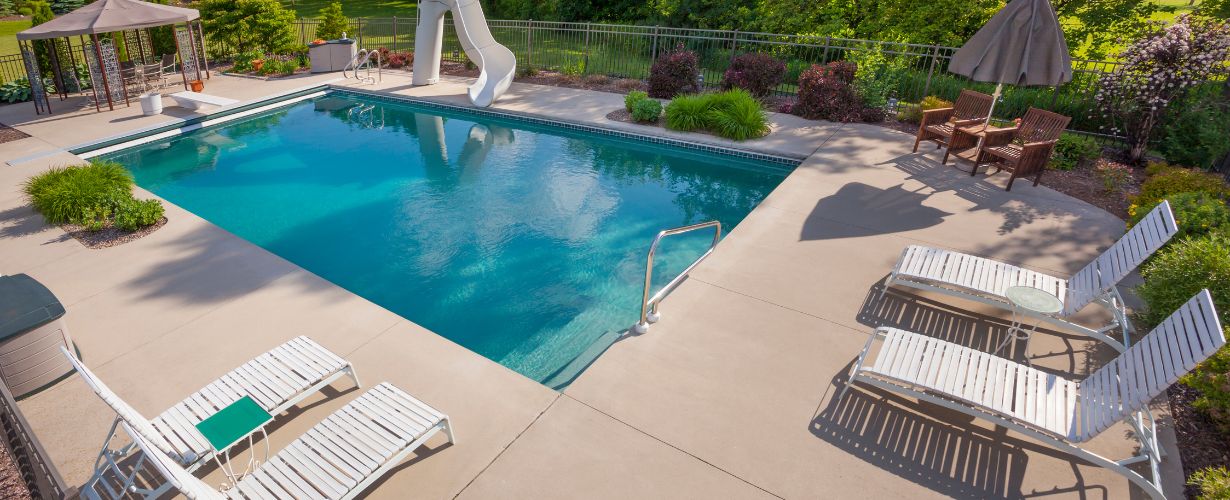
Rectangles are now the go-to shape in modern pool design—but not just any rectangles. These are carefully proportioned, designed with intention. The move toward precise geometry mirrors trends in home design, where dimensions like 20 by 40 feet or 16 by 50 feet aren’t random—they create a striking visual impact on their own. Curves are largely gone, replaced by straight lines and sharp corners that give the pool a clean, defined look.
This geometric style isn’t just about looks—it works well in Florida’s climate. Rectangular pools let swimmers enjoy long laps while keeping the water’s surface smaller, which helps control heating from the sun. The corners naturally divide the pool into activity zones, avoiding the awkward, unused spaces that older, free-form pools often had.
Another major change is the rise of negative-edge pools. Once a luxury seen only at high-end resorts, this design—where water seems to flow over the edge into nothing—has become more achievable for homeowners. Modern engineering makes it safer, more reliable, and more affordable, though it still needs careful grading and overflow systems to handle Florida’s heavy rains.
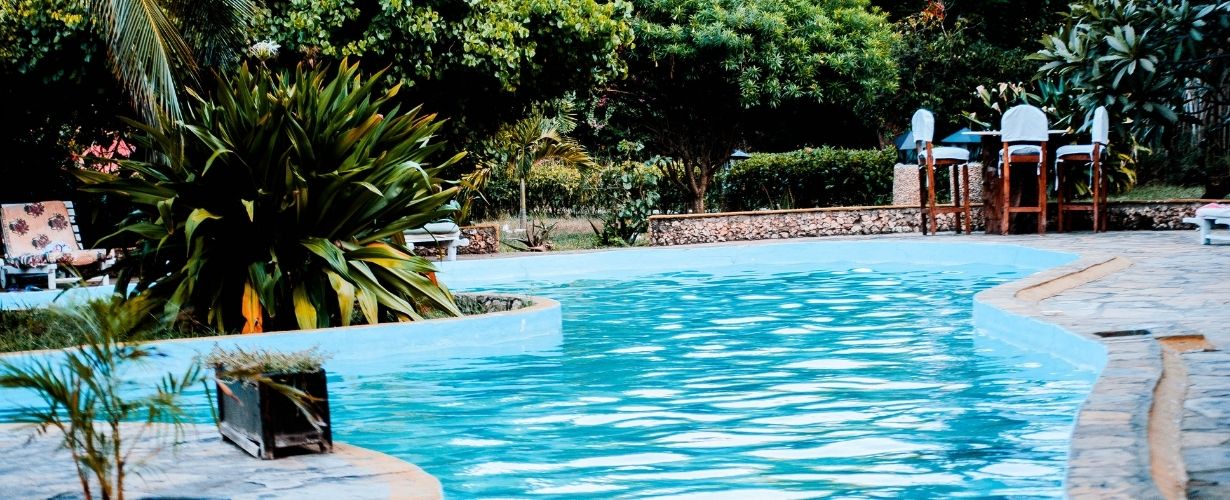
Dark plaster finishes have become a hallmark of modern Florida pool design. Colors like charcoal, deep navy, and onyx offer a striking alternative to the classic light-blue surfaces, creating a completely different visual effect.
These darker tones change how the water interacts with its surroundings. Pools with dark finishes act almost like mirrors, reflecting the sky and landscape rather than standing out as bright blue. At night, underwater LED lights add another layer of ambiance, letting the pool’s mood shift depending on the time of day or how it’s being used.
One common concern with dark finishes is heat. Dark surfaces do absorb more sunlight than lighter ones. However, today’s dark plaster mixes often include reflective materials that help reduce overheating. Combined with good circulation and strategically placed shade, the temperature difference is usually only a few degrees higher than traditional light-colored pools.
For homeowners who use variable-speed pumps and smart temperature controls, the slightly warmer water is a small trade-off for the dramatic, sophisticated look that dark plaster provides.
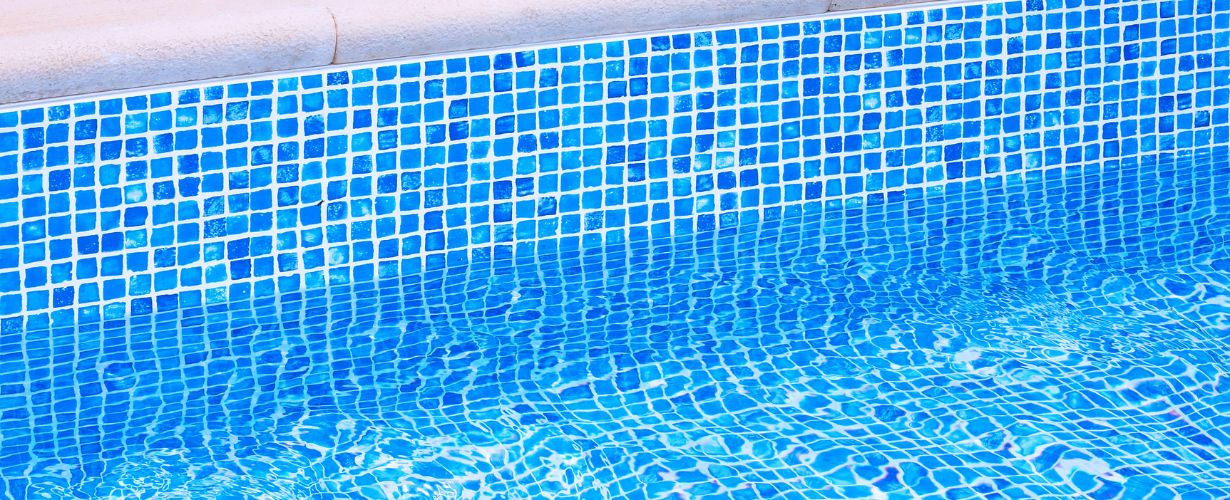
Twilight is when glass tiles really shine—the fading sunlight passes through the mosaic surfaces, creating shifting patterns of light that change as the sun sets.
In 2026, glass tiles are no longer just decorative accents. Modern designs often use large glass tiles to cover entire pool surfaces, creating a smooth, unified look instead of a mix of different materials. Choosing glass also has an eco-friendly side—recycled glass tiles offer the same glowing effects as new glass while being more sustainable.
Color choices have become more focused. Monochromatic palettes are popular, including shades of gray, soft blues, or subtle greens that mimic the look of water. The aim is a cohesive design, making the pool feel like a single part of the landscape rather than a separate feature.
Installing glass tiles is still more expensive than standard plaster or pebble finishes. It requires skilled professionals and adds to project costs. In areas where homes commonly sell for $800,000 and above—like West Palm Beach, Palm Beach, and Boca Raton—this investment helps make a property stand out in a competitive market.
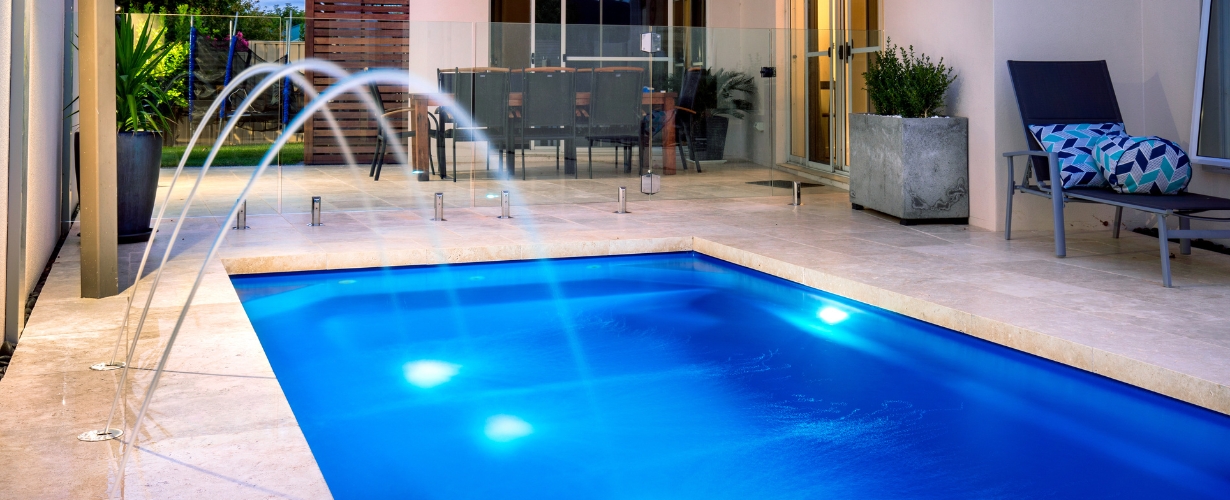
Pool lighting has grown beyond just decoration and is now an important part of a pool’s design, highlighting its shape and style instead of simply entertaining.
Modern LED setups are all about intentional, controllable light. Perimeter lighting, in particular, has become very refined. Flush-mounted LED strips along the edges of the coping create clean lines that define the pool’s shape at night. When done right, this lighting enhances the space without overwhelming it.
LED technology has also improved a lot. Today’s systems allow precise control over color temperature, so the pool lighting can match or complement other outdoor lights. Dimming options let you adjust brightness from full power to a soft, ambient glow. Many setups also allow separate control of different areas of the pool, and integration with home automation systems lets you schedule lights or set specific scenes.
The focus isn’t on making the pool as bright as possible—it’s about carrying the design style into the evening, keeping the same visual clarity as during the day.
Smart controllers make all of this easy to use, even without technical knowledge. Mobile apps let homeowners adjust lights in real time, though most eventually settle on favorite settings and leave them that way.
In 2026, eco-friendly design has become a key part of modern pools, especially for homeowners in West Palm Beach, Palm Beach, and Boca Raton who see sustainability as essential, not optional.
This goes far beyond simply adding solar panels. Modern pools now use smart systems: variable-speed pumps adjust water flow only when needed, cutting energy use compared to older single-speed pumps—and Florida building codes now require them for new pools.
Saltwater chlorination systems create chlorine on-site, so you don’t have to handle or store chemicals. They also make the water feel softer and easier to maintain.
LED lighting uses much less energy than traditional bulbs and lasts far longer.
Permeable decking lets rainwater soak into the ground instead of running off, which is especially important near Florida’s sensitive waterways.
Automated pool covers, often hidden neatly in the pool’s edges, help reduce water evaporation—a major benefit during South Florida’s occasional droughts.
The biggest design challenge is making these features look natural. The most successful pools blend sustainability seamlessly into the clean, modern lines homeowners love, keeping environmental responsibility practically invisible.
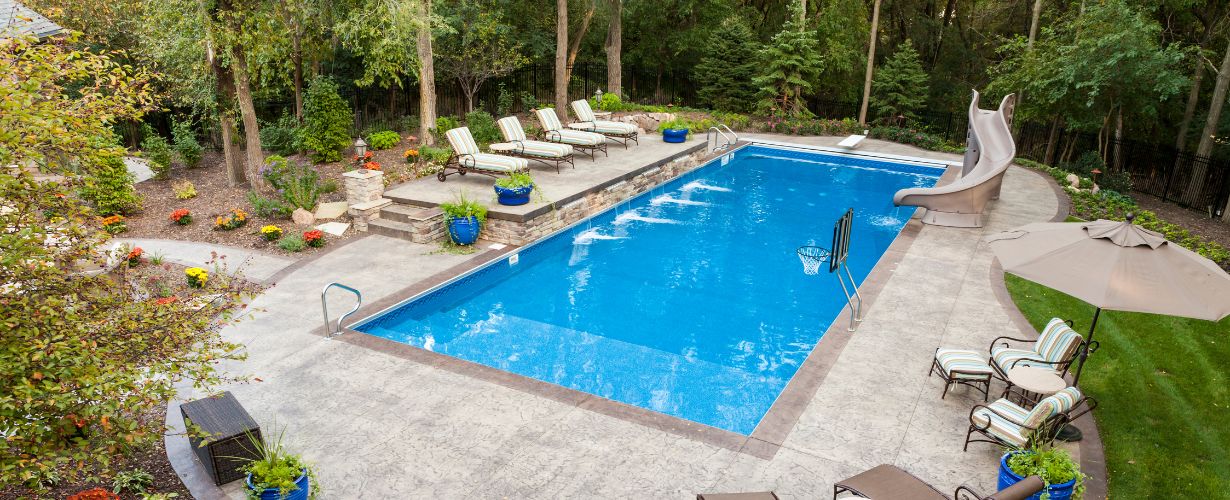
Today’s pool automation is all about working quietly in the background rather than showing off connectivity. Modern systems constantly monitor water quality, automatically adjusting sanitizer and pH levels before any problems arise. Temperature settings are maintained without any manual effort, and cleaning cycles adapt based on how the pool is actually used, not just on a fixed schedule.
The result is a pool that stays ready to enjoy with minimal upkeep—a big advantage for busy professionals in West Palm Beach, Palm Beach, and Boca Raton, where every minute counts. Voice control is now practical, but the best smart pools stay unobtrusive. There are no constant alerts or distracting screens; the pool simply takes care of itself efficiently and reliably.
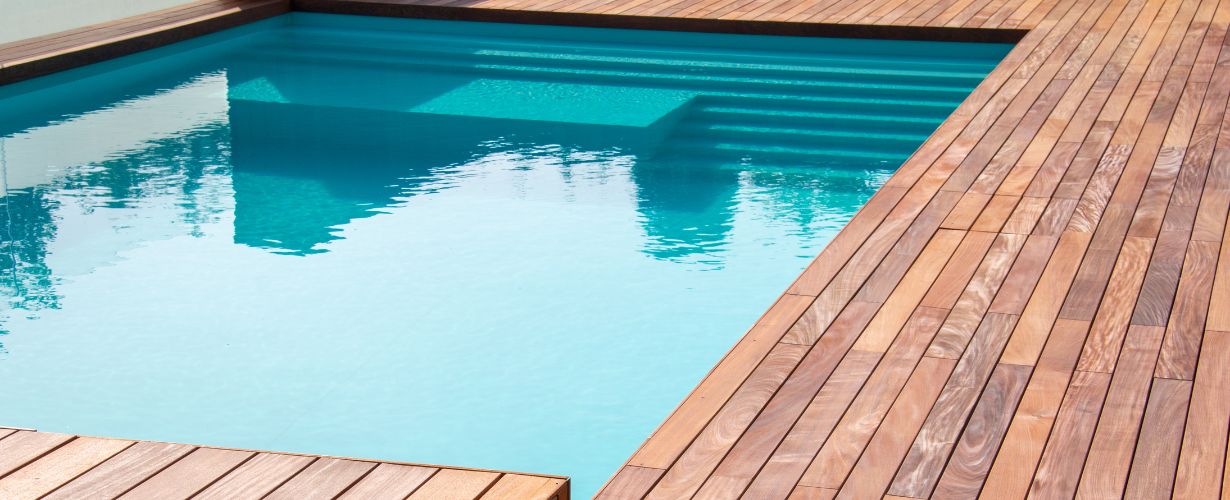
In 2026, modern pool design goes beyond just the water, with deck and surrounding areas getting just as much design attention. The focus is on a clean, cohesive look rather than flashy details.
Large-format pavers in neutral shades are the standard. Bigger tiles reduce grout lines and create smooth, uninterrupted surfaces. Materials like porcelain, natural stone, or architectural concrete are preferred over stamped or highly decorative options.
Color choices stay muted—soft grays, warm beiges, or occasionally dark charcoal that pairs well with deep pool finishes. The aim is to blend the pool and deck into a unified outdoor space, rather than treating them as separate zones.
Furniture follows the same simple approach. Low-profile loungers in powder-coated aluminum, daybeds with solid-color cushions, and cantilever umbrellas for shade all focus on functionality without drawing too much attention.
Landscaping keeps the style consistent. Structural plants like agave, yucca, or columnar cacti add form without crowding the space. Native Florida plants, such as muhly grass or coontie palms, bring sustainability while keeping a clean, minimalist look.
South Florida’s climate and local regulations have a big impact on how national design trends are adapted in the area.
Hurricane risks play a role in almost every design choice. Negative-edge pools need overflow systems strong enough to handle sudden surges of water during storms. Glass tile installations require extra support to withstand high winds. LED fixtures must be rated for deeper submersion than usual.
The swimming season in West Palm Beach, Palm Beach, and Boca Raton is nearly year-round, so choosing the right pool heating system is more important here than in northern states. Heat pumps are now more common than gas heaters because they are more energy-efficient, even if they cost more upfront.
Screen enclosures, once seen as clashing with modern designs, have come a long way. Today’s aluminum frames are thinner and sleeker, keeping the look clean while still protecting against insects and debris—something Florida’s climate makes essential.
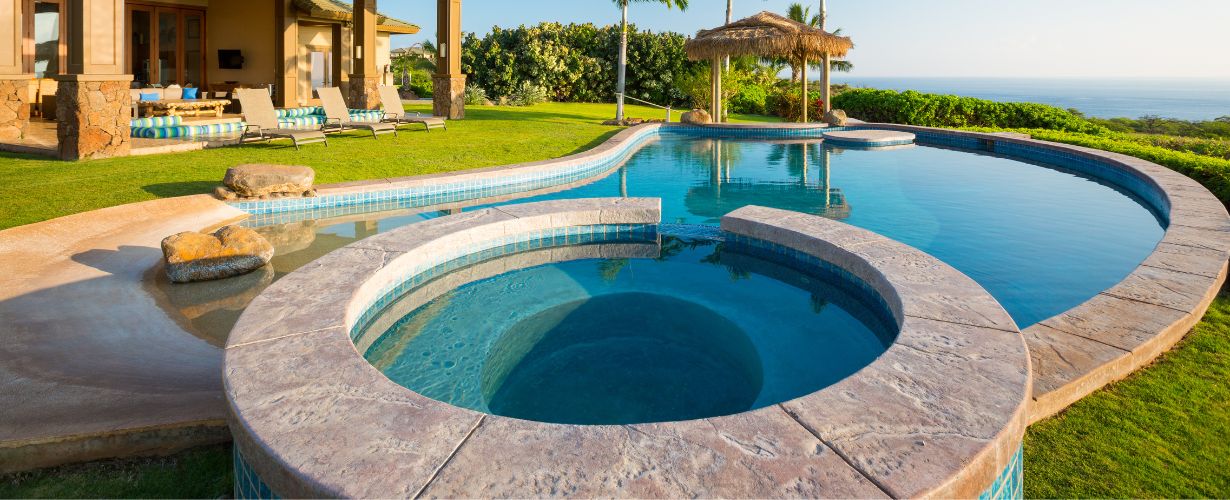
Modern pool designs usually cost more than traditional ones, although the price difference has decreased as these features have become more common. Installing glass tiles can significantly increase costs depending on the pool size and quality of the tiles. Adding LED lighting with smart controls also adds to the budget. Negative-edge pools require skilled engineering and construction, which further raises the base cost.
Sustainable features can impact long-term finances in interesting ways. Variable-speed pumps are more expensive upfront but save energy over time. Saltwater systems also cost more initially but can reduce chemical expenses in the long run.
Overall, the total cost of building a modern pool in West Palm Beach, Palm Beach, Boca Raton, or Wellington depends on both the construction itself and the specialized expertise needed. The investment includes high-quality materials, integrated technology, and the careful craftsmanship required to achieve a sleek, modern look.
Data from South Florida’s competitive real estate market shows that modern pool designs tend to add value and help homes sell, especially in neighborhoods where property prices are over $600,000.
Older or outdated pool styles can make selling harder, as buyers often factor in the cost of renovations. In contrast, contemporary pools that follow current design trends are seen as attractive features rather than maintenance headaches.
That said, highly personalized designs can be a double-edged sword. Core elements of modern pools—clean lines, quality materials, and smart features—remain appealing over time. But very specific color choices or custom details may turn some buyers away.
The most successful pools strike a balance: they follow timeless modern principles while leaving room for new owners to make updates without having to rebuild everything.
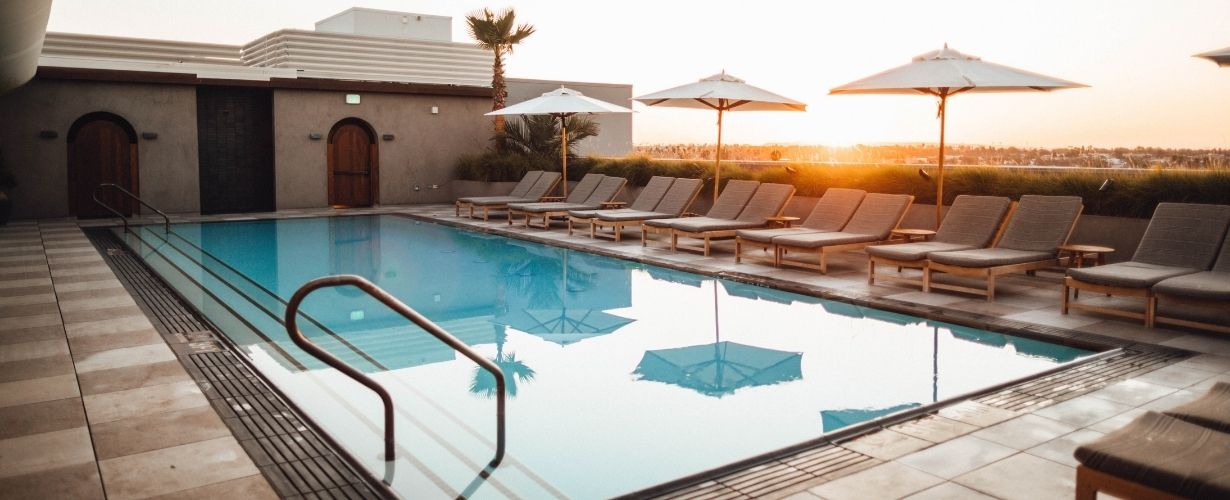
In 2026, modern pool design isn’t about one single look—it’s about a mix of ideas, each affecting how the pool is used, maintained, and valued over time.
Geometric designs work well for swimmers and those who like clean, simple lines. Dark finishes create a bold, dramatic effect for homeowners who don’t mind slightly warmer water. Glass tiles appeal to people who love fine architectural detail and don’t mind paying extra. Smart technology makes life easier for busy professionals. Sustainable features reflect both eco-conscious values and practical savings on operating costs.
The key idea is intention. Every choice has a reason. Nothing is included just because it’s common or expected. Great design is guided by goals, the site itself, and personal style—not industry trends or what neighbors are doing.
For example, families in West Palm Beach might focus on creating fun weekend gathering spots, while professionals in Palm Beach may want low-maintenance luxury, and Boca Raton homeowners might aim for elegant outdoor living spaces.
Designing a modern pool starts with asking the right questions instead of assuming the answers:
A truly modern pool fits the unique situation—lot layout, lifestyle, neighborhood, and budget—and may not match any general template. These questions serve as guidelines, not strict rules. The best designs adapt broad ideas to each home rather than applying them rigidly.
In the end, modern pool design is about thoughtful choices, not following tradition.
About the Author:
Henry Pierce is co-owner of aquaelitepool.com, and he brings 15+ years in luxury construction expertise to Aqua Elite Pool, combining engineering precision with designs that transform ordinary spaces into environments where families naturally gather and memories happen. When he’s not building pools, he spends time with his family, reading good books or playing tennis.
Get Your Custom Pool & Spa Quote
Free 3D design and Financing options.