
Many homeowners reach a point where they start looking at their backyard in a new way. What once felt like just open space begins to feel like an opportunity to create something better.
It often happens during quiet moments—on a relaxed weekend morning, while sipping coffee, hearing kids wonder what to do next, or noticing the neighbors enjoying their pool again. Slowly, the idea takes shape: What if things could be different?
What if that plain stretch of St. Augustine grass became a place to relax and unwind? What if weekends started with the sound of water instead of road noise? What if your home, already comfortable and welcoming, became the spot where friends and family loved to gather?
In West Palm Beach, Palm Beach, and nearby South Florida areas, many homeowners think this way. Not because something is missing—but because they’ve worked hard and are ready to add more enjoyment to their everyday life.
The truth is, pool design isn’t just about adding water to a yard. It’s about creating new moments, better memories, and a space that brings people together.
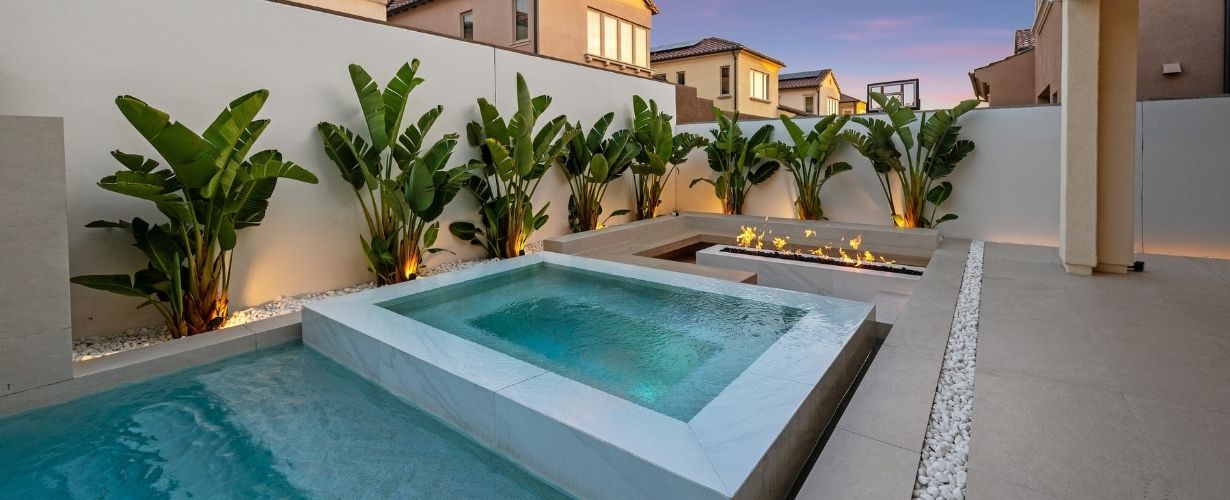
The Modern Rectangular with Tanning Ledge
Some designs last because they fit naturally into everyday life. The classic rectangular pool isn’t dull—it’s practical and straightforward. With clean lines, an even depth that’s great for swimming, and a wide tanning ledge, it creates a space that feels easy to use. You can sit half in the water, half out, set your coffee down nearby, and relax while checking your phone or reading.
In Palm Beach and West Palm Beach, where many homes follow a modern coastal style, this type of pool blends in beautifully. Features like travertine decking, glass tile along the waterline, and built-in underwater benches all work together to make the pool feel like a natural extension of the home. These benches often become favorite spots during relaxed evening swims.
The tanning ledge is what truly makes the difference. With only about six inches of water, it’s shallow enough to stay comfortable and cool. Young children can play safely, while older family members can sit and enjoy the water without effort. The design itself is simple, but it creates a space people genuinely spend time in rather than just look at.
Pools that include shallow lounging areas tend to be used more often, especially by families who spend time together across different age groups. It’s a simple idea—when a space feels comfortable, people are more likely to enjoy and use it.
The Infinity Edge Overlooking Nothing in Particular
That disappearing edge isn’t meant to blend into the horizon. Its real purpose is to create sound. The steady flow of water spilling over the edge produces a soft, calming noise that defines the mood of the outdoor space. It’s not about water crashing down—it’s about water gently murmuring in the background.
In West Palm Beach, where properties are usually spacious but mostly flat, infinity edges add interest through smart design instead of height. A single vanishing edge, a hidden catch basin, and the way the afternoon sun reflects off a smooth sheet of flowing water create a striking effect without needing a hillside view.
An infinity edge typically adds around $12,000 to $18,000 to the cost compared to standard pool construction. For homeowners who appreciate subtle luxury, the peaceful sound alone can make it worth the investment. After all, true luxury isn’t always something you see—sometimes it’s something you hear.
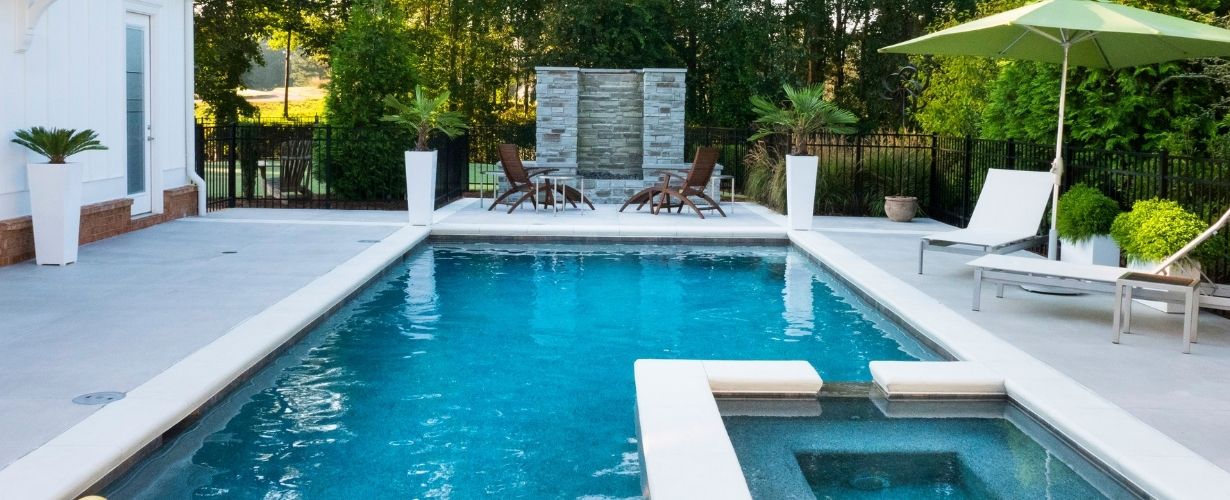
The Natural Lagoon That Isn’t Trying Too Hard
This style fits perfectly in Parkland’s more traditional neighborhoods, where neat landscaping can benefit from one feature that softens the overall look. Instead of sharp lines and rigid shapes, the pool brings balance to the yard, adding gentle curves that feel calm and natural.
Boulders aren’t placed at random—they’re positioned carefully to add balance and draw the eye along the curves. Native plants like coontie palms, muhly grass, and beautyberry shrubs help blend the pool into the surrounding landscape. This makes the space feel natural and well thought out, not messy or overdone.
Building a pool with curved shapes can take a little longer because it requires more detailed gunite work. However, that extra time hardly matters in the long run. Years later, the pool still feels fresh, and you may even notice new views and details you hadn’t appreciated before.
The L-Shaped Configuration That Solves Everything
An L-shaped pool is a smart design choice that naturally creates separate areas within one pool. The longer section works well for swimming, while the shorter section is perfect for relaxing, soaking, or enjoying a spa-style setup. Instead of building two separate features, you get multiple uses in a single pool.
This layout is ideal for families with different needs. Swimmers, kids at play, and adults who want to relax can all enjoy the space at the same time without getting in each other’s way. No one has to compromise how they use the pool.
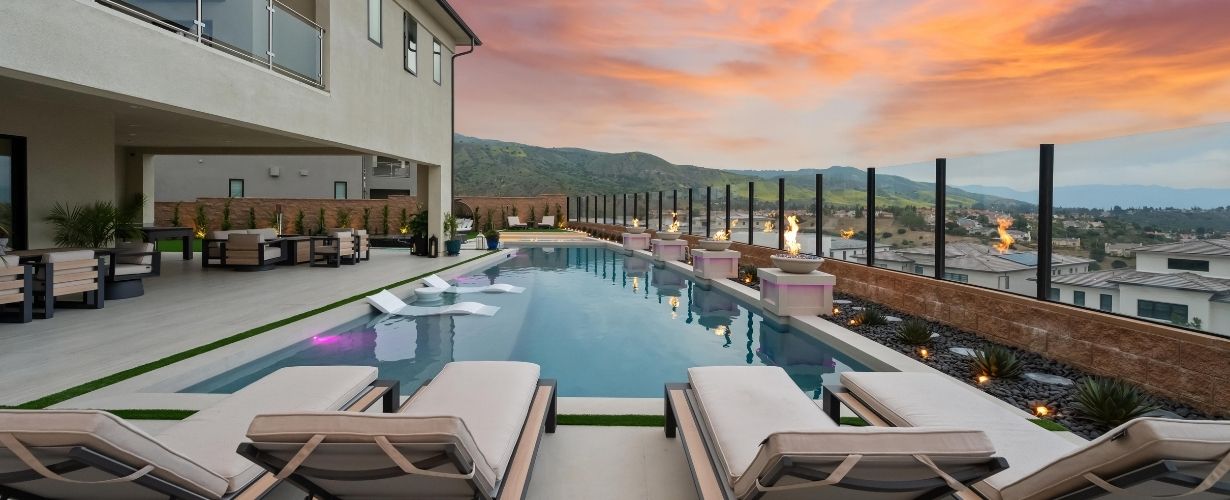
The shape itself adds visual appeal. The corner where the two sections connect becomes a natural focal point, often featuring a raised spa, fire bowls, or a shallow area for lounging and play. These features make the pool both functional and attractive.
In West Palm Beach, where outdoor space is valuable, an L-shaped pool makes the most of the available area. It allows for a generous pool size while still leaving plenty of room for decking, lounge chairs, outdoor kitchens, and pergolas—perfect for comfortable outdoor living.
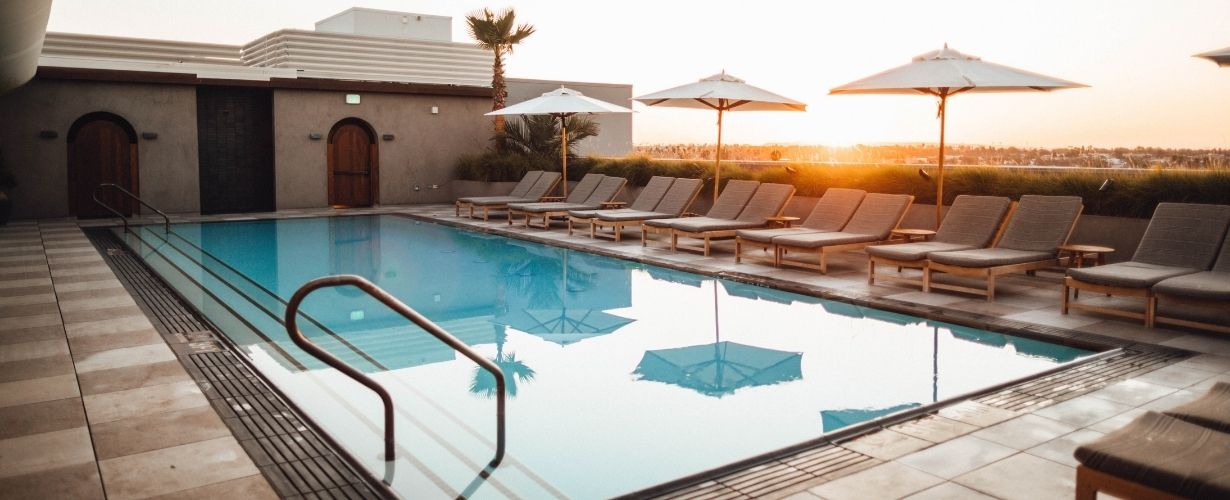
The Lap Pool for People Who Actually Swim
Most homeowners don’t actually need a lap pool. It often feels like a good idea, but what many people really want is a long, clean pool shape that looks purposeful and modern. If you’re training for triathlons or truly swimming long distances every day, then a dedicated lap pool makes sense. In that case, you already understand the basics—about 45 feet in length, steady depth, and a layout built for performance, not looks.
For everyone else, pool design should focus on how the space will be used day to day. In West Palm Beach and surrounding South Florida communities, lap pools work best when paired with a spa in an L-shaped layout. The pool supports movement and light exercise, while the spa provides relaxation and recovery. Together, they create a space that balances physical wellness and everyday comfort.
The simple reality is this: lap pools get used more often when they’re seen as part of a wellness lifestyle, not just workout gear. That change in mindset makes a big difference in how much value the pool brings to a home.
The Zero-Entry Beach for the Honest Truth About Kids
The gradual slope from deck to water lets people enter the pool naturally, like walking into the ocean. There are no steps to manage and no sudden changes in depth—just a smooth, safe transition into the water.
For visiting grandparents in West Palm Beach, this design is just as helpful. They can enter the pool without worrying about steps or grab bars, enjoying a gentle, comfortable walk into the water.
Building a pool like this requires careful grading and specialized finishing, but the result is a pool that works for everyone without feeling like an accessibility feature.
Industry experts say zero-entry pools are among the most satisfying for households with multiple generations, especially in Florida, where family gatherings happen often.
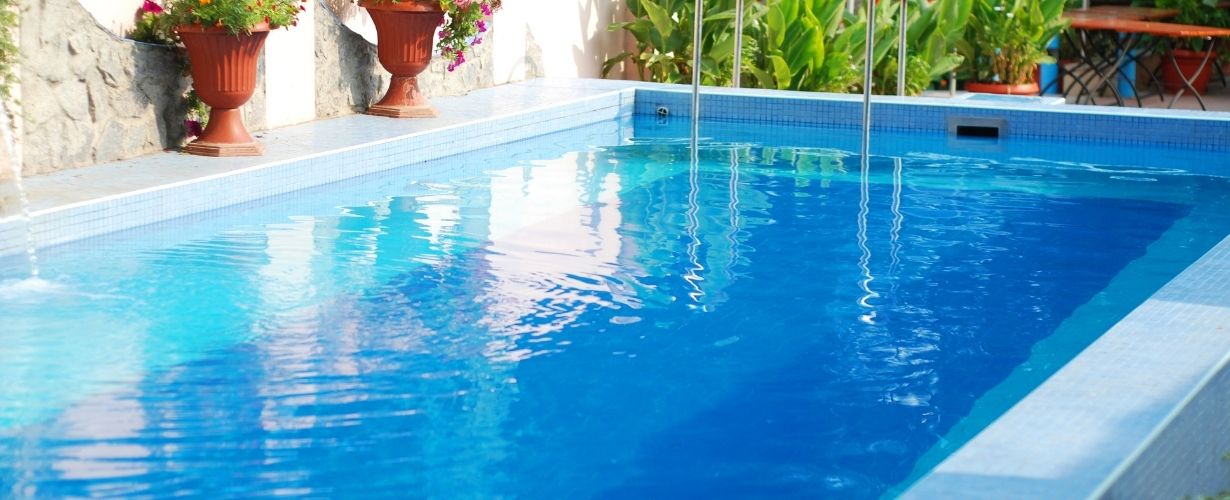
The Raised Perimeter Spa That Isn’t About Spa
Elevated spas do more than just hold water—they add vertical interest to an otherwise flat pool area. The spa itself is fantastic, with 104-degree water, jets placed for real therapeutic benefits, and LED lighting that shifts through warm colors. But its biggest impact is architectural.
The raised wall acts as a focal point. Fire bowls can be attached to it, and spillover water can become a separate feature, independent of the spa. This vertical element creates contrast and makes the whole pool area more visually appealing.
In places like Parkland, where homes are high-end and design matters, a raised spa signals sophistication. It shows the space was designed by professionals who understand how to balance and shape a landscape, not just picked from a catalog.
The extra cost—around $8,000 to $12,000 compared to built-in spas—is worth it for homeowners who value a cohesive, visually striking design over simply saving money.
The Perimeter Overflow That Changed Everything
Flush-deck pools remove the raised edges of traditional pool coping, creating a smooth transition between the water and the surrounding deck. This sleek, knife-edge look is popular not just for style but because it changes how we experience space. Without the raised lip, the pool feels like part of the deck rather than something separate. This subtle shift makes the area feel more open and spacious.
Building a flush-deck pool is complex. It requires hidden catch channels, careful grading, and drainage systems to prevent flooding. Thankfully, modern construction methods make perimeter overflow pools reliable and safe.
For West Palm Beach homes with modern architecture, a flush-deck pool fits perfectly, keeping the pool in harmony with the home’s overall design. Everything flows together in a clean, cohesive look.
Deck Material Selection in Florida Heat
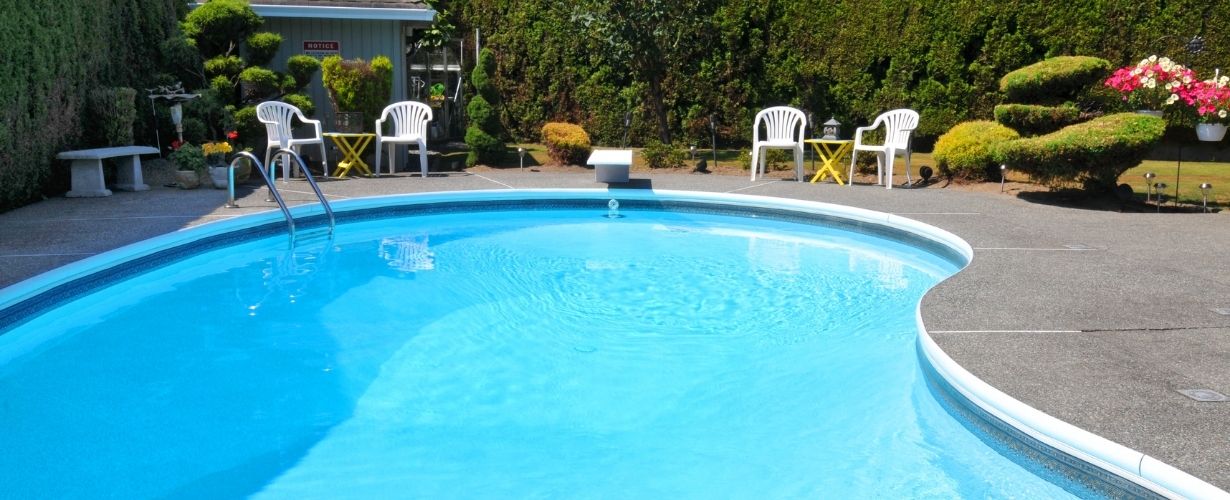
Here’s a fact that can save you from future regret: the material you choose for your deck is more important than any water feature. You’ll step on the deck every time you use the pool, but you might only touch the water feature occasionally, if at all.
Travertine is still the top choice because it works with physics, not trends. This porous limestone stays cool under your feet, even on hot July afternoons when temperatures exceed 95°F. Its natural color variations add visual interest without needing extra design decisions.
Pavers give similar cooling benefits, plus more consistent colors and easier replacement if a piece cracks—which is likely in Florida, where the ground is always shifting.
Concrete with a cool-deck coating is more budget-friendly but needs to be redone every 7 to 10 years. This can make sense if you plan to move within a decade. But for a forever home, travertine’s 20+ year durability makes the higher upfront cost worthwhile.
The best way to choose is to walk barefoot on sample materials in the afternoon sun. Specs and brochures can’t tell you how it will actually feel under your feet.
Lighting Design That Understands Evenings
Pool lighting generally falls into two types: functional and decorative. Functional lighting helps you see, while decorative lighting sets the mood.
Thanks to LED technology, color-changing lights are now easy to install. But often, less is more. Warm white or soft amber lights make the pool feel inviting in the evening, while flashy rainbow sequences can turn your backyard into a nightclub.
Most families find that simple, warm lighting works best—it makes the pool usable longer without drawing too much attention. The goal is comfort, not showing off technology.
Where you place lights matters more than how many you use. Lights at steps, benches, and shallow areas improve safety, while lights near waterfalls, spa spillovers, or pool edges enhance the atmosphere.
For West Palm Beach homes with close neighbors, smart lighting can provide both beauty and privacy. With careful planning, you can have well-lit, cozy evenings without compromising on discretion.
Automation That Actually Matters
Smart pool systems manage filtration, heating, chemical balance, and lighting from phone apps. The technology works reliably now—early systems were problematic, but contemporary platforms from established manufacturers have matured into genuinely useful tools.
What matters isn’t the capability list but the actual usage pattern. If you’re manually testing and adjusting water chemistry weekly, automated systems provide measurable time savings and more consistent water quality. If you’re already using professional service, automation adds limited practical value.
The honest calculation: automated chemical monitoring systems cost $2,500 to $4,000 initially but reduce chemical waste and eliminate service calls related to water balance. For hands-on homeowners, payback occurs within three to four years. For those using weekly service anyway, the technology becomes a luxury rather than efficiency investment.
Variable-speed pumps represent different math entirely. Energy savings of 50% to 75% compared to single-speed predecessors mean payback within two to three years regardless of how you manage other maintenance aspects. This isn’t optional technology for cost-conscious homeowners—it’s the obvious choice.
The Filter Discussion That Determines Everything Else
Choosing between sand, cartridge, or diatomaceous earth (DE) filters affects how much time and effort you’ll spend maintaining your pool over the years.
Sand filters are the easiest to manage and need the least upkeep, but they don’t clean the water as thoroughly. Cartridge filters need to be cleaned more often, but they do a better job of removing smaller debris. DE filters give the clearest water of all, though they also require the most hands-on maintenance.
For homeowners in Palm Beach or Boca Raton who care most about clear, great-looking water—especially when the pool is a focal point of the yard—cartridge filters are a strong choice. In West Palm Beach, where the pool is mainly used for fun and relaxation, sand filters provide dependable performance without much daily effort.
There’s no right or wrong option—just the one that best fits how you plan to use and enjoy your pool.
The Cocktail Pool That Stopped Apologizing
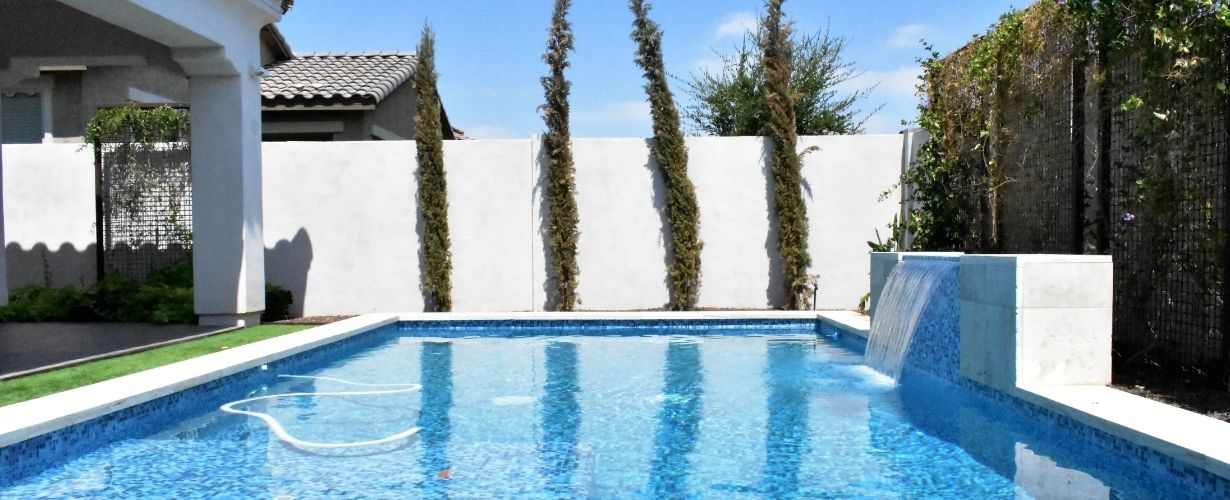
Small pools used to have a negative reputation—until designers stopped labeling them as “small” and began calling them “cocktail pools.” More importantly, they started designing them as full-featured spaces instead of watered-down swimming pools.
When done right, a 12×20 pool can comfortably fit eight adults. Built-in benches along two sides make it easy to relax, while Badu jets add a current for resistance swimming. A raised spa at one end adds both comfort and style. In this setup, the smaller size becomes a benefit—it feels cozy and intentional, not cramped.
For corner lots in places like West Palm Beach, where setback rules limit usable space, cocktail pools offer real outdoor living value without taking over the yard.
While the cost per square foot can be higher than larger pools—since permits, equipment, and excavation costs don’t shrink much—the overall project cost stays within reach for homeowners who might not afford a traditional pool.
Recent trends also show that homeowners with well-designed compact pools are just as happy, if not happier, than those with larger pools. This suggests that choosing the right size matters more than choosing the biggest option.
The Sports Pool That Admits It’s for Fun
Pools that include basketball hoops or volleyball setups work best when the design accounts for the extra movement and energy they bring. This means keeping a steady six-foot depth in the play area, using durable deck surfaces where people gather and move the most, and choosing goals that can be removed and stored away when not needed.
For families with teenagers, these features can turn a pool from a simple place to swim into a favorite hangout spot. The cost is fairly reasonable—usually between $2,000 and $4,000—but the payoff is big, especially for teens who might otherwise spend most of their summer indoors on screens.
It’s also important to think realistically about how long these features will be used. Sports add-ons tend to be heavily used for about seven to ten years, while kids are living at home and inviting friends over. After that, they often become reminders of a fun stage in family life.
In the end, the choice comes down to your long-term plan. Are you building the pool for the needs of the next ten years or for decades to come? Either option works—as long as the decision is made on purpose.
The building process doesn’t last long, but you’ll live with the pool for years. That’s why design choices should focus on how you’ll use the pool every day, not just how it looks on reveal day.
Good designers take time to understand your routine. Do you like early-morning swims or relaxed evenings by the water? Is the pool mainly for weekend get-togethers or everyday use? Are you looking to exercise, unwind, or both? These details shape the size, depth, and features far more than looks alone.
The best pools in West Palm Beach, Palm Beach, and nearby South Florida areas have one thing in common: they fit the real lifestyle of the family, not an ideal version they feel they should have.
That means being honest during the design stage. If you don’t plan to swim laps, there’s no need for a lap pool. If you often host friends and family, focus on wide shallow areas and plenty of deck space. If peaceful mornings matter more than lively evenings, choose calming water features instead of bold, showy designs.
There’s another moment that comes later, different from that first Saturday morning feeling. It usually happens about three months after everything is finished.
It’s evening. The water no longer looks brand new and has settled into its final color. The landscaping has taken hold and started to grow. The unfamiliar feeling is gone.
You’re standing there—maybe topping off your drink or taking a short break—and it hits you: this is something you created. The sound of the water. The way the light falls. A place where your family comes together without planning, where conversations start on their own, and where the stress of the day fades in warm water and gentle lighting.
That moment is when good design turns into real life.
Inspired by these ideas? If you’re a homeowner in Palm Beach Gardens, our team specializes in custom pool designs tailored to your community’s HOA guidelines and South Florida’s unique light conditions.
About the Author:
Henry Pierce is co-owner of aquaelitepool.com, and he brings 15+ years in luxury construction expertise to Aqua Elite Pool, combining engineering precision with designs that transform ordinary spaces into environments where families naturally gather and memories happen. When he’s not building pools, he spends time with his family, reading good books or playing tennis.
Get Your Custom Pool & Spa Quote
Free 3D design and Financing options.