
“So, when can I actually swim?”
That exact number sounds confident and reassuring. It’s like the estimated arrival time on your GPS when driving to Miami during peak tourist season—technically correct under perfect conditions that rarely exist.
After looking at timelines from dozens of pool projects in West Palm Beach and talking with homeowners in Palm Beach, Boca Raton, Wellington, and nearby areas, one thing becomes clear: the promised timeline and the actual timeline almost never line up. Not because contractors are trying to trick you—though some may over-promise—but because every project has its own unique challenges that don’t fit neatly on a brochure.
The reality? Most pool projects take 16–20 weeks from signing the contract to your first swim, even when the quote says 8–12 weeks.
Here’s the truth about building a pool in West Palm Beach—and why knowing the real timeline is far more important than trusting the one you’re given.
Most pool builders in West Palm Beach and South Florida estimate 8–12 weeks for construction. That’s realistic for simple projects. But notice the key word: construction. That countdown doesn’t start when you sign the contract—it starts when your permit is approved and the excavator arrives on site.
Before that, you’re in what I call the invisible phase—your pool only exists in drawings, emails, and the nervous part of your brain wondering if spending the cost of a nice car on a backyard hole was a smart move.
In Orange County, permits for standard residential pools usually take 10–15 business days, according to the county building department. Seminole County is similar. But “typical” can be misleading when surveys, engineering approvals, and HOA reviews are involved—especially if the HOA only meets once a month.
Add another 2–4 weeks for permits—sometimes up to 6 weeks if your property has special rules, like lakefront setbacks, flood zones, or that one HOA member who always has opinions.
So even before construction begins, you’re already looking at 10–16 weeks. Most people don’t realize this when planning their pool.
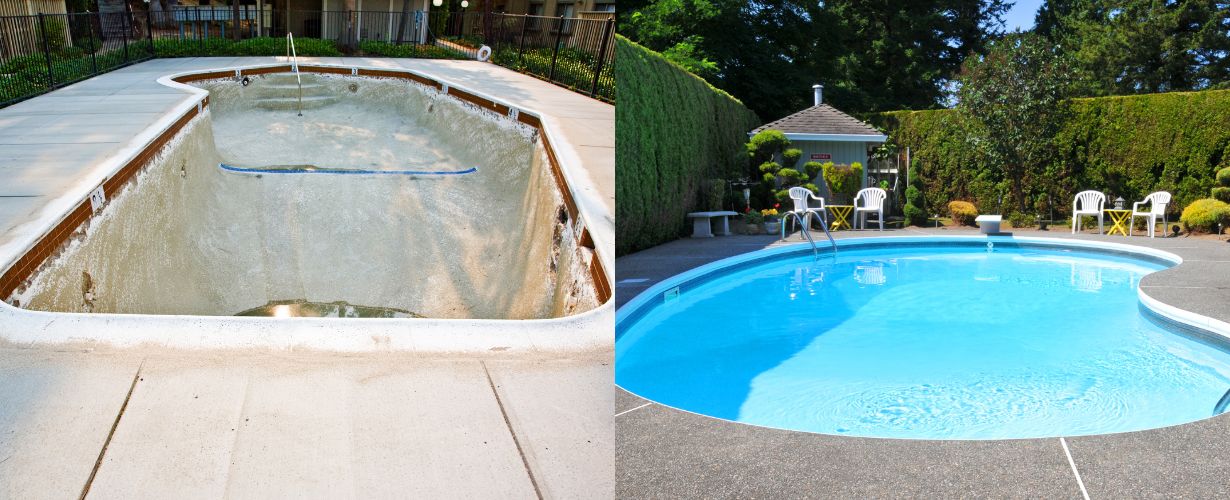
Let’s walk through what really happens, week by week, when you build a pool in West Palm Beach—assuming everything goes smoothly.
Weeks 1-3: The Paperwork Shuffle
Your contractor files the permit applications, and the city reviews them. Then you wait. Sometimes your contractor needs to tweak something, and the city reviews it again. More waiting.
During this phase, you’ll probably keep staring at your backyard, hoping a pool magically appears. Spoiler: it won’t. Patience is the secret ingredient here.
Weeks 4-5: Excavation Time
The dig crew shows up early—seriously early—and turns your lawn into what looks like an archaeological site. In South Florida, sandy soil and high water tables can throw surprises your way: underground boulders, unexpected rock layers, old septic systems, or stubborn tree roots.
If everything goes smoothly, excavation takes 2-3 days. If not, tack on an extra week.
Weeks 6-7: Steel and Plumbing
Now the pool starts taking shape. Steel rebar is laid in precise grids, and plumbing lines are installed across the pool floor. For the first time, your yard starts looking like a pool rather than a muddy mess.
Several inspections happen here: steel inspection, plumbing inspection, and sometimes a redo if something isn’t quite right. Scheduling and waiting are part of the process.
Week 8-9: The Gunite Magic
This is the moment you might actually want to take a day off just to watch. A gunite crew sprays a concrete mixture at high pressure to form your pool’s shell. It takes about 4-8 hours and looks like organized chaos—but by the end of the day, you have something that unmistakably looks like a pool.
Afterward, it needs to cure for at least a week. Florida’s heat speeds things up, but there’s still a bit of waiting involved.
Week 10-12: Finishing Touches
Tile work begins, and coping stones are installed. Your pool starts to look less like a construction site and more like a feature you’d see in a magazine. Precision is key here, so patience is essential—rushing the tile setter is never a good idea.
At the same time, your backyard starts taking shape. Deck work runs alongside the pool work if your contractor is organized. Pavers are laid, concrete is poured, and the space starts to feel like one cohesive area instead of two separate projects.
Week 13-14: Systems and Equipment
Now it’s time for the pool’s “engine.” Pumps, filters, heaters, and automation systems get installed, plumbed, and wired. Electrical inspections happen, and everything is tested, adjusted, and tested again.
This is also the phase when many homeowners in West Palm Beach decide to add those extra touches they didn’t plan at first—upgraded lighting, additional water features, or even that built-in cooler you thought was over the top—until you see it in action.
Week 15-16: Filling and Balancing
Finally, the pool is filled, which can take 24-48 hours depending on your water pressure. Then comes chemical balancing and the full startup process, which may take a few days of careful adjustments.
Final inspections are done, city approval is granted, and at last—you can jump in and enjoy your pool.
Contractors who finish projects faster tend to follow a few smart practices: they order materials even before permits are finalized, taking on the risk of storing them; they keep dedicated crews instead of moving subcontractors between jobs; and they account for weather delays, understanding that South Florida often has afternoon thunderstorms from June to September instead of ignoring them.
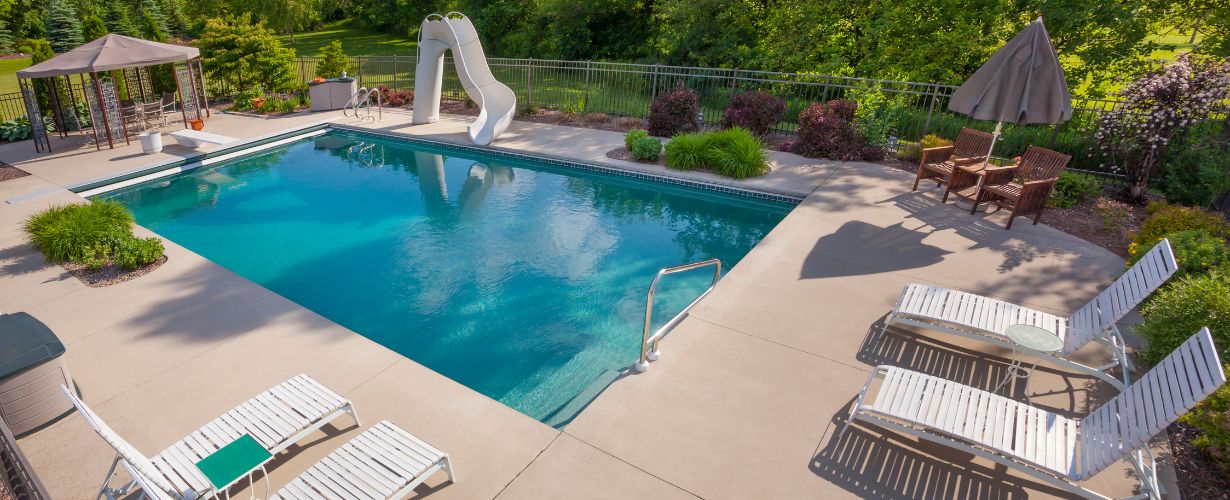
Weather is the most obvious reason for delays. Experts point out that South Florida’s rainy season can add 2–4 weeks to construction schedules, especially for deck work that needs dry conditions to set properly.
But weather isn’t the only factor. Here’s what else can affect your timeline:
Change orders: Every time you choose to upgrade the tile, add a water feature, or extend the deck, the schedule shifts. It’s not the contractors’ fault—these changes need new materials, different subcontractors, and sometimes extra permits.
Material delays: Even in 2025, some specialty items still take time to arrive. That Italian mosaic tile? It could take eight weeks. Custom LED lights? About six weeks. Specialized pumps for larger pools? Four to six weeks.
Inspection backlogs: West Palm Beach is part of Palm Beach County, and the ongoing construction boom keeps inspectors busy. If your pool needs multiple inspections—electrical, plumbing, structural—each delay can add days or weeks to your project.
Hidden site conditions: No matter how thorough the pre-construction check is, South Florida soil can surprise you. You might run into unexpected rock, higher water tables, or leftover debris from past construction.
Your own decisions: The schedule assumes you’ll answer questions quickly about tiles, decking, and finishing touches. Many homeowners don’t realize how many decisions are needed. Every delayed response can push your project back by days.
In South Florida, you can build a pool any time of year, but some seasons work better than others for West Palm Beach homeowners.
Winter (December–February): The weather is steady, humidity is low, and concrete cures well. Crews are comfortable working, but this is the busiest time of year, so getting on a contractor’s schedule may take longer.
Spring (March–May): This is often the best time to start. The weather is still good, contractors are motivated to finish before summer, and many homeowners want their pools ready for summer entertaining.
Summer (June–September): Afternoon thunderstorms can stop work for hours or even days, and high humidity slows deck and plaster curing. On the plus side, more crews may be available, making it easier to schedule work.
Fall (October–November): Weather is usually favorable, but hurricane season can bring sudden delays through November.
By planning your pool project around these seasonal patterns, you can avoid weather-related setbacks and finish faster.
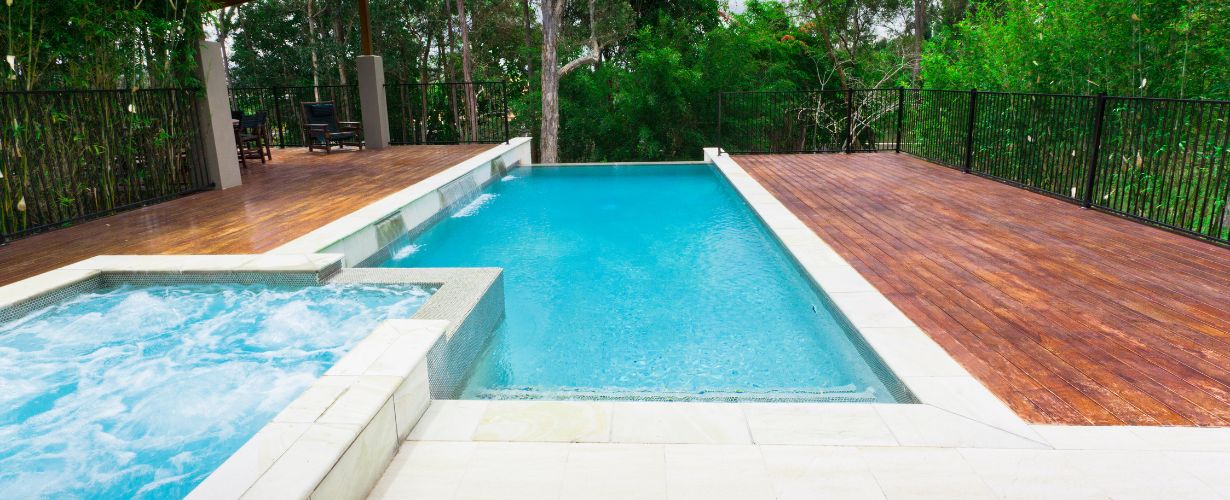
Contractors who stay on schedule notice one thing: homeowners who come prepared finish faster.
“How long does it take from signing the contract to the final inspection?”
This is one of the most common questions homeowners ask. Savvy homeowners, however, look at the entire process—from the handshake to the first swim.
Pool experts in West Palm Beach and Palm Beach County say that for a mid-range custom pool, the realistic timeline is 18–24 weeks. For luxury pools with features like infinity edges, smart automation, or multi-level waterfalls, expect 26–32 weeks.
This isn’t a shortcoming of the industry—it’s simply the reality of building something lasting, beautiful, and functional, especially in a climate where weather plays a big role in construction.
Contractors who are upfront about these timelines may close fewer quick sales, but their customers are far happier in the long run. Those who promise 8–10 weeks often get more initial contracts—but by week 12, when tile work is just starting, homeowners can end up frustrated.
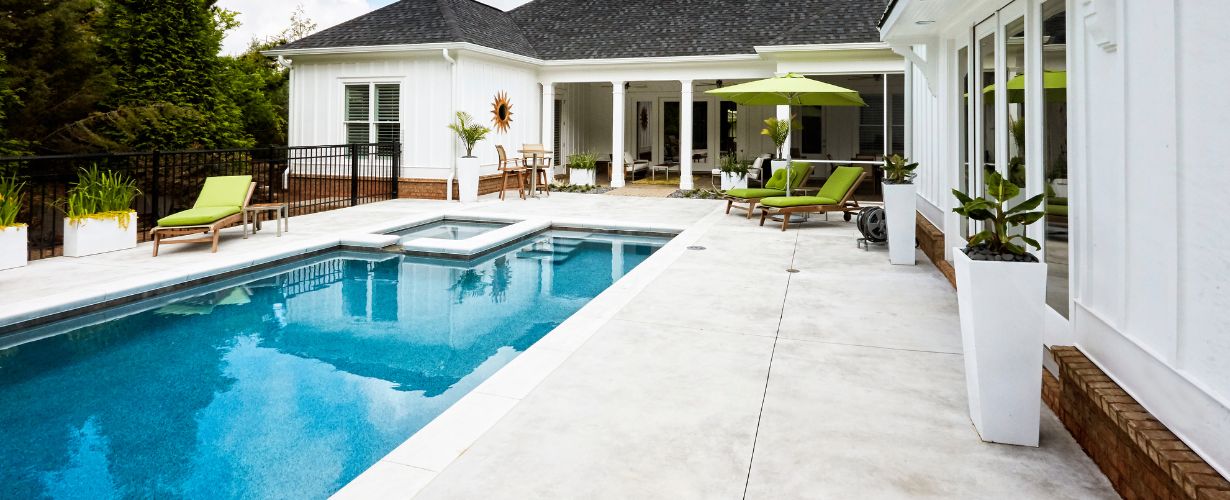
The real question isn’t “how long will it take?”
It’s “what am I really waiting for?”
Think about what pool owners in West Palm Beach and nearby areas say a few months after their pool is finished: they’re not counting weeks or comparing timelines. They’re enjoying their first family barbecue by the water, watching the kids choose home over other weekend plans, and spending evenings in calm conversation by the pool as the sun sets instead of in front of the TV.
The timeline that truly matters isn’t about weeks from contract to completion—it’s about the years, even decades, of memories families create around their pool.
Every Saturday morning swim. Every Fourth of July celebration. Every stressful workday that ends with a private backyard oasis waiting.
That’s the timeline that really counts. The 12 weeks, 16 weeks, or 20 weeks it takes to get there? That’s just the ticket to paradise.
Your Move
If you’re thinking about adding a pool in West Palm Beach, here’s a timeline plan that helps reduce stress and sets realistic expectations:
The stress you feel during construction usually fades within months. Ask pool owners two years later how long it took to build their pool—they likely won’t remember the exact timeline. What they do remember are the summer evenings spent enjoying the pool: floating, relaxing, and sharing time with family.
Yes, the paperwork, waiting, and anxiety are real—but so are the countless evenings over the next 20 years spent in a pool that completely changes how you experience home. And in hindsight, the construction timeline is just a small part of the story.
About the Author:
Henry Pierce is co-owner of aquaelitepool.com, and he brings 15+ years in luxury construction expertise to Aqua Elite Pool, combining engineering precision with designs that transform ordinary spaces into environments where families naturally gather and memories happen. When he’s not building pools, he spends time with his family, reading good books or playing tennis.
Get Your Custom Pool & Spa Quote
Free 3D design and Financing options.