
Your pool still works. The water stays clean with regular care, the equipment runs when it should, and there’s nothing technically wrong that needs urgent attention. Yet something feels off—a sense that your outdoor space isn’t quite keeping up with your needs anymore.
It starts quietly. A casual comment from your daughter about why her friend’s pool “looks nicer” than yours. Or seeing a neighbor three houses down complete a renovation that suddenly makes your backyard feel ordinary. Maybe you’ve stopped noticing worn tiles or outdated features—until you view them with fresh eyes.
For homeowners across **West Palm Beach and South Florida—Palm Beach, Boca Raton, Delray Beach, Wellington, and Singer Island—the real question isn’t whether your pool works. Most pools do. The real question is whether a pool that was perfect in 2015 still fits your lifestyle in 2025, and whether the gap has grown too noticeable to ignore.
This isn’t about keeping up with trends or competing with neighbors. It’s about recognizing when your outdoor space no longer matches your family’s needs, your home’s value, or your own expectations for where you spend summer weekends and entertain loved ones.
Let’s look at the signs your pool might be giving you—and why paying attention could make sense both emotionally and financially for Palm Beach homeowners facing this decision.
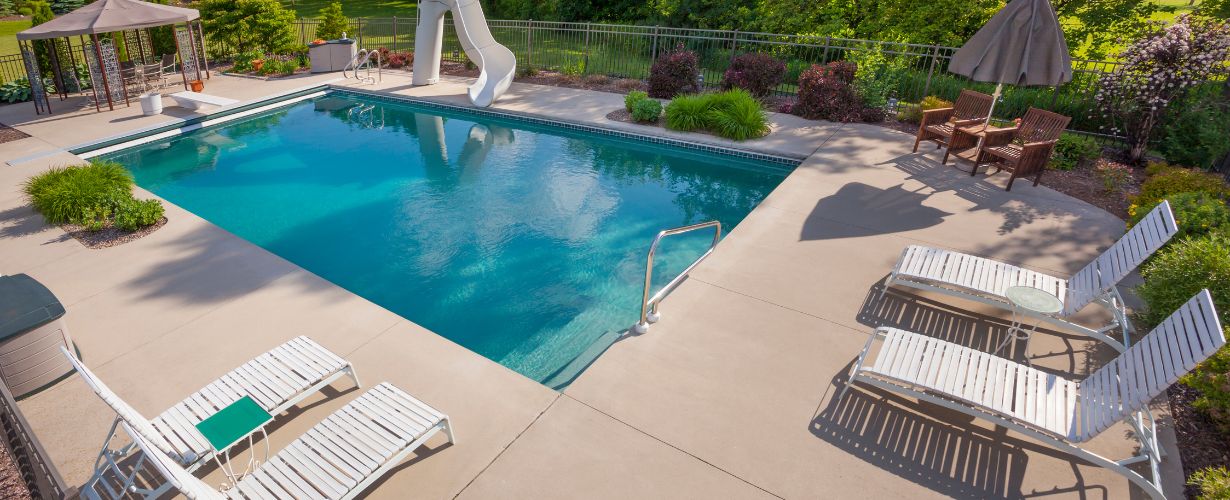
Owning a pool in South Florida comes with its own set of challenges. The same warm, sunny weather that makes places like Singer Island and Palm Beach Gardens so appealing also puts your pool through constant wear and tear—things that pools in cooler climates only face part of the year. That bright sunshine may look inviting, but it gradually breaks down pool surfaces.
Data from the National Association of Home Builders shows that pool finishes in Florida often show noticeable wear after 7–10 years, while pools in cooler regions can last 12–15 years before showing similar damage. The strong UV rays don’t just fade your patio furniture—they can damage plaster, weaken tile adhesives, and speed up the aging of pool equipment. Many people moving from northern states are surprised by how quickly this happens.
Water chemistry in South Florida adds another challenge. The naturally hard water, combined with the extra chemicals needed to keep a warm-weather pool balanced, makes surfaces wear out faster and equipment work harder. What starts as a small cosmetic problem can grow into bigger issues if it’s ignored over time.
Most pool remodels don’t happen because something breaks completely. Instead, homeowners notice a point where regular maintenance stops being cost-effective—where small, repeated repairs start to add up close to the cost of a full renovation, but with less benefit.
Knowing when you’ve reached that point comes down to watching for key warning signs.
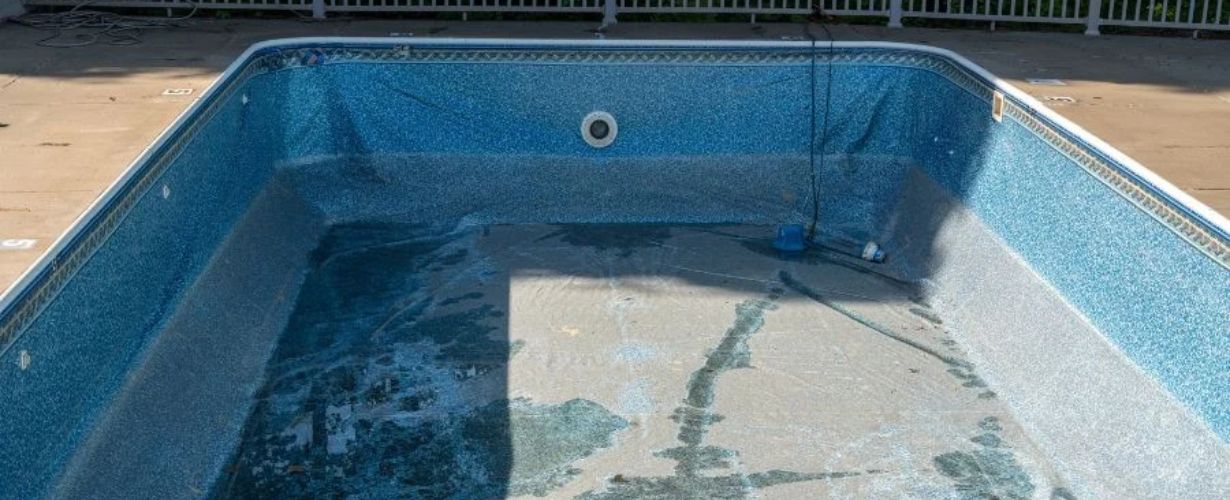
Pool wear and tear often shows up where you least expect it—right at the waterline, in plain view every time you look outside.
Tiles that once sparkled may now have hairline cracks that have grown into noticeable breaks. Smooth plaster underfoot can become rough, catching on toes and swimsuit fabric. Small discolored patches can spread into stubborn stains that won’t come off, no matter how many chemicals or scrubbing sessions you try.
This isn’t just about looks—though let’s be honest, appearance plays a bigger role in homeowners’ decisions than most like to admit. Pool plaster usually lasts 10–15 years under ideal conditions, but South Florida rarely offers perfect conditions. According to the Association of Pool & Spa Professionals, resurfacing becomes necessary when the plaster’s aggregate shows through, rough patches cover more than 15% of the surface, or stains resist professional cleaning.
Rough plaster isn’t just uncomfortable—it creates tiny crevices where algae and bacteria can hide, out of reach of chemicals. You’ll notice higher chemical use, cloudy water even with careful testing, and gritty surfaces shortly after cleaning. These aren’t separate problems—they’re all signs of the same underlying issue.
There’s also a financial side to consider. Spending an extra $200–400 a year on chemicals and cleaning services adds up to $2,000–4,000 over ten years. Resurfacing, which costs $5,000–15,000 depending on your pool’s size and finish, solves surface problems while dramatically improving appearance, water quality, and swimming comfort.
The waterline tiles deserve special attention. These six-inch tiles around your pool not only protect the structure from constant water exposure but also define the pool’s overall look. When they crack, come loose, or build up calcium deposits that don’t clean off, replacing them moves from optional upgrade to preventive maintenance, avoiding more costly structural damage later.
Local real estate experts in West Palm Beach and top South Florida communities like Palm Beach, Boca Raton, Delray Beach, and Wellington consistently report that homes with newly resurfaced pools sell for $8,000–12,000 more than similar homes with worn pool surfaces.
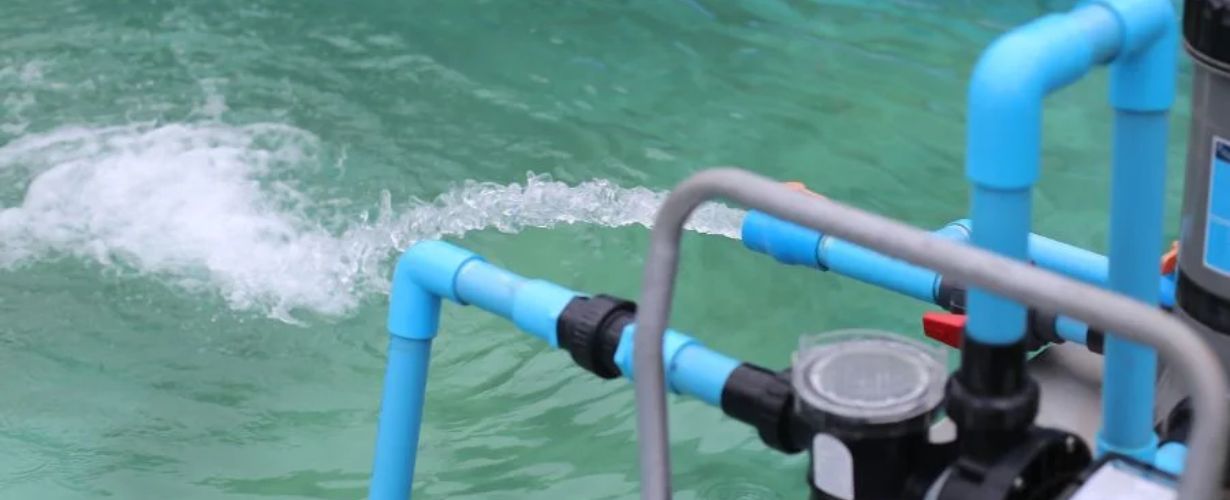
The mechanical room behind your pool tells a story that your pool’s surface can’t.
Maybe your pump sounds different than it used to—a high-pitched whine, or vibrations that make the equipment pad shake. Your heater might turn on and off more often, struggling to keep the temperature you set. Your filter may need cleaning every few days instead of once a week like before.
Most homeowners only think about pool equipment when something completely breaks. Waiting for failure is expensive—emergency repairs often cost far more than planned replacement, and the timing is inconvenient.
According to the Association of Pool & Spa Professionals, pool pumps usually last 8–12 years, though tough conditions can shorten this. Heaters can run 10–15 years with proper care. Filters vary: cartridge filters often need replacement every 7–10 years, while sand filters last 5–7 years.
What many miss is the rising cost of old, inefficient equipment. A worn-out pump can add $30–60 to your monthly electricity bill. A failing heater uses energy constantly while barely heating the water. A filter that needs constant cleaning isn’t doing its job, making your pump work harder.
These issues aren’t separate—they’re signs your system is aging all at once. Fixing them one by one leads to multiple service calls, extra diagnostic fees, and the frustration of solving one problem only to face another later.
Upgrading all your equipment at once usually costs $4,000–$8,000, depending on pool size and features. That may seem high until you consider ongoing inefficiency and emergency repairs. For example, if you spend $600 per year on service calls and $720 on extra energy (from inefficient equipment), that’s $6,600 over five years—roughly what a full upgrade would cost, but with far more reliability and peace of mind.
Modern variable-speed pumps use 50–70% less energy than older single-speed models, according to the Department of Energy. Smart automation systems let you control everything from your smartphone, optimize water circulation, reduce chemical waste, and alert you to problems immediately.
The real question isn’t if your equipment will fail—it’s whether you want to control when that happens or wait for it to happen at the worst possible time.
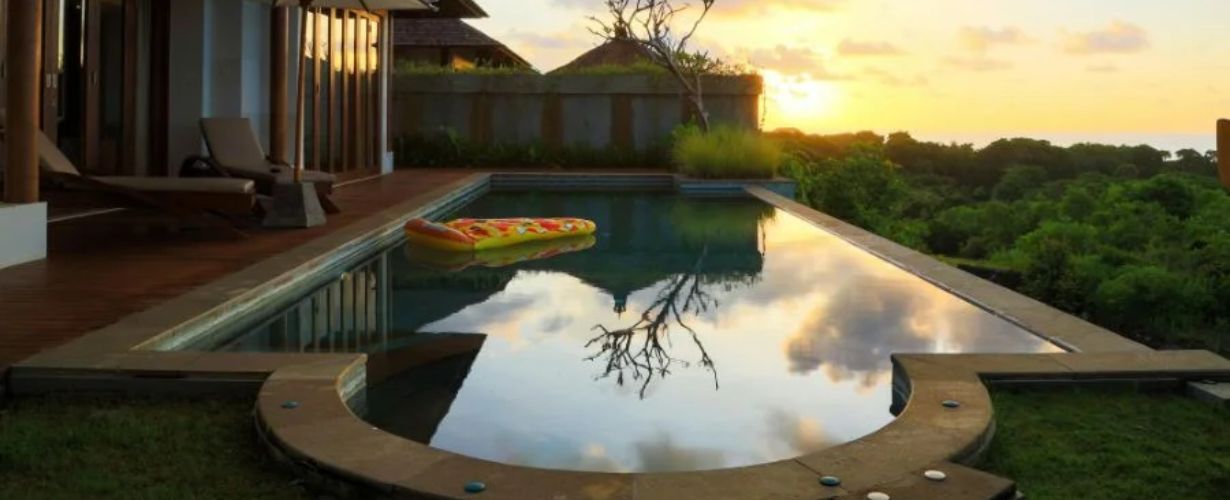
Remember when automatic ice makers felt like a huge innovation? Or when TV remotes made it unnecessary to get up just to change the channel? These conveniences quickly went from being a luxury to something we simply expect.
Pool technology has followed the same path—but many Palm Beach homeowners are still using systems that feel straight out of 1995.
Think about it: manual cleaning with long pole vacuums, mechanical timers that click loudly and need seasonal adjustment, or pool lights with only two options—on or off—without any dimming or color control. No way to check water chemistry from your phone, adjust the temperature remotely, or get automatic alerts when something needs attention.
This isn’t about chasing the newest gadgets. It’s about the difference between a pool that works for you versus one you constantly work for.
According to Pool & Spa News, automated pool systems cut hands-on maintenance time by roughly 70% compared to manual operation. Tasks that once took 30–45 minutes—cleaning, monitoring, adjusting—can now happen automatically or take just 5–10 minutes via a smartphone, from anywhere.
Smart automation tackles the things that make pool ownership feel like a chore. Variable-speed pumps adjust flow automatically—high for vacuuming, low for circulation, and optimized for heating. Robotic cleaners run on preset schedules without supervision. LED lighting systems respond to voice commands or create preset lighting scenes for entertaining.
Chemical automation is one of the biggest advancements. Modern systems test water chemistry constantly and add chemicals precisely, keeping water balanced in ways manual testing rarely achieves. This isn’t just convenient—it protects your pool equipment, preserves surfaces, and ensures safe swimming conditions for kids.
When you consider wasted chemicals from manual dosing, potential damage from unbalanced water, and the hours spent on routine maintenance, automation pays off. Full automation upgrades typically cost $3,000–$7,000 depending on features. If automation saves just one hour a week, valued at $50 per hour, that’s $2,600 a year in time you could spend enjoying your pool instead of maintaining it.
Homes with smart pool systems sell faster and often at higher prices in West Palm Beach’s competitive market, especially in areas like Palm Beach, Boca Raton, and Wellington. Today, buyers expect modern pool automation as a standard feature—not just an extra.
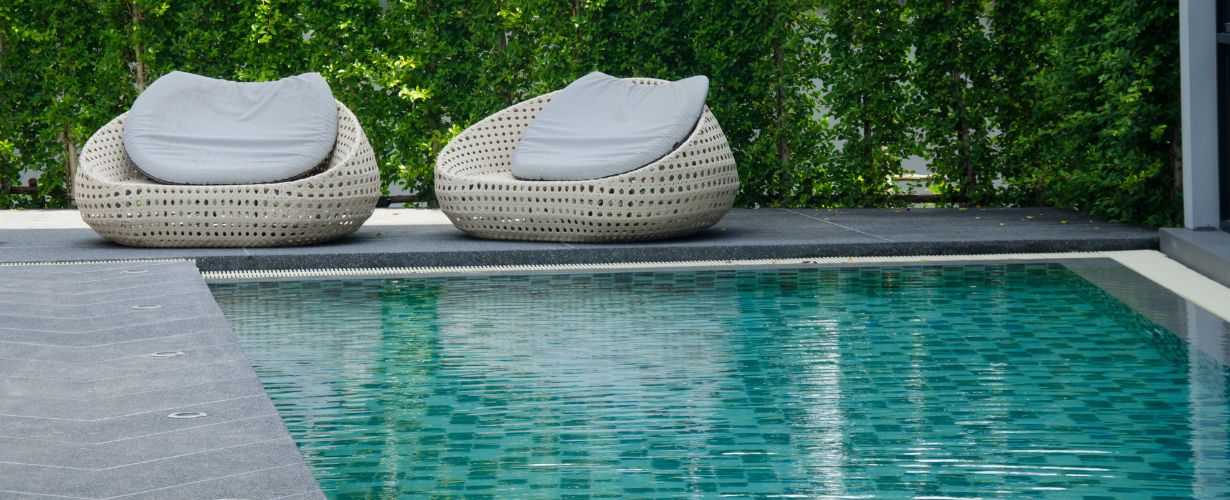
Design changes over time, often in ways we don’t notice until we see our own space from someone else’s perspective—or when we compare it to what’s possible today.
The kidney-shaped pool that felt natural and stylish in 1998 now looks dated. Missing modern features, like a tanning ledge—a shallow area where adults can lounge partially in the water—marks your pool as old-fashioned. A single waterfall, once impressive, can’t compete with today’s dramatic water walls, scuppers, or integrated fire elements.
Aesthetics matter more than most practical-minded homeowners admit when making spending decisions. Your pool isn’t just for swimming—it’s a centerpiece visible from nearly every room inside your home and throughout your outdoor living space.
Pool design trends have changed significantly over the past 20 years. The ornate curves popular in the 1990s are giving way to cleaner shapes that fit modern architecture. Natural stone edges have replaced poured concrete. Vanishing edges, elevated spas, and other design features now create visual impact that simple rectangular pools can’t match.
These changes aren’t just about looks—they reflect how families actually use pools today. Tanning ledges give kids shallow play areas and adults a relaxing spot to read in the water. Beach entries make pools more accessible for older family members and give a resort-like feel that increases property appeal. Swim-up bars and underwater seating turn pools from exercise equipment into entertainment hubs.
Real estate data backs this up. Homes with modern pool designs in **West Palm Beach and nearby South Florida areas—Palm Beach, Boca Raton, Delray Beach, and Wellington—**sell for 8–15% more than similar homes with dated pools. On a $450,000 home, that’s an extra $36,000–$67,500—often more than the cost of a pool remodel.
Fire features are another modern addition older pools lack. Fire bowls at water level create striking visual contrast and allow you to enjoy your pool in the evenings. Outdoor fireplaces integrated into pool decks create inviting gathering spaces usable year-round, not just in summer.
The reality: outdated design can reduce your home’s value almost as much as mechanical problems do—just more subtly. Buyers subconsciously compare every property they tour. A functional-but-dated pool may look fine to you, but it will compete with renovated pools in your neighborhood—and buyers notice, even if they don’t say so out loud.
Not all pool remodels are about keeping up appearances or boosting resale value—sometimes, they’re about keeping your loved ones safe.
Worn-out decks can be trip hazards where kids run the fastest. Rough plaster can scrape skin during everyday swimming. Old electrical systems may lack modern ground-fault protection, creating risk of serious shock. Poor lighting can turn a fun evening swim into a dangerous guessing game.
Often, safety upgrades become urgent suddenly, not gradually. It might take a close call, a small injury, or the sudden realization that what you’ve tolerated for years is now truly unsafe.
According to the U.S. Consumer Product Safety Commission, thousands of preventable injuries happen around swimming pools each year, with trips and falls topping the list. Rough surfaces, crumbling coping stones, and poor lighting all play a role in these avoidable accidents.
Modern safety updates tackle risks that older pools simply weren’t built to address. LED lights are 10–15 times brighter than old bulbs, use 75% less energy, and produce little heat. Non-slip surface treatments prevent slips without sacrificing comfort or style. Updated electrical systems add multiple layers of protection that older setups lack.
Pool barriers and fences have also evolved. Florida building codes now require specific fence heights, gate hardware, and access controls that older pools might not have. Installing these updates isn’t just smart—it’s required by law and reduces liability.
At the end of the day, this isn’t about dollars. You can’t put a price on preventing a child’s fall, an elderly parent’s accident, or a guest getting hurt. When safety becomes a real concern, remodeling stops being optional—it becomes a responsibility every homeowner should act on.
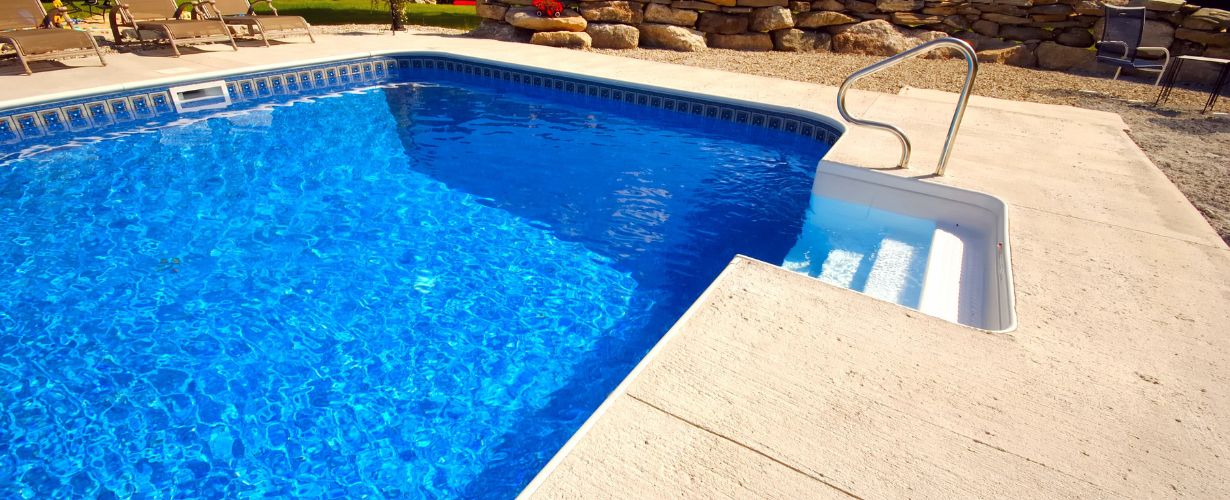
Life keeps changing, but pools stay the same—unless you decide to update them.
Think of the family who once installed a deep play pool for their teenage athletes, who have since moved out, while their visiting grandchildren now need shallow areas to play safely. Or consider the professional couple who bought a pool for long lap swims but now host frequent gatherings and need shallow areas with seating for conversation. Some households focused on low-maintenance pools during busy career years but now have the time and interest to enjoy water features and landscaping.
Pools are permanent fixtures built for specific uses. When your lifestyle changes but the pool doesn’t, a gap emerges between what you have and what you actually need.
This often becomes clear slowly. You might notice the pool is used less than before, family gatherings move elsewhere, and the space that once brought everyone together sits empty except during the hottest months.
Smart remodeling adjusts your pool to fit your current life instead of forcing your life into outdated infrastructure. Adding spa features can ease sore joints and relieve stress. Expanding shallow areas allows grandchildren to play safely. Outdoor kitchens, fire features, and seating turn your pool into a full entertainment hub. Automation makes maintenance easier, especially as time, energy, or mobility change.
Without these updates, pools can slowly lose their purpose. A pool that doesn’t match your lifestyle becomes a costly ornament, requiring constant care instead of providing real enjoyment and improving daily life.
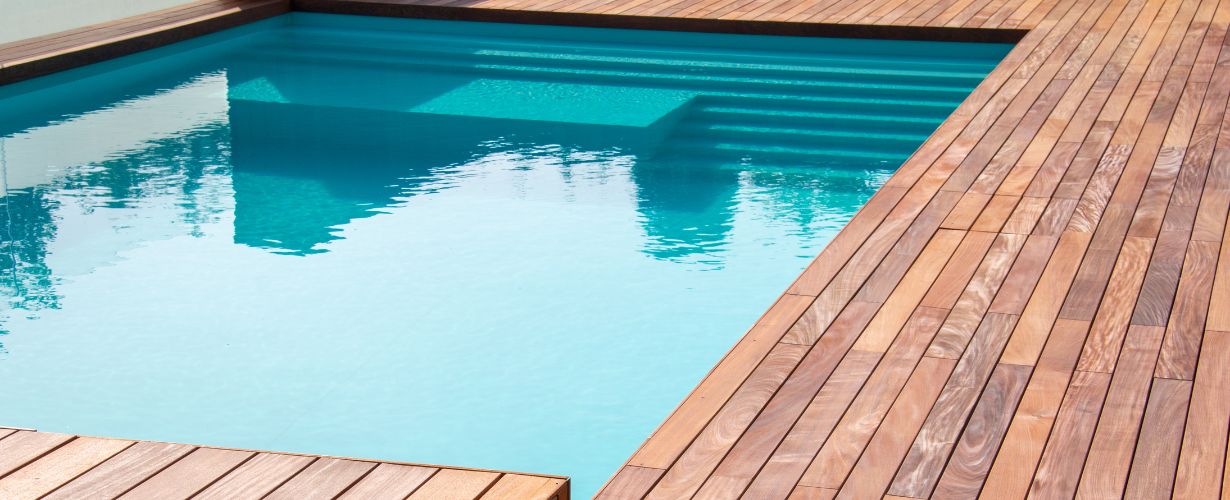
Sometimes the clearest sign that your backyard needs an upgrade isn’t what you see—it’s how you feel.
You visit a neighbor’s newly remodeled pool and, on the drive home, can’t help but notice everything your own pool is missing. Your kids ask why your pool doesn’t have the same features their friends enjoy. You find yourself making vague excuses about “eventually renovating” whenever someone comments on your outdated backyard.
These feelings of comparison show your unmet desires more clearly than any objective evaluation ever could.
This isn’t about trying to show off or “keeping up with the Joneses.” It’s about realizing your idea of what’s possible has changed. Once you’ve seen modern pool design, convenient automation, and the real difference a quality remodel can make, it’s hard to ignore the gap between what you have and what you could have.
The homes that naturally become neighborhood favorites don’t happen by accident. They’re the result of smart renovations that create spaces people actually want to spend time in. Families who host effortlessly haven’t changed who they are—they’ve invested in their space to make entertaining feel easy and enjoyable.
South Florida’s luxury neighborhoods have seen big renovation waves over the past decade. West Palm Beach homes built between 2003–2007 are now getting second-generation updates as their original features age. In Palm Beach, Boca Raton, Delray Beach, Wellington, and Singer Island, new homeowners are updating older properties to meet today’s standards, reflecting changing expectations for outdoor living and pools.
The real question isn’t whether your pool meets some outside standard. It’s whether it meets your own expectations—for your home, your family’s lifestyle, and how you want to enjoy the time you actually have.
Noticing the need for a renovation is very different from taking action.
The gap between recognizing a need and deciding to act can stretch over several years. During this time, homeowners research options, weigh costs, and think carefully about whether a renovation truly makes sense for their home and timeline. This careful consideration isn’t procrastination—it’s smart planning for a major investment.
Three key questions can help determine if remodeling is a practical choice rather than a wishful or impulsive decision:
1. How will this improve daily life?
Focus on the impact on your family’s everyday experience—not just potential resale value or some distant future. If the honest answer is that it will meaningfully enhance how you live in your home day to day, that benefit often outweighs purely financial calculations.
2. How long will you stay in this home?
Renovations make the most sense for homeowners planning to stay at least five years. If you plan to move sooner, it’s important to carefully weigh costs and benefits because recouping your investment through resale takes time and depends on market conditions. Longer timelines spread the cost across years of enjoyment while still increasing the home’s value.
3. What happens if you don’t act?
Consider not just the immediate costs, but also the long-term consequences: ongoing maintenance problems, inefficiencies, and wear that could become more expensive to fix later. Sometimes the costliest choice is deciding to do nothing, letting problems grow until urgent repairs are necessary.
For pool remodeling, costs typically range from $25,000 to $75,000, depending on the project size and features. More comprehensive renovations usually run $50,000 to $90,000 in West Palm Beach and South Florida communities like Palm Beach, Boca Raton, Delray Beach, Wellington, and Singer Island.
According to local real estate experts, these upgrades can add $40,000 to $100,000 in property value, though results vary by neighborhood, quality of work, and market trends. For homeowners planning to stay long-term, the benefits often go beyond money: fewer maintenance headaches, improved efficiency, enhanced safety, and a transformed daily experience.
Financing options today make remodeling more achievable without draining savings. Home equity lines of credit, cash-out refinancing when rates are favorable, and specialized renovation loans allow homeowners to fund improvements while keeping financial flexibility for other priorities.
The simplest way to know if your pool needs remodeling is often how you feel when you look at it.
If you see possibilities instead of problems—if you imagine future gatherings instead of worrying about constant maintenance—that feeling matters. If you often catch yourself thinking about ways to improve or redesign the space, that’s a strong sign you’re ready for a change.
On the other hand, if you avoid looking at your backyard, skip hosting because the space feels lacking, or feel a quiet disappointment when thinking about your pool, those feelings shouldn’t be ignored. Your home should enhance your life, not serve as a constant reminder of what’s missing.
Remodeling a pool isn’t about chasing perfection or impressing guests. It’s about creating an outdoor space that truly fits your life—reflecting how you live now, what matters to your family, and the memories you want your children to carry forward.
Your emotions are giving you the answers—you just need to listen. The only question left is: are you ready to act?
Remodeling a pool is a big investment, and it’s worth planning carefully and working with experts. The difference between a renovation that truly improves your daily life and one that falls short often comes down to experience with South Florida’s unique climate, knowledge of local building codes, and the ability to balance beauty with practicality.
Homeowners in West Palm Beach and nearby communities—Palm Beach, Boca Raton, Delray Beach, Wellington, and Singer Island— face special challenges, from soil conditions that affect pool structure to HOA rules that shape design choices. Choosing professionals who understand these local factors ensures your investment brings both immediate enjoyment and long-term value for years to come.
The seven signs we’ve discussed aren’t just separate issues—they’re connected signals that your pool may be ready for a change. Whether you’re fixing one urgent problem or planning a full remodel, the goal is the same: to create an outdoor space that truly enhances your family’s home life instead of causing constant maintenance headaches or aesthetic frustration.
Your pool should be a place you want to use, not a source of excuses. It should create lasting memories, not ongoing problems. Recognizing the gap between how your pool is now and what it could be is the first step toward a meaningful transformation.
The signs are obvious. The question is: is now the right time for your family to take action and give your pool the attention it deserves?
About the Author:
Henry Pierce is co-owner of aquaelitepool.com, and he brings 15+ years in luxury construction expertise to Aqua Elite Pool, combining engineering precision with designs that transform ordinary spaces into environments where families naturally gather and memories happen. When he’s not building pools, he spends time with his family, reading good books or playing tennis.
Get Your Custom Pool & Spa Quote
Free 3D design and Financing options.