
Here’s a clearer, more natural version with simple language and smooth flow:
There’s one question that often changes the direction of a pool design discussion.
After talking about size, depth, tiles, and heating—after all the practical details are covered—the question comes up: “What do you want to hear when you’re relaxing out here?”
It’s not something most people think about right away. Pool planning typically focuses on the space’s appearance, intended use, and associated costs. Sound is rarely part of the conversation unless someone brings it up.
But once it does, the focus shifts. The project is no longer just about building a pool—it becomes about creating a calm, comfortable place to unwind.
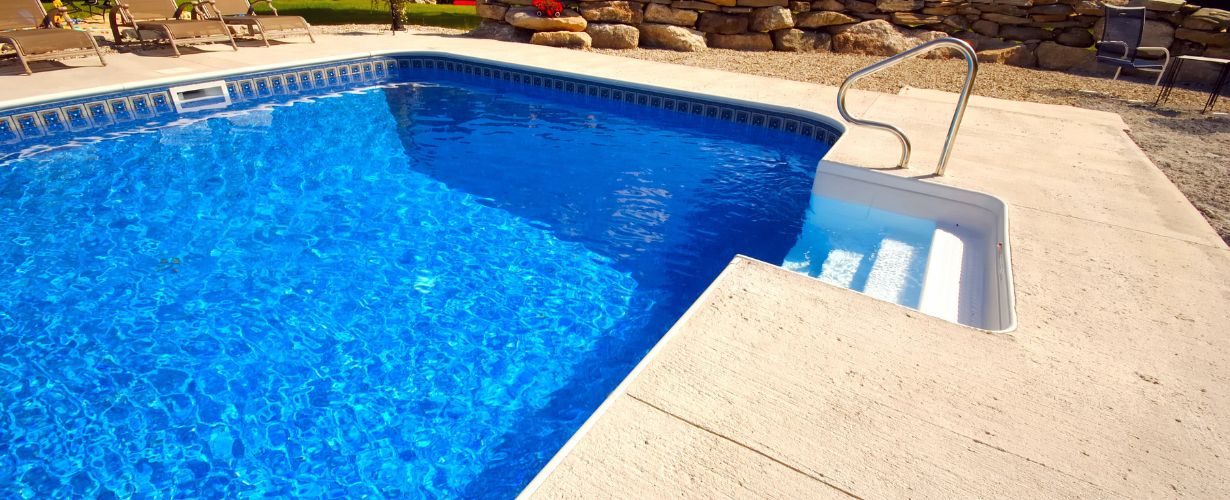
In luxury pool construction, especially in West Palm Beach and South Florida’s top coastal communities like Palm Beach, Jupiter, Boca Raton, Delray Beach, Wellington, and Singer Island, water features are one of the most important design choices homeowners make. This isn’t just because they affect the budget, although they do. And it’s not only because some features can be complex to install.
Water features matter because they change how a space feels.
A pool without water features still works perfectly fine. It can be used, enjoyed, and maintained without any issues. But something is missing. Water features add life and atmosphere to an outdoor space. It’s like the difference between a room with solid walls and one with windows—both do the job, but only one makes you want to stay longer and enjoy the space.
Most homeowners think water features are mainly about looks. They believe the biggest benefit is the first impression—how the backyard appears when guests see it for the first time.
Yes, a well-designed waterfall can be visually impressive. Sunlight reflecting off moving water, a clean sheer descent wall, or the natural look of stone features can all make a strong visual statement.
But the real impact goes beyond what you see.
It’s the sound of flowing water that helps block out nearby traffic or neighborhood noise. It’s the soft movement of water that makes an outdoor space feel comfortable and relaxing—perfect for reading, talking with family, or simply unwinding in silence. That gentle sound changes the mood of your home from ordinary to peaceful.
Water features don’t just improve how a backyard looks. They influence how the space is used, encourage more time outdoors, and change the overall feeling of home.
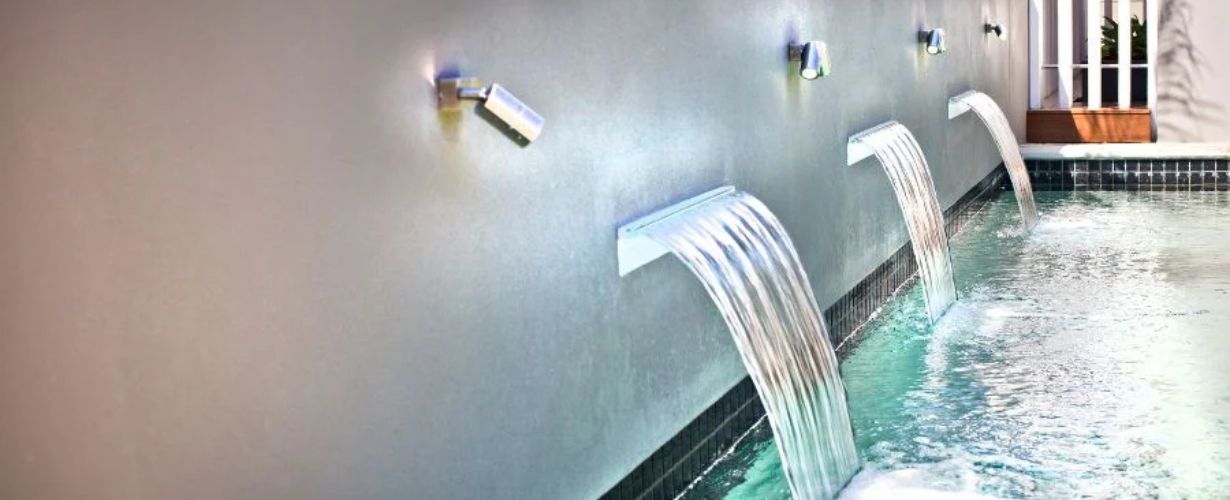
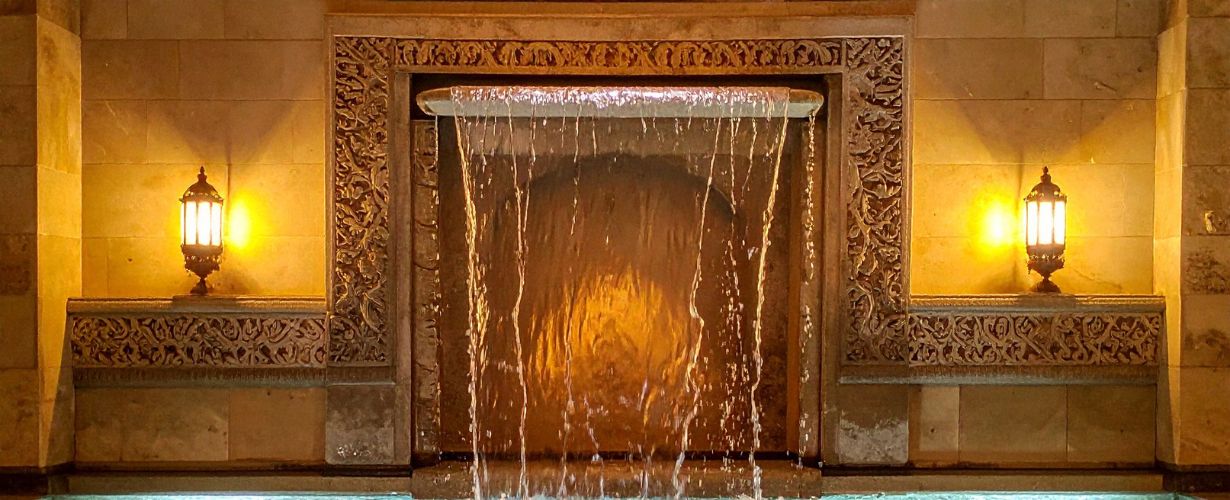
Sheer descent waterfalls are a popular feature in modern luxury pool design. They create smooth, even sheets of water that flow from raised walls or spa edges, looking almost like moving glass.
Their main appeal is their simple, clean look. Straight lines and modern styling make them a great match for today’s homes, especially in areas like Wellington and Celebration.
These waterfalls need very precise installation. The water must flow in one continuous sheet, which means the spillways have to be made accurately. Water flow has to be set just right, the outlet angles must be exact, and the pool below needs to be positioned correctly to reduce splashing.
When everything is done properly, the water flows in a smooth, elegant curve. If not, the feature can end up looking messy—more like a costly sprinkler than a luxury detail.
The cost for sheer descent waterfalls usually falls between $1,500 and $3,000 per spillway, depending on the width and how complex the installation is. Many pools use two or three spillways for balance, while larger designs may include six or more to create a striking waterfall effect.
Maintenance is easier than many people expect. The main issue is calcium buildup along the edges, which can disrupt the smooth flow. Regular monthly cleaning helps keep the waterfall looking clean and polished.
Here’s a simpler, more natural rewording that keeps the meaning but reads easier and smoother:
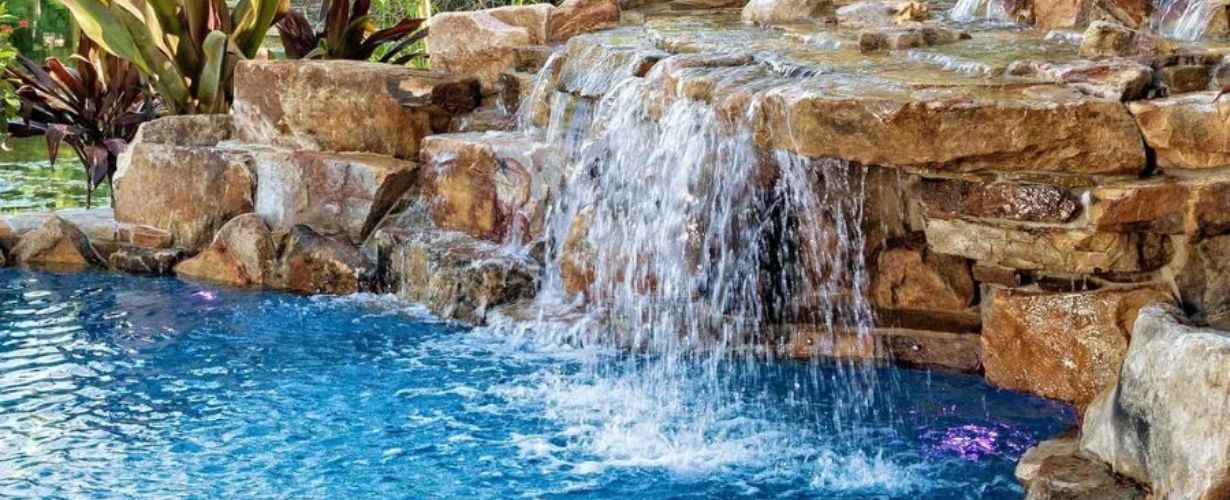
Natural rock waterfalls follow a very different design approach than sheer descents. While modern water features focus on clean lines and simplicity, rock waterfalls aim to look timeless and natural.
A well-designed rock waterfall should feel like a hidden spring you stumbled upon, not something that was recently installed. It should look as if it was always part of the landscape, as though the pool was built around the rocks instead of rocks being added later to decorate the pool.
What separates a beautiful, realistic rock waterfall from one that feels forced is how well it copies the way water naturally moves. In nature, water never flows in a straight line. It twists, slows down, pools in spots, splits into smaller streams, and then comes back together. Good rock waterfall designs follow these same patterns by using different stone sizes, creating uneven water paths, and keeping everything in proportion with the size of the pool.
The sound of a rock waterfall is also very different from a sheer descent. Instead of one steady flow, multiple streams create richer, layered sounds. As water levels or flow rates change, the sound changes slightly too. This makes the feature feel alive and natural rather than mechanical.
The cost of rock waterfalls can vary a lot. Smaller designs may start around $5,000, while larger, multi-level waterfalls with lighting, plants, or grotto areas can exceed $25,000. Most of the cost comes from the labor involved. Each rock must be placed carefully, secured properly, and tested for water flow—often adjusted several times—to achieve a natural look.
Rock waterfalls also need more upkeep than sheer descents. Algae can grow between rocks, and leaves or debris can collect in cracks. Many professionals suggest monthly cleanings, though some homeowners like a bit of natural buildup because it adds to the realistic, outdoor feel.
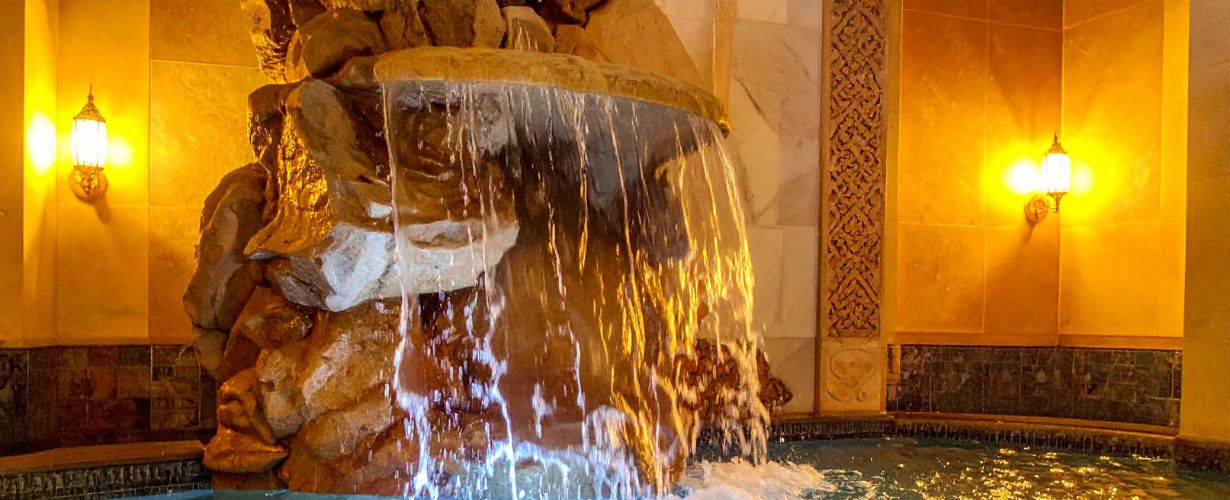
Spillover spas serve two main purposes in pool design: function and style.
These raised spas sit slightly above the main pool and allow warm water to flow continuously into the pool below. From a practical point of view, this helps move heated spa water into the pool, gently warming the upper areas. From a visual point of view, the flowing water creates a high-end, resort-style look that adds depth and looks great in photos.
Spillover spas are also excellent for creating separate areas within the pool space. Because the spa is elevated, it naturally feels like its own zone while still staying visually connected to the pool. The flowing water defines the space without the need for walls or barriers.
The sound is another benefit. Spillover spas produce a steady water sound that’s stronger than simple sheet waterfalls but smoother than rock features. This constant flow helps block outside noise, which is especially useful in closer residential areas like Wellington and Singer Island.
In terms of cost, adding a spillover spa usually ranges from $8,000 to $15,000 on top of the base pool price. The spillover edge—typically 6 to 12 inches wide—must be carefully designed so the water flows evenly without splashing too much or draining the spa too quickly.
One important factor many homeowners don’t expect is energy use. Because the spa needs to stay warm, the heater runs more often, and heat is continuously shared with the cooler pool water. During cooler months, this can add around $60 to $100 per month to heating bills, while summer costs are usually lower since the spa is often left unheated.
Here’s a clearer, easy-to-read rephrased version with simple language and a smooth flow:
Not every water feature needs to stand out in a bold way. Some of the best designs use soft movement, light water sounds, and a bit of fun to enhance the overall look of the pool.
Bubblers are a great example. These small fountains push water upward from shallow areas of the pool and are especially popular with families. Kids are naturally drawn to them. The gentle spray and simple upward flow turn into a fun and safe play feature. Bubblers are also budget-friendly, usually costing between $500 and $800 each, including installation. Most pools use two to four bubblers placed in sun shelves or entry areas.
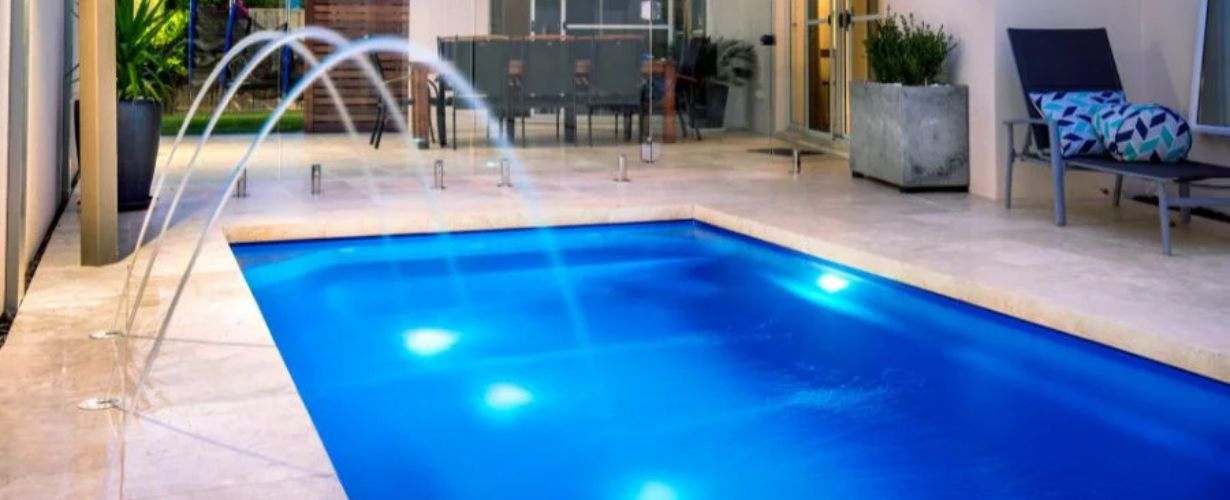
Deck jets create a very different effect. These features send smooth streams of water in an arc from the pool deck into the water. During the day, the arcs catch the light beautifully. At night, built-in LED lights turn them into glowing streams of color.
The sound from deck jets stays soft and relaxing. You get the feel of moving water without loud noise, making them a good choice for homeowners who want a calm setting. Deck jets add visual appeal and gentle sound without overpowering conversations.
Each deck jet usually costs between $600 and $1,000 installed. The best designs use four to six jets placed evenly for balance. Proper placement is important—the water should land well inside the pool, creating smooth arcs instead of short sprays that splash onto the deck.
Some pool features really excite designers but are still unfamiliar to many homeowners.
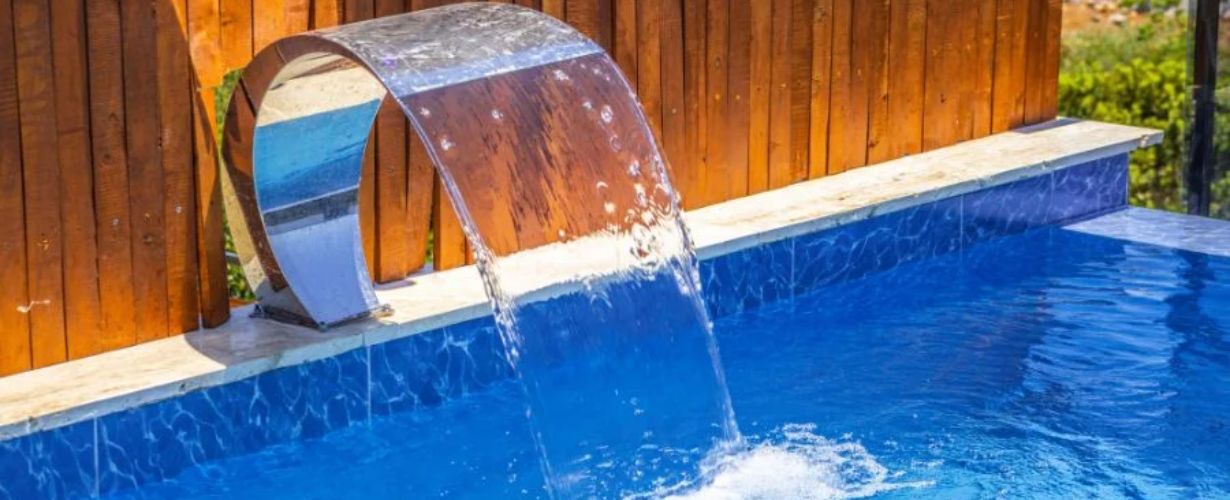
Scuppers are a great example. They are decorative water spouts placed on walls, ledges, or raised areas that let water flow into the pool. You can think of them as stylish versions of rain gutters. Many come in eye-catching designs like lion heads, clean geometric shapes, or smooth modern tubes.
What makes scuppers special is the detail. Bronze scuppers with a natural green patina give a classic, timeless look. Stainless steel scuppers work perfectly with modern homes, especially in places like Wellington and Singer Island. When several scuppers are installed at different heights, they create a soft, flowing water pattern that feels calm and balanced.
They also make great conversation starters. These are the kinds of details guests may not notice right away—but after a few visits, they suddenly spot them and ask, “Was that always there?”
The cost to install a scupper usually ranges from $800 to $2,500 each, depending on the size and material. One big advantage is flexibility. Scuppers can often be added to an existing pool without major changes, unlike more complex water features.
Rain curtains take the idea even further. Instead of individual streams, they create a wide sheet of water that falls from above—such as from a pergola, covered patio, or architectural beam—into the pool. The result feels dramatic and immersive, like being at a high-end resort rather than in a backyard.
These features do require more planning. Proper drainage, steady water flow, and strong overhead support are all essential. Quality rain curtain systems typically cost between $3,000 and $8,000. For homeowners looking to create a truly standout outdoor space, few features make a stronger visual impact.
Water features don’t just add visual details to a pool. They shape how the entire outdoor space sounds and feels. Like good design in any area of the home, this sound environment should be planned with purpose.
Each type of water feature makes a different kind of sound. Rock waterfalls create deep, full tones. Sheer descents make lighter, sharper sounds. Spillover spas add a steady, flowing noise. Bubblers bring short, playful splashes, while deck jets create quick, rhythmic bursts.
When these features are chosen and placed carefully, they work together to create a balanced, calming background sound. This natural mix can help block out unwanted noise like traffic, air conditioners, or nearby conversations—without being overwhelming.
Good design also takes personal comfort into account. Some people love strong water sounds and enjoy a louder setup with waterfalls and spillover spas. Others prefer something quieter, such as a few deck jets or one gentle sheer descent.
Neither style is better than the other. The real mistake is adding water features without thinking about how their sounds will blend together.
Water features are one of the smartest upgrades you can make when building a pool. According to industry data, a well-designed water feature can increase a home’s value by around 15–25%, often covering or even exceeding the cost of installation.
That said, the true value goes beyond numbers alone.
Take a full water feature setup, for example—a natural rock waterfall, a spillover spa, and four deck jets. This type of upgrade may add about $18,000–$22,000 to the overall project. Spread over a 20-year period, which is a typical lifespan for a properly maintained pool, the cost comes out to roughly $900–$1,100 per year, or about $75–$90 per month.
Now compare that monthly amount to what many West Palm Beach families spend on country club memberships mainly for pool access. Or think about weekend entertainment costs spent going out because the backyard doesn’t feel inviting enough to stay home. Even vacations to resorts with beautiful water features add up quickly—experiences you could enjoy every day in your own backyard.
When you look at how often you’ll actually use and enjoy it, the value of water features becomes much clearer.
Here’s a clearer, easy-to-read version with simple language and a natural flow:
Water features do need regular care, and it’s important to be upfront about that. The more detailed the feature, the more attention it needs over time. Spray nozzles can get blocked, calcium can build up on spillways, rocks can grow algae, and lights may need new bulbs from time to time.
Most basic water features are professionally cleaned every three months, while more detailed designs may need monthly service. Routine visits usually cost around $100–$150, with higher costs for larger or more complex features.
The good news is that regular maintenance helps avoid bigger problems. When water features are ignored, small issues can turn into costly repairs—such as damaged pumps from blocked lines, water leaks that affect the structure, or parts that need replacement due to rust or wear.
For most homeowners, the upkeep is minor compared to the enjoyment water features provide. Maintenance simply becomes part of the yearly routine—spring checkups, light monitoring during summer, fall preparation, and winter care if the pool is closed. In South Florida, many pools stay open year-round, which keeps this process even simpler.
Here’s a simpler, more natural version that’s easy to read and sounds friendly and clear:
Choosing the right features for your outdoor space begins with asking a few honest questions.
How will you use your pool? Families with young children often enjoy features like bubblers and soft waterfalls because they add fun and safe play areas. If relaxation is your main goal, you may prefer a spillover spa or layered rock features that create a calm, resort-like feel.
What style is your home? Modern homes in areas like Celebration and Singer Island usually look best with clean, straight water features such as sheer descents and geometric deck jets. Homes with a traditional or Mediterranean design, commonly found in Wellington and Singer Island, pair well with natural rock waterfalls and classic scuppers.
How much sound do you want? If your home is near a busy road, stronger water features can help block out noise. In quieter neighborhoods, softer water sounds may feel more fitting and peaceful.
Most importantly, what makes you happy? The best water feature designs aren’t just about what looks good in photos. They’re about choosing elements that truly fit your lifestyle and make your outdoor space more enjoyable every day.
Here’s a simpler, more natural version that keeps the meaning clear and easy to read:
After many years of building luxury pools in West Palm Beach’s top neighborhoods, one thing has become very clear. Families who carefully choose their water features don’t just end up with better-looking pools—they end up using them more often.
They spend more evenings outside instead of indoors on their phones or TVs. They invite friends and family over instead of passing on get-togethers. Their kids grow up around water—learning to swim early, playing for hours, and making memories that stay with them for life.
The sound of moving water does more than help people relax. It becomes part of daily home life. It creates a calm, welcoming feeling and reminds homeowners that they’ve built something truly special. This isn’t sales talk. It’s what homeowners tell us years after their pools are finished. Many say their pool was one of the best decisions they ever made—not just because it added value to their home, but because it changed how they enjoy their space every day.
Water features don’t just improve backyards. They change the way families live at home.
For a personalized consultation on the right water features for your home and lifestyle, Epic Watershapes™ offers professional design guidance to create features that add beauty without overwhelming your space.
About the Author:
Henry Pierce is co-owner of aquaelitepool.com, and he brings 15+ years in luxury construction expertise to Aqua Elite Pool, combining engineering precision with designs that transform ordinary spaces into environments where families naturally gather and memories happen. When he’s not building pools, he spends time with his family, reading good books or playing tennis.
Get Your Custom Pool & Spa Quote
Free 3D design and Financing options.