
The sun beat down hard that Tuesday afternoon as I drove through South Florida, past homes worth more than most people make in a lifetime. I wasn’t paying attention to the houses, though—I was focused on the water.
Every few yards, there was one—a sparkling blue pool, pumps buzzing like tiny factories, chemicals blending in hidden rooms below. Backyard pools in West Palm Beach and Parkland that used more electricity in a month than a small family might in half a year. Stunning, yes. But demanding. Always demanding.
That’s when my idea of luxury began to change.
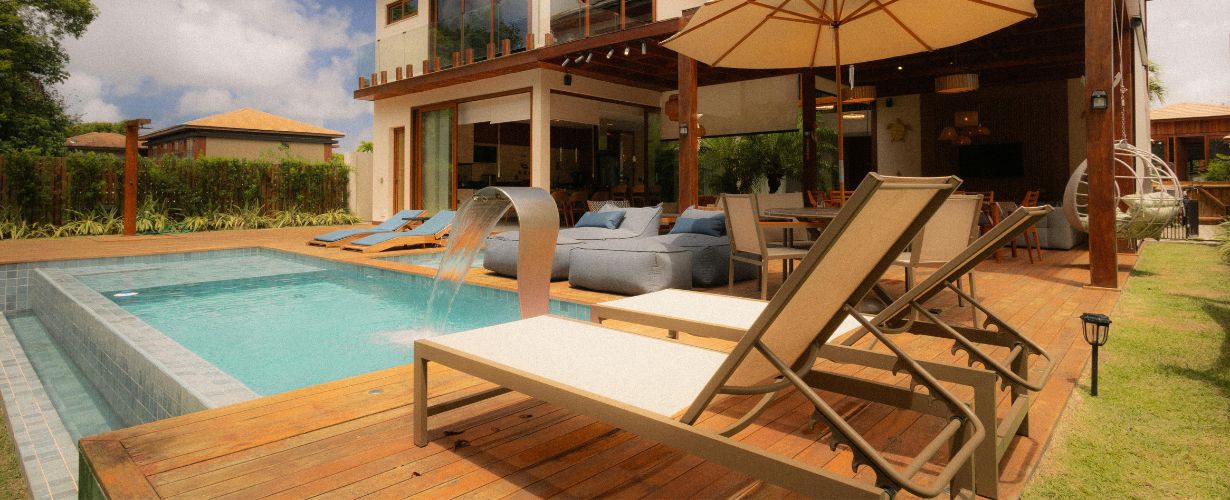
Here’s something the pool industry rarely talks about: traditional pools use a lot of energy. On average, a pool pump can use as much electricity as running your air conditioner non-stop. And those chemicals in the water? A little chlorine can still be strong enough to raise questions about what’s evaporating into the Boca Raton sky.
Data shows that backyard pools are among the biggest energy users in Florida homes, yet most buyers aren’t given clear information about how much energy they’ll actually use.
Thiago Machado, who has been building pools across South Florida for 15 years, explained it to me over coffee: “People think we just dig holes and fill them with water. But what we’re really creating are ecosystems. The key is whether those ecosystems work with nature or against it.” And that difference is more important than most people realize.
Eco-friendly pool design isn’t about giving up—it’s about being smart. It’s realizing that the same Florida sun shining over Parkland and West Palm Beach—the reason homeowners crave a cool backyard pool—can power every pump, filter, and light in that pool.
Today’s solar heating systems are far more advanced than the old versions. Modern panels blend seamlessly with your home’s design while delivering real energy savings. Variable-speed pumps, which adjust their power based on actual demand instead of running full blast all the time, can cut energy use by up to 75%, according to the Department of Energy.
LED pool lights have also come a long way. Once a pricey option, they now use 80% less energy than traditional lights and last five times longer. But the best part? These upgrades don’t feel like compromises. Water stays clearer, equipment runs quieter, and maintenance becomes easier.
With these smart choices, the only thing you give up is the guilt.
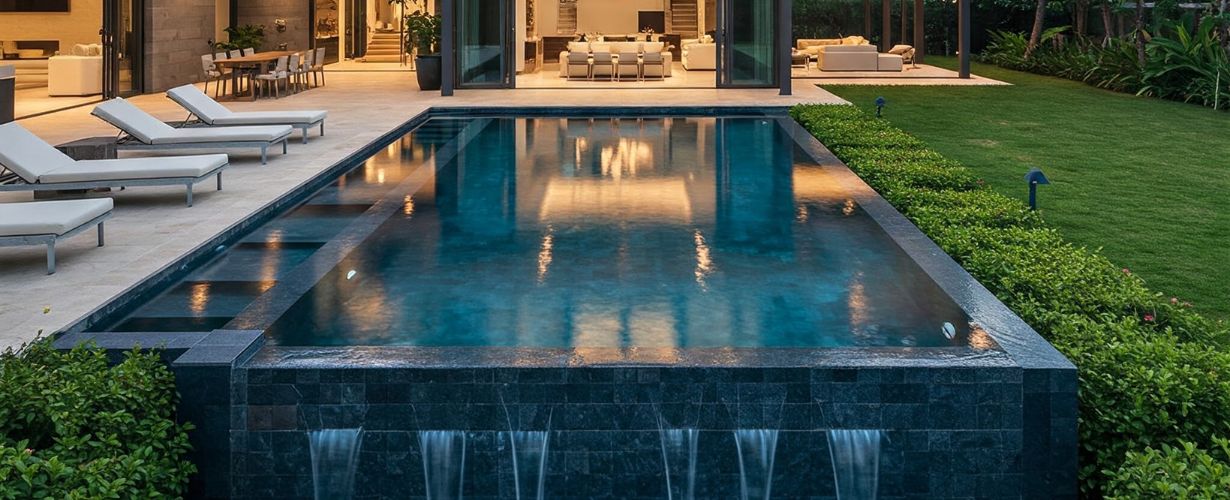
Natural filtration systems are changing pool design more than anything since chemical treatments became standard. Instead of relying on chemicals, these systems use nature itself—beneficial bacteria, plants, and certain types of algae—to keep water clean and clear.
Picture a regeneration zone acting like a water garden, where native Florida plants create a natural buffer between the pool and what feels like a spring. It looks more like landscape art than a traditional pool system, but it keeps the water crystal clear without harsh chemicals.
No chlorine smell. No red, irritated eyes. No chemical fumes in the summer air. While the upfront cost is about 20% higher than conventional pools, monthly maintenance costs drop sharply—sometimes even eliminating chemical expenses.
Over a typical 20-year ownership, especially in West Palm Beach, that cost difference makes natural filtration systems a smart and sustainable choice.
The saltwater revolution happened quietly in communities from Celebration to South Florida. One generation had chlorine pools; the next adopted salt systems as the sophisticated choice. But here’s what actually changed: saltwater chlorination—where salt cells generate chlorine naturally from dissolved salt—eliminates harsh chemical additions while creating water that feels softer, looks clearer, and requires dramatically less maintenance.
The salt concentration registers lower than human tears. You won’t taste it. Children won’t emerge looking pickled. But the system maintains consistent sanitation, day after day, converting salt to chlorine and back again in an endless, elegant cycle.
Materials matter too. Natural stone coping. Recycled glass tiles that shimmer like Caribbean water. Decking made from reclaimed wood or permeable pavers that let rainwater return to the aquifer instead of rushing into storm drains. These aren’t just eco-friendly choices—they’re materials that age beautifully, that develop character, that make pools look better in ten years than on installation day.
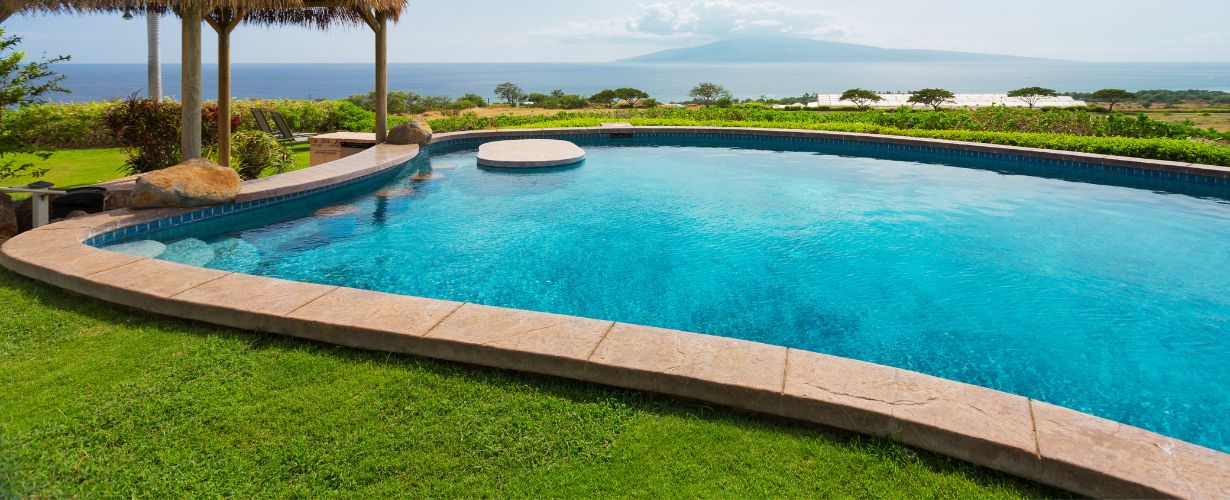
Every sprinkler system in Boca Raton is quietly battling the weather. Traditional pool landscaping—those thirsty exotic plants and the perfectly green St. Augustine grass—needs constant watering, chemical fertilizers, and careful pest control for properties across West Palm Beach and Parkland. It’s costly, tiring, and often unnecessary.
Native Florida plants are naturally suited to this climate. Coontie palms, Simpson’s stopper, beach sunflowers, and pink-fall muhly grass don’t just survive without extra watering—they flourish. Their roots help prevent erosion, their blooms attract pollinators, and they grow into natural privacy screens that get better with time instead of needing constant trimming.
The key is a mindset shift: think of your pool area as a “native habitat with a pool” rather than a “pool surrounded by plants.” Working with nature instead of against it lowers maintenance costs and creates lasting beauty through every season.
Florida is full of pools, yet water conservation is becoming a big concern. Pool covers can cut evaporation by up to 95%. In Boca Raton’s climate, that can save thousands of gallons of water each month. Still, many people didn’t use them because early covers were bulky and unattractive.
Automatic pool covers changed that. With the push of a button, the pool is covered. Water stays warmer, cleaner, and doesn’t just evaporate away. The cover also keeps out leaves and debris, which reduces filter use and saves energy. One small change leads to multiple benefits.
Rainwater harvesting systems can collect water from roofs for pool top-ups and garden irrigation. Smart controllers track the weather and adjust watering schedules automatically. Drip irrigation sends water straight to the plant roots, rather than spraying it into the air. These aren’t just ideas—they are proven solutions that save money and protect water.
Traditional pools can start to feel like a burden once the reality of upkeep sets in. Balancing chemicals constantly becomes tiresome. Utility bills keep piling up. And knowing the environmental impact can make conversations about conservation feel uncomfortable.
Eco-friendly pool designs work in the opposite way. Energy costs go down permanently. Maintenance is easier. Water usage decreases. Even though sustainable systems often cost 15–20% more upfront, that investment usually pays for itself within 3–5 years—and adds real value to properties across South Florida and Celebration.
Real estate data shows the trend clearly: buyers in West Palm Beach aren’t just interested in sustainable features—they expect them. Eco-friendly pools have moved from being optional extras to must-have amenities, making them a true aspiration for today’s homeowners.
The most important decisions happen at the very start of the design process. Every choice you make now adds up over time. Choosing solar heating today means decades of energy savings. Picking a variable-speed pump affects your electricity bills for the life of your system. Adding native landscaping from the beginning creates ecosystems that grow into something truly special.
At Epic Watershapes, we focus on this integrated approach—designing sustainability into every project from the ground up. Doing it right from the start is always cheaper than trying to fix it later.
Consultation is key. You need designers who understand both engineering and ecology, who can show you how certain choices build long-term benefits while others lead to costly mistakes. Professionals who know which Florida native plants thrive in poolside microclimates. Experts who have installed enough solar systems to accurately predict your payback timeline.
This isn’t just about digging and installing equipment. It’s about working with people who plan for decades, not just the next installation.
Something feels different when you swim in an eco-friendly pool. It might be knowing the water is cleaned using energy from the same sun warming your skin. It might be the fresh air, without the strong smell of chlorine. Or it could be seeing butterflies around the pool, drawn to plants that naturally belong in the area.
Or maybe it’s even simpler than that. It’s pride. A calm, satisfying feeling that your comfort doesn’t harm the planet. That future generations can enjoy clean water too. That you’ve created something beautiful without taking away from nature.
Your Boca Raton home—whether in West Palm Beach, Celebration, or anywhere in South Florida—deserves smart, sustainable design. Your family deserves water that supports health instead of harming it. This kind of pool pays off over time, saving money while offering clearer water, easier care, and peace of mind.
Eco-friendly pool design has already proven it works. The real question is whether you’re ready to build something that gets better over time, instead of needing more effort and resources each year.
More and more homeowners across South Florida are choosing this path. You can see it in brighter water, quieter systems, natural landscapes, and families who swim more comfortably and worry less.
About the Author:
Henry Pierce is co-owner of aquaelitepool.com, and he brings 15+ years in luxury construction expertise to Aqua Elite Pool, combining engineering precision with designs that transform ordinary spaces into environments where families naturally gather and memories happen. When he’s not building pools, he spends time with his family, reading good books or playing tennis.
Get Your Custom Pool & Spa Quote
Free 3D design and Financing options.