
Imagine stepping outside one quiet morning with a cup of coffee. The sun is just coming up over West Palm Beach or Parkland, and you’re seeing your finished pool clearly for the first time. Not as a project that’s finally done but as something that truly belongs to your home.
The feeling surprises you. It’s not just about having a pool. It’s about the way the early light reflects off the tiles along the water’s edge. Even when the water is calm, the tiles catch the light and gently shine. The color you chose months ago suddenly feels like the right choice, perfectly fitting the light, the landscaping, and your little corner of South Florida.
That’s what the right pool tile choices do in 2026. They bring your ideas to life. They turn a picture in your mind into something real something your family can enjoy, swim in, and make memories around.
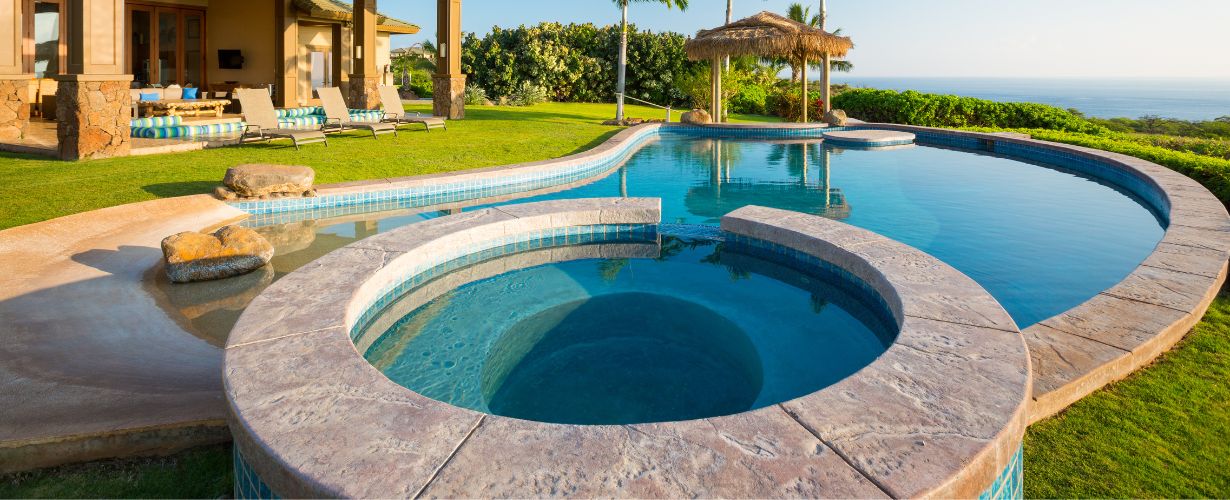
Pool tile choices used to be simple blue or white, square or rectangular, job done.
But as backyards turned into true outdoor living spaces, tile started to matter more. It became a key design feature, not just a finishing touch. Today, the right tile can turn a basic pool into a space that feels special more like a retreat than just a place to swim.
Homeowners investing in high-quality outdoor areas now see tile as one of the most important parts of pool design. In many cases, it makes a stronger impression than the pool’s shape and is often remembered more than its size. That’s because tile is always on display. It catches the light at sunset, frames every swim, and appears in family photos year after year.
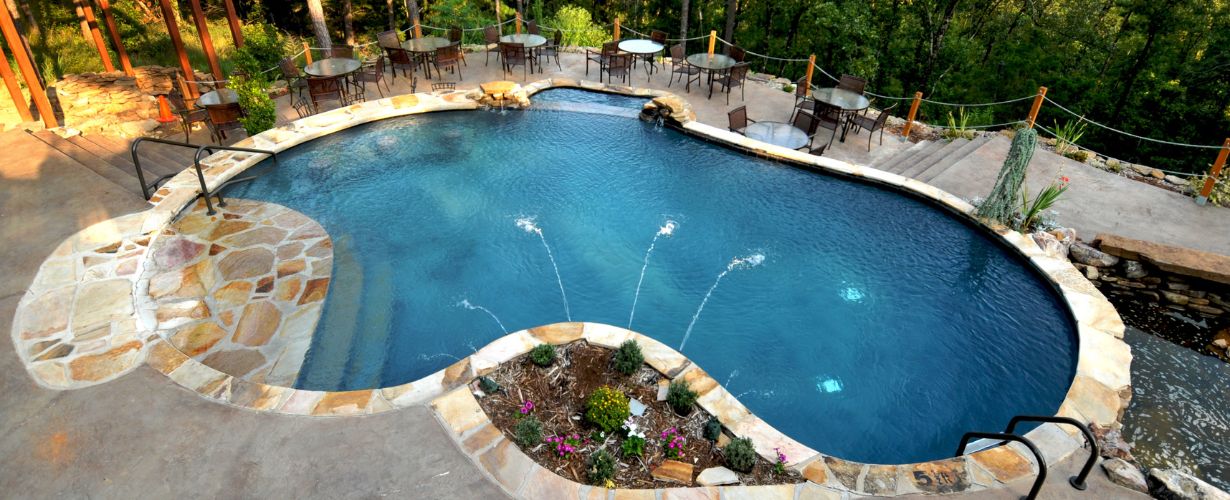
Walk through luxury pools in areas like Fort Lauderdale, Celebration, or Boca Raton, and one thing stands out right away: a soft, elegant shimmer you didn’t see in older pool designs.
This isn’t the flashy, glittery look from decades ago. Today’s pools use a much more refined style. Metallic tiles are designed to reflect light the same way water naturally does. You’ll see gentle bronze hints in light porcelain, soft silver lines in gray stone, and warm copper tones that subtly change as the day moves from morning to sunset.
During the day, the pool looks calm and modern, with cool shades of gray and silver that suit contemporary homes. As the sun lowers in the afternoon, those tones slowly warm up, giving the water a soft glow that feels inviting and elegant rather than bold or dramatic.
This effect comes from something called iridescent glazing. These tiles are made with special finishes that change slightly depending on the light and the angle you view them from. The result is a pool that looks beautiful at every hour, not just at sunset.
These finishes pair perfectly with modern homes clean lines, neutral colors, and large windows. They help the pool feel like a natural extension of the home, connecting indoor and outdoor spaces without looking repetitive or overdesigned.
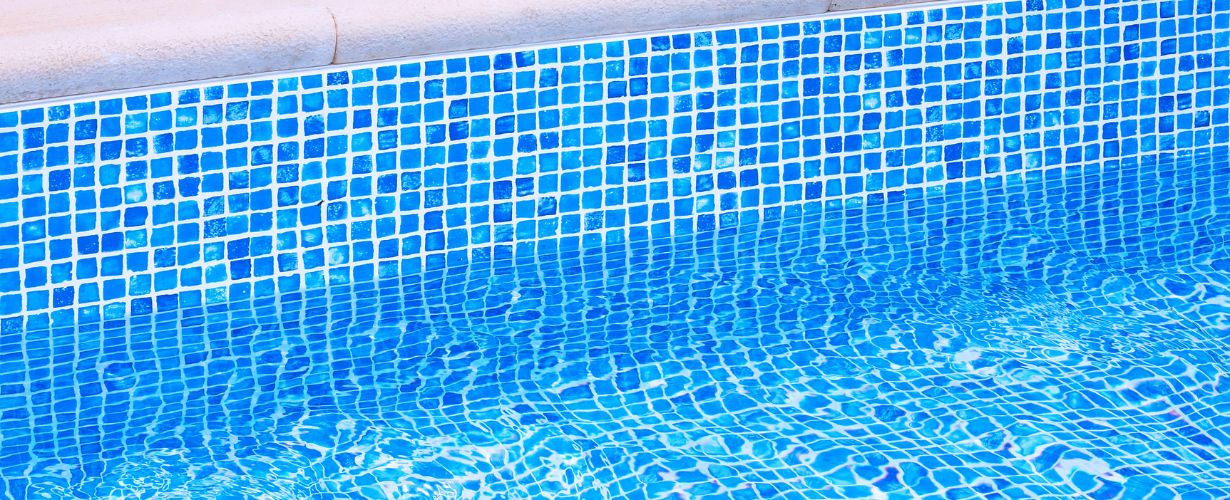
One thing that surprises people about glass pool tiles when they see them up close is how they make water look deeper than it really is. The tiles’ transparency lets light pass through and bend in ways that regular tiles can’t. Scientists might call it “enhanced water clarity,” but most homeowners just think of it as “that amazing blue we saw on holiday.”
The latest trend in 2026 isn’t that glass tiles are new they’ve been around for years but that they’re being used in smarter, more creative ways. Instead of covering every surface, designers now use glass tiles as accents: a sparkling border at the waterline, a striking wall behind a waterfall, or steps that seem to glow as you enter the pool.
Installing glass tiles does need extra skill. They require special mortars, unique grouting methods, and careful handling while curing. But for families who want a pool that truly stands out, that extra care is worth it because glass tiles can create effects that standard tiles simply can’t match.
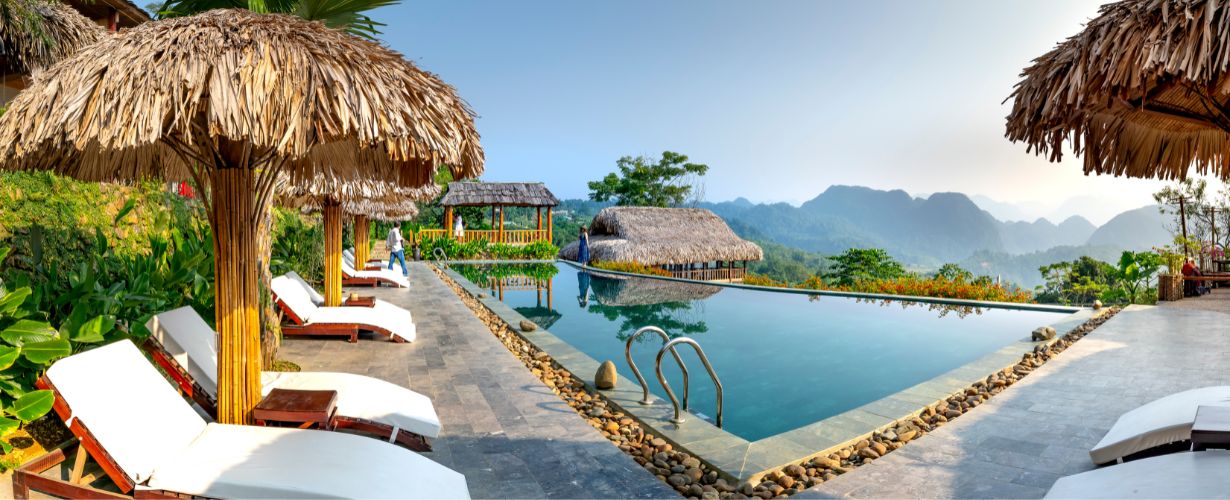
A strong trend against shiny metals and glass is the move back to materials that feel timeless as if they’ve always been part of the landscape.
Natural stone finishes, or high-quality porcelain that looks just like stone, give pools a different kind of appeal. They suggest permanence, history, and a sense that the pool grows naturally from the land rather than being placed on it.
Think travertine tones, slate textures, or river rock patterns. These aren’t the old, rough stone tiles from the early 2000s. Modern manufacturing makes stone-look porcelain that is stronger, more reliable, and often more affordable than real stone while still keeping that natural, uneven look that makes stone so attractive.
Imagine a home in Celebration overlooking protected wetlands. A pool finished with travertine-style tiles blends beautifully with the surroundings. Soft beiges, tans, and natural textures help the pool feel like it belongs to the landscape. Standing in it, you see harmony with the natural Florida scenery not something artificial added, but something that feels like it’s always been there.
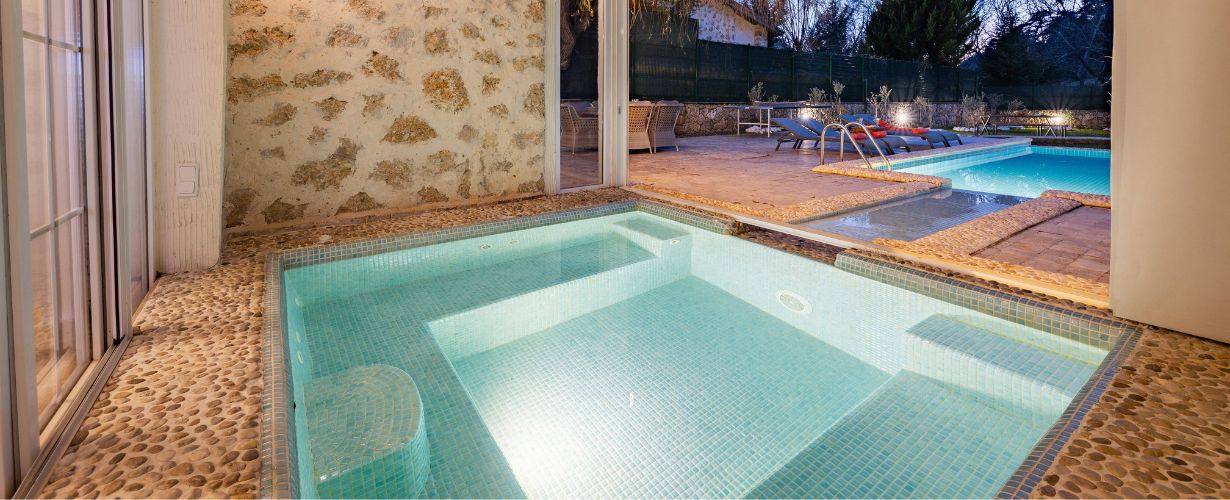
Over the past ten years, interior design has shown us one key lesson: the shapes and patterns we use strongly influence how we feel in a space.
Think of subway tiles in kitchens, herringbone floors in bathrooms, or hexagonal backsplashes in restaurants. That same understanding now applies to pool design in Parkland.
Long, narrow tiles called linear tiles can change how a pool feels. Placed horizontally, they make a pool look wider and more open. Placed vertically, they guide the eye upward, making shallow areas seem deeper.
Hexagonal tiles, especially smaller ones, form honeycomb-like patterns that feel modern but timeless. They work well in spas or on pool steps, naturally defining areas without extra design.
Chevron and herringbone patterns add elegance without being too busy. They’re interesting enough to notice but subtle enough to feel calm details that enhance the pool experience without demanding constant attention.
A practical perk of geometric tiles: they hide small installation imperfections better than large tiles. The pattern disguises tiny variations, giving a handcrafted, artisanal look instead of a mass-produced feel.
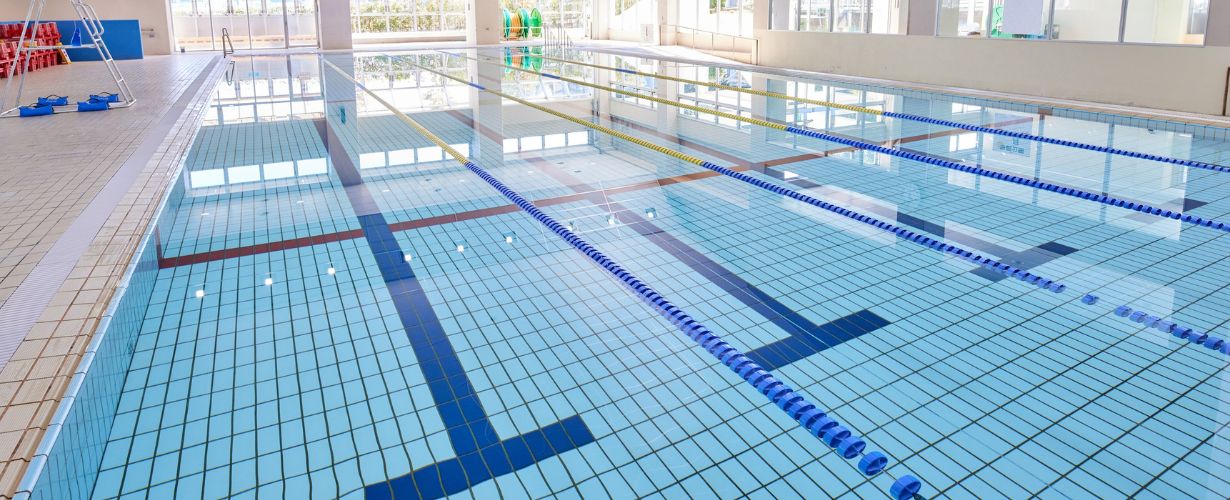
For a long time, pool tiles were almost always blue Caribbean blue, cobalt, navy. Blue meant “pool,” and that was that.
But research in color psychology shows that we don’t actually need blue to recognize a pool. Its shape, reflections, and movement tell our brains it’s water, no matter the tile color.
This opens up exciting design possibilities. Warm neutrals like creams, soft tans, and sandy beiges can give your pool a Mediterranean resort feel, especially when paired with terracotta pavers or Florida-style landscaping. They also hold heat better than lighter colors, letting you enjoy the pool for longer each season.
Cool grays and charcoals offer a sleek, modern look, similar to infinity-edge pools, without the upkeep headaches of pure white tiles. They hide stains, show fewer chemical marks, and contrast beautifully with bright pool accessories and furniture.
Even soft greens sage, eucalyptus, or seafoam are becoming popular for creating a natural lagoon vibe without going fully natural.
The point isn’t to ditch blue completely it’s about realizing blue is just one option. The best choice depends on your home’s style, landscaping colors, and the mood you want your pool area to have.
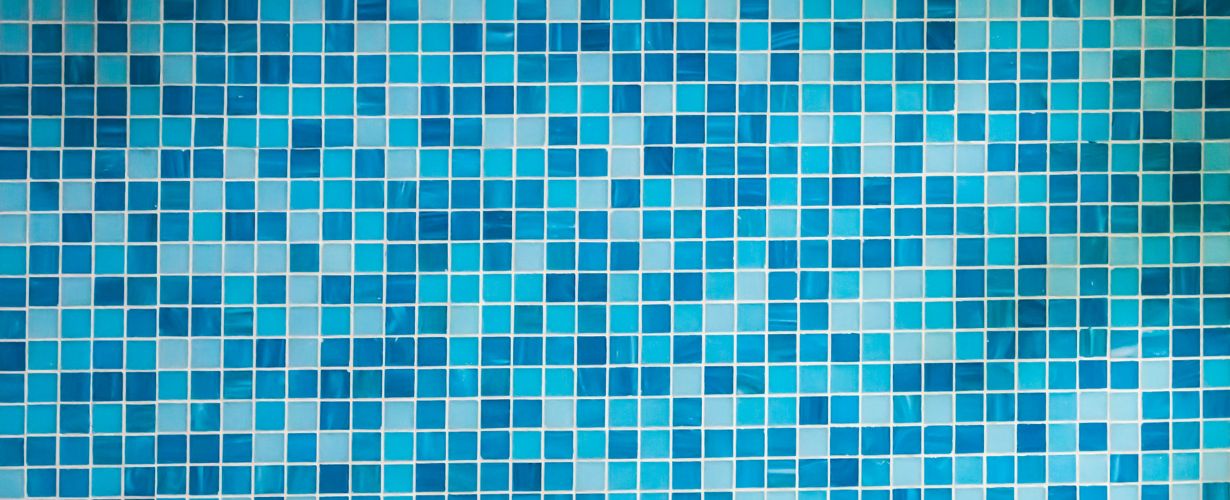
The most exciting trend in tiles isn’t always the tiles themselves it’s what designers and artists are doing with them.
Custom mosaics, which are true works of art, are taking pool and home design to a whole new level. These aren’t the typical resort-style dolphin mosaics. Instead, they are carefully crafted creations: abstract designs, family crests, nautical compasses, or even commissioned artwork turned into permanent tile features.
Creating these mosaics takes time, skill, and investment. A professional mosaic artist might spend weeks on a single piece. But the end result is completely unique something no one else can copy and that truly reflects your family’s style in ways ordinary tiles can’t.
Even smaller mosaic touches, like a medallion at the deepest point of the pool or a decorative border along benches, bring extra elegance and detail. These thoughtful accents lift the entire project, giving it a refined, sophisticated look that standard materials just can’t achieve.
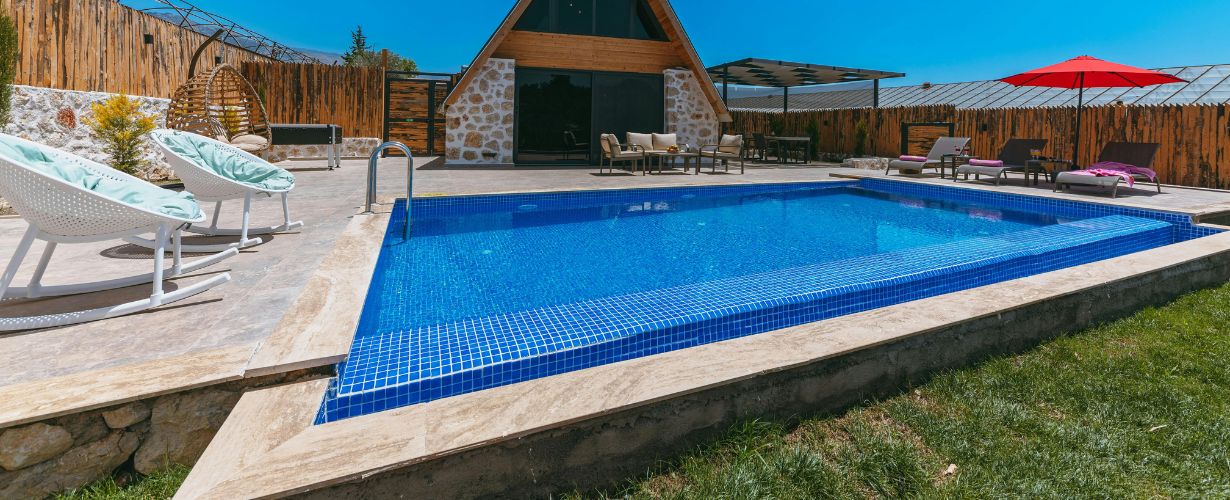
Before choosing any tile, it’s important to think about how it will actually perform in real life.
Surface texture matters. Glass tiles are smooth and easy to clean, but they can get slippery when wet. Textured porcelain gives better grip but can trap algae more easily. The right option depends on who will use the pool and how often.
Installation varies. Large tiles go down faster but need a perfectly flat base. Small mosaic tiles can handle slight unevenness in the surface, but they take more care to line up correctly.
Maintenance is different for each type. Light-colored tiles show stains and chemical marks more easily. Textured tiles need stronger cleaning. Glass tiles require special cleaners to stay clear and shiny over time.
South Florida conditions matter. The strong sun, high humidity, and occasional cold snaps all affect how tiles hold up over the years.
The “best” tile isn’t always the one that looks the prettiest in the showroom. It’s the one that will still look great after five years of real use in Boca Raton or West Palm Beach.
Premium tile work costs more than basic options sometimes a lot more. But families who’ve gone through these projects often say the same thing: they’re glad they spent extra on tile rather than cutting corners.
Unlike pool equipment that wears out or pool finishes that need resurfacing, tile is essentially permanent. When installed correctly, high-quality tile can last longer than the pool itself. It’s one design choice you won’t ever have to redo.
High-end tile also adds real value to your home. Real estate experts note that luxury tile looks amazing in photos and helps a property stand out, especially in competitive areas like Boca Raton and Parkland.
The effect goes beyond just the tile. Beautiful tile makes everything around it look better the coping, the decking, even the landscaping. It lifts the entire project’s appearance in ways that cheaper alternatives simply can’t match.
If you’re planning a pool or a renovation, here’s the key idea: choosing the right tile isn’t just about following trends.
It’s about turning feelings into reality. Think about the mood you want when stepping outside with your morning coffee. What do you want your guests to notice or not notice? What moments will your family remember in photos twenty years from now?
The answers to these questions guide everything else. The materials, colors, and patterns are just tools to express something personal and meaningful.
Picture yourself at your finished pool on a quiet morning, watching the light dance across your tiles. This isn’t about impressing neighbors or copying magazine photos it’s about creating a space your family will use, love, and remember. The tiles are simply how you tell that story.
That’s what the best pool tile trends of 2026 are really about: not rules to follow, but ideas to explore. Tools for creating a space that’s felt in swimming, captured in photos, and cherished for years.
Your pool will hold your family’s memories, and your tiles will help shape how those memories are remembered.
About the Author:
Henry Pierce is co-owner of aquaelitepool.com, and he brings 15+ years in luxury construction expertise to Aqua Elite Pool, combining engineering precision with designs that transform ordinary spaces into environments where families naturally gather and memories happen. When he’s not building pools, he spends time with his family, reading good books or playing tennis.
Get Your Custom Pool & Spa Quote
Free 3D design and Financing options.