How Wind Affects Pool Maintenance
If you own a pool in South Florida, you already know the wind never really takes a day off. Breezy mornings, afternoon gusts, and hurricane-season storms are just part of life here in Boca Raton and West Palm Beach. But what most pool owners don’t realise is that wind is one of the sneakiest reasons their pool water turns cloudy, their chemical costs go up, and their maintenance becomes a never-ending chore.
This guide breaks down exactly how wind messes with your pool and the smart, simple steps you can take to stay ahead of it.
Why Wind Is a Bigger Deal Than You Think
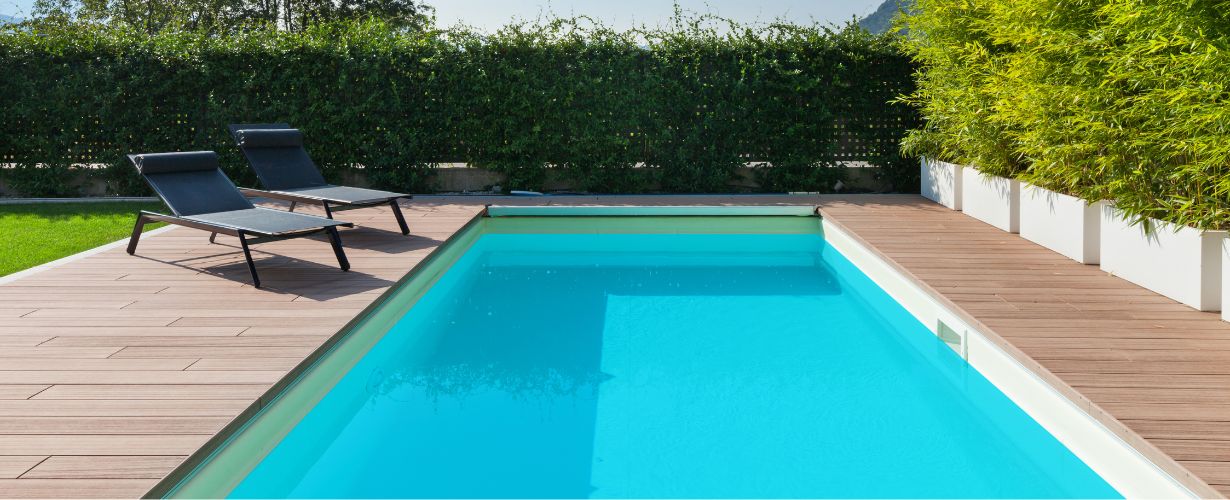
Most people blame rain or heavy pool use when their water gets off-balance. But wind is often the real culprit. It works against your pool in multiple ways at the same time, and the effects add up fast.
Here’s what wind is actually doing to your pool every single day:
1. Wind Speeds Up Water Evaporation
Wind moving across the surface of your pool pulls moisture right out of the water. This is called evaporative loss, and in South Florida’s heat and wind combo, a pool can lose 1 to 2 inches of water per week, sometimes more.
When water evaporates, it doesn’t take the chemicals with it. That means your chlorine, pH, and alkalinity levels get more concentrated in what’s left. This throws off your water balance and can lead to eye irritation, cloudy water, and scaling on your pool walls.
What to do: Check your water level every week. If it drops more than an inch between rainfalls, wind evaporation is likely the cause. A pool cover on breezy nights can cut evaporation by up to 70%.
2. Wind Blows Debris Into Your Pool
This one is obvious, but the damage it causes goes deeper than you’d think. Leaves, grass clippings, dirt, pollen, and insects all land in your pool when the wind picks up. Once they’re in the water, they start breaking down, and that process uses up your chlorine fast.
Organic debris is one of the top causes of chlorine demand, which means your pool is burning through sanitiser just to keep up with the contamination. You end up adding more chlorine more often, which costs more money and still leaves you with murky water if you fall behind.
What to do: Run your pool skimmer daily during windy stretches. Clean your filter more frequently and consider adding a robotic pool cleaner that works along the bottom and walls where settled debris collects.
3. Wind Disrupts Chemical Balance
Wind doesn’t just bring debris; it also brings dust, salt air, and microscopic particles that land in your pool water. In coastal areas like Boca Raton, salt-laden air is a constant presence, and it changes your water chemistry whether you realise it or not.
Beyond what the wind deposits, the evaporation it causes also throws off your pH, total alkalinity, and calcium hardness. These three values work together to keep your water comfortable and protect your pool surfaces. When they’re out of range, you get:
- Cloudy or green water
- Scaling on pool walls and equipment
- Corrosion of metal parts
- Skin and eye irritation for swimmers
What to do: Test your pool water at least twice a week during windy seasons. Don’t wait until the water looks wrong. Chemical imbalance often starts before you can see it.
4. Wind Affects Your Pool's Circulation System
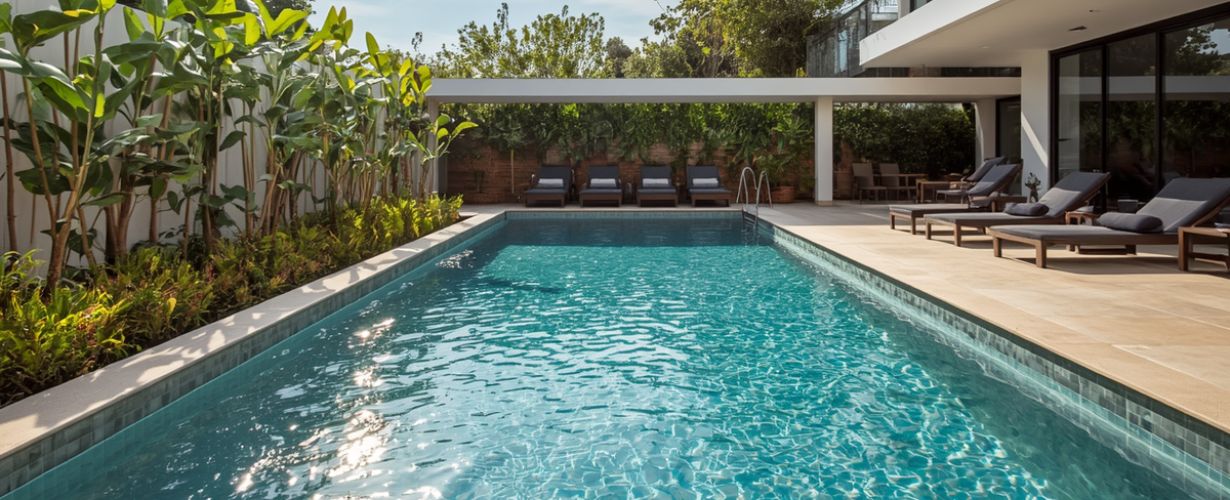
Strong winds can pull your water surface in one direction, which actually reduces the effectiveness of your skimmer. The skimmer works best when it draws water from the surface, where oils, sunscreen, and fine debris float. If wind is pushing that layer towards one side of the pool, the skimmer on the other side isn’t catching much.
This means debris and contaminants sit in your pool longer, giving them more time to break down and stress your chemical levels.
What to do: If your pool allows for it, adjust your return jets (the ones that push water back into the pool) to work against the wind direction. This helps push surface debris towards your skimmer instead of away from it.
5. Wind Carries Algae Spores Into Your Pool
Algae doesn’t just appear from nowhere. The spores that cause algae blooms are carried through the air, and wind is how they end up in your pool. Once algae spores land in water with low chlorine levels or poor circulation, they start growing fast.
South Florida’s warm water temperatures make algae growth even quicker. A pool that’s just slightly under-chlorinated after a windy day can turn green within 48 hours.
What to do: After heavy wind events, shock your pool with a high dose of chlorine to knock out any spores before they take hold. Make sure your pump runs long enough each day to circulate all the water at least once, usually 8 to 10 hours for a standard residential pool.
Wind vs. Pool Maintenance
| Wind Effect | What It Causes | How to Fix It |
|---|---|---|
| Increased evaporation | Rising chemical concentration, low water level | Use a pool cover; check water level weekly |
| Debris blown into pool | Chlorine demand, clogged filter | Skim daily; clean filter more often |
| Salt and dust deposits | pH and alkalinity imbalance | Test water 2x per week; adjust chemicals |
| Poor skimmer performance | Debris sits longer in water | Adjust return jets to push towards the skimmer |
| Airborne algae spores | Fast algae blooms | Shock after windy days; run pump 8–10 hrs/day |
| Accelerated surface scaling | Rough, stained pool walls | Monitor calcium hardness and resurface if needed |
The South Florida Wind Problem Is Real
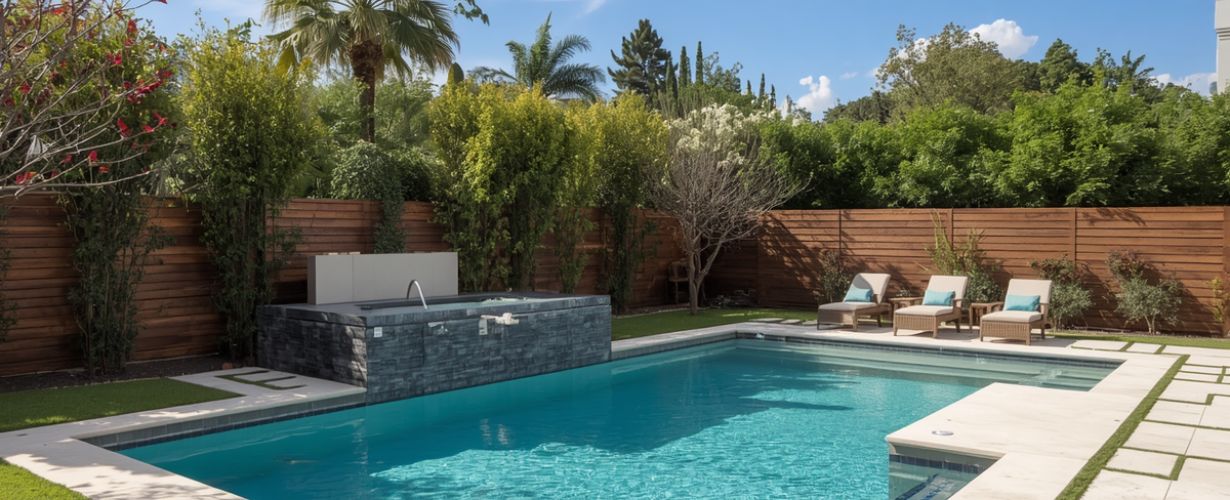
Living in Palm Beach County means dealing with trade winds nearly year-round. Add in afternoon sea breezes, tropical systems, and the occasional named storm, and your pool is under constant wind stress. This is why South Florida pools need more attention than pools in calmer climates.
It’s also why pool construction details matter. A pool built with the right equipment, smart circulation, quality filtration, and the right placement of return jets and skimmers handles wind stress much better than a basic build. At Epic Watershapes, every pool we design in Boca Raton and the surrounding areas accounts for real local conditions, not just the textbook stuff.
How Pool Design Can Reduce Wind Damage
If you’re building a new pool or remodeling an existing one, there are design choices that reduce how much wind affects your water and maintenance costs.
- Wind-blocking landscaping: Hedges, fences, and pergolas around your pool area don’t just add privacy. They reduce wind speed at the water surface, which cuts evaporation and debris dramatically. A well-placed pergola can make a real difference in how often you’re fighting cloudy water.
- Automation systems: Smart pool systems can monitor your water chemistry and adjust circulation automatically. When wind picks up and conditions change, your system responds even if you’re not home.
- Quality filtration: A high-performance filter handles debris surges better. After a windy day, a weak filter gets overwhelmed and water quality drops. Upgrading your filtration is one of the best investments a South Florida pool owner can make.
- Pool covers: Even a basic solar cover can cut your evaporation losses and keep airborne debris out overnight. For pools used seasonally or during vacation periods, a cover is a must.
Conclusion
Wind might be a constant, silent force in South Florida, but it does not have to dictate your weekend plans or skyrocket your pool chemical budget. By understanding how a simple breeze accelerates evaporation, shifts your water chemistry, and introduces algae spores, you can swap reactive, frustrating skimming for proactive pool protection. Small changes like setting your filtration timers to run during windy afternoon hours, testing your pH twice a week, and utilising strategic windbreaks will keep your pool crystal clear year-round.
Ultimately, the best defence against the coastal elements starts with the structure and layout of your pool area itself. If you are tired of fighting an uphill battle against Mother Nature, looking at your pool’s foundational circulation design, filtration performance, and surrounding landscape features can change everything.
If you want to transform your backyard into a low-maintenance paradise, feel free to contact us today at Epic Watershapes. We can help you build a smarter, wind-resistant pool setup tailored specifically for the unique coastal climate of South Florida.