How Much Does It Cost to Resurface a Concrete Pool? A Complete 2026 Guide
A private swimming pool is the ultimate addition to any home. It provides a sanctuary for relaxation, a hub for family exercise, and the perfect backdrop for making lifelong memories. However, every aquatic masterpiece requires consistent care to maintain its brilliance. When a concrete pool begins to feel like sandpaper on your feet or shows visible signs of staining and cracking, resurfacing becomes a vital necessity.
This guide explores everything you need to know about the cost to resurface a concrete pool in 2026. We will examine the latest material trends, current labour rates, and professional strategies to help you maximise your investment while achieving a flawless finish.
What is Pool Resurfacing?
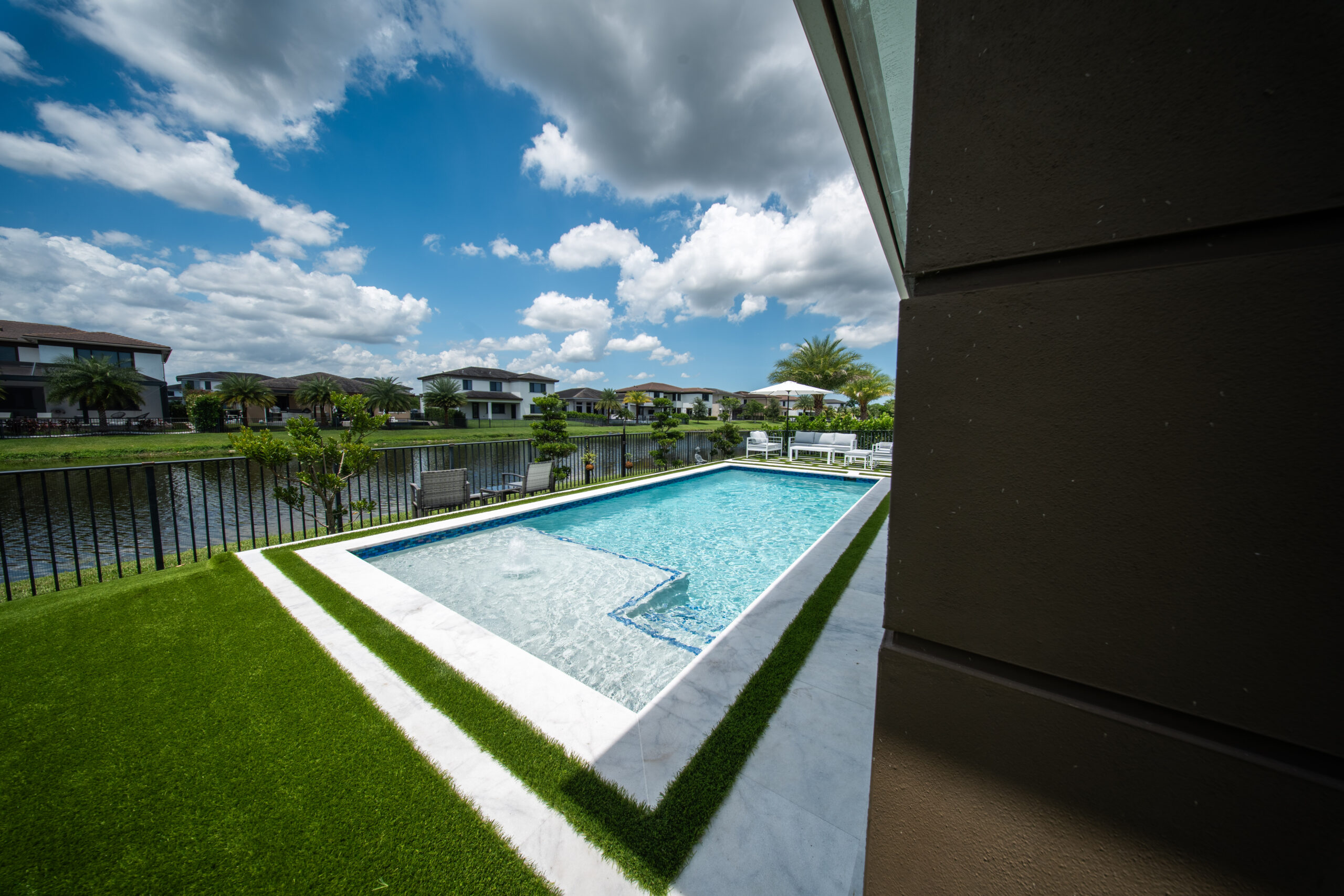
Before diving into the numbers, it is important to understand what resurfacing actually is. Concrete pools (often called gunite or shotcrete pools) are usually finished with a protective layer of plaster, pebble, or tile.
Over time, the chemicals in the water and the heat from the sun wear down this top layer. This can lead to a sandpaper feel on the floor or even structural leaks. Resurfacing involves removing the old, damaged finish and applying a fresh new layer. This not only makes the pool look brand new but also protects the structural concrete shell and prevents expensive water loss.
Average Cost Overview for 2026
On average, most homeowners in 2026 spend between $6,500 and $15,000 to resurface a standard-sized backyard pool (roughly 15,000 to 20,000 gallons). However, the price can change based on the size of your pool, your location, and the specific finish you choose.
Quick Cost Breakdown by Material
| Material Type | Estimated Cost (Standard Pool) | Expected Lifespan | Maintenance Level |
|---|---|---|---|
| Standard White Plaster | $5,500 – $8,500 | 5–10 Years | High |
| Quartz Aggregate | $8,000 – $13,000 | 10–15 Years | Medium |
| Pebble Finishes | $10,000 – $20,000 | 15–25 Years | Low |
| Glass Bead Infusion | $13,000 – $24,000 | 20+ Years | Low |
| Full Luxury Tile | $35,000 – $60,000 | 20–30+ Years | Very Low |
Detailed Factors That Influence Your Quote
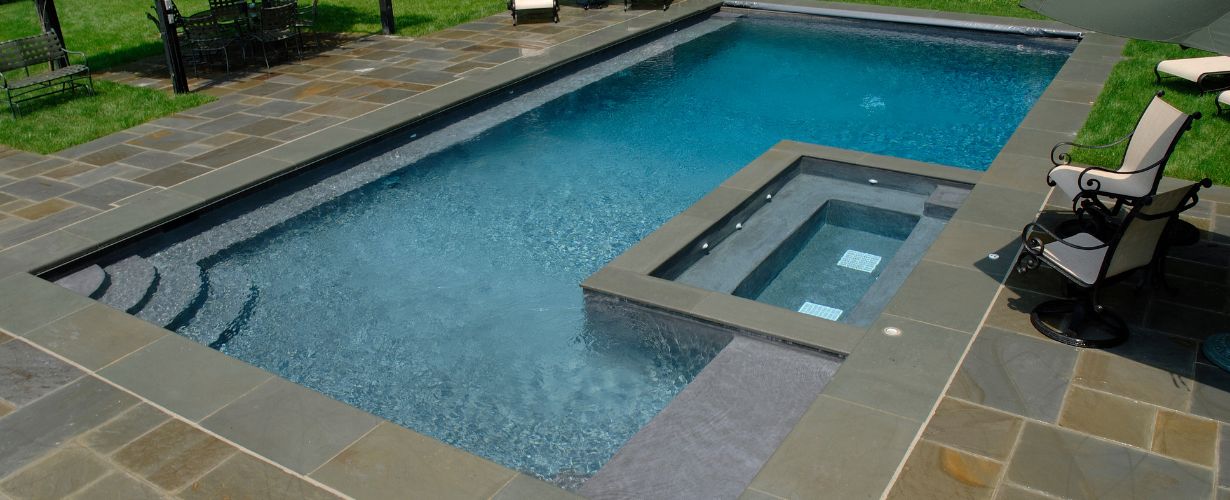
When you receive a quote from a swimming pool contractor, they look at several different factors. Understanding these can help you plan your budget more effectively and avoid sticker shock.
1. Pool Size, Shape, and Depth
The most obvious factor is the total square footage of the pool’s interior. Contractors do not just measure the surface of the water; they measure the walls and floor.
- Deep Ends: If your pool has an 8-foot deep end, it requires significantly more material than a 4-foot deep play pool.
- Complex Shapes: Geometric pools (rectangles) are easier to measure and finish. Freeform or kidney-shaped pools require more hand trowelling and detail work, which increases labour costs.
2. The Choice of Material (The "Big Variable")
The material you pick is the biggest factor in your final bill.
- Plaster (Marcite): This is the classic choice. It is a mix of white cement and crushed marble. It is smooth and bright, but it is sensitive to water chemistry. If your pH is off, plaster will stain or pit quickly.
- Pebble Finishes: These are the gold standard in 2026. Using brands like PebbleTec, these finishes use small, polished river stones. They are naturally resistant to pool chemicals and provide a non-slip surface that looks like a high-end resort.
- Quartz: Think of this as upgraded plaster. By adding hard quartz crystals to the mix, the surface becomes tougher and less likely to stain.
3. Preparation and Hidden Repairs
Before the new surface can go on, the old one must be prepared.
- The Chip-Out: Workers use jackhammers to remove the old plaster. This labour is almost always included in the base price, but if you have multiple layers of old plaster, it may cost more.
- Bond Beam Repair: If the concrete at the top of the pool (where the tile meets the deck) is cracking, it must be fixed.
- Hollow Spots: Sometimes, the plaster pops away from the concrete. These hollow areas must be ground down and patched before the new finish is applied.
4. Waterline Tile and Coping
Most homeowners choose to replace their waterline tile and coping (the stone or brick edge around the pool) during a resurface.
- Why now? Because the pool is already empty. Replacing tile later is difficult and risks damaging the new finish.
- Cost: Modern glass tiles are popular in 2026 but can add $3,000 to $6,000 to the project.
Why You Shouldn't Wait: The Risks of Damaged Surfaces
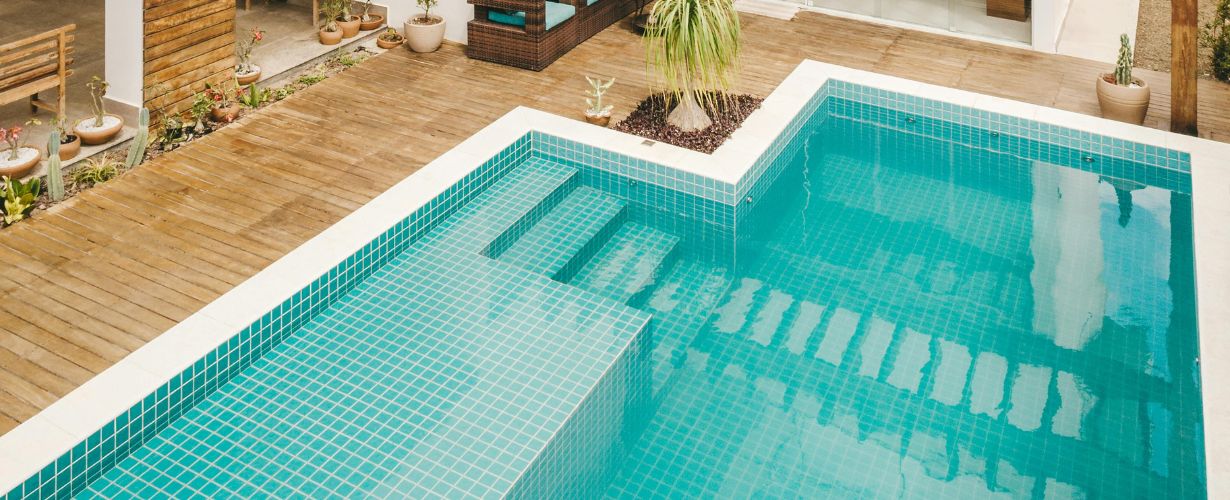
It might be tempting to put off resurfacing for another year, but waiting can actually lead to much higher costs.
- Structural Damage: If the plaster wears thin, water can reach the concrete shell and the steel rebar inside. Once rebar starts to rust, it expands and cracks the concrete. This is called spalling, and it is very expensive to fix.
- Increased Chemical Costs: Old, rough surfaces are porous. They act like a sponge for algae and bacteria. You will find yourself spending twice as much on chlorine and acid just to keep the water clear.
- Safety Hazards: A rough pool floor can cause pool toe (scraped skin) and snag expensive swimmers. In some cases, sharp edges can even cause cuts.
2026 Trends: Custom Aquatic Design
In the current landscape of 2026, pool owners are increasingly viewing their backyards as high-end outdoor rooms, leading to a surge in sophisticated custom aquatic designs. One of the most prominent trends is the shift towards darker water colours, with finishes like midnight blue, forest green, and charcoal grey becoming the top choices for modern renovations. These deep hues create a stunning visual impact, making the pool resemble a serene natural pond or a deep ocean cove rather than a traditional backyard basin. Beyond the aesthetics, these darker finishes offer a significant boost to energy efficiency; by absorbing more heat from the sun, they can help homeowners reduce their pool heating costs by as much as 15% to 20% compared to standard white plaster. Additionally, the resurfacing process is now the primary time for smart technology upgrades, specifically through LED integration. Many owners are taking the opportunity to swap out outdated incandescent bulbs for advanced, colour-changing LED systems that can be adjusted instantly via a smartphone, allowing for complete control over the backyard’s evening ambience.
How to Save Money Without Cutting Corners
Pool resurfacing is a big investment, but you can be smart about your spending.
- The Off-Season Discount: In states like Florida or Utah, pool companies are slammed in the spring. If you can wait until October or November to start your project, you might find lower labour rates or faster start dates.
- Focus on the Interior: If your budget is tight, skip the fancy tile and put your money into a pebble finish. The interior surface is what protects the pool’s structure; the tile is mostly for looks.
- Proper Start-Up Care: Once the pool is finished, the first 30 days are vital. If you brush the pool daily and manage the chemicals perfectly, you can add 5 years to the life of the surface.
Comparison of Annualized Costs
| Material | Initial Cost | Lifespan | Cost Per Year |
|---|---|---|---|
| Plaster | $7,000 | 7 Years | $1,000 / year |
| Pebble | $14,000 | 20 Years | $700 / year |
As you can see, even though pebble costs more upfront, it is actually cheaper over the long run.
The Step-by-Step Resurfacing Process
Knowing what happens in your backyard can help you manage your schedule. Here is the typical timeline for a 2026 pool project:
- Draining: A high-speed pump removes the water. It is important to drain the water into a proper sewer clean-out to avoid flooding the yard.
- Prep Work: This is the loudest part. The crew chips out the old surface and cuts under the tile line.
- Plumbing Check: While the pool is empty, the main drains and returns are inspected and replaced if needed.
- Application: The new material is pumped through a hose and hand-finished by skilled craftsmen. If it is a pebble finish, they will return the next day to wash away the top layer of cement to reveal the stones.
- Refilling: The pool must be filled with water as soon as the finish is ready. Never stop the water until it reaches the middle of the tile line, or it could leave a permanent ring.
Final Thoughts for 2026 Homeowners
Resurfacing your concrete pool is one of the best ways to protect your home’s value and ensure your family has a safe, beautiful place to swim. While the costs range from $6,500 to over $15,000, the investment pays off in lower maintenance, better energy efficiency, and a stunning backyard aesthetic. If you are seeing signs of wear like staining, chalking, water spots, or rough patches, now is the time to start getting quotes. By choosing the right material and a trusted professional, you can enjoy your new pool for the next 20 years.
For more information on luxury pool finishes or to see examples of custom aquatic designs, feel free to explore our latest projects at Epic Water Shapes. We specialise in turning old, tired pools into modern backyard masterpieces. If you are ready to transform your outdoor space, please contact us today to discuss your vision and get a professional estimate for your project.