How Dirty Filters Affect Pool Water Quality
A swimming pool is a great feature for any backyard. It offers a place to relax, exercise, and spend time with family and friends. However, keeping the pool water crystal clear requires effort. The most important piece of equipment for this job is the pool filter.
Many pool owners do not think about their filter until something goes wrong. The filter works behind the scenes to trap dirt, debris, leaves, hair, and tiny particles. When the filter is clean, the water stays clear and safe. But what happens when the filter gets dirty?
A clogged or dirty filter cannot do its job. Over time, a neglected filter changes the water quality and harms your entire pool system. Understanding how dirty filters affect pool water quality will help you keep your pool area perfect all season long.
What a Pool Filter Actually Does
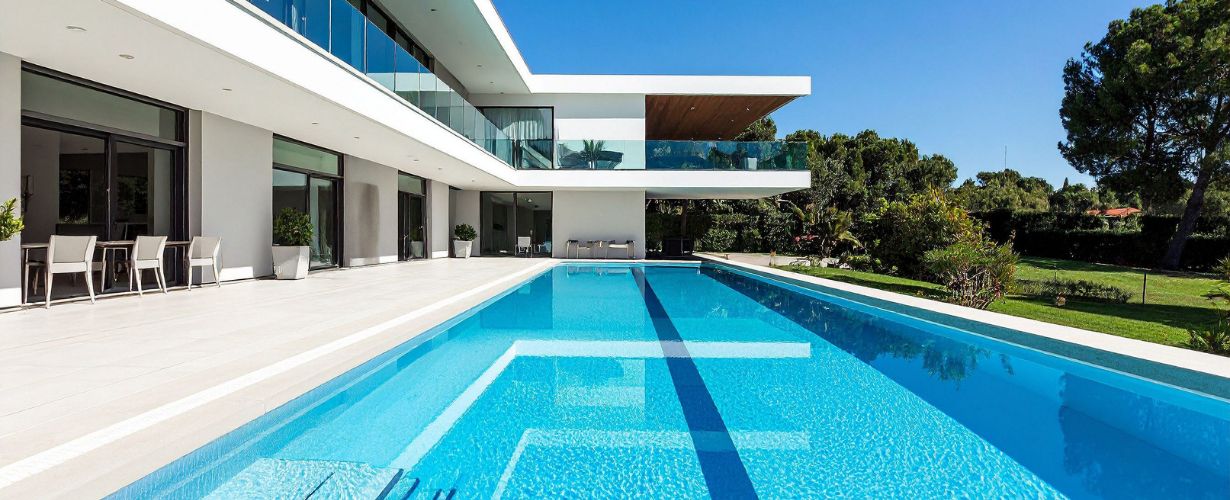
To understand the impact of a dirty filter, you must first know how it works. Your pool pump pushes water through the filter tank. Inside the tank, a filtering medium traps impurities.
There are three main types of pool filters used today:
- Sand Filters: Water passes through special pool sand. The sharp edges of the sand grains trap dirt.
- Cartridge Filters: Water flows through a pleated fabric element. The pleats trap tiny particles.
- Diatomaceous Earth (DE) Filters: These filters use a powder made from fossilised organisms. DE filters can catch the smallest particles of all three types.
As the filter traps more debris, the space for water to flow through becomes smaller. This causes the pressure inside the filter tank to rise. A little bit of dirt actually helps the filter catch smaller particles. However, too much dirt blocks the water completely. When water cannot flow freely, your pool water quality drops quickly.
How a Dirty Pool Filter Affects Your Water
A dirty filter creates a series of problems. Here is a close look at exactly how a clogged filter affects your pool water quality.
1. Why Your Pool Water Looks Cloudy
The most obvious sign of a dirty filter is cloudy pool water. When the filter medium is full of debris, it loses its ability to trap new dirt particles. Instead of being caught in the filter, the microscopic debris goes right back into the pool.
At first, the water loses its sparkle and looks dull. If you ignore the problem, the water becomes hazy, milky, or completely cloudy. You will not be able to see the bottom of the pool clearly, which is also a major safety hazard.
2. Algae Growth and Green Water
Algae spores exist in the air and enter your pool constantly. A clean filter helps capture these spores before they can grow. Furthermore, a clean filter keeps the water moving. Algae grows faster in water that is not moving properly.
When your filter is dirty, water flow slows down significantly. This creates dead spots in your pool where the water does not circulate. Algae spores settle in these quiet areas and multiply rapidly. Within a few hot days, your pool can become green and dirty.
3. Chemical Imbalance and High Chlorine Demand
You might notice that you are adding chlorine to your pool constantly, but the chlorine levels stay low. This is known as high chlorine demand, and a dirty filter is often the cause.
A dirty filter holds onto organic waste like bugs, leaves, sweat, and body oils. Because this waste stays trapped inside the filter tank, chlorine must work overtime to sanitise it. The chlorine gets used up inside the dirty filter before it ever reaches the main pool area. As a result, the pool water loses its protection against bacteria and viruses.
4. Poor Water Circulation
Proper water circulation is vital for a healthy pool. Circulation distributes chemicals evenly throughout the water and prevents algae growth.
A dirty filter acts like a wall. It blocks the water flow, which drops the circulation rate. When circulation is poor, the chemicals you add to the pool will stick to one area instead of mixing properly. You might have too much chlorine near the return jets and zero chlorine on the opposite side of the pool.
5. Dirty Filters Can Hold Bacteria and Debris
A pool filter is meant to remove harmful contaminants. When it is dirty, it becomes a breeding ground for bacteria. The trapped organic matter begins to break down inside the filter tank. This process releases contaminants back into the clean water line. Swimming in water with high bacterial levels can cause skin rashes, ear infections, and stomach issues.
The Impact of a Dirty Filter on Pool Equipment
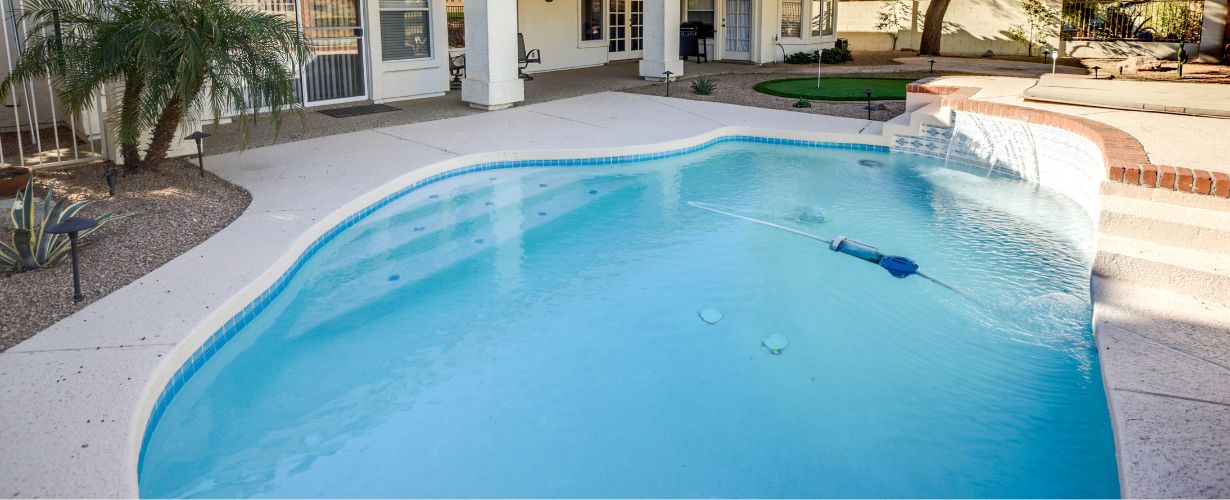
A dirty filter does not just harm the water quality; it also damages your pool equipment. When the filter is clogged, the pool pump must work much harder to push water through. This extra strain causes several expensive problems.
- Extra Stress on the Pool Pump: The pump motor will run hot because it is fighting against the high pressure of the clogged filter. This shortens the lifespan of your pump.
- Higher Energy Bills: A pump that works harder consumes much more electricity. You will see a noticeable increase in your monthly power bill.
- Filter Tank Damage: Extreme pressure inside the tank can cause the filter grids, cartridges, or lateral lines to crack or break. In worst-case scenarios, the high pressure can cause the entire filter tank to split.
Signs Your Pool Filter Needs Cleaning
You do not have to guess if your filter needs attention. The pool system gives clear warnings when it is time for a cleaning.
Check the pressure gauge: The pressure gauge on top of the filter tank is your best friend. Look at the gauge when the filter is completely clean to find your baseline pressure. Typically, a clean filter operates between 8 and 15 pounds per square inch (PSI), depending on your system.
When the pressure rises 8 to 10 PSI above your baseline, the filter is dirty and requires cleaning. For example, if your clean baseline is 10 PSI, you must clean or backwash the filter when the gauge hits 18 to 20 PSI.
Observe the Return Jets: Feel the water coming out of the return jets on the side of your pool wall. If the water flow feels weak or gentle instead of strong and pushing, your filter is likely blocked.
Look for Short Filter Cycles: If you clean your filter and the pressure rises back up to dangerous levels within just a few days, your filter medium might be old or filled with deep oils. This means a simple cleaning is no longer working, and you need to deep clean or replace the medium.
Filter Types and Maintenance Needs
Different pool filters require different types of care. The table below outlines how to maintain each filter type to prevent water quality issues.
| Filter Type | What Traps the Dirt? | Signs It Is Dirty | How to Clean It | When to Replace the Medium |
|---|---|---|---|---|
| Sand Filter | Special Pool Grade Sand | Pressure gauge rises 8–10 PSI; weak water returns | Backwash and rinse using the multi-port valve | Every 3 to 5 years |
| Cartridge Filter | Pleated Fabric Elements | Pressure gauge rises 8–10 PSI; cloudy water | Remove cartridges and spray thoroughly with a garden hose | Every 1 to 3 years |
| DE Filter | Diatomaceous Earth Powder | Pressure gauge rises 8–10 PSI; white powder in pool | Backwash filter, then add new DE powder via skimmer | Every year (inspect grids); add powder after backwash |
Simple Ways to Keep Your Pool Filter Clean
Regular maintenance prevents the major water quality problems discussed above. Here is how to keep your filter running perfectly.
How to Clean a Sand Filter (Backwashing)
- Turn off the pool pump completely.
- Turn the multi-port valve handle to the backwash position.
- Attach the waste hose if necessary, then turn the pump back on.
- Let the water run out of the waste line for 2 to 3 minutes, or until the water in the sight glass runs completely clear.
- Turn off the pump.
- Move the valve handle to the rinse position.
- Turn the pump on and let it run for 30 to 60 seconds to reset the sand.
- Turn off the pump, set the valve back to filter, and turn the pump on for normal operation.
How to Clean a Cartridge Filter
- Turn off the pool pump.
- Open the air-relief valve on top of the filter tank to release the internal pressure.
- Remove the lid clamps and take off the tank top.
- Carefully lift out the cartridge elements.
- Use a garden hose with a spray nozzle to wash down the pleats. Work from top to bottom at a 45-degree angle.
- Inspect the cartridges for tears or cracks.
- Place the cartridges back into the tank, secure the lid, close the air valve once water sprays out, and restart the pump.
Easy Ways to Keep Your Pool Filter Working Properly
- Use a Filter Cleaner: At least once a year, soak your filter cartridges or sand in a specialised pool filter cleaner. This chemical soak removes stubborn body oils, sunscreen, and calcium buildup that water alone cannot wash away.
- Run the Pump Long Enough: Ensure your pool pump runs long enough each day to turn over all the water in the pool at least once. During the hot summer months, this usually means running the pump for 8 to 12 hours a day.
- Empty Skimmer Baskets Daily: The baskets in your skimmer and pump catch large debris before it ever reaches the filter. Emptying these daily prevents your filter from overloading too quickly.
- Shower Before Swimming: Encourage swimmers to rinse off before jumping into the pool. This simple step removes lotions, perfumes, and sweat, reducing the organic load on your filter.
Final Thoughts
A clean pool is the heart of a beautiful backyard retreat, but keeping it clear requires a healthy filtration system. A dirty pool filter is more than a small inconvenience. It triggers a chain reaction that reduces water quality, ruins your chemical balance, and allows algae to take over. Beyond the water, a clogged filter puts massive stress on your pool pump, leading to higher energy bills and expensive equipment repairs.
Fortunately, filter maintenance is a simple task that saves you time and money. Checking your pressure gauge weekly, emptying skimmer baskets daily, and performing routine cleanings will stop water issues before they start. Taking proper care of your filter ensures that your pool remains a safe, healthy, and refreshing place for family and friends all season long.
If you are struggling with cloudy water or high tank pressure or want expert help keeping your system in perfect shape, contact us today at Epic Water Shapes to get your pool running smoothly again!