How to Choose the Best Pool Location in Your Backyard
Building a custom swimming pool can turn your backyard into a fun and relaxing place for family and friends. Before construction starts, choosing the right place for your pool is one of the most important steps. A good location makes your pool easy to use, attractive, and a natural fit for your backyard.
Choosing the right spot is about more than finding an empty space. Sunlight, soil, property lines, and the view from your home all affect the cost, maintenance, and safety of your pool. Professional pool builders check these factors to create a pool layout that works well for your home.
Key Factors to Consider When Positioning Your Pool
1. Check Sunlight
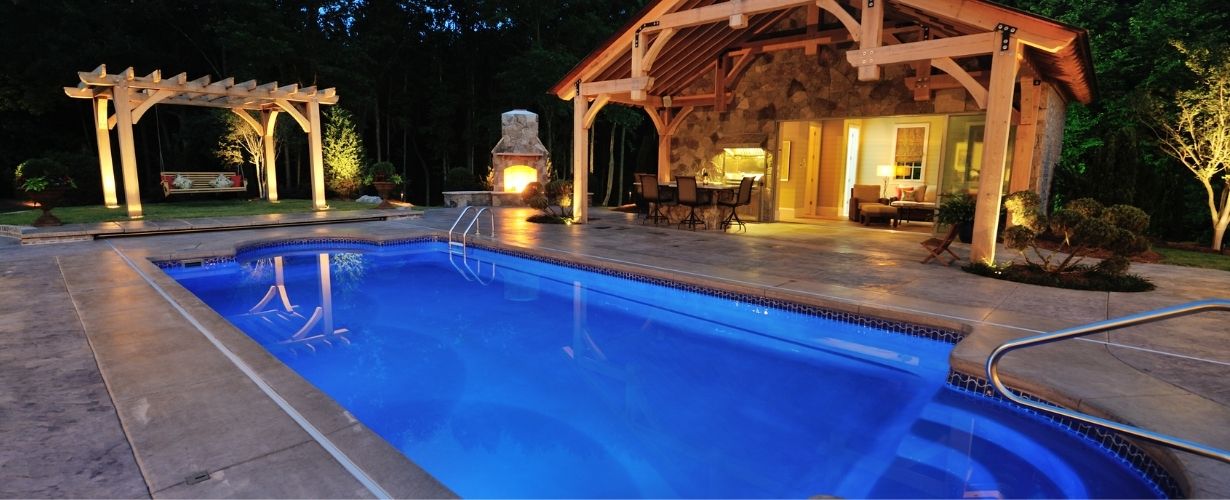
Sunlight is the free heating system for your pool. A pool placed in full sun stays naturally warm, which cuts down on pool heater costs. Sunlight also makes swimming much more enjoyable for kids and adults.
Watch the Sun
Spend a full day walking outside every two hours. Take note of where the sun hits and where shadows fall from your house, garage, fence, or neighboring buildings.
- South-Facing Spots: The south side of your yard generally gets the most consistent sunlight throughout the day. This is often the ideal location for a pool.
- West-Facing Spots: These areas get intense late afternoon sun. This is great if you usually swim after work or school.
- North-Facing Spots: These spots receive the least direct light and sit in shadow for much of the day, leading to cooler water temperatures.
Balance Sun and Shade
While you want direct sunlight on the water, you also need shade nearby. Look for a location where you can set up loungers, umbrellas, or a pergola on the pool deck. Having a naturally shaded seating area next to a sunlit pool gives your family the best of both worlds.
2. Check Your Yard
The shape and elevation of your land play a major role in pool construction. A flat yard is easier to build on, while a sloped yard needs extra work.
Handle Slopes
If your yard slopes downward, placing a pool at the bottom can turn your swimming area into a catch basin for rainwater and mud. Every time it rains heavily, dirt and runoff will wash straight into your pool water.
If you must place your pool on a slope:
- Install Retaining Walls: These walls hold back soil and redirect surface water away from the pool deck.
- Add French Drains: Underground drainage channels keep groundwater from pooling around the pool shell.
Check the Soil
Soil type impacts how builders excavate your yard. High groundwater levels or rocky soil can increase digging costs. Hard clay retains water and expands, while sandy soil shifts easily. Pool builders test the ground to make sure your pool stays strong for many years.
3. Keep a Clear View
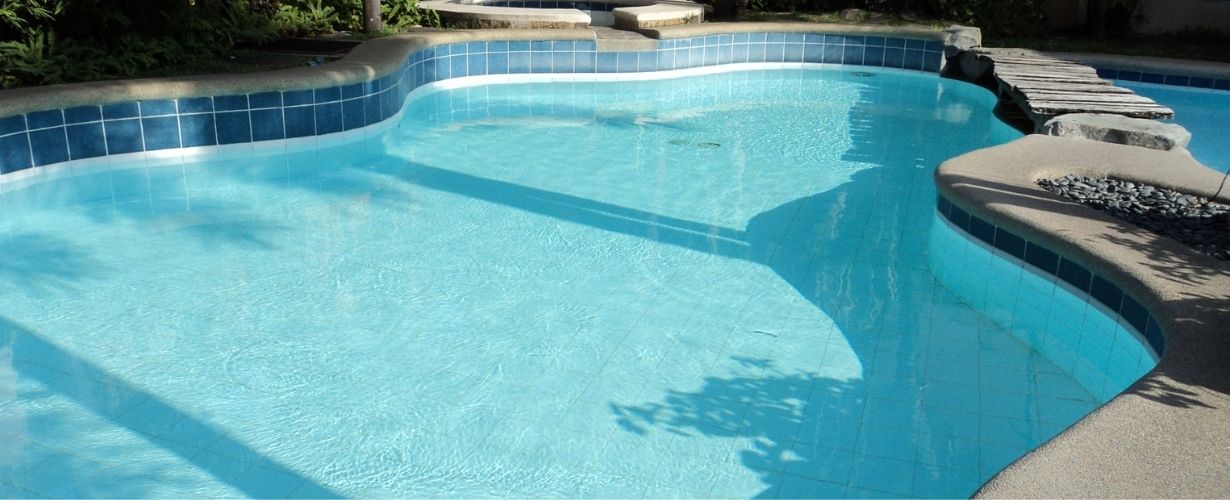
Safety and convenience both rely on visibility. You should easily see the entire pool area from the rooms where you spend the most time inside your house, such as the kitchen, living room, or master bedroom.
- Safety for Children and Pets: If you have children or pets, you should always have a clear view of the pool. Being able to glance out the kitchen window while preparing dinner to check on people in the pool gives you peace of mind. Avoid blocking the view of the pool with tall bushes, sheds, or solid privacy walls.
- Visual Appeal from Indoor Spaces: A well-placed pool acts as a beautiful water feature for your home. When you look out your back patio doors or living room windows, the pool should align nicely with your view. Adding pool lighting makes your yard look inviting even at night.
4. Check Property Rules
Before choosing a location, check your local building rules and property lines. Every area has rules about how close a pool can be to your property line.
Know the Setbacks
A setback is the minimum distance your pool must be from your house, fence, or property line.
- Property Line Setbacks: Most local codes require pools to stay 5 to 15 feet away from side and rear property lines.
- House Foundation Distance: Pools usually must sit a specific distance away from house footings to prevent structural damage.
- Easements: An easement is a piece of your land reserved for utility company access. You cannot build a permanent pool over an easement.
Check Utilities
Never dig without checking what lies beneath your yard. Calling your local utility marker service (like 811 in the United States) is a mandatory step.
- Underground Cables and Pipes: Water lines, gas pipes, electrical conduit, and fiber optic internet lines may cross your yard. Relocating these lines adds extra time and cost.
- Overhead Power Lines: National electrical safety codes prohibit building pools directly beneath overhead power lines. A required clearance distance must be maintained in all directions.
5. Avoid Trees & Wind
Trees provide shade, but they can also create problems if they are too close to your pool.
Tree Problems
- Debris: Trees like pine, oak, and jacaranda drop leaves, needles, pollen, and seeds into the pool. This clogs skimmer baskets, dirties filters, and messes with water chemistry.
- Root Systems: Large tree roots can crack concrete and damage pool pipes.
- Shade: A dense tree canopy blocks helpful sunlight, keeping the pool cold.
If possible, place your pool at least 15 to 20 feet away from large mature trees.
Watch the Wind
Wind sweeps across open yards and accelerates evaporation. High wind causes two major problems:
- Heat Loss: Wind cools the surface of the pool quickly, forcing your heater to work harder.
- Water Loss: Constant wind accelerates water evaporation, raising your water bill.
Use existing fences, landscaping hedges, or outdoor structures as windbreaks to shield your pool area from strong gusts.
6. Compare Pool Locations
To help you decide which area in your yard works best, use this quick reference table to weigh the benefits and drawbacks of common pool spots.
| Yard Location | Pros / Advantages | Cons / Challenges | Best Built For |
|---|---|---|---|
| Close to House (Attached Deck) |
|
|
Families with young children; smaller backyards |
| Center of Backyard |
|
|
Large yards; active entertaining and parties |
| Rear Property Line / Corner |
|
|
Homeowners who want a lawn AND a pool |
| Side Yard |
|
|
Narrow lots; lap pools and plunge pools |
7. Plan Easy Access
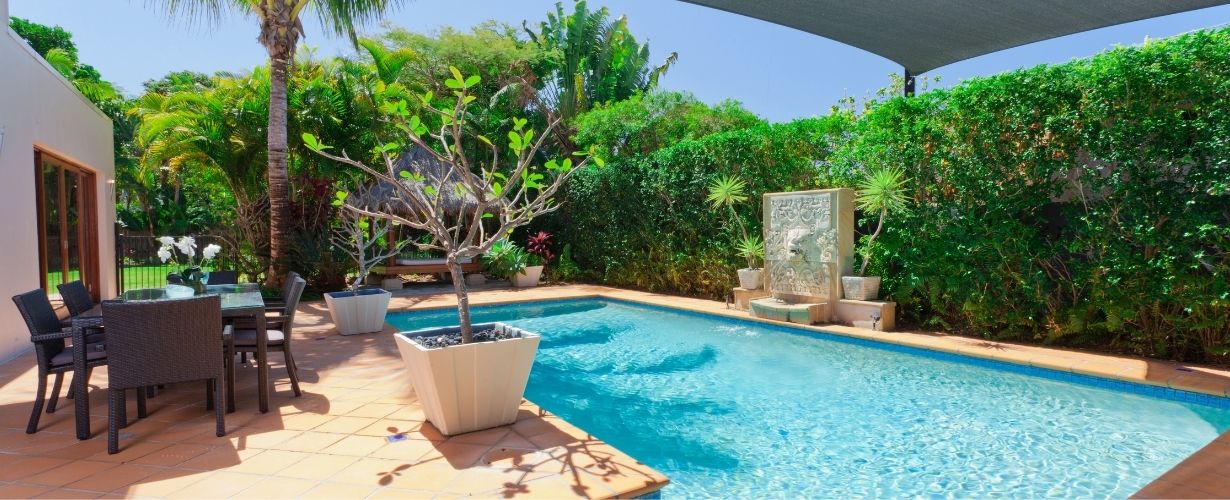
Your pool should fit naturally into the rest of your backyard. You need clear pathways connecting the pool to your back patio, kitchen, outdoor shower, and lawn.
Add Walkways
Leave at least 4 to 6 feet of deck space around the pool edges for safe walking. Ensure people can move from the back door to the pool without tripping over garden hoses, steps, or lounge chairs.
Hide Pool Equipment
Pool pumps, filters, and heaters generate steady background noise when running.
- Place pool equipment behind a wall, fence, or storage enclosure.
- Keep equipment close enough to the pool to run pipe efficiently, but far enough from patio dining areas so noise does not disturb conversation.
Final Thoughts
Choosing the best pool location in your backyard comes down to carefully balancing sunlight exposure, privacy, safety, local regulations, and your overall landscape layout. Taking the necessary time to thoroughly evaluate your site conditions before breaking ground prevents costly installation mistakes, minimizes long-term maintenance demands, and ensures your new aquatic feature seamlessly integrates with your home’s existing architecture. By thoughtfully planning pathways, sightlines, and equipment placement, you create a cohesive outdoor environment that provides effortless functionality, enhanced curb appeal, and years of stress-free enjoyment for your entire family.
Ready to transform your outdoor living space into a custom backyard oasis? Please feel free to contact us at Epic Watershapes today to schedule a consultation with our experienced design team, explore your site options, and bring your ideal pool vision to life.
FAQ About 20×40 Pools and Replastering
South-facing spots get the most consistent sun, making them ideal. West-facing areas suit late afternoon swimmers. North-facing spots stay shadier and cooler, so they're less desirable for warm, sunlit water.
Yes, but it needs extra work. Retaining walls hold back soil and redirect runoff, while French drains manage groundwater, preventing rain and mud from washing into your pool.
Most local codes require pools to stay 5 to 15 feet from side and rear property lines. Always check local rules and setbacks before finalizing your pool's placement.
Yes, always call your utility marker service, like 811, before digging. Water lines, gas pipes, electrical conduit, and fiber optic cables may run through your yard unexpectedly.
Keep your pool at least 15 to 20 feet from large mature trees. This reduces leaf debris, root damage to pipes, and excess shade that cools the water.
Yes, wind speeds up evaporation and heat loss, raising water and heating costs. Fences, hedges, or other structures placed nearby can act as effective windbreaks for your pool.
Hide pumps, filters, and heaters behind a wall, fence, or enclosure to reduce noise. Keep equipment close enough for efficient piping but away from patio dining areas.