How to Plan Your Backyard Around a Custom Swimming Pool
A custom swimming pool can completely change the look and feel of your backyard. But a pool is only one part of the space. It should fit well with the rest of your yard. A good plan helps your pool, patio, plants, shade, and seating work well together. This makes your backyard look great and easy to enjoy every day.
When everything is planned together, your backyard becomes a comfortable place to relax and spend time with family. This guide explains how to plan your backyard around a custom pool. It will help you create a space that is useful, comfortable, and attractive for years to come.
1. Decide How You'll Use the Space
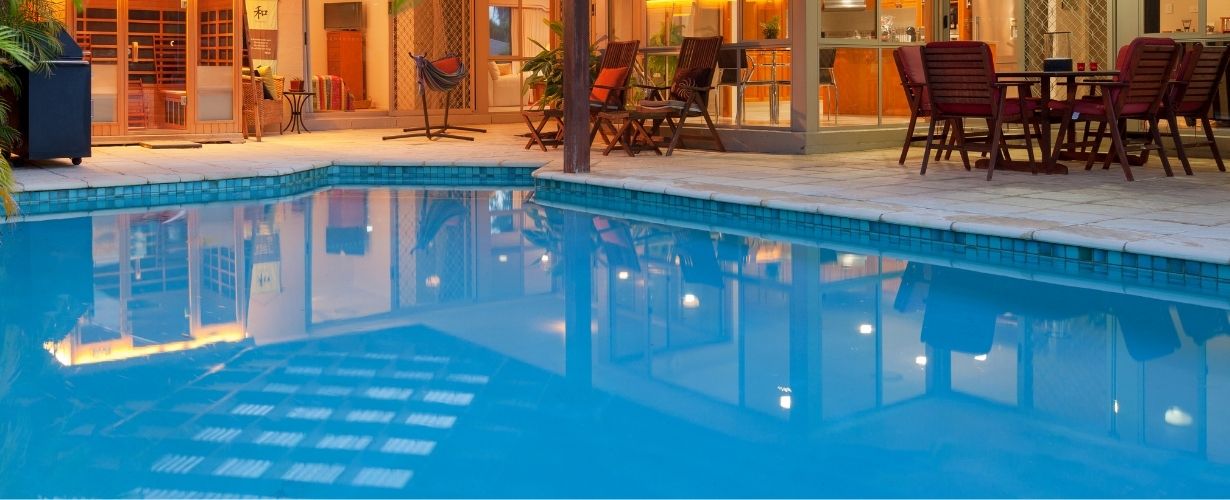
Before picking a pool shape or tile color, think about how your family actually spends time outside. Write down your top 3 goals for the yard before meeting with a pool designer:
- For Entertaining: Prioritize a large sun shelf, a swim-up bar, and open lawn space for games.
- For Family Fun: Focus on shallow play areas, safety sightlines, and durable decking.
- For Relaxation: Opt for a cozy spa, soft ambient lighting, and privacy screening for a peaceful retreat.
2. Know Your Yard
Every backyard is different. Understanding your yard before you build helps you get better results.
- Sun & Shade Patterns: A pool in a sunny spot stays warmer. Shady areas are better for outdoor dining and relaxing.
- Yard Elevation & Slope: If your yard has a slope, you may need retaining walls or steps. These can also make your backyard look more attractive.
- Indoor Views: Place the pool where you can enjoy the view from inside your home.
3. Pick the Right Pool Style
Custom pools should complement the architectural style of your home and the scale of your land.
| Home Style | Recommended Pool Shape | Key Design Elements |
|---|---|---|
| Modern / Contemporary | Geometric (Rectilinear, L-Shape) | Clean lines, minimal deck margins, sleek tile |
| Traditional / Craftsman | Classical (Roman, Grecian) | Symmetrical steps, stone coping, elegant pavers |
| Rustic / Natural | Freeform (Lagoon, Pebble) | Natural curves, rock waterfalls, lush surround plants |
Size Check: Choose a pool size that fits your yard. Leave enough space for seating, walking, and other outdoor activities.
4. Plan Your Pool Deck
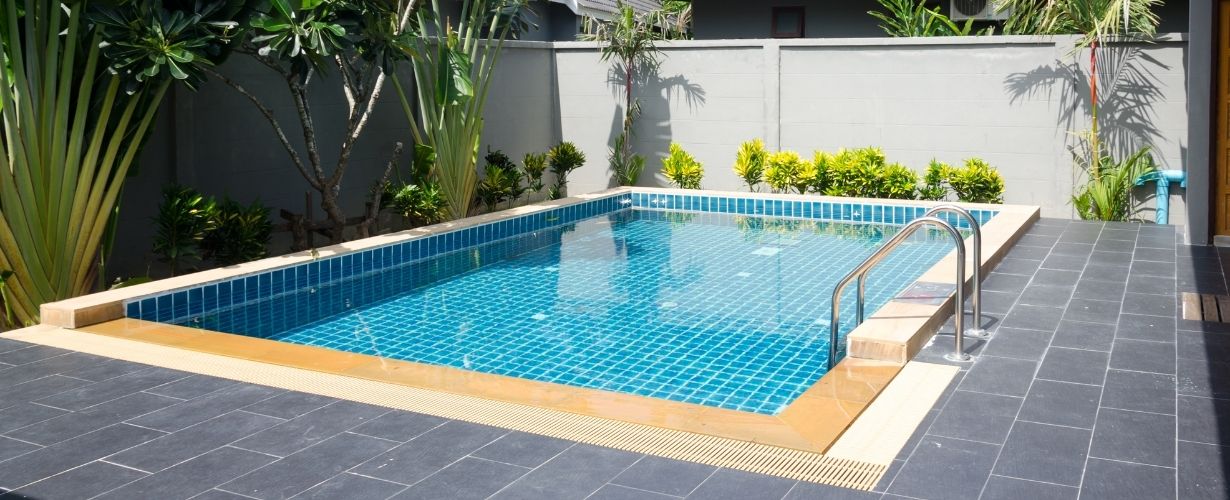
The area around your pool matters just as much as the pool itself. This deck or patio space is where people will actually sit, walk, and gather, so it needs to be both safe and comfortable.
- Top Decking Materials: Textured concrete, natural stone, and premium pavers offer excellent grip and handle water exposure without degrading over time.
- Heat & Slip Resistance: Select materials that stay cool under bare feet and do not get slippery when wet.
- Seamless Transitions: Build smooth paths from your back door to the pool so it is easy and safe to walk.
5. Create Activity Areas
Divide your backyard into different areas so everyone has space to relax and enjoy.
- Lounging Zone: Comfortable lounge chairs, side tables, and shade umbrellas right by the water.
- Dining Zone: Positioned slightly away from pool splashes with an outdoor kitchen, grill, and dining table.
- Evening Fire Zone: A cozy fire pit or fireplace for gatherings after the sun sets.
- Recreation / Play Zone: A small grassy area or turf kept a safe distance from pool edges.
6. Add Plants, Lights & Privacy
Plants, lights, and privacy features make your backyard more comfortable and welcoming.
Landscaping Guidelines
- Choose splash-tolerant, non-dropping plants to minimize pool cleaning maintenance.
- Use hedges, trellises, or fences to add privacy while keeping your yard open and inviting.
Lighting Atmosphere
- Path Lights: Safe step and walkway navigation.
- String Lights / Wall Sconces: Warm ambiance over dining and seating areas.
- Underwater LED Lights: Enhanced nighttime safety and dramatic water color highlights.
7. Plan for Pool Safety
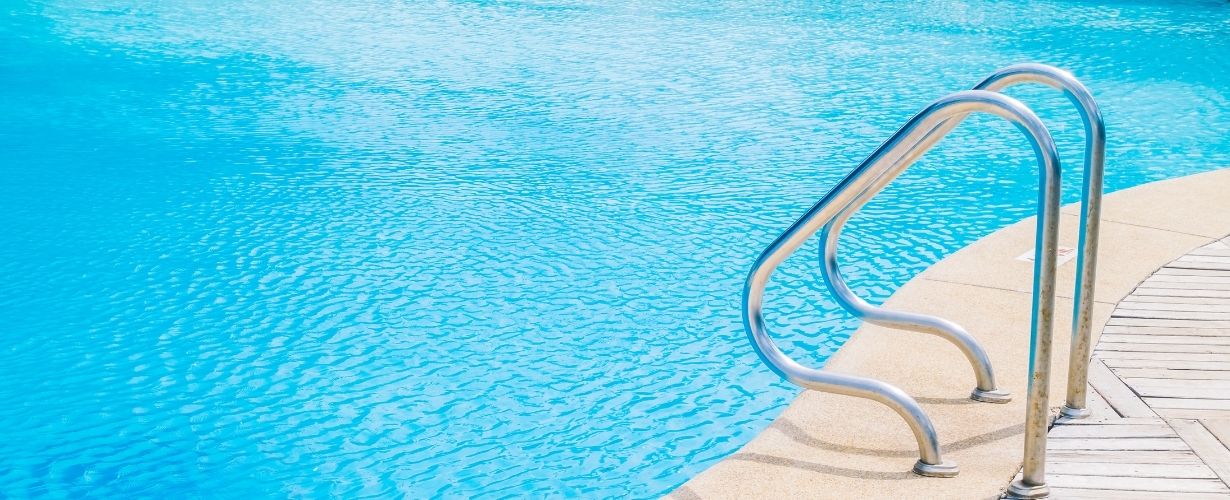
Always include safety in your pool plan from the beginning. Adding safety features early helps them fit naturally into your backyard design:
- Local Compliance: Check fence height and barrier codes before finalizing your layout.
- Smart Safety Enhancements: Install subtle pool alarms, self-closing gate hinges, and non-slip deck treatments.
- Clear Sightlines: Ensure unobstructed views from main house windows and outdoor seating areas to the water.
8. Plan Your Budget
A realistic budget accounts for every aspect of your outdoor living environment, not just the water feature itself:
| Category | Essential Features | Optional Upgrades |
|---|---|---|
| Pool Structure | Pool shell, filtration, standard tile, pumps | Integrated spa, waterfall features, swim-up bar |
| Surrounding Area | Basic patio deck, safety fencing, drainage | Extended paver deck, fire pit, outdoor kitchen |
| Environment | Perimeter lighting, basic softscape plants | Custom LED lighting, smart automation, privacy trees |
Conclusion
A custom pool is a great way to improve your home. Planning the whole backyard helps you get the best results. By taking the time to evaluate how your family lives, mapping out your yard’s natural topography, establishing distinct activity zones, and prioritizing both safety and budgeting from day one, you ensure that every square foot of your property serves a clear purpose. A well-designed backyard harmonizes the water feature with surrounding patios, lush greenery, and comfortable gathering spots, turning what could be a simple pool installation into a complete outdoor retreat.
Ultimately, a custom pool is far more than just a place to cool off on a hot day it acts as the anchor and vibrant heart of your entire outdoor living experience. When designed with intentionality and expert craftsmanship, your yard becomes a seamless extension of your home where family memories are made for decades to come. Contact us at Epic Water Shapes today to schedule your design consultation, and let our team help you transform your vision into a stunning, custom-tailored backyard sanctuary that you will love spending time in all year round.
FAQ
Decide how you'll use the space first entertaining, family fun, or relaxation. Write down your top 3 goals before meeting a pool designer, since this shapes decisions on pool shape, decking, and layout.
Check sun and shade patterns, yard slope, and views from inside your home. These factors affect water temperature, pool placement, and whether you'll need retaining walls or steps for elevation changes.
Match the pool to your home's style. Modern homes suit geometric shapes, traditional homes suit classical designs like Roman or Grecian, and rustic homes pair well with freeform, natural pools.
Textured concrete, natural stone, and premium pavers work best. They offer good grip, stay cool underfoot, resist slipping when wet, and hold up against constant water exposure over time.
Create separate zones: lounging by the water, dining away from splashes, an evening fire pit area, and a play or recreation space kept a safe distance from the pool edge.
Choose splash-tolerant, non-dropping plants to cut down on maintenance. Add hedges, trellises, or fences for privacy, and layer lighting path lights, string lights, and underwater LEDs for safety and ambiance.
Check local fencing and barrier codes early in your planning. Add pool alarms, self-closing gate hinges, and non-slip decking. Keep sightlines clear from the house and seating to the water.