Signs Your Pool Needs New Tile Instead of Resurfacing
As your pool gets older, you may wonder if it needs a repair or a full renovation. Many homeowners think any visible damage means the entire pool needs resurfacing, but that is not always the case. If the plaster on your pool walls and floor is still smooth and in good shape, you may not need to resurface the whole pool.In many cases, the damage is only on the waterline tiles. Sun, pool chemicals, and changing weather wear them down over time.
Replacing only the waterline tile is often a more affordable option when the rest of the pool is still in good condition. New waterline tiles improve your pool’s look and help protect the pool structure. It is also less work than resurfacing the entire pool. Here is a simple guide to help you recognize the key signs that your pool only needs new tile to look and function like new again.
Pool Tile vs. Resurfacing

Before looking at the warning signs, it helps to understand what each job actually involves.
- Pool Tile Replacement: Waterline tiles sit along the top 6 inches of your pool walls where the water meets the air. Their job is to protect the concrete shell from chemical stains, oils, and sun exposure, while also making the pool look finished. Retiling means removing these top tiles (and any step markers) and installing new ones.
- Pool Resurfacing: Resurfacing involves chipping away or prepping the entire interior layer of the pool (the plaster, quartz, or pebble finish) across the floor and walls, then applying a completely fresh layer of material.
If the bottom and walls of your pool feel smooth, look clean, and hold water without leaks, your interior surface is likely fine. In many cases, the damage is limited to the waterline tile.
Signs You Need New Pool Tile
1. Cracked or Loose Tiles
Cracked or damaged tiles are one of the easiest signs to notice. Over years of chemical exposure, freeze-thaw cycles, and UV radiation, tile glazes weaken.
When tiles crack or pop off the wall:
- Moisture sneaks behind the remaining tiles.
- The thinset mortar underneath dissolves over time.
- Sharp edges are exposed that can cut swimmers’ feet and hands.
If the underlying plaster under the water level looks smooth and solid, you do not need to resurface the whole pool. You simply need a waterline tile replacement.
2. Heavy Calcium Buildup
White, crusty deposits along your waterline are caused by calcium carbonate or calcium silicate. Minor scaling can be removed with a brush or mild acid solution, but severe buildup creates permanent damage.
Signs your tile needs replacement due to scaling:
- Professional bead blasting or chemical washing fails to clean the deposits.
- Cleaning attempts strip away the glazed tile finish.
- Heavy mineral buildup can become permanent and damage both the grout and tile surface.
3. Damaged Grout Lines
Grout holds your tiles together and keeps water from seeping behind them. Over time, poor water chemistry (especially low pH or low calcium hardness) eats away at cement-based grout.
Watch out for these symptoms:
- Deep, hollow gaps between tiles where grout used to be.
- Grout crumbles into sand when touched.
- Mold or dark algae growing deep inside empty grout joints.
In this scenario, replacing the tile border provides a fresh, watertight seal without disturbing the main pool shell.
4. Faded or Discolored Tiles
Constant exposure to UV rays, chlorine, and pool shock takes a toll on older ceramic and porcelain tiles. Over a decade or two:
- Bright blues and teals turn dull, chalky, or yellowish.
- Tile glazes lose their reflective shine and develop a matte finish.
- Discoloration occurs unevenly along sunny sides of the pool.
Faded tiles do not always mean the rest of the pool needs repair. If your pool plaster still looks good underwater, updating the tile line gives your backyard an instant facelift for a fraction of the price of a full renovation.
5. Leaks Around the Waterline
If your pool is losing water faster than normal evaporation rates (about 1/4 inch per day), the leak might be right at the tile line. When grout lines crack or tiles loosen, pool water enters the beam behind the tiles.
Key indicators of a waterline leak:
- Moisture or water staining visible on the back of a raised bond beam or pool deck.
- A professional dye test showing dye pulling directly into open tile joints.
- Loose tiles near skimmer boxes where water actively seeps through.
Replacing loose tiles and sealing the affected area can often stop this type of leak.
6. Outdated Pool Tile
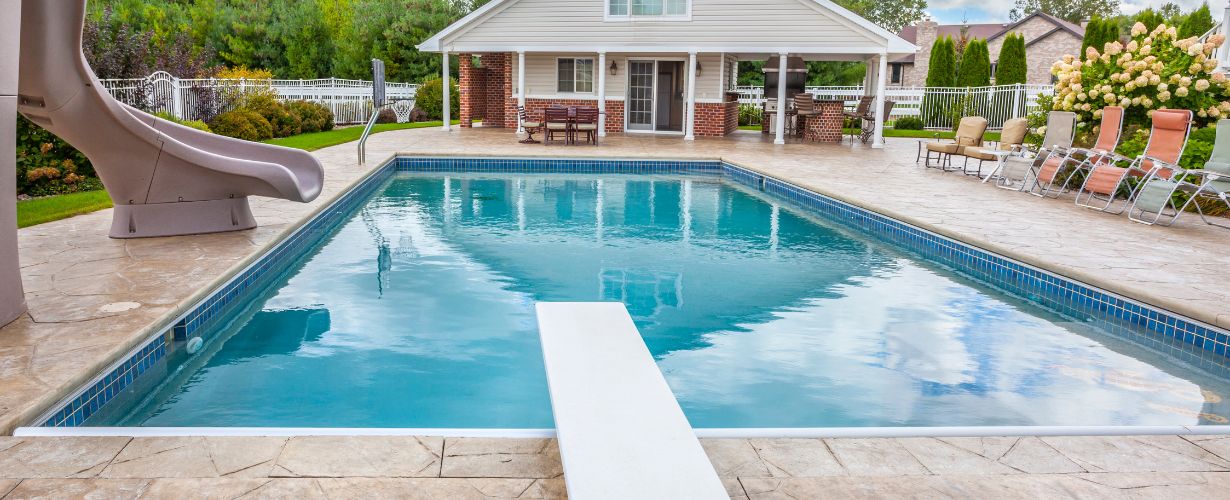
Sometimes your tiles are physically intact, but they look out of date. Modern pool design options include:
- Glass mosaic tiles that reflect light and create depth.
- Stone-look porcelain for a natural, resort-style appearance.
- Large-format glazed tiles for a sleek, contemporary edge.
If your pool interior plaster is still in great shape, If your plaster is still in good condition, you can replace the tile to update the pool’s appearance. You can install new tile along the waterline, raised bond beams, and steps to modernize the space.
Tile Replacement vs. Resurfacing
To help you decide which service fits your current situation, here is a direct breakdown:
| Feature / Sign | Pool Tile Replacement Only | Full Pool Resurfacing |
|---|---|---|
| Primary Location | Top 6–12 inches (waterline, steps, spa border) | Entire interior shell (walls, floor, benches) |
| Plaster Condition | Smooth, solid, clean interior finish | Rough, peeling, stained, or pitted plaster |
| Main Problem | Cracked tiles, missing grout, heavy scaling | Leaking shell, severe staining, exposed aggregate |
| Disruption Level | Low (can often be done with water partially drained) | High (requires full pool drain and heavy chipping equipment) |
| Average Project Time | 1 to 3 days | 5 to 10+ days |
| Cost Comparison | Budget-friendly | Major investment |
| Lifespan of Repair | 10 to 20+ years (with good water chemistry) | 10 to 25 years (depending on material) |
When You Need Both
While retiling alone works great when plaster is healthy, there are times when doing both at once makes the most sense.
You should consider combined tile replacement and resurfacing if you notice:
- Pitting and Roughness: The floor and walls feel like sandpaper on your feet.
- Structural Plaster Cracks: Long cracks run from the floor up through the tile line.
- Delamination: Large sections of plaster are flaking off the pool walls underwater.
- Age: If your pool plaster is more than 15 years old, it may be time to replace it.
When resurfacing a pool, contractors almost always recommend installing new tile at the same time. Installing fresh plaster up against old, failing tile can create weak spots where water leaks later.
Best Pool Tile Materials
If you decide that a new tile is the right step for your pool,Choosing the right material can improve durability and reduce maintenance over time.
1. Porcelain Tile
- Pros: Highly durable, low water absorption rate, cost-effective, easy to clean.
- Best For: Homeowners who want a classic look with minimal maintenance.
2. Ceramic Tile
- Pros: Affordable, wide variety of colors and hand-painted patterns.
- Cons: Slightly more porous than porcelain; needs quality sealant in cold climates.
3. Glass Tile
- Pros: Non-porous (will not absorb water or chemicals), reflects light beautifully, extremely long-lasting.
- Best For: Luxury aesthetics, modern pools, and high-visibility areas like raised spas.
How to Protect Pool Tile
Once your new pool tile is installed, simple maintenance keeps it looking brand new:
- Balance Pool Water: Keep your pH between 7.4 and 7.6 and calcium hardness between 200 and 400 ppm. Low calcium starves the water, causing it to leach minerals directly out of your grout.
- Clean the Waterline: Wipe down the tile line once a week with a sponge or soft pool brush to remove body oils, sunscreen, and early mineral buildup.
- Check Water Levels: Keep the water level centered on the tile line. If water drops below the tiles, the sun can dry out the thinset and grout underneath.
- Winterize Your Pool: In freezing climates, lower the water level below the tile line before winter to prevent freezing water from cracking the tiles.
Final Thoughts
You do not always need a costly, full-scale pool overhaul when your waterline starts showing its age. If the plaster across the walls and floor remains smooth, solid, and leak-free, replacing only the tile is the smartest, most affordable way to restore your pool’s beauty and structural protection. Swapping out damaged, faded, or calcified tiles instantly transforms the entire look of your backyard space without the heavy price tag and weeks of downtime required for full resurfacing.
If you are ready to give your pool a fresh, modern look or need an expert opinion on missing grout and cracked tiles, contact us today. Our team of licensed pool specialists will inspect your waterline, walk you through the best tile options for your budget, and provide a clear, no-obligation estimate to bring your pool back to life.
FAQ
Not always. Many homeowners assume visible tile damage means a full renovation, but if the plaster on your walls and floor is still smooth, solid, and leak-free, you likely just need affordable waterline tile replacement instead.
Inspect the plaster below the waterline carefully. If it feels smooth, looks clean, and holds water without leaking, your pool's structure is fine, meaning the damage is isolated to the tile line itself.
Years of constant chemical exposure, intense sun and UV radiation, and repeated freeze-thaw cycles gradually weaken tile glaze and dissolve the thinset mortar underneath, eventually causing tiles to crack, loosen, or pop off entirely.
Minor scaling often responds well to brushing or a mild acid solution. However, if professional bead blasting or chemical washing fails to remove it, or strips away the glaze, replacement becomes the better long-term solution.
Poor water chemistry, particularly low pH or low calcium hardness, slowly eats away at cement-based grout. Once it develops hollow gaps, crumbles into sand, or grows algae, it needs full replacement for protection.
Yes, quite possibly. Cracked tiles or missing grout allow water to seep behind the tile line into the bond beam. A professional dye test can confirm whether this is your leak's actual source.
Absolutely, and it's a great option. If your underlying plaster remains in good condition, retiling is purely cosmetic. Modern choices like glass mosaic, stone-look porcelain, or large-format tile can instantly modernize your entire pool.