Why Some Pool Finishes Last Longer Than Others
Investing in a custom inground swimming pool transforms your backyard into a private oasis, but the longevity of that investment depends heavily on the pool surface you choose. Pool owners often wonder why a neighbour’s pool surface looks pristine after fifteen years while their own finish shows signs of etching, staining, or delamination in less than a decade. The truth is that pool finishes do not wear out at the same rate.
Understanding the science behind pool finish durability allows you to make an informed decision during a pool remodel or new construction project. The lifespan of an inground pool surface depends on material composition, application techniques, and ongoing water chemistry maintenance. Here is an in-depth breakdown of why some pool finishes outlast others and how to maximise the lifespan of your swimming pool interior.
The Core Material: What Controls Pool Finish Longevity?
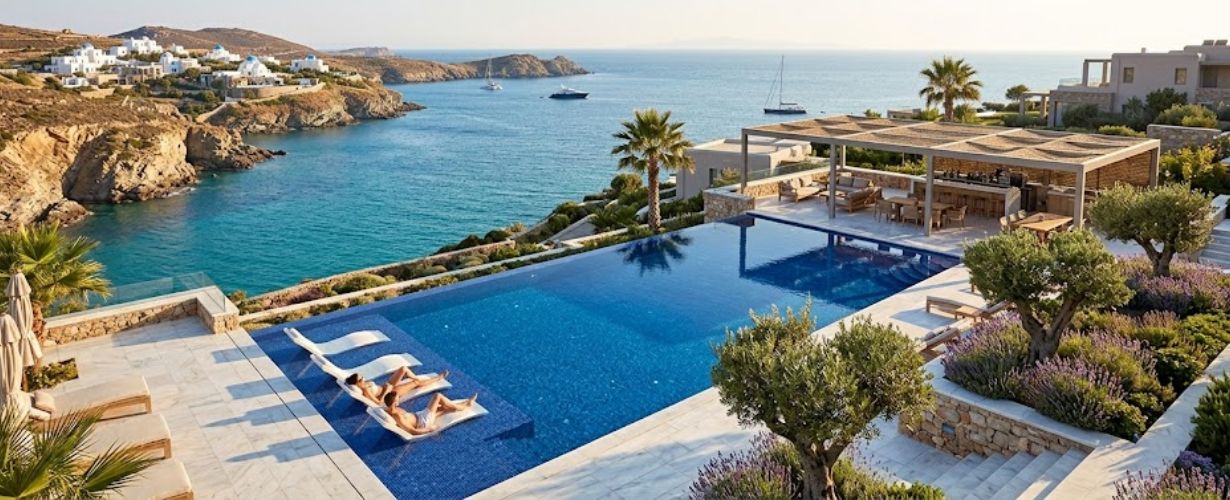
The primary reason one pool finish outlasts another is the raw material used in the mixture. Different pool surfaces handle the harsh environment of chlorinated water, ultraviolet (UV) radiation, and shifting soil in distinct ways.
- Standard White Plaster (Marcite): Standard pool plaster is a traditional blend of white Portland cement and marble dust. It provides a smooth, classic look but remains the most vulnerable surface option available. Marble dust consists of calcium carbonate, which reacts easily with pool chemicals. When pool water becomes aggressive due to low pH or low calcium hardness, it extracts calcium directly from the plaster walls. This chemical vulnerability leads to etching, rough patches, and structural breakdown within five to ten years.
- Quartz Finishes: Quartz pool finishes upgrade traditional plaster by mixing ceramic-coated quartz granules into the Portland cement. Quartz ranks high on the Mohs hardness scale, making it much tougher than marble dust. These rounded granules resist chemical erosion and physical wear. Because quartz does not dissolve in acidic pool water, a quartz finish preserves its structural integrity and colour for twelve to fifteen years.
- Pebble Aggregates: Pebble finishes utilise tiny, naturally tumbled river pebbles bound by fortified cement. This material creates a highly durable surface because the stones are virtually inert. Pool chemicals cannot dissolve stone. The cement binder holds the pebbles in place, while the exposed stones shield the underlying cement from direct exposure to pool water and sunlight. High-quality pebble surfaces easily last fifteen to twenty-five years with proper care.
Comparing Lifespan, Cost, and Durability
Evaluating the long-term value of a pool surface requires analysing the initial cost against the expected operational lifespan. The following table provides a direct comparison of the most common pool finishes used in luxury outdoor living designs.
| Pool Finish Type | Average Lifespan | Initial Relative Cost | Primary Failure Mechanism | Best Performance Feature |
|---|---|---|---|---|
| White Plaster | 5 – 7 Years | Budget / Low | Etching, staining, scaling | Low initial investment, smooth texture |
| Quartz Aggregate | 10 – 12 Years | Moderate | Surface staining, gradual fading | Improved chemical resistance, vibrant colors |
| Pebble Finish | 15 – 25 Years | Premium / High | Cement binder erosion | Maximum longevity, natural aesthetic |
| Polished Marble | 12 – 15 Years | Premium | Scale buildup, deep scratches | Silky texture, luxury appearance |
| Glass Bead Finish | 15 – 20 Years | Ultra-Premium | Improper installation loss | Extreme light reflectivity, smooth feel |
| Tile (Full Surface) | 20 – 30+ Years | Highest | Grout failure, loose adhesive | Ultimate stain resistance, classic elegance |
The Critical Role of Water Chemistry
A premium material can still fail prematurely if the pool water chemistry is neglected. Water naturally seeks equilibrium. If your swimming pool water lacks the necessary minerals, it will dissolve the pool surface to satisfy that deficit.
The Langelier Saturation Index (LSI)
The Langelier Saturation Index is a mathematical formula that determines whether pool water is corrosive, balanced, or scale-forming. The calculation factors in:
- pH levels
- Total alkalinity
- Calcium hardness
- Cyanuric acid
- Water temperature
When the LSI drops below -0.3, the water becomes corrosive. It aggressively pulls calcium out of plaster, quartz, and the cement binders of pebble finishes. This process creates pits and rough surfaces. Conversely, if the LSI rises above +0.3, the water becomes scale-forming. Excess calcium deposits land on the pool walls, creating ugly white or grey scale patches that trap dirt and ruin the appearance of the pool finish.
Chronic High Chlorine and Acid Washing
Frequent shock treatments and unmanaged low pH levels degrade the binders holding aggregates together. While pebble stones resist chemicals, the cement matrix surrounding them can break down under high acidity. Similarly, frequent acid washing to remove stains strips away a micro-layer of the finish each time, shortening the overall lifespan of the surface.
Workmanship and Application Techniques
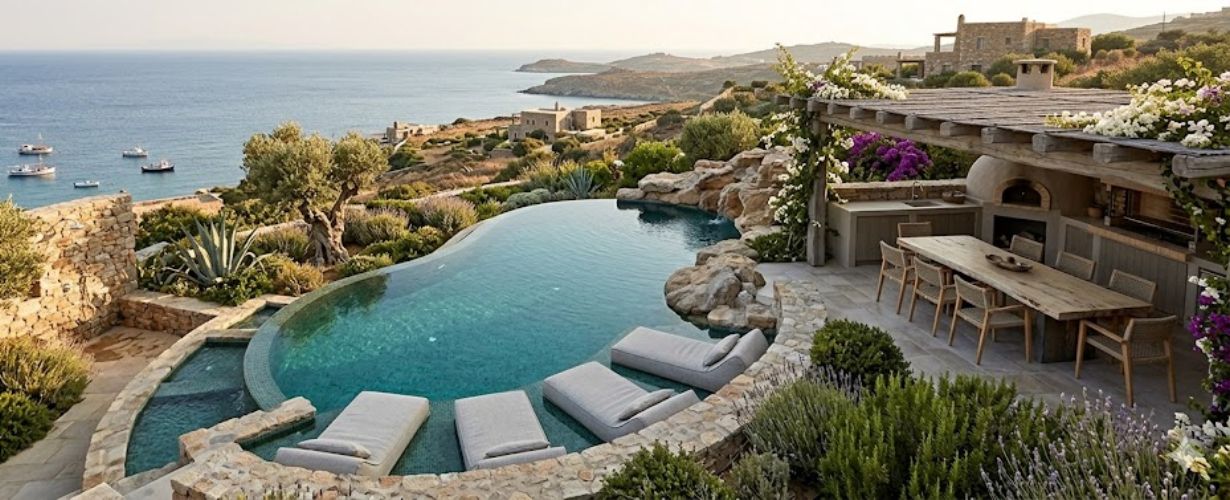
The finest materials will fail early if the installation team takes shortcuts. Applying a luxury pool finish requires precise environmental controls and experienced craftsmanship.
Proper Parging and Bond Coats
When replastering an existing pool, the crew must prepare the old concrete shell thoroughly. This involves chipping away loose material, water-blasting the surface, and applying a high-quality polymer-modified bond coat. Without a strong mechanical and chemical bond, the new finish can separate from the shell over time, creating hollow spots that crack and lift away.
Water-to-Cement Ratio and Troweling
Mixing pool finish requires an exact balance of water and cement. Adding too much water makes the material easier to trowel, but it weakens the cured cement matrix, leaving it porous and prone to early erosion. Furthermore, troweling must occur at the precise moment the finish begins to set. Trowelling too early traps excess water beneath the surface, while trowelling too late burns the finish, causing discolouration and micro-cracking.
The Curing Process (The First 28 Days)
A pool finish does not dry; it cures underwater through a chemical hydration process. Fill the pool immediately after application without stopping the water flow, as dry spots can cause uneven curing and rings on the finish. The pool finish requires careful monitoring during the initial 28-day curing period. Brush the walls twice daily to remove plaster dust and manage water chemistry carefully to ensure a durable cure.
How to Choose the Longest-Lasting Finish for Your Pool
Selecting the ideal finish involves balancing aesthetic goals, budget limits, and maintenance habits.
If your goal is maximum longevity with minimal structural maintenance, a premium pebble or polished aggregate finish provides the best return on investment. The natural stone resists chemical damage and masks minor imperfections. For homeowners prioritising a smooth feel underfoot, a high-grade quartz finish offers enhanced durability over standard plaster without the rough texture of large pebbles.
Full tile remains the gold standard for luxury pools, offering unparalleled stain resistance and a lifetime of performance, though it carries a substantial initial installation cost.
Conclusion
The selection of a premium interior surface stands as the single most critical decision to protect a custom swimming pool investment and ensure it remains a breathtaking centrepiece for decades. Advanced materials like fortified quartz, micro-pebble aggregates, or precision-laid full tile insulate the concrete shell from the relentless demands of chemical sanitisers and intense Florida sunshine. While the underlying science of material wear and mineral saturation may seem intricate, the ultimate objective remains straightforward. Homeowners deserve a crystal-clear, stunning outdoor sanctuary that defies the elements year after year without demanding constant structural repairs or early resurfacing.
Partnering with an experienced builder guarantees that these premium materials are mixed, troweled, and cured to flawless structural standards. Precision craftsmanship during the application phase makes the definitive difference between a surface that fails prematurely and one that delivers a generation of performance. The design team at Epic Watershapes specialises in the engineering and execution of elite outdoor living spaces that pair timeless visual elegance with maximum operational longevity. Contact Epic Watershapes today to schedule a comprehensive design consultation, explore our physical portfolio of premium finishes, and begin construction on an enduring outdoor masterpiece.