Why Some Pools Age Better Than Others: 5 Longevity Secrets
Building a pool is a big investment. To make sure that investment lasts, you need to understand the science of pool longevity. From the materials used in construction to the way you balance the water, every choice matters. A well-built pool is designed to handle the elements, while a neglected one quickly shows its age through stains and structural wear. Understanding these differences helps you protect your home’s value and your family’s summer fun.
The secret lies in looking beneath the surface to see how the skeleton of the pool was formed. High-end builds focus on superior structural integrity that prevents shifting and settling over the decades. Beyond the build, the daily environment plays a massive role in how gracefully a pool matures. Consistent care acts as a shield against the harsh Florida sun and corrosive minerals. By making informed decisions today, you ensure that your backyard remains a pristine retreat rather than a costly repair project. A truly timeless pool is the result of merging master craftsmanship with disciplined ownership.
The Foundation: Quality Construction Matters
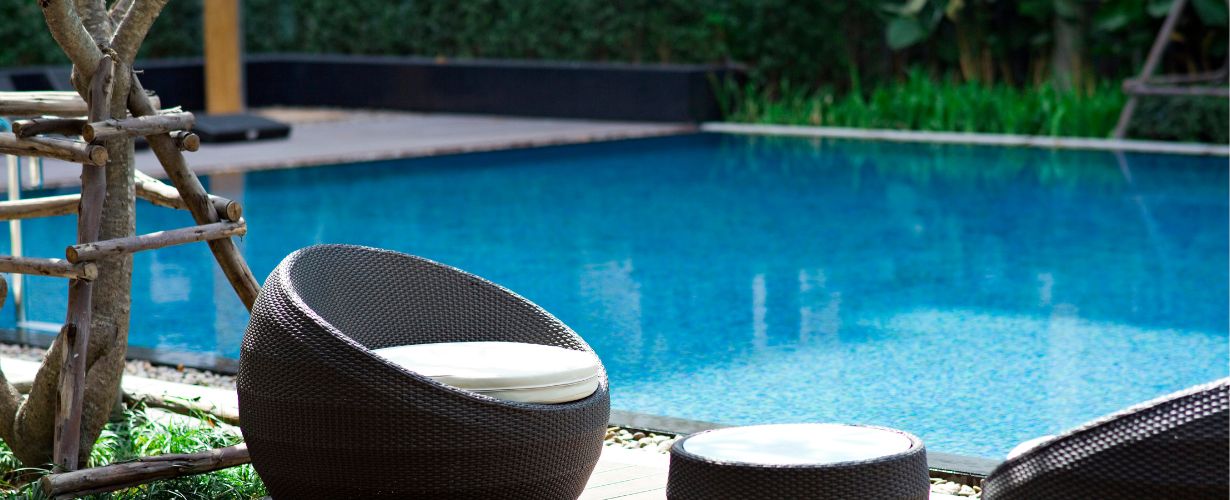
The most important factor in how a pool ages is how it was built. A pool is more than just a hole in the ground filled with water. It is a complex structure that must withstand thousands of pounds of water pressure and changing ground temperatures. When a builder cuts corners on the shell, the pool will eventually develop structural cracks. These cracks are expensive to fix and often lead to leaks that ruin the surrounding deck.
Key Construction Factors for Longevity:
- Steel Reinforcement: High-quality builds use a dense grid of rebar to create a strong “skeleton” that prevents the concrete from cracking under pressure.
- Thicker Gunite Shells: Using a thicker layer of shotcrete or gunite ensures the pool is watertight and can handle the weight of the water without shifting.
- High-Schedule Plumbing: Using heavy-duty PVC pipes prevents the lines from collapsing or leaking deep underground, where repairs are nearly impossible.
- Rigid Pressure Testing: Every plumbing line must be tested before the concrete is poured to ensure there are no hidden leaks that could wash away the soil under the pool.
The Silent Role of Water Chemistry
Water chemistry is the silent killer of swimming pools. Most people think chemicals are just for keeping the water clear. While that is true, chemicals also protect the pool surface and equipment.
If your pH levels are too low, the water becomes acidic. Acidic water eats away at the plaster or pebble finish. This causes the surface to feel rough like sandpaper. On the other hand, if the calcium levels are too high, you will see white, crusty scales forming on the tiles and inside the pipes.
Consistent testing is the key. Pools that age well usually have owners who test the water at least once a week. Keeping the water balanced prevents staining and keeps the interior finish looking smooth for decades.
Choosing the Right Interior Finish
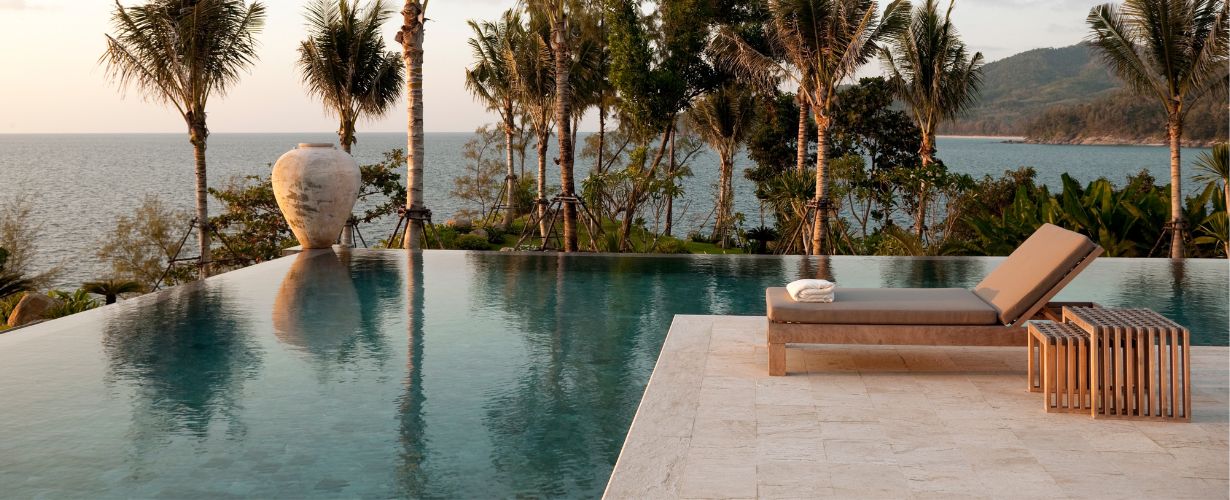
The interior finish is the skin of your pool. Just like human skin, some finishes are tougher than others.
- Standard Plaster: This is the most common finish. It is smooth and white, but it is also the most delicate. It usually lasts 8 to 12 years before it needs to be redone.
- Pebble Finishes: These are made of tiny river stones mixed with cement. They are incredibly tough. A pebble finish can last 20 years or more. They also hide small stains and dirt better than plain plaster.
- Quartz Finishes: This is a middle-ground option. It uses crushed quartz to add strength and colour to the plaster.
A pool with a pebble finish will almost always age better than a pool with standard white plaster because it resists chemical damage and physical wear much more effectively.
Comparison of Pool Lifespans by Material
| Feature | Concrete (Gunite) | Vinyl Liner | Fiberglass |
|---|---|---|---|
| Average Lifespan | 25 - 50+ Years | 15 - 25 Years | 20 - 30 Years |
| Surface Durability | Very High | Low (can tear) | High |
| Resurfacing Need | Every 10-15 years | Every 7-10 years | Rarely |
| Customization | Unlimited | Limited | Set Shapes |
| Maintenance Effort | Moderate | Low | Very Low |
The Importance of Filtration and Circulation
A pool stays young when the water is moving. Stagnant water collects algae and debris, which can stain the floor and eat away at the finish. High-quality pumps and filters are essential for long-term health.
Variable speed pumps are a great choice for ageing gracefully. They run longer at lower speeds, which means the water is constantly being filtered without using a lot of electricity. This constant movement prevents dead spots in the pool where algae likes to grow.
Why Proper Circulation Saves Your Pool
- Prevents Chemical Stagnation: Moving water ensures that chlorine and other sanitisers are spread evenly, preventing hot spots that can bleach your liner or plaster.
- Reduces Algae Growth: Algae struggles to take root in moving water, which keeps your walls cleaner and reduces the need for harsh scrubbing.
Protecting the Deck and Coping
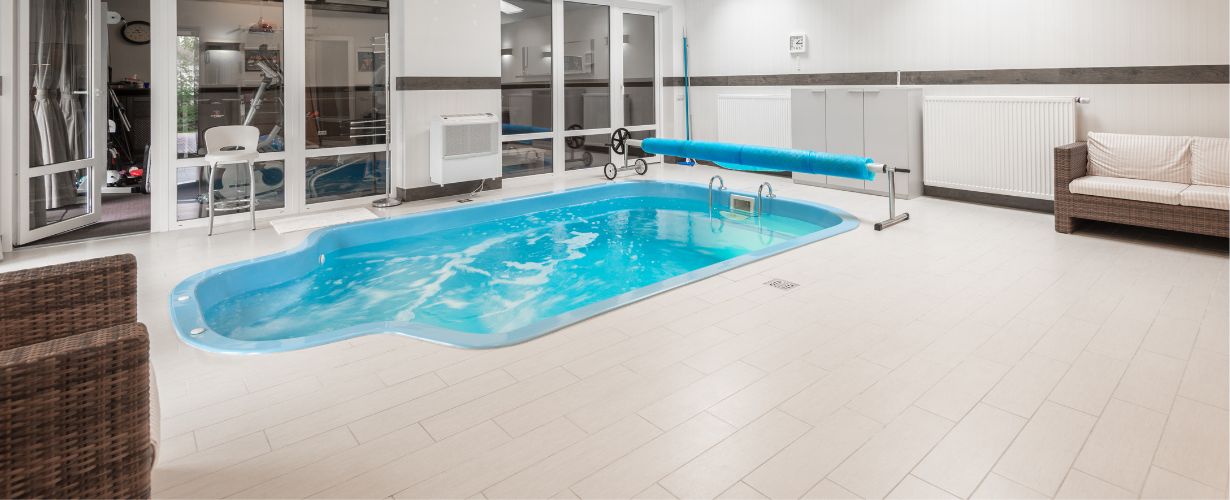
The area around the pool, known as the deck and coping, also ages. In environments like Florida, the sun and humidity are very strong. Constant sun exposure can cause concrete to crack and stone to fade.
Sealing your travertine or pavers every few years is a simple way to keep the pool area looking new. It prevents the stone from absorbing water and protects it from salt or chlorine damage. If the coping (the edge of the pool) stays in good shape, it keeps the pool shell protected from water seeping behind the walls.
Modern Equipment Upgrades
Pool technology changes fast. A pool built twenty years ago might have an old, noisy motor and a manual timer. Pools that age well are often updated with modern tech to improve efficiency and reduce wear.
Saltwater systems, for example, are much gentler on the skin and the pool finish than traditional liquid chlorine. Automation systems allow you to control the pump and lights from your phone, making it easier to stay on top of maintenance. When you treat the equipment well and replace parts before they fail, the entire system lasts longer.
Key Upgrades for a Longer-Lasting Pool:
- Salt Chlorine Generators: These provide a steady, low level of chlorine, which prevents the spike and drop chemical cycles that can damage pool surfaces.
- Smart Automation Hubs: By scheduling filtration and cleaning cycles via a smartphone, you ensure the pool never sits stagnant, even when you are away.
- LED Lighting Systems: Modern LEDs last thousands of hours longer than old incandescent bulbs and generate less heat, which protects the light niches and seals.
- Heat Pump Technology: Modern heaters are more efficient and allow for precise temperature control, reducing the thermal stress on the pool shell during cold months.
Environmental Factors and Solutions
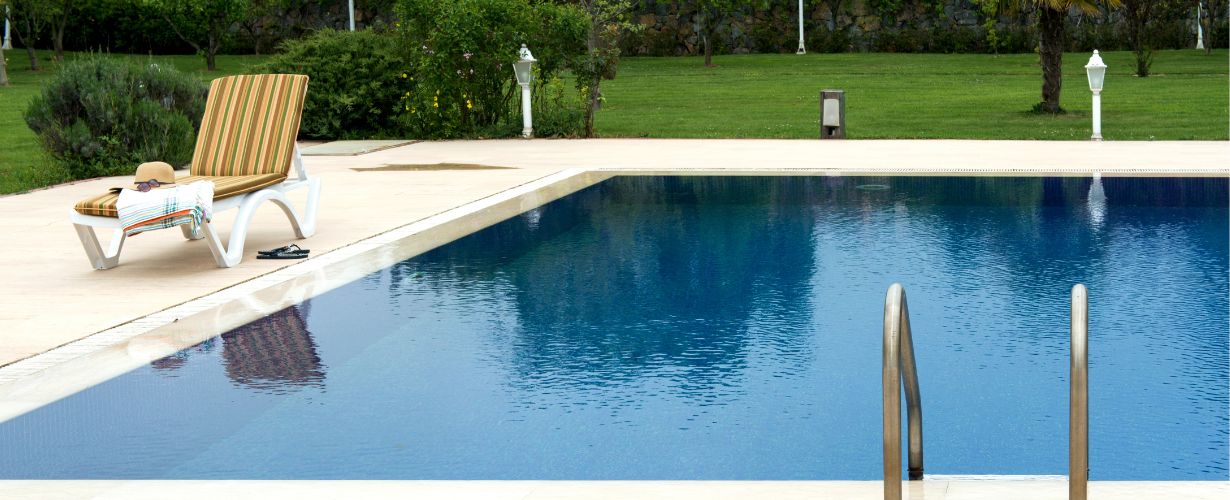
Where you live changes how your pool ages. If you have many large trees around the pool, the leaves and acorns can tan the water and cause organic stains. If you live near the coast, the salt air can corrode metal parts like ladders or heater elements.
Homeowners who age their pools successfully often use pool covers or screens. A screen enclosure keeps out debris and blocks some of the UV rays that break down chlorine. If a screen isn’t an option, a robotic pool cleaner is a great investment. It scrubs the floors and walls daily, preventing dirt from becoming permanent stains.
Key Maintenance Habits for Longevity
To ensure your backyard oasis stands the test of time, follow these simple rules:
- Balance the Water: Keep your pH and calcium hardness in the correct range to protect the surface.
- Invest in Quality: If you are building or remodeling, choose pebble finishes and high-end equipment.
- Keep it Clean: Use a robotic cleaner or a manual brush to keep the walls smooth.
- Watch the Deck: Seal your stone or concrete to prevent cracks and fading.
- Check the Plumbing: Fix small leaks immediately so they don’t wash away the dirt under your pool’s shell.
The Impact of Professional Maintenance
While many people enjoy taking care of their own pools, professional service can make a huge difference in longevity. A professional technician knows how to spot a small leak or a failing bearing in a pump before it becomes a massive problem.
Early detection of issues is the secret to a pool that looks 5 years old when it is actually 20. Regular tune-ups for the heater, salt cell, and pump ensure that every part of the system is working at its best.
Conclusion
A pool that ages well is a combination of smart building choices and consistent care. By choosing durable materials like pebble finishes and keeping your water chemistry perfect, you can enjoy a beautiful backyard for many years.
Modern pool owners have more tools than ever to keep their pools in top shape. Whether it is a variable speed pump that saves energy or a saltwater system that protects the finish, these choices add up. Your pool doesn’t have to look old just because the years are passing. With the right strategy, it can remain the centrepiece of your home for decades. If you are ready to build a pool that lasts or need expert advice on your current setup, feel free to contact us today to get started.