What to Know Before Installing a Backyard Pergola
Adding a custom pergola to your property does far more than just put up a shade structure it completely transforms how you experience and utilize your outdoor living area. A thoughtfully designed pergola creates an architectural focal point that ties together your custom pool deck, patio, and surrounding hardscapes into one cohesive resort-style retreat. Beyond offering much-needed relief from the harsh midday sun, it defines distinct functional zones for al fresco dining, poolside lounging, or evening gatherings around a fire feature, all while significantly boosting your home’s aesthetic charm and long-term property value.
Before you start building, take time to plan your project. Choosing the right location, material, and design can help you avoid costly mistakes. This guide covers the most important things to know before installing a backyard pergola.
7 Essential Factors to Consider Before Installing Your Pergola
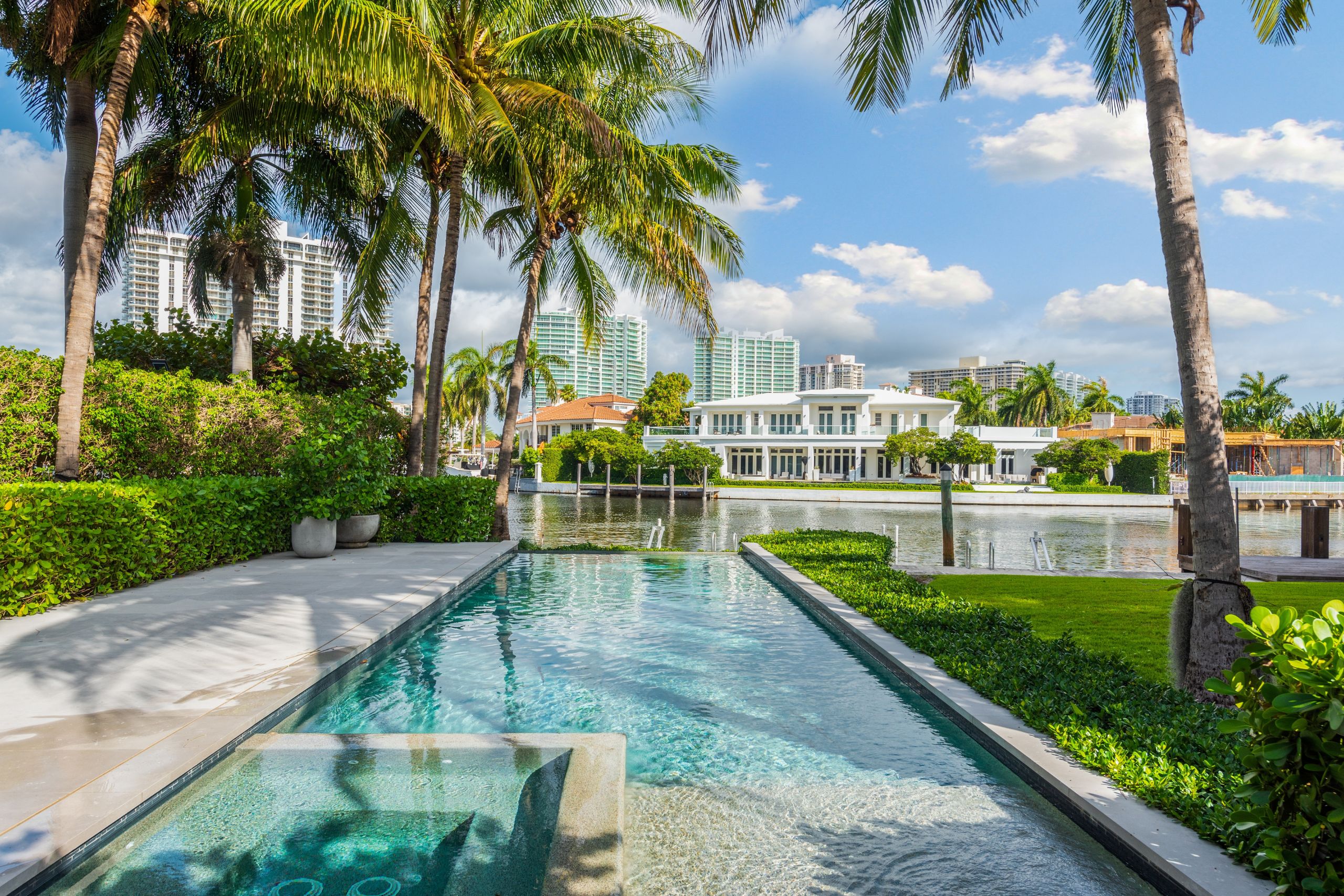
Before you start building, take time to plan your project. Choosing the right location, material, and design can help you avoid costly mistakes. This guide covers the most important things to know before installing a backyard pergola.
1. Choose Your Pergola's Purpose
Before picking out colors or styles, ask yourself how you plan to use the space. Pergolas serve many different roles depending on where they stand and how they are built:
- Pool Shade: If your yard gets full sun, a pergola next to your pool provides a comfortable place to sit out of direct heat between swims.
- Dining Area: Placing a pergola over an outdoor dining table creates a defined space for eating meals outside.
- Outdoor Living Room: You can add soft outdoor seating, a rug, and a fire pit under a pergola to make an open-air living room.
- Garden Feature: Smaller pergolas can frame a walkway or serve as a support structure for climbing plants like wisteria or jasmine.
Knowing your primary goal helps you pick the right size, roof type, and location.
2. Pick the Right Pergola Style
Pergolas come in two basic structural styles: attached to your home or freestanding in your yard.
Attached Design
An attached pergola connects directly to your home’s exterior wall or roofline. Two or more posts support the outer edge, while a ledger board holds the side closest to the house.
- Pros: Uses less ground space, costs less in materials because it uses fewer posts, and creates a seamless transition from indoor rooms to your patio.
- Cons: Requires drilling into your home’s structure, which must be flashed correctly to prevent water leaks behind siding.
Freestanding Design
A freestanding pergola stands on its own four (or more) support posts. You can place it anywhere on your property where you have a flat, level base.
- Pros: Complete freedom of placement. Works great next to swimming pools, back corners of the yard, or dedicated garden spaces.
- Cons: Requires more support posts and concrete footings, which can increase overall material and labor costs.
3. Choose the Right Material
The material you choose impacts how your pergola looks, how long it lasts, and how much time you will spend maintaining it.
Here is a side-by-side comparison of the most popular pergola materials:
| Material | Initial Cost | Maintenance Needed | Average Lifespan | Key Advantage |
|---|---|---|---|---|
| Pressure-Treated Wood | Low | High (stain/seal every 1–2 yrs) | 10–15 years | Budget-friendly and widely available |
| Cedar / Redwood | Medium to High | Medium (seal every 2–3 yrs) | 15–20+ years | Natural insect resistance and beautiful grain |
| Vinyl (PVC) | Medium | Very Low (wash with hose) | 20–25+ years | Won't rot, splinter, or rust |
| Aluminum | High | Low (wipe clean) | 20–30+ years | Lightweight, strong, modern look |
| Fiberglass | Very High | Very Low | 30+ years | Supports long spans without sagging |
- Wood: Wood is a popular choice because it looks natural and fits many backyard styles. Cedar and redwood last longer than regular pine because they resist insects and rot. To keep wood in good shape, you should seal or stain it every few years.
- Vinyl: Vinyl is easy to care for and lasts for many years. It will not rot, crack, or need painting. The main downside is that it comes in fewer colors than wood.
- Aluminum and Metals: Aluminum pergolas are strong, lightweight, and easy to maintain. They work well in different weather conditions. Some models have adjustable roof slats that let you control sunlight and rain.
4. Plan for Shade and Roof Design
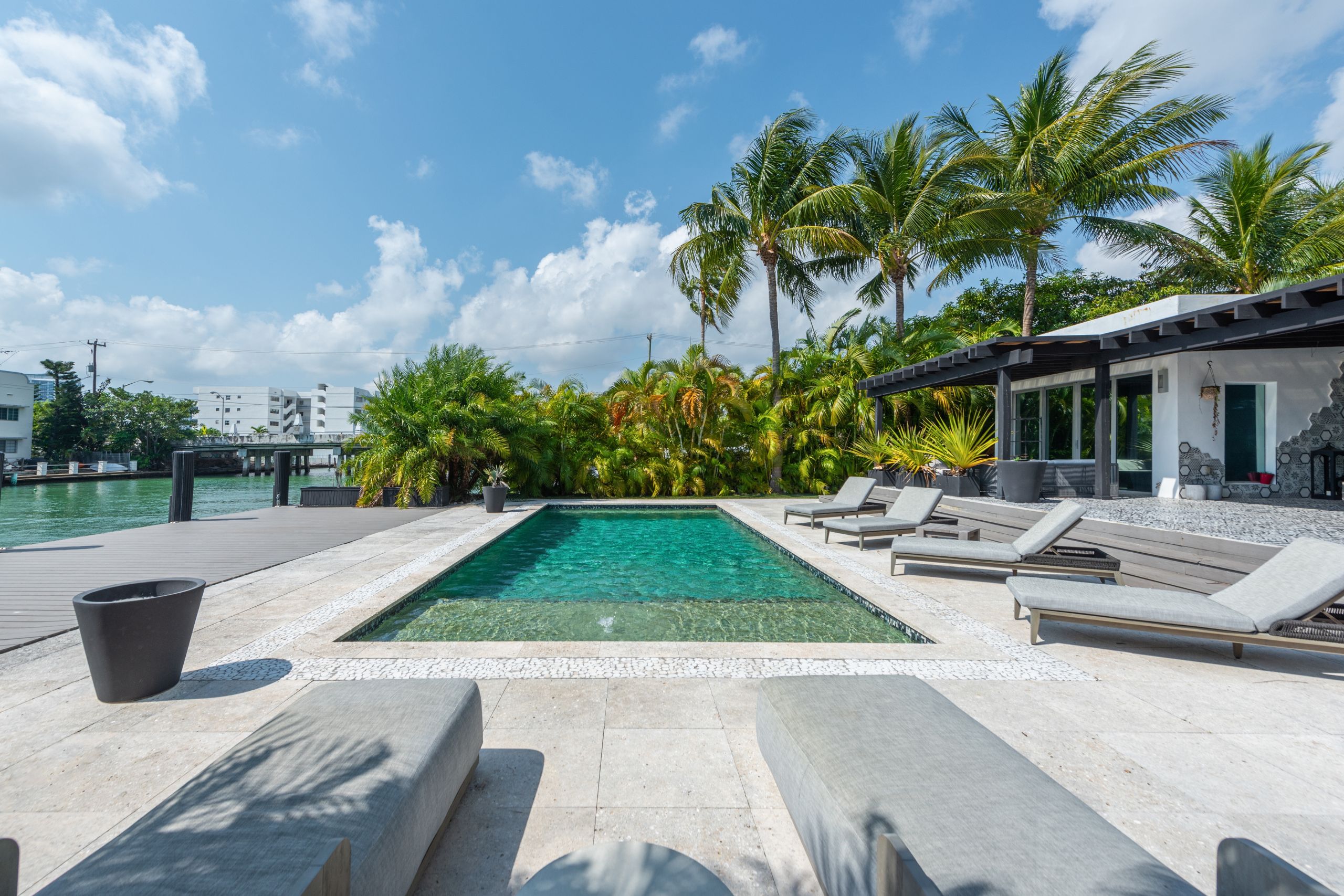
Most pergolas have an open roof with wooden or metal slats. This design provides partial shade but does not fully block rain or strong sunlight.
To get the right amount of shade, pay attention to these factors:
- Slat Direction: Running your top roof slats North to South helps block direct sunlight as the sun moves across the sky from East to West during peak midday hours.
- Louvered Roof Systems: Louvered pergolas have motorized or manual slats that rotate. You can open them to let sunlight in or close them tightly when it starts raining.
- Solid Roof Covers: You can add fabric shade sails, retractable awnings, or poly-carbonate sheets on top of traditional wood rafters for total rain protection.
5. Check Local Rules and Permits
Installing a pergola without proper approval can lead to fines or a demand to take the structure down. Take these steps before starting any construction:
- Call 811 Before Digging: Always call your local utility locator service before digging post holes. Hitting gas, electric, or water lines creates major hazards and high repair bills.
- Building Permits: Many cities require a permit for structures over a certain height or footprint (often 100 square feet). Attached pergolas almost always require permits because they connect to your home.
- Property Setbacks: Zoning laws dictate how close a structure can be to your property lines, fences, or septic tanks.
- HOA Rules: If you live in a neighborhood with a Homeowners Association, review their rules regarding maximum height, approved building materials, and color matching.
6. Build a Strong Foundation
A pergola needs a sturdy foundation so it does not shift, lean, or lift during high winds. Ground preparation depends on where you plan to build:
- Concrete Base: Digging deep holes below your local frost line and pouring concrete footings is the safest way to anchor support posts.
- Concrete Patio: If you have a thick, high-quality concrete slab, you can anchor posts directly using heavy-duty masonry bracket bolts.
- Wooden Decks: Mounting a pergola to an existing deck requires installing extra structural blocking underneath the deck boards so the weight rests on the main framing joists, not just the surface boards.
Do not place wooden posts directly in the ground. Concrete footings and post brackets help keep the pergola strong and prevent the wood from rotting.
7. Plan for Lights and Extras
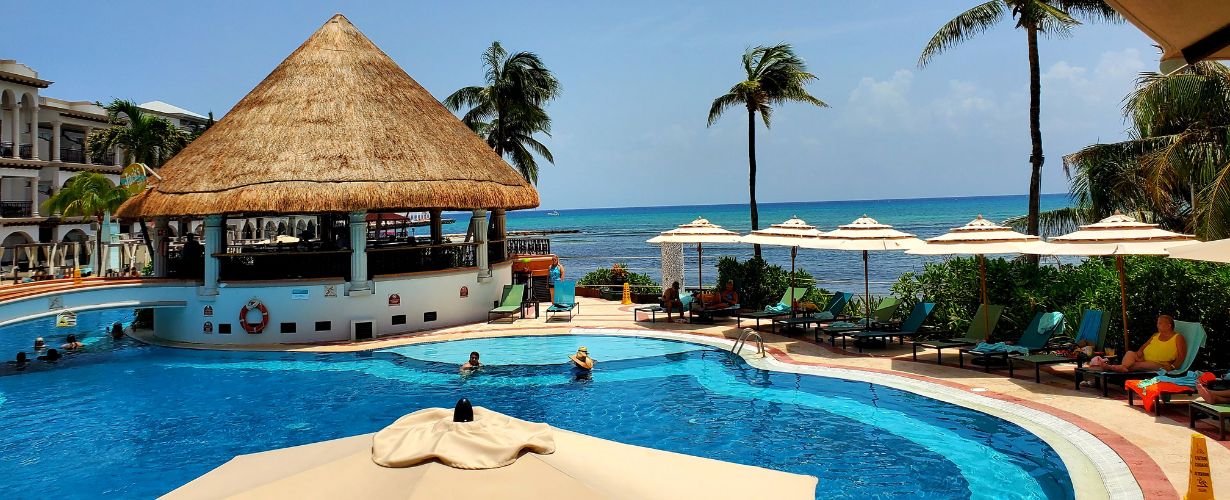
Thinking about extras during the planning phase saves time and keeps wires and pipes hidden. Popular additions include:
- Lighting: Integrated LED strip lights, post lights, or hanging string lights make your pergola usable after dark.
- Ceiling Fans: Mounting an outdoor-rated ceiling fan to a central beam keeps air moving on hot summer days and keeps mosquitoes away.
- Outdoor Kitchen: If your pergola covers an outdoor kitchen or bar, ensure there is adequate overhead clearance and proper ventilation for smoke.
- Privacy Options: Installing wood slats or outdoor curtains along one or two sides blocks harsh winds and keeps neighbors from looking into your space.
If you plan to add lights, fans, or outlets, install the wiring before the concrete is poured. This keeps wires hidden and makes the finished pergola look cleaner.
Final Thoughts
A backyard pergola can make your outdoor space more comfortable and enjoyable. Planning ahead, choosing the right materials, and following local building rules will help your pergola last for many years. With the right design, you can create a beautiful space for relaxing and spending time with family and friends.
Ready to transform your backyard into a resort-style living space? Contact us today to speak with our outdoor design experts, explore custom material options, or schedule a consultation for your upcoming project!
FAQ
A pergola provides shade, defines outdoor spaces like dining or lounging areas, and boosts your home's look and value. Its purpose depends on how you plan to use it, whether for pool shade, dining, or garden decoration.
Attached pergolas connect to your house, saving space and cost but requiring careful waterproofing. Freestanding pergolas stand alone anywhere in your yard, offering flexible placement but needing more posts and concrete footings.
It depends on your budget and maintenance preference. Wood looks natural but needs regular sealing. Vinyl and aluminum need little upkeep and last longer. Fiberglass is priciest but supports long spans without sagging.
Standard open-slat pergolas only offer partial shade, not full rain protection. For complete coverage, add louvered roofs, shade sails, retractable awnings, or polycarbonate panels over the top.
Often yes, especially for attached pergolas or larger structures. Check local building codes, property setbacks, and HOA rules first. Always call 811 before digging to avoid hitting utility lines.
A solid foundation, like concrete footings, keeps the pergola stable during high winds and prevents shifting or leaning. Never place wooden posts directly in the ground, as it causes rot.
Yes, popular add-ons include LED lights, ceiling fans, and privacy curtains. Plan wiring before pouring concrete so cables stay hidden and the finished structure looks clean and polished.