Are Zero-Entry Pools Better Than Traditional Pools?
Adding a swimming pool to your home is a major project that changes the way you live. It’s an investment in your property value, but more importantly, it is an investment in your family’s happiness. However, before the construction crew arrives, you face a critical design question: Should you go with a zero-entry pool or a traditional pool?
We specialise in high-end custom designs. We see many homeowners struggle with this choice. While both options provide a refreshing escape from the summer heat, they offer very different experiences in terms of layout, utility, and cost. This comprehensive guide will explore every detail of these two popular styles so you can decide which one will turn your backyard into a true paradise.
What Exactly Is a Zero-Entry Pool?
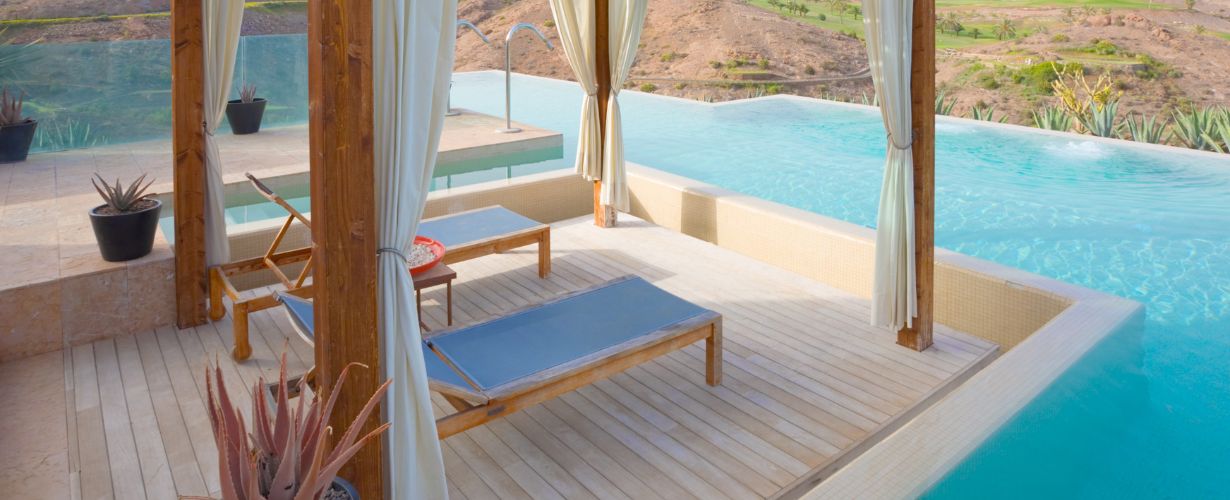
A zero-entry pool is often referred to as a beach-entry pool. As the name suggests, it mimics the natural slope of the seashore. Instead of having a defined edge with a drop-off, the pool floor starts at the same level as your deck or patio and gradually angles downward into the water.
There are no sudden drops, stairs, or metal ladders at the entrance. You simply walk into the water at your own pace. This design has long been a staple in high-end tropical resorts and luxury hotels. Today, it is a top choice for modern homeowners who want a staycation vibe and a natural, organic look for their outdoor space.
What is a Traditional Pool?
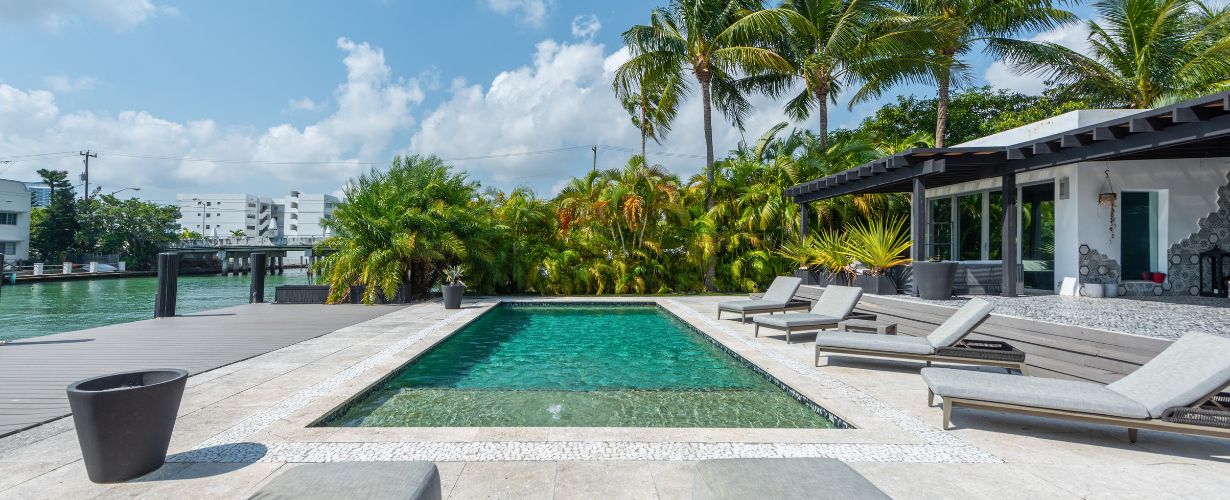
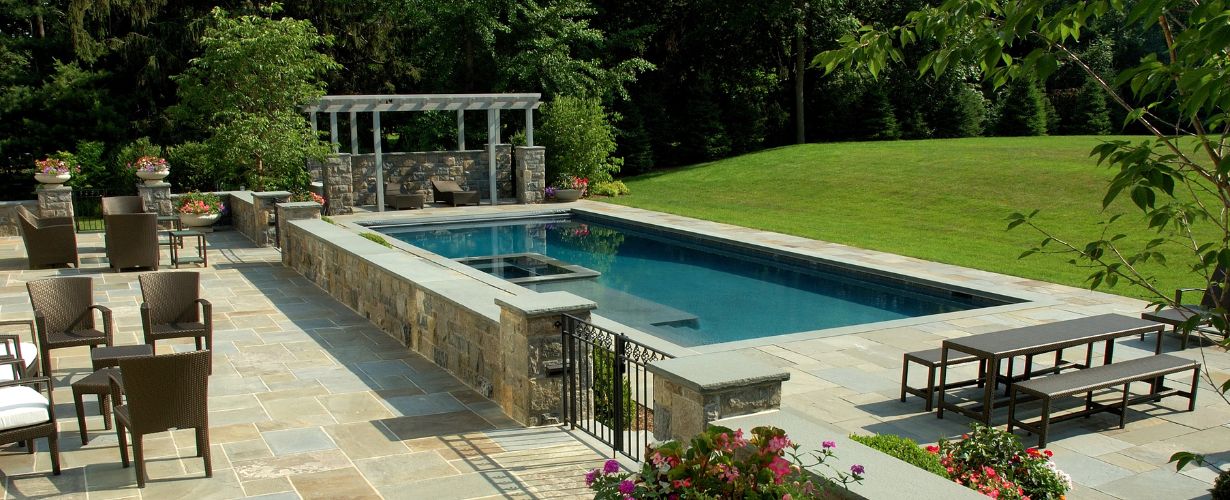
A traditional pool is the classic design most of us are familiar with. It features a clearly defined perimeter where the pool deck meets a vertical wall. To enter the water, you use built-in steps usually located in the shallow end or a stainless steel ladder.
In a traditional pool, the depth usually starts at around three feet and slopes down towards a deep end. This style is highly versatile and works perfectly for everything from morning exercise to big weekend pool parties with friends. It is structured, efficient, and timeless.
Comparison at a Glance
| Feature | Zero-Entry (Beach Entry) | Traditional Step-In Pool |
|---|---|---|
| Main Entrance | Long, gradual slope (beach style) | Submerged steps or ladders |
| Accessibility | Best for all ages and mobility levels | Requires climbing and balance |
| Backyard Space | Requires a large, wide footprint | Ideal for small or narrow yards |
| Pool Depth | Increases slowly over a long distance | Increases quickly for more swim room |
| Primary Use | Lounging, wading, and child safety | Swimming laps, water sports, diving |
| Building Cost | Premium (requires complex engineering) | Standard (more budget-friendly) |
| Visual Style | Natural lagoon or resort atmosphere | Structured, clean, and classic |
The Deep Dive: Why Choose a Zero-Entry Pool?
1. Unmatched Accessibility for the Whole Family
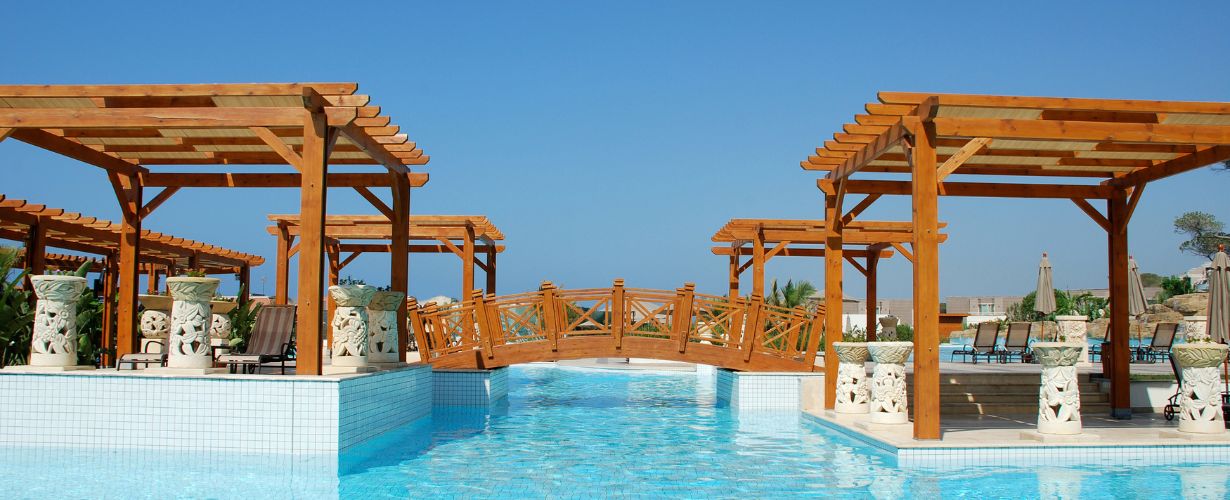
The most significant benefit of a zero-entry pool is its universal design. For families with toddlers, the shallow shoreline is a safe place for kids to splash without the fear of falling off a step into deep water. For seniors or people with limited mobility, the gradual slope removes the physical strain of climbing pool stairs. It is the most inclusive pool design available, ensuring that every guest can enjoy the water regardless of their physical ability.
2. The Ultimate Relaxation Zone
When you have a beach entry, the first several feet of the pool are only a few inches deep. This area naturally serves as a built-in sun shelf or tanning ledge. You can place weather-proof lounge chairs directly in the water. This allows you to stay cool and damp while you soak up the sun, providing a relaxation experience that a traditional pool simply cannot match without adding expensive extra features.
3. A Stunning Architectural Statement
Zero-entry pools are rarely simple rectangles. They often feature beautiful curves, natural rock overflows, and textured finishes that blend seamlessly into your landscaping. If your goal is to make your backyard look like a private cove or a hidden desert oasis, the zero-entry design is the clear winner. It turns the pool into a piece of landscape art rather than just a utility.
The Deep Dive: Why Choose a Traditional Pool?
1. Maximizing Your Active Swimming Space
Because a zero-entry pool requires a long slope (usually 7 to 15 feet) just to reach a depth of three feet, it consumes a lot of your active swimming space. In a traditional pool, you get into the water and immediately have a functional depth. This means you have more volume of water available for swimming laps, playing water basketball, or treading water. If you want a pool primarily for exercise, the traditional style is much more functional.
2. Better Fit for Smaller Backyards
Not every yard has the space for a long, sloping entrance. Traditional pools are much more compact. You can fit a beautiful, deep traditional pool into a narrow lot or a small suburban backyard without losing the ability to actually swim in it. It allows for a larger deep end in a smaller overall footprint.
3. Simplified Maintenance and Cost Efficiency
Traditional pools are generally easier to build and maintain. Their structured shape makes it simple to install automatic pool covers, which are vital for keeping heat in and debris out. Additionally, because the water depth is more consistent, automatic pool cleaning robots can navigate the floor more effectively. From a budget perspective, traditional pools are usually more affordable because the excavation and concrete work are more straightforward.
Technical Realities: What No One Tells You
Before you make your final choice, there are a few behind-the-scenes facts that every homeowner should consider:
- Water Temperature: In a zero-entry pool, the water at the very edge is extremely shallow. On a hot day, this water can become much warmer than the rest of the pool. This leads to faster evaporation, meaning you might have to refill your pool more often during the peak of summer.
- Chemical Balance: Because shallow water stays warm and sits near the edge where people walk, it can be a challenge to keep the chlorine levels balanced in that specific area. High-quality circulation systems and powerful pumps are a must for zero-entry designs to prevent algae growth in the beach zone.
- Surface Texture: The slope of a beach entry can be slippery if the wrong material is used. We recommend using textured pebble or quartz finishes. These materials provide the grip needed to ensure your walk into the water is safe and slip-resistant.
- Wildlife and Debris: Because the entry is at ground level, it is easier for leaves, grass, and even local wildlife (like birds) to enter the water. You may find yourself skimming the shallow entry area more frequently than you would with a traditional pool.
Which Style Fits Your Lifestyle?
The Zero-Entry Pool is the right choice if:
- You want a luxury, resort-style aesthetic that serves as the centrepiece of your home.
- You have young children, pets, or elderly family members who need the safest possible access.
- You prefer lounging, wading, and social chilling over vigorous lap swimming.
- You have a large backyard with plenty of room to accommodate a long, elegant slope.
The traditional pool is the right choice if:
- You want to maximise your swimming, diving, and exercise space.
- You are working with a smaller yard or want to keep your construction budget focused on other features like heaters or lighting.
- You want a classic, clean look that fits a modern or minimalist home design.
- You want a pool that is easier to cover, heat, and maintain throughout the year.
Final Thoughts: Making the Right Splash
The choice between a zero-entry pool and a traditional pool depends on your family’s needs and how you plan to use the water. Both designs offer amazing ways to upgrade your home, but they serve different purposes.
You might prefer a zero-entry design if you want a luxury resort feel. This style is perfect for lounging in the shallows with a drink or providing safe access for toddlers and seniors. On the other hand, a traditional pool is the better choice if you want to maximise your swimming space for exercise, games, or diving. It is a classic, space-efficient option that fits almost any backyard.
A custom-built pool is a big investment in your home and your happiness. Whether you choose the modern beach entry or the timeless traditional style, your new pool will be the centre of your best summer memories. Contact us, we are dedicated to helping you build a pool that looks beautiful and lasts for years.